The most valuable lessons I’ve learned since becoming a minimalist 

Minimalism made me reevaluate what time means to me and how much of it is wasted doing essentially nonsense. 

Minimalism makes you wonder, do I enjoy spending all my free time cleaning and doing maintenance? Do I like spending so much time in stores? Do I enjoy working so many hours and/or side jobs to pay for stuff that is mostly wants or impulse buys instead of needs?

The beauty of minimalism is that it doesn’t force us to do anything, it’s all about the freedom to choose and the power that comes from making decisions based on awareness instead of being ruled by unconscious impulses and societal conditioning (hello neuromarketing).

I don’t know why it took me so long to realize this, but having fewer dishes or less clothes doesn’t allow it to pile up. If you want a clean plate or outfit, you have to keep them clean.

About that, here’s a short and yet perfect story on how to deal with laundry, by Matt d’Avella.

To take this a step further, since becoming a minimalist, I noticed that I now need less self-discipline, since there is no other option than to wash whatever is dirty, and since there isn’t much to maintain and keep up with.

This could be summed up in an extremely simple reasoning: minimizing entails having less work to do.

How ? A simple equation:

Less stuff = less work = less stress

When my go-to isn’t buying more or calling anyone for help, I become more resourceful and creative with what I have. 

The other amazing thing about minimalism is that the momentum of enthusiasm created by downsizing/organizing one area of your physical life carries over into others.  You want to experience the thrill of accomplishment again and again.

Moreover, as a minimalist, I’ve stopped ignoring my problems, and instead started focusing on them, and minimizing them.

Less stuff also means less decisions, which undoubtedly leads to less decision fatigue.

Once you do not use up your decision making power in non-essential things (such as what to wear or which cup to use) you have more energy in making more important decisions.

A personal uniform could be the answer for some, not necessarily something that works for me though ^^

Last but not least, I think minimalism promotes self-mastery.

Minimalism helps you question everything and consider how temporary the ecstasy of (insert thing) will be. 

I think that’s deep. 

What is “pattern interruption” and how does it help enhance your fulfillment in life ?

Patterns are part of our lives.

Positive patterns are seemless and necessary.

For instance, our bodies follow millions of patterns to keep functioning.

Breathing, sleeping and the beating of our hearts are some of the most vital patterns of our bodies.

That being said, this blogpost is more about exploring negative patterns and explaining how breaking said patterns can enhance our quality of life.

You see, negative patterns are just as easy as bodily ones to repeat.

Life patterns vary in severity, but they all have a commonality: they tend to recur.

Here’s a list of negative patterns many of us are familiar with:

  • Procrastination
  • Constant struggles with weight (emotional eating, weight loss..)
  • Porn addiction (👈 podcast episode)
  • Relationship conflicts
  • Financial burdens
  • Issues at work
  • Heavy drinking
  • Drug addiction
  • Smoking
  • Falling for the same toxic people in our lives

The problem with patterns is that at times, it may seem like the problem is gone, but then it repeats after some time, hence making it a pattern.

If you notice negative patterns in your life and if said patterns have occured far too many times to be a coincidence, something is definitely up. 

That said, the good thing about patterns is that some of them will keep repeating themselves until you learn the lesson associated with it, which then breaks the loop.

Here’s the point of this blogpost:

Pattern interruption is key to help you prolong your perception of time.

Let me explain.

When we interrupt or break out patterns, the mundane things of our lives start disappearing.

As they disappear, our perception of time starts changing.

It’s pretty simple, our brains love patterns because they usually allow us to be on autopilot.

Living as such may preserve your energy, but boredom is a silent killer. It’s not just physical but psychological suicide.

Here are a few extremely easy habits you can adopt to give life to your life:

  • Meeting new people. Meeting new people is a fun challenge cause you never know who you’re going to stumble upon. People are funny, surprising, sometimes mean but some other times extremely kind. People are intriguing, and meeting new ones give us life, because shared experiences are the only way you can give something without losing anything.
  • Taking different routes to work, training, school. It might sound very simplistic, but there’s evidence from the world of psychology that suggests doing could increase your creativity and ability to innovate. Small changes make the biggest difference, remember that !
  • Learning a new language. Languages are the window to the world. Language learning can seem challenging at first, but once you start picking it up, everything changes. Your whole perception of the world, and YOUR WORLD, changes. You’re now going to be able to connect with more people, to grow your knowledge, to better understand another (or several other) culture. Language learning is easily accessible to everyone. Multilingualism has been shown to have many social, psychological and lifestyle advantages. Moreover, researchers are finding a swathe of health benefits from speaking more than one language, including faster stroke recovery and delayed onset of dementia. There’s a plethora of cognitive advantages of multilingualism.
  • Working from a different office. Working from a different office or spot will add some flavor to your daily life. You’re also more likely to connect with other people, or see things that you wouldn’t have otherwise.
  • Trying a new coffee shop in your hometown. Be a tourist in your own town. Take a stroll on a monday morning, talk to people like you would if you were visiting. Being stiff and uptight is the best way to speed up aging. Ain’t nobody got time for that !
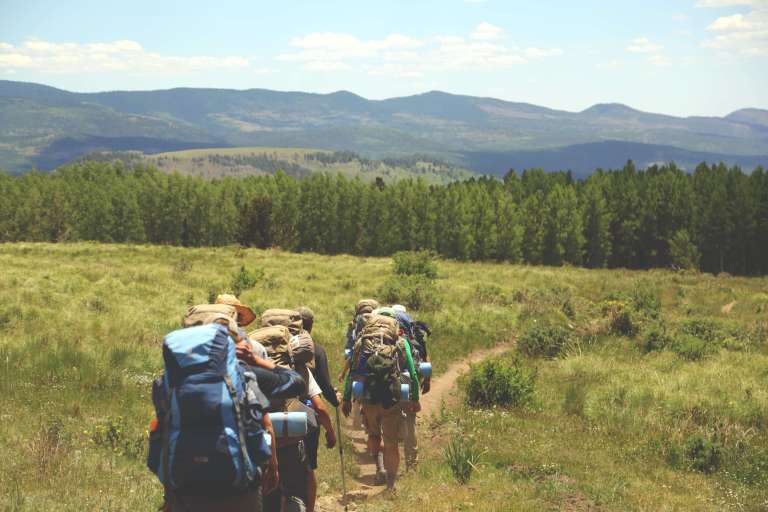
  • Exploring a new area on a hike. Hiking is the perfect way to challenge yourself, your cognitive senses and physical shape. It’s also the best way to disconnect from everything and reconnect with nature, and yourself.
  • Switching up your workout routine. The reason most people struggle with fitness is because they tend to stick to one workout routine for far too long, switch it up already fam !
  • Seek out awe inspiring experiences. Those usually take place away from home. It’s almost always the case. Go out, stroll around, pick up your car and drive somewhere you’d never been. It’s by seeking new adventures that we find ourselves. (bro let’s be honest, I’m killing it with these quotes !!)
  • Learn about something you never thought you would. I’m considering taking up knitting, cause why not ? The yearning for new experiences is what makes me feel fulfilled and alive. That’s how I got into podcasting, blogging and how I picked up hiking in the first place.

I think you get the point.

My life is all about avoiding the status quo and COMFORT. Yours should be too.

New experiences and pattern interruption reverse engineer aging.

Let’s get it !

Food and supplements checklist before going vegan

No fluff, just facts.

1. Vitamin B12

Can be found in: tempeh, cremini mushrooms, nutritional yeast, and supplements (which are very highly recommended).

Vitamin B12 helps keep your body’s blood and nerve cells healthy. You need B12 to make red blood cells, which carry oxygen through your body. It also helps prevent dementia and reduce birth defects.

Vitamin B12 also helps prevent megaloblastic anemia, a blood condition that makes people tired and weak, so signs of B12 deficiency usually include tiredness, fatigue and dizziness.

A lack of vitamin B12 can cause neurological problems as well, which affect your nervous system.

2. Proteins

Can be found in: seitan, quinoa, natural soy (tofu, miso, tempeh, edamame, soy milk), lentils, beans (black), chickpeas, nutritional yeast, hemp seeds, green peas, spirulina, chia seeds, nuts and nut butters (also contain antioxidants), artichoke, sweet potatoes, asparagus, spinach broccoli, blackberries, guava, banana.

Proteins are a critical part of the processes that fuel your energy and carry oxygen throughout your body.

Proteins also help make antibodies. Your antibodies are there to fight off infections and illnesses. Besides, proteins also keep your cells healthy and create new ones.

3. Iron

Can be found in: lentils, red bell peppers, spinach, mushrooms, soybeans, carrots, broccoli, quinoa, oatmeal, sunflower seeds, leafy greens, dried raisins, chickpeas, tomatoes, potatoes, corn, beats, seeds and nuts.

Vitamin C helps better absorption. Vitamin C can be easily found in citrus, red peppers, broccoli.

Iron is an essential element for blood production. About 70% of our body’s iron is found in the red blood cells of our blood called hemoglobin and in muscle cells called myoglobin.

Hemoglobin is essential for transferring oxygen in our blood from the lungs to the tissues.

About 6% of body iron is a component of certain proteins, essential for respiration and energy metabolism.

Tea and coffee decrease iron absorption.

4. Iodine

Can be found in: iodised salt, navy beans and baked potatoes.

Iodine plays a vital role in thyroid health. The thyroid gland, located at the base of the front of our necks, helps regulate hormone production. These hormones control our metabolism and heart health.

Deficiency causes goître.

5. Calcium

Can be found in: fortified tofu, rice, oat and soya drinks, sesame seeds, tahini, dried fruits (raisins and prunes).

Calcium is a mineral that is necessary for life. In addition to building bones and keeping them healthy, calcium enables our blood to clot, our muscles to contract, and our heart to beat.

Every day, we lose calcium through our skin, nails, hair, sweat, urine and feces. Our body doesn’t produce its own calcium.

Deficiency causes cramps, insomnia and low bone density.

6. Vitamin D

Can be found in: sun exposure and/or supplements, extremely important for calcium absorption.

2000UI/day is a health dose, some take up to 4000UI/day.

A healthy dose of vitamin D can prevent mild Covid-19 symptoms and lower risks of death.

7. Zinc

Can be found in: lentils, green peas, white beans, corn and oatmeal. Needed for proper immune system function, antioxidant, wound healing.

Zinc is used by the body in COUNTLESS ways. It is found in cells throughout the whole body. It helps the immune system fight off invading bacteria and viruses. The body also needs zinc to make proteins and DNA.

You must get a constant zinc supply through your diet. Supplements during cold season are highly recommended.

8. Riboflavin (B2)

Can be found in: whole grains, almonds, sesame seeds, spirulina, mushroom, quinoa, nuts, broccoli, brewer’s yeast, Brussel sprouts, wheat germ, wild rice, mushrooms, soybeans, green leafy vegetables and whole grain and enriched cereals and bread.

It plays a huge role in energy production in the body.

It helps the body break down carbohydrates, proteins and fats to produce energy, and it allows oxygen to be used by the body.

It is flushed out of the body daily, so it must be restored each day.

Hemp seeds, dates, figs, grapes, granola bars, garlic and turmeric boost your immune system.

Drinking water first thing as well.

Minimalism: removing things that remove you from your life

From owning 51 pairs of shoes to less than 40 overall clothing items, how did I get here?

I could write a whole book about the many benefits of minimalism.

Oh wait, I am (it’s an ebook but still).

I talk a lot about minimalism and mindfulness on my podcast.

I truly and wholeheartedly believe this lifestyle can spark a change in the world, help people feel happier, lighter, achieve financial stability, work less and live more.

There are no good arguments against minimalism, just like there are none against veganism, but that’s another story.

That said, lately I’ve been exploring a different terminology. I felt as though the term “minimalism” wasn’t impactful enough.

Hear me out.

Most of them think they know what minimalism is, or what it entails. They don’t.

The word “minimalism” is somewhat self-explanatory, which, IMHO, doesn’t do it justice.

This really got me thinking, so I decided to come up (or explain further) my own work-in-progress minimalism, which is a bit extreme, so I call it mindful essentialism, or just essentialism.

Why “essentialism” you ask? Simple: because I own the bare minimum, or rather, essentials only, no extras.

As an essentialist, one of the main focuses of my lifestyle is protecting the environment.

Consuming less leads to cutting down waste and living with a smaller ecological footprint. Simple.

I obviously still own and need some stuff, but the things I own and buy (when need be) are 100% environmentally friendly, and absolutely necessary. I also live frugally, and try to repair and repurpose all my belongings.

I’ve talked about this time and again on my podcast, but consuming less helps reduce the harmful impact of mindless consumerism on our planet. This makes essentialism a pro-environment and anti-consumption mindset and philosophy above everything else.

From shopping second hand and eco-friendly to investing in quality products (that last longer), my new shopping habits (close to nonexistent nowadays) help me reduce my carbon footprint significantly.

For instance, mindful shopping and making sure I don’t bring any unnecessary things into my life is the first thing on my mind when I’m out looking shopping;

Having the preservation of the planet in mind, essentialists like myself usually follow a vegan lifestyle as the two philosophies go hand in hand.

My other focus as an essentialist is to experience the world without getting tied down to a permanent place and financial burdens.

Instead of embracing materialism, I believe creating memories of my experiences is one of the two most important aspects of my life, the other one being giving (time and money) to charity and NPOs.

  • Travel-wise

As a lifelong traveler, I’ve always had trouble finding the right amount of things to pack up, so I always ended packing way more than I needed.

Since embracing this philosophy, I’ve noticed how traveling with fewer distractions allowed me to be more present and get the best out of each and every experience. It’s the little things, right?

For some nomadic minimalists, this lifestyle is just a practical way of moving around. For me, it’s challengingly fun to experience how little I (and now WE) can live with.

  • The mindful part of essentialism

As an essentialist, peace of mind is an integral part of why I chose this life.

Owning fewer things automatically reduced mental clutter for me, which is the number one cause of stress and anxiety for most people.

Owning less also reduces distractions and gives me the ability to focus on self-reflection (hence this post), self-love and personal development (once again, hence this post).

As a mindful essentialist, owning less possessions and being more present in the moment with my thoughts, my loved ones, my feelings and emotions has increased my quality of life in a significant manner. It’s made my life more meaningful and fulfilling.

Now, I’m not there yet, and I will keep working on shaping a better version of myself, pursuing excellence (a religious principle in my case) and adding value to other people’s lives.

I started my essentialist journey to escape the suffocation of stressful and expensive lifestyles, but I ended up finding a whole different facet of myself, a more relaxed and positive one.

In short:

Cutting down on “stuff” helped me become more mindful about self-care and my core values as well.

Essentialism has become a powerful tool in my journey of developing a better me. It’s helped me become more thoughtful as well.

Thank you for stopping by!

Here’s a short list of my favorite minimalists:

  • Leo Babauta from Zen Habits 
  • The minimalists
  • Sorelle Amore
  • Colin Write
  • Youheum from Heal your Living (personal fave)
  • and of course Matt D’Avella