Roots you can see
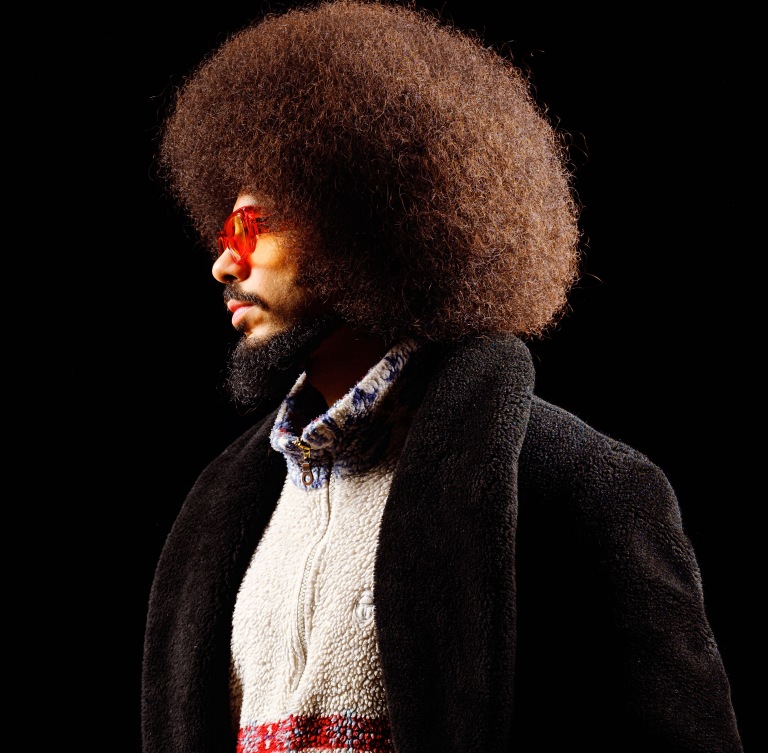
A man stopped me in the street once and asked how long it took to grow my afro out.
I figured he wanted it for himself. He didn’t. He was thinking about his little kid and wanted to know if life with an afro in Europe was hard.
We talked for 15 minutes. Two strangers, one head of hair.
That’s my normal. Every time I leave the house, someone comments on it. Older folks say it takes them back. Younger ones see a fashion statement, or a celebration of an authentic self.
I don’t mind either.
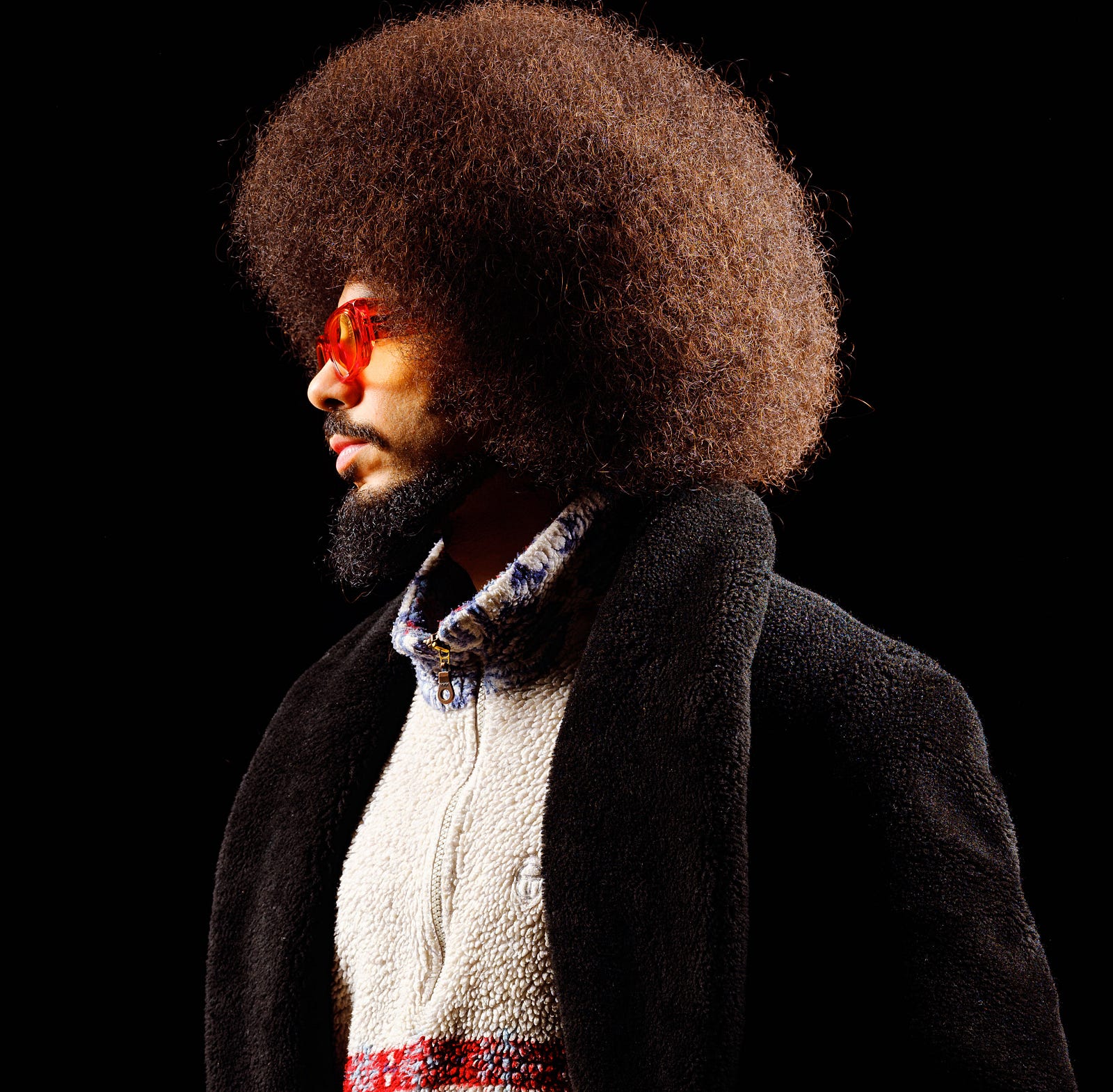
Then there are the stares. The judging kind.
I’m mixed, and my hair is the one trait that’s 100% African. I grew up with it always up for discussion. I’m not the first. Black hair has been a public topic for centuries, and it still is for people of African ancestry everywhere.
People stare because Western beauty standards crowned straight and silky as the ideal. Everything else got labeled unconventional, or worse, unprofessional. Those norms have oppressed Black and brown people for generations, and they’re stubborn.
So natural Black hair still turns heads at the office and in formal settings. It shouldn’t.
“Nappy” was once thrown at Black hair as an insult. Many of us learned to hate it. That’s what centuries of racism and minority bashing do to a person’s mirror, but the way Black people wear their hair has always said something about identity and place in society.
The afro rose with the Black Power movement of the 60s and 70s. It was a turning point. Black Americans reclaimed their African heritage and wore their natural looks like a flag. The afro became a symbol of pride and revolution worldwide.
Wearing one today feels different. Nobody’s marching, but the stares haven’t gone anywhere.
That’s why my ‘fro matters to me.
Black and mixed kids look genuinely happy to see me. Nearly all of them wave or ask questions. They want the same hair, and their parents often look just as pleased with the idea. Seeing it on someone else proves it can be done.
That’s the power of representation.
My afro is also a celebration. It’s self-expression and self-love. Through it I celebrate my heritage, my ancestry and myself. It’s part of my identity, and it feels amazing.
But make no mistake, this big ball of hair is also defiance. It rejects the Western standards of beauty that have been imposed on the world for centuries.
To my Black and brown readers, your hair is amazing, and I hope you’ll embrace it.
If you straighten it or wear wigs, I get it. You grew up in a world that taught you to hide your roots. But ask who the choice is really for. Those standards only survive as long as we keep feeding them.
We owe it to ourselves and to the next generation to challenge them. There’s nothing wrong with embracing your looks proudly and unapologetically.
To my white friends, you’re reading this for a reason. Keep pushing for social justice. I appreciate you more than you know.
Teekay

