Duality by Teekay RM

Immigrant kids think in parallel

We belong here, but we carry somewhere else at the same time.

I didn’t grow up in one place, I grew up across countries, cultures, across versions of life that don’t always overlap. Nothing ever felt fully singular;

Not home
Not language
Not even memory

There’s always another layer running underneath.

A joke that only lands in one country
A smell that brings you back somewhere no one around you knows
A version of you that only exists in a different language

Sometimes it hits you mid-thought. You’re here, but part of you is somewhere else entirely.

Maybe you didn’t move as much, but if you grew up between cultures, you know this feeling.

Because we do learn the world around us
We move through it like anyone else
We understand its rules, its references, its rhythm.

But we also carry something quieter, a parallel world most people don’t see or know about.

It lives in memories that don’t translate
In inside jokes that fall flat outside the circle
In moments that shaped you, but have no place where you are.

And then there’s language.

Some of us speak our parents’ language, some don’t. Some are fluent, some are still finding their way.

Either way, it stays with you

Because language isn’t just words, it’s a way of thinking. You don’t just switch vocabulary, you shift perspective.

Sometimes you even feel it in yourself. Not like you’re becoming someone else, just.. a different version of the same person, expanded.

Every culture has its codes: What’s said, what’s not. What’s allowed, what’s felt but never expressed..

And if you understand more than one, you start to see the world differently.

Then comes the next layer, religion.

Growing up with beliefs and traditions that don’t match the world around you

Again, different rhythms, different priorities and a different way of making sense of life altogther.

You learn what everyone else knows, but you also carry what they don’t: Names, stories, references that exist outside the mainstream.

It’s not always visible, but it shapes how you move.

Living through all of this does something to you. It doesn’t just make you adaptable, it makes you more aware.

You understand what it means to be misunderstood
To feel slightly out of place
To not fully belong

Some embrace it, others struggle with it.

But when you’ve felt that, you don’t want others to feel it too.

Not everyone reflects on it, but those who do soften.

They listen more
They notice more
They hold space differently

Because they’ve lived the distance.

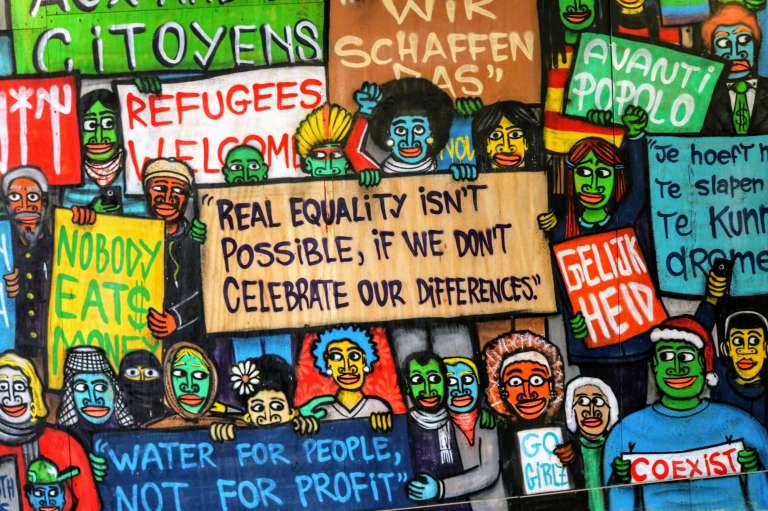
Immigrant kids blend it, and stand out.

We connect things that aren’t supposed to touch
We carry perspectives that don’t usually meet.

We’re rarely the ones drawing lines because we know what it feels like to stand outside them.

Being an immigrant isn’t easy

It comes with friction
With weight
Sometimes with rejection

But it builds something solid

Depth
Awareness
Resilience

You learn to see more
To feel more
To understand more

You don’t just move between worlds

You connect them.

We don’t need to split ourselves to fit in, we don’t need to shrink parts of us to be understood.

We carry multiple worlds
Multiple languages
Multiple ways of being

That’s our wealth.

Let us be.

Thanks for reading.

Teekay
European cities

Realizations after 9 years of living and traveling in Europe

Suddenly, the world feels so small.

It’s funny how easily we take things for granted once we’ve lived them.

I hadn’t set foot in continental Europe until I was 17. I was never particularly fascinated by it, but I was curious, mainly because I’ve always been a football head (aka soccer). My understanding of Europe came almost entirely through football. It’s surprising how much you can learn about a place through the way it presents itself to the world.

For me, football was Europe’s Hollywood.

Sure, I’d read books by European thinkers like Rousseau, Voltaire, Dostoevsky, Adam Smith (dad’s an economist), Marx (capitalism’s greatest critic), Montesquieu and plenty of Greek philosophers, but most of them weren’t contemporary thinkers. They wrote about their own times, their realities. Football, on the other hand, made Europe feel present, dynamic, real. It gave me a window into the continent’s character.

For instance, I knew about the English and their pub culture way before I had set foot in England. I already knew they loved to drink before games, loved to sing in the stands and viewed the sport almost like a religion.

The Dutch, with their total football philosophy, played the game differently. Organized, intelligent, team-oriented, their football reflects a society that values structure and versatility.

The Germans famously love their beer. Bayern Munich holds a photoshoot every year to promote Oktoberfest, which I only knew about thanks to their events.

The Turks are loud and proud. Fireworks in the stands, packed stadiums on a weekday, and fans who treat football like life or death, it perfectly depicts their character.

The Spanish, on the other hand, are just as proud, but more divided. The Basques, Catalans and Andalusians all bring their own flair to the game. They also have their own holidays, like San Jordi (Catalan Valentine’s day), and you learn about those through football too.

The Italians are perhaps the only ones who proudly exposed the ugly face of their society through the beautiful game: their racism toward Black players, their theatrics and machismo are ever present on the pitch and off of it. Their passion is unmatched and unapologetic, but so is their cheating. Not great, thank God people outside of football are different.

Anyway, last but not least, the French. It was already striking to me how different people within the country were. France is so diverse, which I already knew then, but which became even clearer the second I set foot here.

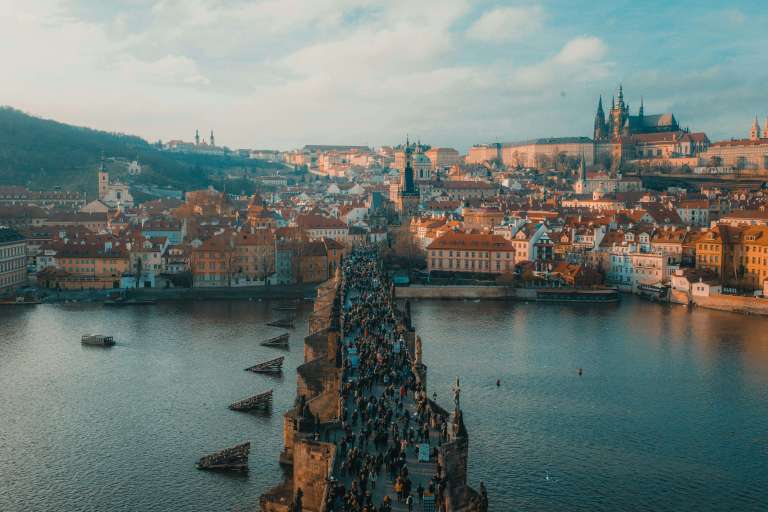
I’ve been to more than 20 European countries since moving here, and visited over 100 cities in Europe. I’ve made lifelong friends who became family. I studied, partied and worked with them. Better yet, I ended falling in love with a European, who then became my wife and lifelong partner. Who would’ve thought?

And yet, I take it all for granted now.

I love living in Europe, and there is nowhere else I’d rather be, but traveling around Europe doesn’t excite me as much as it used to. It feels like I’ve seen it all, which, of course, isn’t true.

It’s strange how easy it is to feel indifferent to things you once dreamed of.

Gratitude, I’ve learned, isn’t just a feeling. It’s an action. A choice.

Our next trip in Europe will be to the Balkans, and Greece. Albania, Montenegro and Bosnia are on our list. I hear the culture there is very different to Western Europe, which is super exciting!

Thank you for stopping by.

Peace!

Teekay

Unapologetically Ourselves

A journey of cultural pride.

As a POC (Person of Color) and someone of mixed heritage, I grew up in a world where my hair was often a topic of conversation.

I’m not alone in this.

In fact, Black hair has been a topic of conversation for centuries, and remains a crucial aspect of the Black community worldwide (including all people of African ancestry) to this day.

In my case, and unlike some of my other traits, my hair is 100% African.

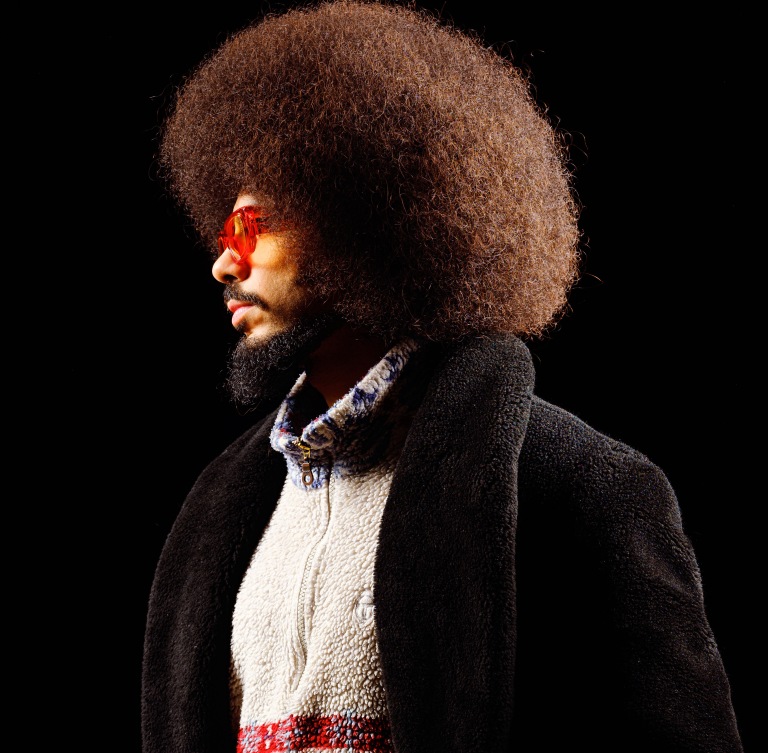
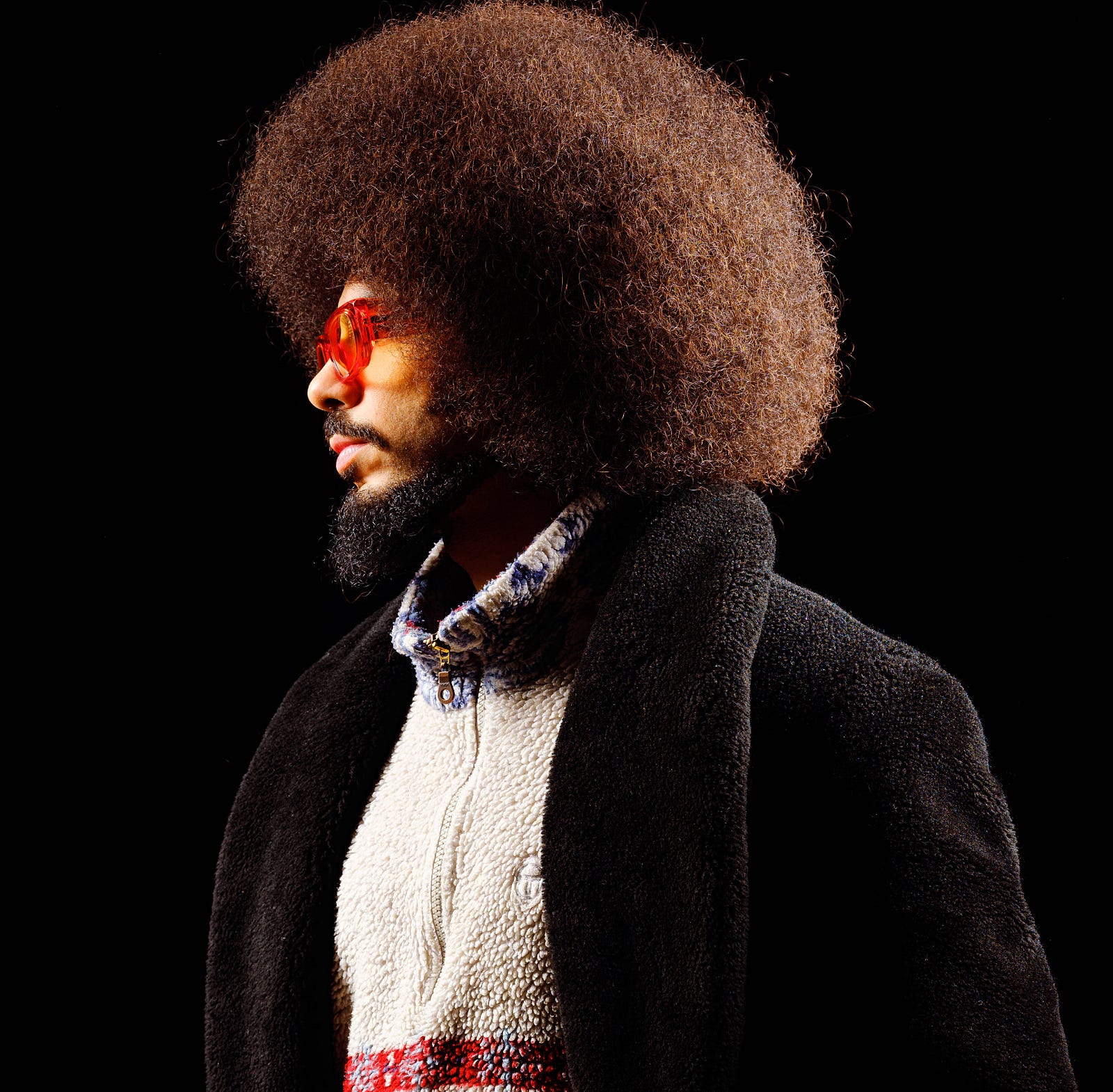
Picture of the author, Teekay Rezeau-Merah, MSc

The odd, yet completely understandable thing about “nappy” hair (which used to be the derogatory term for Black hair) is that most POC hate it. This is the result of centuries of racism, minority bashing and discrimination.

The way Black people wear their hair speaks volumes about their identity and their place in society.

Take the 70s, for example. 

The Afro’s rise in popularity during the Black Power movement of the 60s and 70s was a time of great cultural change. This era was a turning point for many Blacks in America. 

As such, Black people had finally started reclaiming their African heritage and embracing their natural looks. The Afro became a symbol of pride and revolution for Black people worldwide.

But wearing it in 2023 feels different.

It’s funny because every time I go out, someone stops me to comment on my hair. And when I say every time, I mean literally, not figuratively. 

Older folks usually tell me it reminds them of the old days, while younger folks often see it as a fashion statement and a celebration of my authentic self.

I don’t mind either.

But of course, that’s just a part of it. 

The reality is, many people simply stare, judgmentally.

The thing about our whitewashed world is that western beauty standards have long emphasized straight, silky hair as the ideal, and anything outside of that norm is seen as unconventional or even unprofessional.

These deeply ingrained societal norms — norms that have historically oppressed Black and brown people and perpetuated negative stereotypes about Black hair — are hard to break away from.

As a result, people stare because they’re not accustomed to seeing natural Black hair, particularly in environments like the workplace or formal settings.

I’m here to change that, sort of.

My ‘fro is empowering in many ways.

Lots of Black and mixed kids look genuinely happy to see me. 99% of them wave at me, stop me, ask me questions. They want the same hair, and their parents usually look just as happy with the idea. Seeing someone else with their afro shows them that it can be done.

That’s the power of representation. 

But it’s not just kids. Parents are usually just as eager to talk to me.

One time, a random guy stopped me in the street to ask me how long it took me to grow it out, and whether it was challenging to navigate everyday life with an Afro (especially in Europe). Funny thing is, it wasn’t even for him, he was just considering the idea for his little kid. The conversation lasted for 15 minutes.

My Afro’s other purpose is that of a celebration.

It’s a form of self-expression and self-love. Through it, I celebrate my cultural heritage, my ancestry and myself. It’s a part of my identity, and it feels amazing.

But with all that being said, make no mistake, this big ball of hair is also a symbol of defiance. In fact, it represents a rejection of the Western standards of beauty, standards that have been imposed on the world for centuries.

To my pigmented readers, kindly use this piece as a reminder that your hair is amazing, and I wholeheartedly encourage you to embrace it.

For those of you who straighten their hair or wear wigs to hide their natural beauty, you know this is a manifestation of internalized racism and self-hate. You know it.

This form of self-hate has been a coping mechanism for Black and brown people around the world, I get it, but it’s got to stop.

This mentality only perpetuates the negative stereotypes and ideals that have historically oppressed us, so it’s on us to break away from them, once and for all.

We owe it to ourselves and future generations to fight this negative self-image by challenging societal norms. Ain’t nothing wrong with embracing your looks proudly and unapologetically, nothing!

To my caucasian friends, you’re reading this for a reason. Keep being the allies that you’ve always been. Keep pushing for social justice. I appreciate you more than you know.

Thanks for reading.

If you wish to read similar articles and support my work, follow me and subscribe to my newsletter.

I write about my travel adventures, essentialism, health, slow living, environmental solutions and more.

Till next time !

Peace.

Tee.