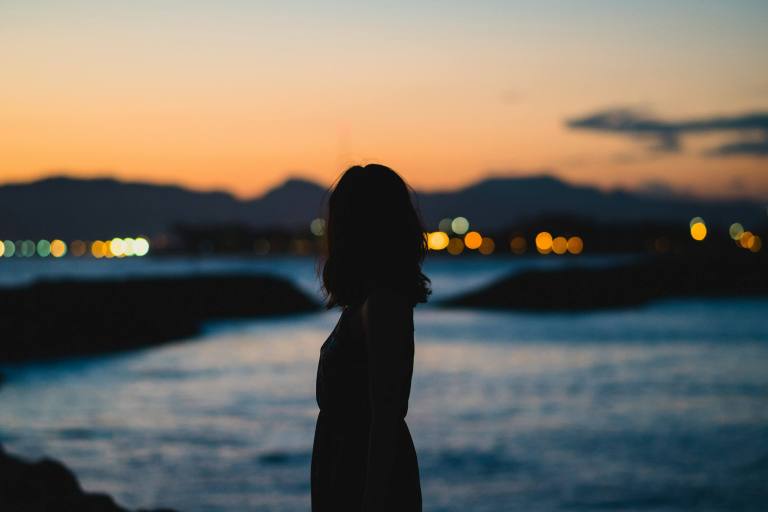
Single woman overlooking the city

Don’t waste your single years waiting for marriage

Being single is not a problem. Waiting around for your life to begin because you’re single is.

We live in a society that puts a lot of pressure on single people, especially women. The moment you’re single for long enough, people start treating it like a condition. They want to know why you’re still single, whether you’re dating anyone and when you’re finally going to settle down.

And when they tell you to “have fun,” they usually mean drink poison or sleep with strangers. In short, hedonism as sold by Hollywood.

I think there’s much better advice to give a single person.

You have a life to live!

Being single isn’t a situation that needs to be fixed. You don’t need to spend years wondering when you’re going to meet someone, why you haven’t yet or comparing your life to people who are already married.

I understand the feeling.

I wanted companionship too.

There were times when being single felt empty. We all want to be held. We all want someone to come home to. There’s nothing wrong with wanting that.

But wanting something and waiting for it are two very different things.

I wasn’t going to sit around waiting for someone to arrive and make my life feel complete. I had a life to live in the meantime, so I lived it.

I built a career. I spent time with my friends. I became the third wheel, and sometimes the fifth wheel. I made memories. I learned things. I spent time with couples and saw how relationships worked from the inside, especially when one of them was already a close friend.

You learn a lot that way.

You see how people communicate, disagree, compromise, show affection and deal with responsibility. I learned a lot from it, even if not enough, because I don’t think you can ever learn enough about relationships.

But none of that was a strategy for finding a wife.

That distinction matters.

And when I eventually met my wife, I wasn’t looking for someone to give me a life or make me happy. I was happy, and she was happy before we met. We simply complemented each other, shared what we already had and grew together from there.

That’s how it should be.

Marriage is amazing. I genuinely believe that. I wouldn’t trade my marriage for my single life.

But marriage was not the goal of my single life.

Living well was.

Marriage changes how you live

As a married man, I have responsibilities towards another person that I didn’t have when I was single. My wife’s wellbeing is no longer just something I care about. It is something I’m responsible for. If she needs me, I show up, even when it’s inconvenient, even when I have other things I’d rather be doing.

When I was single, I was responsible for myself. Just myself. I could make my own plans, spend my own money and do whatever I wanted with my time.

That’s why I think marriage is such an important step into adulthood, and in my case manhood. You don’t stop living for yourself. You stop living just for yourself.

Someone else’s wellbeing, safety and happiness become part of your responsibility. You become someone they can rely on, not just a companion and lover.

Single life can be lonely

It can be, and it is no matter what you do. That’s the truth.

There were times when I felt that loneliness too, even when I was seemingly on top of the world. But I had my friends and I had my family. My family in particular mattered enormously to me. When I was down and didn’t feel like talking to my friends, I could talk to them instead. Sometimes just hearing their voices was enough to make me feel better.

The desire for companionship is natural. You can be loved and still be lonely.

You can have a wonderful life and still want someone beside you.

But you can also want marriage without making marriage the purpose of your life.

Those things aren’t contradictory.

I didn’t get married when I wanted to, really not.

I got married when it was right.

We don’t get much say in when the right person enters our lives, but we do get a say in what we do with our lives before that happens.

So if you’re single, stop waiting.

Live life on your own terms. Make it yours. And if someone eventually comes along and you decide to share it with them, that’s wonderful.

But don’t spend your life waiting for that day.

You only get one life. Don’t put it on hold for a life you haven’t even started yet.

Food for thought.

Thanks for reading.

Teekay
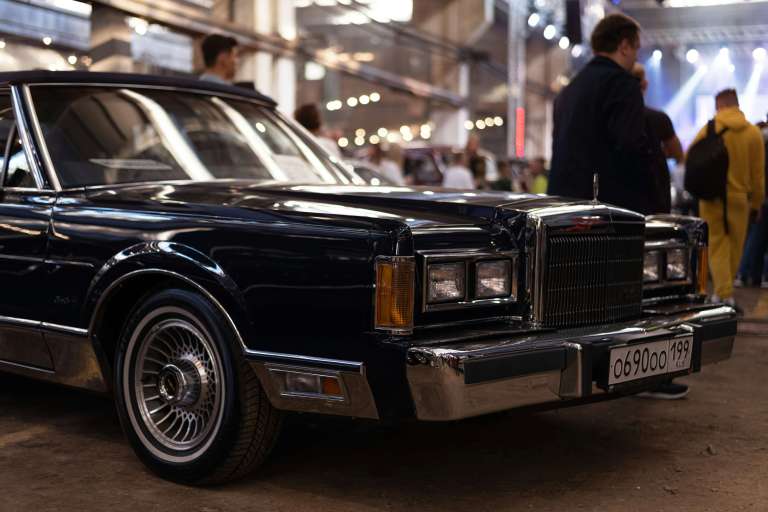
Lincoln Continental

Cars and quiet obsessions

Ok, lemme tell you a secret

For the past few weeks, I’ve been locked in on a very specific type of cars

Not in a “I know every spec sheet and engine code” kinda way. I’m not that guy. My comfort flicks are still the early The Fast and the Furious runs and Gone in 60 Seconds, but that’s where it stops

I just like nice things, and I’ve always felt like what you drive says more than people admit

I don’t want to turn this into a list, but my all-time will probably always be the Lincoln Continental 1975. That car does something to me. The lines, the presence, the way it just sits there like it owns the street. insane aesthetic and aura.

Completely out of reach for me right now though. wrong continent, wrong timing, wrong everything

But recently, another beaut’ hit my radar and I simply can’t stop thinking about it

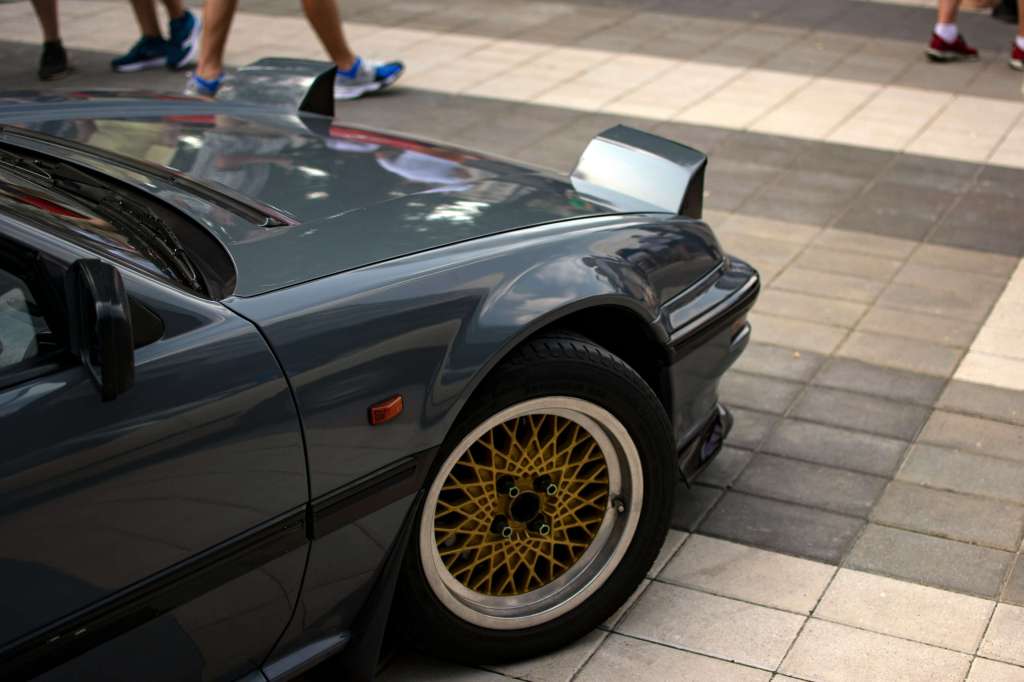
I’ve been obsessing over the Honda Prelude, 1g and 2g (1st and 2nd gen). late 80s, early 90s.

Is it the popup headlights? Nah, I mean yes but it’s also the straight lines and velvet seats! My God it’s beautiful!

I’ve always hated new cars. they all look inflated, rounded, like they’ve been softened too much. Plastic everywhere, style nowhere. No edges, no character. just… safe shapes

Squares will always win for me, and the Prelude is just that. Clean, boxy, straight to the point

I catch myself thinking about it more than I like to admit, like actually planning around it.

If my finances line up in the next few months, I might just go for it.

Those types of rides are perfect to cruise around, or just stand next to and be.

Old Japanese cars are special. They carry so much presence it’s crazy. It’s almost if they can speak. Looking at them makes me feel nostalgic. It’s not tied to a specific memory, more like a feeling. calm, quiet, almost grounding. I can’t really explain it properly, but I want to feel that as much as possible

I like it when objects are cool without trying, if I can say it like that.

I’ve been thinking about shifting my style a bit for a while, and it feels like the most natural place to start is nice ride. Something old, something solid, something that just works

Idk

Maybe it’s a phase

We’ll see

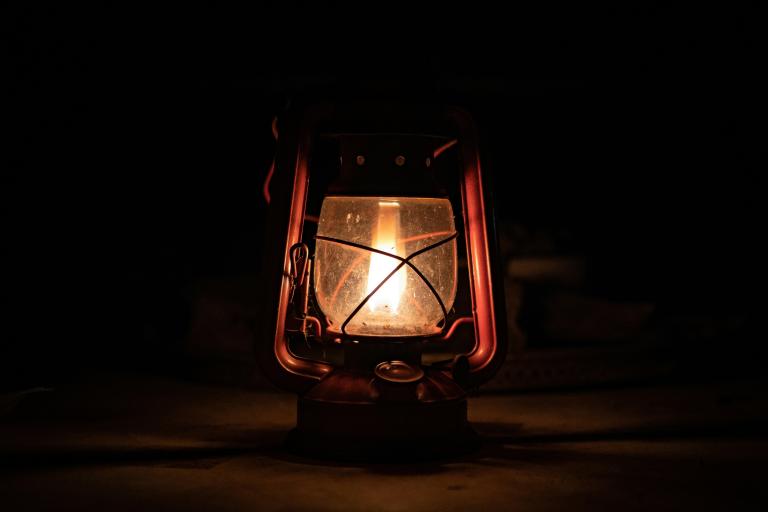
Lantern by teekay

Note from a sleepless night

For the first time in a while, I genuinely can’t sleep  

My whole body hurts, in a good way 🙂

Legs super heavy, ankle kinda messed up, toes on my left foot hurt (got stepped on twice in football practice today), ribcage from that knock Friday, plus some hamstring and inner thigh pain.

What I wouldn’t give for a massage right now  

Anyway, I stopped making blog entries like this for a while. No one really wants to read this kinda thing anymore, amirite?

People would rather hear someone yap on video, I get it  

Still, I miss this

And I miss old school blogs in general  

Plus, reading just hits different, you build everything in your head and it feels way more personal and real

I’ve actually read way more this year than I have in the last five combined

I mean books

I’m a big reader overall, I just don’t read books like that, I go on Medium and read random blogs instead

I don’t really do personal stories though, which is probably why I don’t write these either, but I still think there’s a world for it

Even if there aren’t that many people left reading this kind of stuff

I miss Tumblr, I used to spend hours on there  

So many interesting people, so many stories  

And most of them just wrote like this, no structure, no formatting, just thoughts  

There’s comfort in being natural, it makes everything feel more intimate  

I’m rambling  

Pain’s keeping me up, so maybe I’ll just watch Better Call Saul, eat some peanut butter with a couple bananas and wait for the sun

Nights like this I usually don’t sleep until the next evening anyway

Peace and blessing

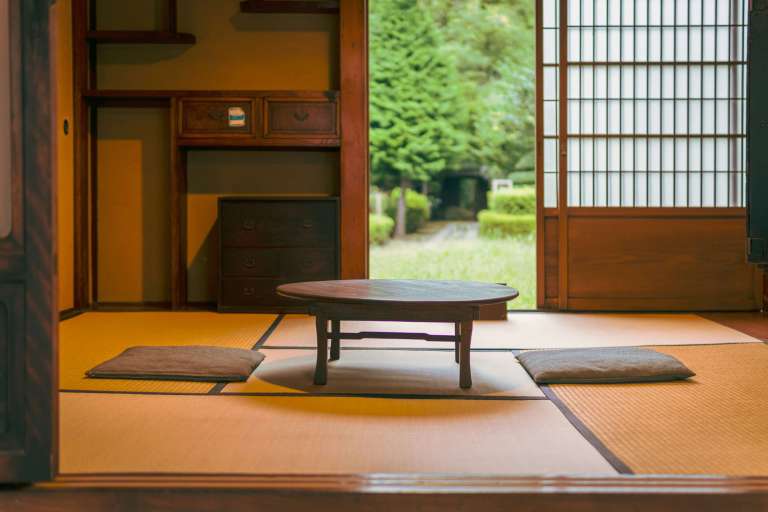
Minimalism by Teekay RM

The day I let everything go

Forty bags in one day.

Toddlers throw things away before we teach them to keep them. Psychologists say it’s how they test limits and watch how adults respond.

But maybe there’s something simpler underneath. What if it’s just our nature? What if we aren’t made to hold on so tightly? Maybe accumulation isn’t what we’re wired for?

I remember the moment clearly. I looked around my old place at everything I owned, and it hit me all at once. Too much. Not just cluttered, overwhelming. It made me anxious just standing there. Every object felt like it was pressing in on me.

That’s when it clicked. Not later, not gradually. Right there.

I didn’t ease into minimalism. I snapped into it. That same day, I gave away around forty bags of clothes, shoes and random things I’d been holding onto for years! No slow process, no back and forth. Just done.

The van came later, and while it didn’t start the shift, it definitely amplified it. When everything you own has to fit into a small space, there’s no room for hesitation. You see things clearly, fast.

After that, I started to understand what had been bothering me. Every object I owned was asking something from me. Care, attention, energy. Shoes, clothes, gadgets, books, even the way I ate and what I wore, all of it took a piece. I hadn’t seen it before, then suddenly I couldn’t unsee it anymore. Everything I kept added pressure, stress.

We grow up hearing that more is better. Keep, buy, own. Security becomes something you can hold. Status becomes something you can show. Identity gets tied to what you wear and what you display. It works, that’s the problem. You follow it without thinking, and slowly you drift. The weight isn’t just objects. It’s habits, routines, expectations, distractions. The more you carry, the harder it is to notice yourself.

Minimalism didn’t feel like loss. It felt like breathing again. The less I had, the more I could see what mattered. I started noticing how much energy I’d been giving to things that gave nothing back. How little space I’d left for thinking, for feeling, for just being. The clutter in my space started to mirror the clutter in my head, and I began clearing both.

And it’s not just physical. Life fills up with noise just as easily. Social media, notifications, obligations, habits that don’t fit. It all accumulates. The weight isn’t just what you own, it’s what you let in. What you absorb, what you feel responsible for. Minimalism became less about things and more about attention. Choosing what deserves a place in my life.

Sometimes I watch a toddler drop a toy and move on without a second thought, and it feels familiar. That ease. That lack of hesitation. They don’t think about cost or judgment. They just let go. There’s something honest in that.

I’ve felt it in my own life. Each time I let something go, space opens. My thoughts get quieter. Focus comes back. Energy returns. Underneath all the noise and habits, there’s something steady that was always there. I just couldn’t hear it before.

Peace isn’t in having more. It’s in needing less. In not being weighed down by things, habits, or the constant pull for more. We’re meant to move lighter, to drop what we don’t need and keep what matters. Toddlers know it, and we forgot.

Minimalism isn’t about aesthetics or rules. It’s a return to attention to self.

Less, so you can carry yourself fully. Less, so you can notice life as it is. Less, so you can remember who you are without all the extra weight.

Thanks for reading.

Teekay
Atlantic, by Teekay Rezeau-Merah

Life is a beautiful mystery

People are oddly mesmerizing.

Sometimes I catch glimpses of conversations, some are deep, others shallow. Both fascinate me. How humans think and function, how they make their own choices, and sometimes, how they lie to themselves.

I like watching people walk together. I can’t help but think of our ancestors, how they moved in groups, hunter-gatherers, until wheat domesticated us (not the other way around). I wish we could go back.

It’s funny how a child’s walking style often matches a parent’s gait, or how the way someone sits says so much about them.

I get stuck watching clothes spin in the dryer. I don’t wear a lot of black (or any, really), so it’s like a rainbow in there. It always reminds me of this Senegalese myth from Ashura Day, where a rainbow means the Prophet’s (PBUH) daughter is doing her laundry. It’s funny, in a sweet way.

Oral traditions must be protected at all costs.

I love the bees and butterflies that hang around when we’re outside. It’s so peaceful.

Fire is mesmerizing. I’ve always been fascinated by it, so much so that, when I was little, one of my experiments went wrong and set my bedroom on fire. Oops! I love bonfires, fireplaces, candles. I used to burn incense just to watch the smoke. I’m also strangely drawn to steam, idk why.

Most people hate spiders. I love them. They really are special, nature’s elite.

Growing things makes no sense. How can a seed feed me with the most beautiful fruit or vegetable in no time? Just soil, water and sun? Endless abundance. Nature is incredible.

The world is full of magic. The stars, clouds, moving patterns, waves, the wind.

Pain is strange. It’s an immediate physical response, but if you think about it, step outside of it, it becomes something else. Just neuroreceptors sending signals. The whole process is wild. I dread pain. It reminds me of death, like it’s the final step before we go.

Skin is interesting. It’s the largest organ we have, yet we treat it like it’s nothing. I’m always amazed when it heals itself, like how? When I was a baby, I had second-degree burns on my face and third-degree burns on my chest. I went blind for a few days. I think about miracles a lot. We abuse our skin constantly, yet it keeps repairing itself.

Languages are mesmerizing. I think about them often. I compare languages in my head and try to understand those who invented them. Again, I think about our ancestors. How did they communicate? What was their humor like? What did they find funny? Did they understand death quickly? How did they distinguish little death (sleep) from big death?

I love the expression “life as we know it”. It plays in my head quite often. My personalities are different in different languages, I think most polyglots can relate.

Life is a beautiful mystery. One day you’re here…

Anyway, thank you for stopping by.

Peace!

Teekay

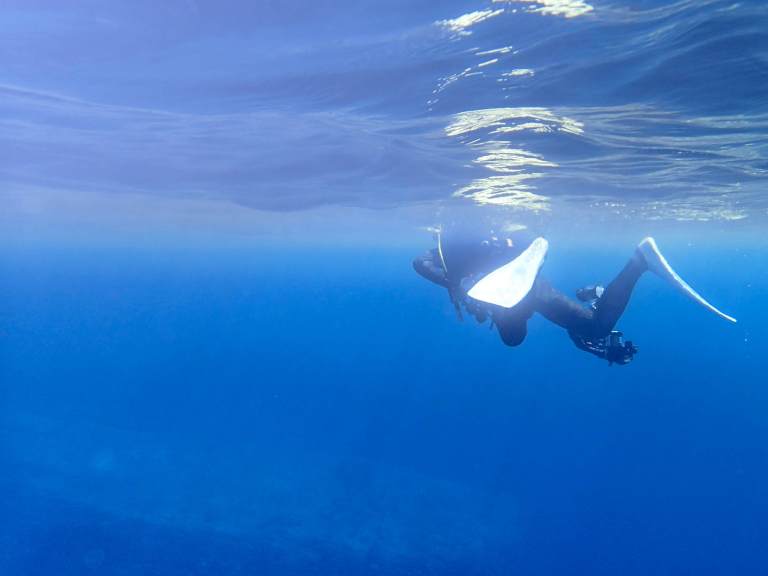
Teekay scuba diving

How I got into scuba diving despite the odds

It’s been bumpy.

In September 2024, after touring Europe for 9 months, I realized I needed a new challenge. I had no routine back then, but I was itching for something that would push me out of my comfort zone. I hesitated between picking up rollerblading again, something familiar and nostalgic, or diving into something completely new.

As someone captivated by the ocean and its many mysteries, I started thinking why not do something with that? That’s how I got into scuba diving.

Now, I knew absolutely nothing about scuba diving. I’d snorkeled a million times before, sure, but as I quickly learned, scuba is a different beast altogether.

There was one small problem, though: I was only going to be around for a couple of weeks before heading off on a another road trip through Belgium, the Netherlands, Germany, and Luxembourg, before eventually visiting friends in Strasbourg and Romans. Not exactly the ideal time to start something new.

Still, I called the local dive club and got through to P. I think he’s the president, though I’m not entirely sure. What I do know is that he’s an experienced instructor and sounded like a genuinely nice guy. I told him I’d have to disappear for a couple of months after my first session, and he just said, “No problem. We’ll pick it up from there when you’re back in December.” That put me at ease.

Before leaving, I squeezed in my first-ever scuba dive in the pool, and let’s just say it didn’t go smoothly.

At barely two meters deep, the pressure was too much for my ears. We had to resurface twice before I could finally stay down. I was tense, bloated, and extremely uncomfortable, definitely not my finest hour. I left with more doubts than confidence. But I had two months to reflect, refocus, and maybe strengthen my Eustachian tube.

When I came back in December, I jumped right back in. The group had changed, most of the other “newbies” weren’t so new anymore, and they all seemed to know each other pretty well. I didn’t mind. P was there and made sure I was comfortable. Besides, I’ve always been a bit of an outsider anyway.

So, the second session? A total game changer. Thanks to the dryland workouts P had recommended, I was way more relaxed, and my ears cooperated this time. I actually enjoyed myself. It was the confidence boost I needed.

But not so fast.

Session three was a swim session. And here’s something I may have mentioned on this blog before: I’ve always wanted to learn how to swim properly, but never got around to it. Growing up by the sea, I swam “freestyle” almost every summer. My dad first threw me in the water at age 5. He’s always been a strong swimmer but me? Not so much. Or not at all!

So during that swim session, the lack of technique finally caught up with me. Everyone else swam like they knew what they were doing. I felt like I was flailing.

When I remember the most from that session was that the instructor on duty that day wasn’t exactly kind about it. However, another one quietly pulled me aside, explained what I was doing wrong, and gave me tips on how to improve. That five-minute exchange was all I needed.

Then came the sting.

At the end of the session, I overheard some instructors talking to P, my “supervisor.” Let’s just say that they were extremely harsh. I knew that I wasn’t ready, that I could barely float, that I couldn’t swim, but the stuff and the way they said it was just mean. But in hindsight, that moment made me push through to prove them wrong. I had no doubt that I would improve. Talk is cheap.

Right after that incident, I started taking proper swimming lessons outside of scuba. I practiced every chance I got. Little by little, things started clicking.

Weeks went by. My scuba technique improved. I got more confident in the water. I stopped feeling like I was just surviving and started actually enjoying it.

And just this past weekend, I went on my first dive in nature.

It was amazing.

Sure, I lost my weight belt (50 bucks gone in a splash) but I didn’t care. The dive itself was beautiful. I was paired with G, a quiet guy who knows his stuff. Not a chatterbox, but full of good advice. I also really like E, another club member. Super chill and probably the nicest guy there, even though I don’t see him often.

Now summer is right around the corner. In a few weeks, we have a diving weekend coming up, and I can’t wait. I’m close to getting my first-level certification. It’s been tough, my technique was abysmal when I started, but I’ve grown a lot. I’m feeling more comfortable, more daring.

My instructors helped me a lot. But I’m also proud of the work I put in. I earned this progress.

Will I continue next year? I think so. I want to see where this journey goes.

We’ll see what happens once the season ends.

Thanks for reading!

Teekay
Unapologetically Ourselves

A journey of cultural pride.

As a POC (Person of Color) and someone of mixed heritage, I grew up in a world where my hair was often a topic of conversation.

I’m not alone in this.

In fact, Black hair has been a topic of conversation for centuries, and remains a crucial aspect of the Black community worldwide (including all people of African ancestry) to this day.

In my case, and unlike some of my other traits, my hair is 100% African.

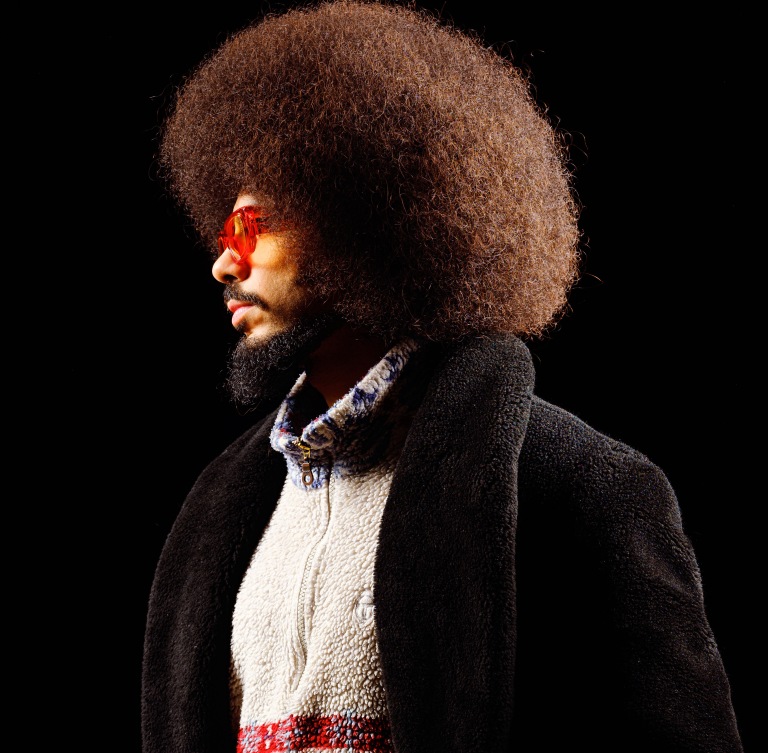
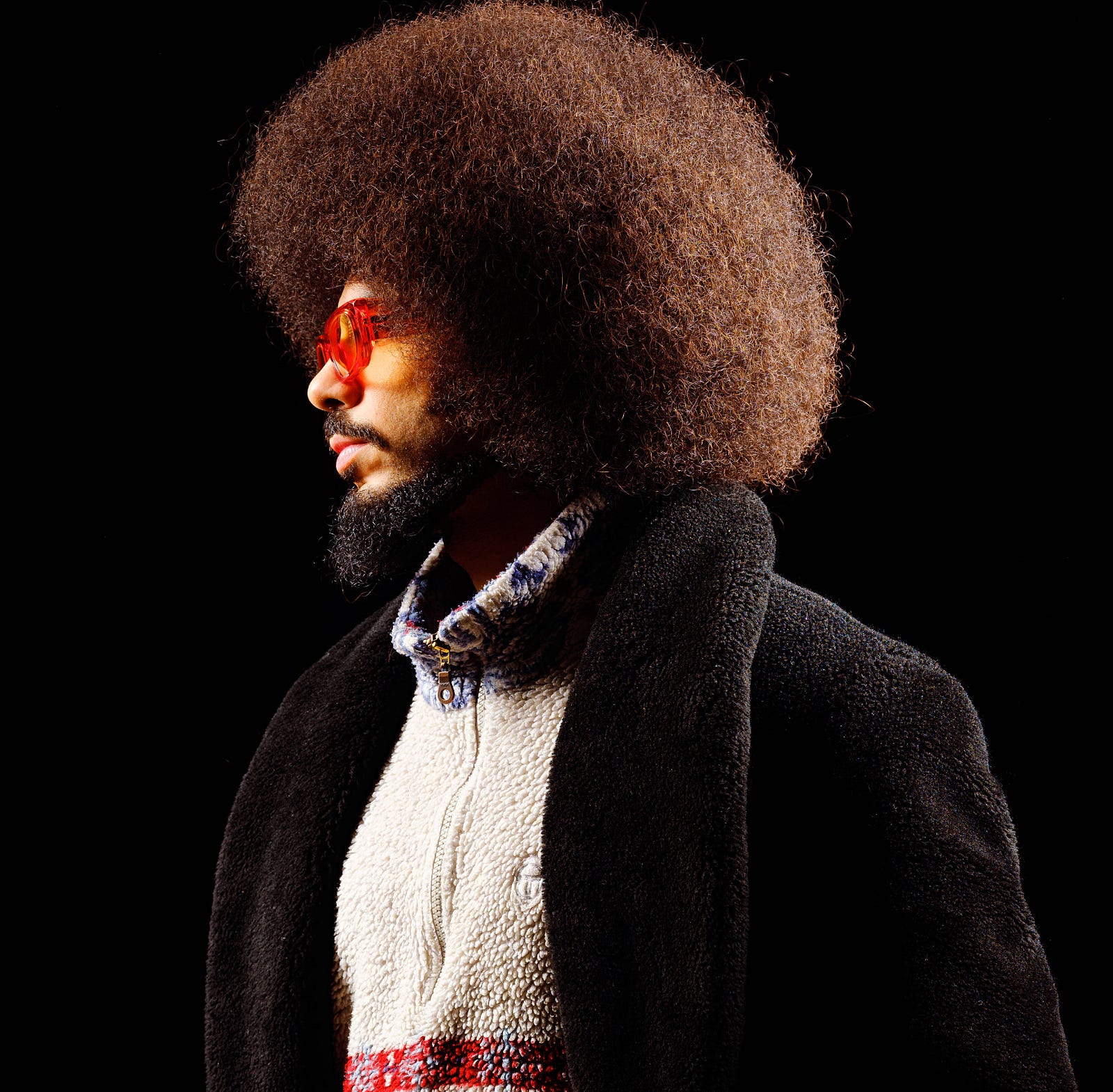
Picture of the author, Teekay Rezeau-Merah, MSc

The odd, yet completely understandable thing about “nappy” hair (which used to be the derogatory term for Black hair) is that most POC hate it. This is the result of centuries of racism, minority bashing and discrimination.

The way Black people wear their hair speaks volumes about their identity and their place in society.
Take the 70s, for example. 

The Afro’s rise in popularity during the Black Power movement of the 60s and 70s was a time of great cultural change. This era was a turning point for many Blacks in America. 

As such, Black people had finally started reclaiming their African heritage and embracing their natural looks. The Afro became a symbol of pride and revolution for Black people worldwide.

But wearing it in 2023 feels different.

It’s funny because every time I go out, someone stops me to comment on my hair. And when I say every time, I mean literally, not figuratively. 

Older folks usually tell me it reminds them of the old days, while younger folks often see it as a fashion statement and a celebration of my authentic self.

I don’t mind either.

But of course, that’s just a part of it. 

The reality is, many people simply stare, judgmentally.

The thing about our whitewashed world is that western beauty standards have long emphasized straight, silky hair as the ideal, and anything outside of that norm is seen as unconventional or even unprofessional.

These deeply ingrained societal norms — norms that have historically oppressed Black and brown people and perpetuated negative stereotypes about Black hair — are hard to break away from.

As a result, people stare because they’re not accustomed to seeing natural Black hair, particularly in environments like the workplace or formal settings.

I’m here to change that, sort of.

My ‘fro is empowering in many ways.

Lots of Black and mixed kids look genuinely happy to see me. 99% of them wave at me, stop me, ask me questions. They want the same hair, and their parents usually look just as happy with the idea. Seeing someone else with their afro shows them that it can be done.

That’s the power of representation. 

But it’s not just kids. Parents are usually just as eager to talk to me.

One time, a random guy stopped me in the street to ask me how long it took me to grow it out, and whether it was challenging to navigate everyday life with an Afro (especially in Europe). Funny thing is, it wasn’t even for him, he was just considering the idea for his little kid. The conversation lasted for 15 minutes.

My Afro’s other purpose is that of a celebration.

It’s a form of self-expression and self-love. Through it, I celebrate my cultural heritage, my ancestry and myself. It’s a part of my identity, and it feels amazing.

But with all that being said, make no mistake, this big ball of hair is also a symbol of defiance. In fact, it represents a rejection of the Western standards of beauty, standards that have been imposed on the world for centuries.

To my pigmented readers, kindly use this piece as a reminder that your hair is amazing, and I wholeheartedly encourage you to embrace it.

For those of you who straighten their hair or wear wigs to hide their natural beauty, you know this is a manifestation of internalized racism and self-hate. You know it.

This form of self-hate has been a coping mechanism for Black and brown people around the world, I get it, but it’s got to stop.

This mentality only perpetuates the negative stereotypes and ideals that have historically oppressed us, so it’s on us to break away from them, once and for all.

We owe it to ourselves and future generations to fight this negative self-image by challenging societal norms. Ain’t nothing wrong with embracing your looks proudly and unapologetically, nothing!

To my caucasian friends, you’re reading this for a reason. Keep being the allies that you’ve always been. Keep pushing for social justice. I appreciate you more than you know.

Thanks for reading.

If you wish to read similar articles and support my work, follow me and subscribe to my newsletter.

I write about my travel adventures, essentialism, health, slow living, environmental solutions and more.

Till next time !

Peace.

Tee.

30 Stories on Medium in 30 days

2023 is the year I decided to take writing seriously again.

Not just whenever inspiration strikes, but consistently.

My goal is simple: publish multiple stories every week until December 31st.

So far, I’ve published 31 stories, and February isn’t even over. I also have more than 120 drafts waiting in my notes, which gives me enough ideas to keep going for quite some time.

Why make this commitment publicly?

Because writing has always been one of the most meaningful ways for me to share ideas. Whether I’m writing about minimalism, van life, health, travel or the environment, I want my work to leave people with more than just another story. I want every article to offer a new perspective, ask a better question or encourage someone to rethink the way they live.

I’ve also made a conscious decision to focus on evergreen content.

The internet is full of articles built around today’s headlines and tomorrow’s forgotten trends. I’d rather write essays that someone can discover years from now and still find useful.

That’s the kind of work I want to create.

Some of these articles are inspired by my own experiences, but I never want them to stop there. My goal is to use those experiences to explore broader ideas about consumerism, intentional living, exploration, health and the choices we make every day.

This challenge isn’t about publishing as much as possible.

It’s about building a habit.

Writing consistently forces me to think more clearly, communicate better and continuously improve my craft. Whether one person reads an article or one thousand, every piece is another step toward becoming a better writer.

If you’d like to follow the journey, you can find my latest essays on Medium. I hope some of them make you see the world a little differently.

Thanks for reading.

Teekay.

International vegan dishes we love (with pictures)

I’ve only been vegan for 4 years.

I wasn’t born vegan, nor was I a chef in another life.

Quite the opposite, actually.

For several reasons, I only learned how to cook 3 years ago..

Yeah..

Going vegan is one of the main reasons for the switch.

Living in one of the least vegan-friendly cities in France (and Europe), I had no other choice but to learn how to “veganize” my favorite dishes, drinks and snacks.

And so I did.

But first, I called mom.

Mom used to be a chef. She gave me the best tips to get the ball rollin’, but it wasn’t enough.

So I did what anyone trying to learn anything would do: I opened YouTube, and then Instagram.

But first, let me tell you something about me (that I haven’t shared on this blog yet).

  • Blah-blah about me (that you can skip)

You see, my family and I are extremely different.

I love them to death, but we were brought up in different cultures, environments and have different characters and standards. That said, we share the same values.

My parents and siblings are somewhat conformists. They love being “normal”, fitting in, which was never my thing.

(Btw, conformism is NOT a bad thing, I’m just stating our differences ^^)

After leaving the family nest at the age of 18, I deconstructed what I was taught and took on the heavy – but necessary – task to relearn everything on my own.

It’s one of the things I’m most proud of, tbh.

I’ve always dreamed and hoped for a life that fits me and my standards, not that of my family, certainly not that of society.

It was a long, tiring process. Conforming and acting in accordance to what you were told would’ve been much easier, but costly.

  • Authenticity is priceless

Deconstructing your beliefs and rebuilding your character are the most rewarding things you can do for yourself.

Doing so is one of the main reasons I hardly ever feel “lost” in life, the other reason being my faith.

That said, my parents and I share the same Polaris, that being our love of God, his prophets (PBUT) and religion.

Anyway, back to the topic at hand

  • Topic at hand

Having traveled so much wasn’t just a treat on the cultural, educational and spiritual level, it’s a privilege because we got to taste and cook foods from all over the world.

Travel is a powerful thing, fam. It introduces you to people from distinct backgrounds, cultures and habits.

The cool (and maybe my favorite) thing about people is that they all have this one thing in common: they cook, and they eat.

Inevitably, travel introduced me to foreign cuisine.

The list below serves as a reminder that veganized, international cuisine is where it’s at. These are some of my favorite mouth-watering dishes, desserts and drinks, most of which can easily be made at home.

Enjoy !

Africa:

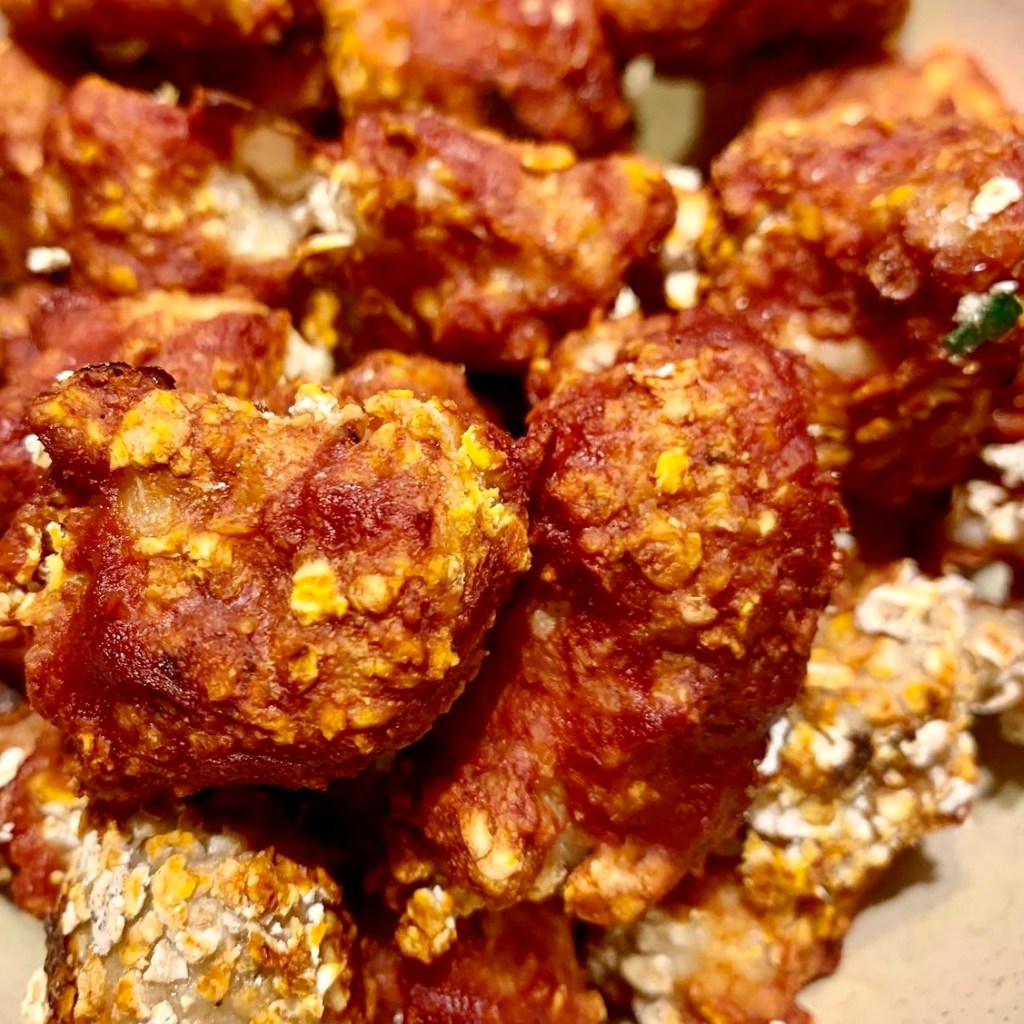
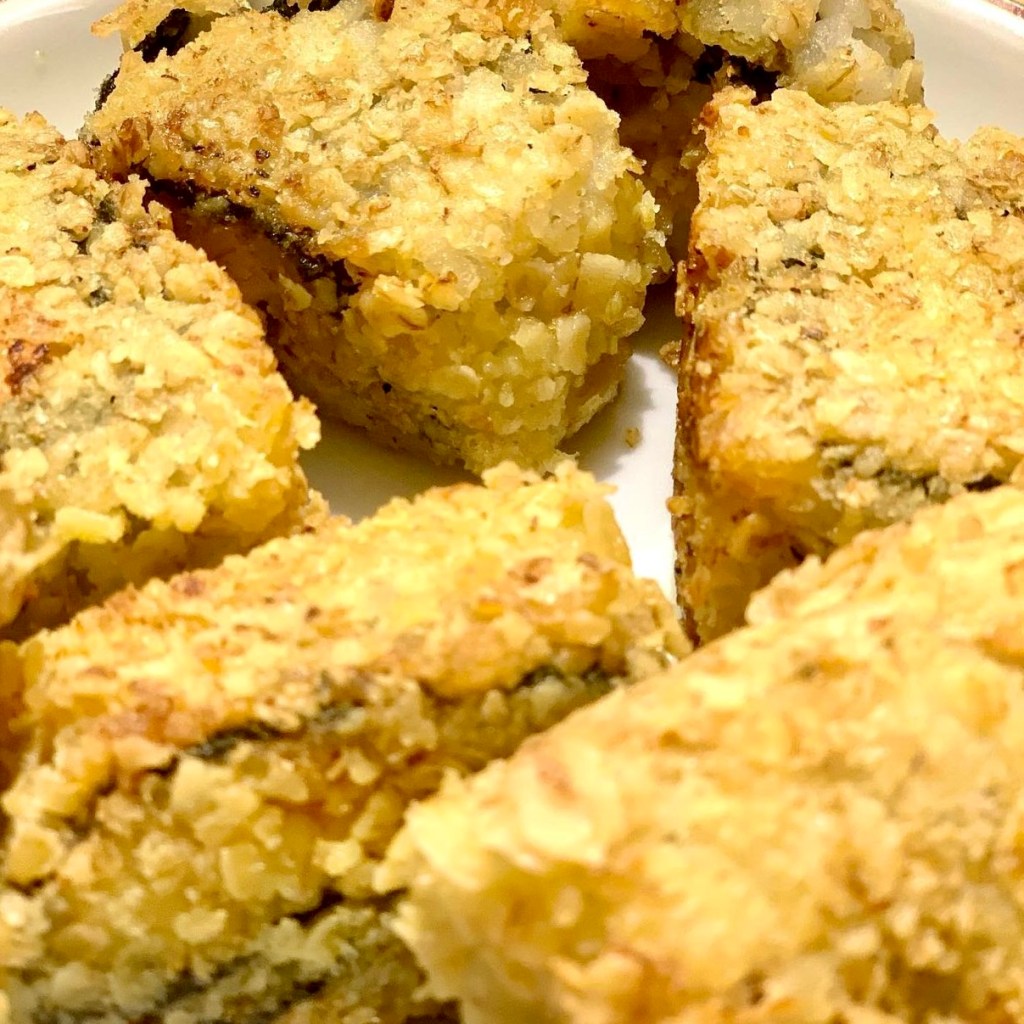
🇩🇿 Algerian boureks and bricks (north african samoussa), rechta (local noodles with a veggie sauce), couscous, dolma (stuffed veggies with vegan mince or plant-based meat), karantika (aka garantita, calentica and karantita, chickpea thick pancake) khobz el bey (cake made from almond meal and breadcrumbs, soaked in a syrup flavored with orange blossom water)

🇪🇹 Ethiopian teff and spinach lasagna, teff injera (Ethiopian crepe), zucchini wot, spinach lasagna with local teff (cereal)

🇲🇱 Malian and Western Saharan tea (the best I’ve ever had!)

🇲🇿 Mozambique pao (fresh, local bread), mucapata (mung beans, coconut milk and rice)

🇹🇬 Togolese Nougbagba with rice

🇸🇨 Seychelles plantain chips (aka chips bannann, a creole delicacy)

West African maafé with rice and veggies

West and east african Karkadi (aka Bissap, hibiscus drink)

North and South America:

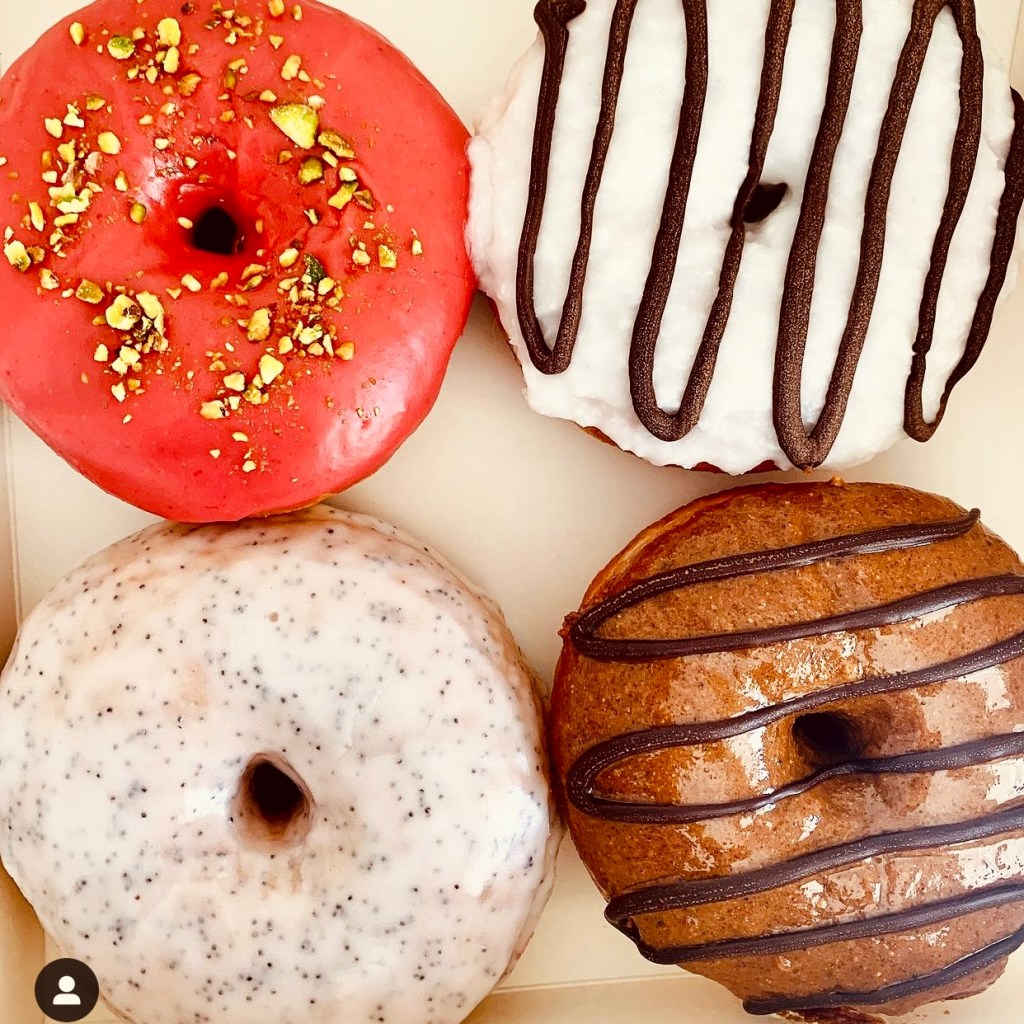
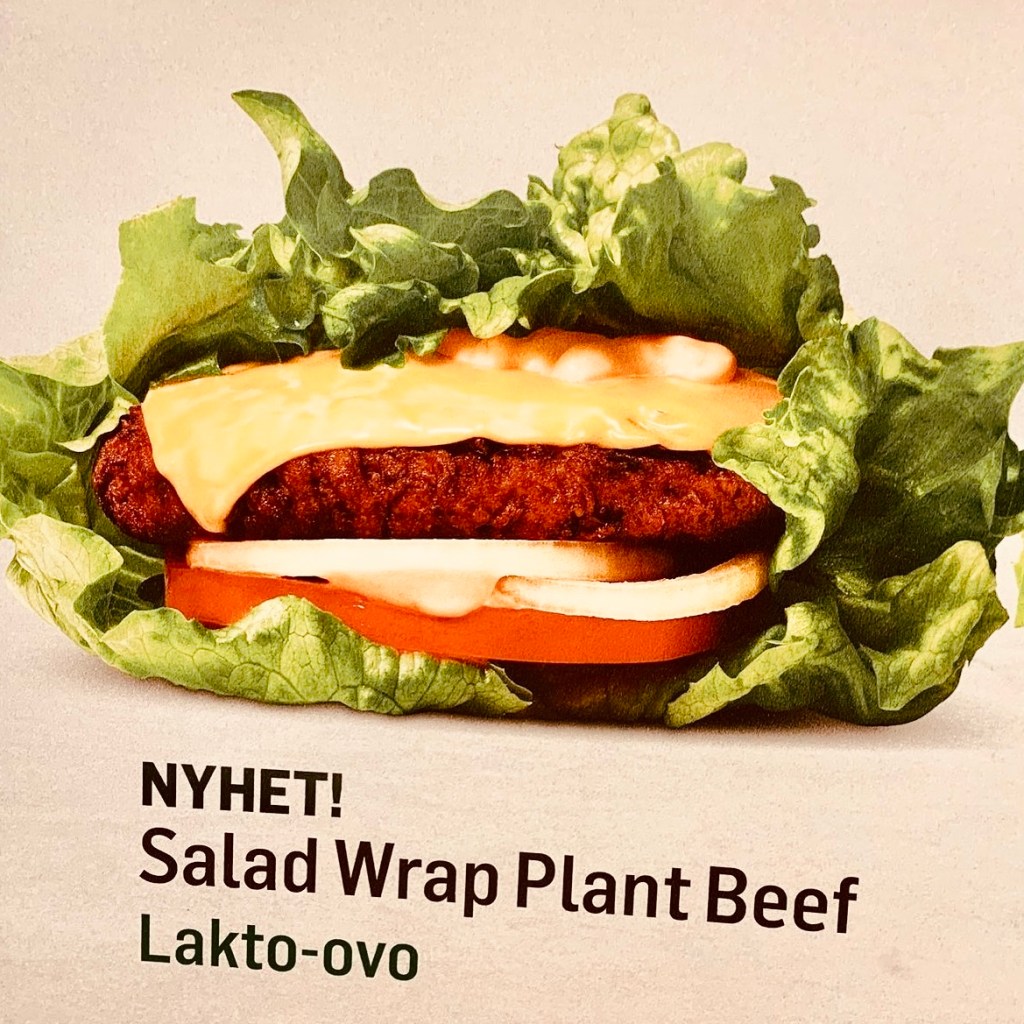
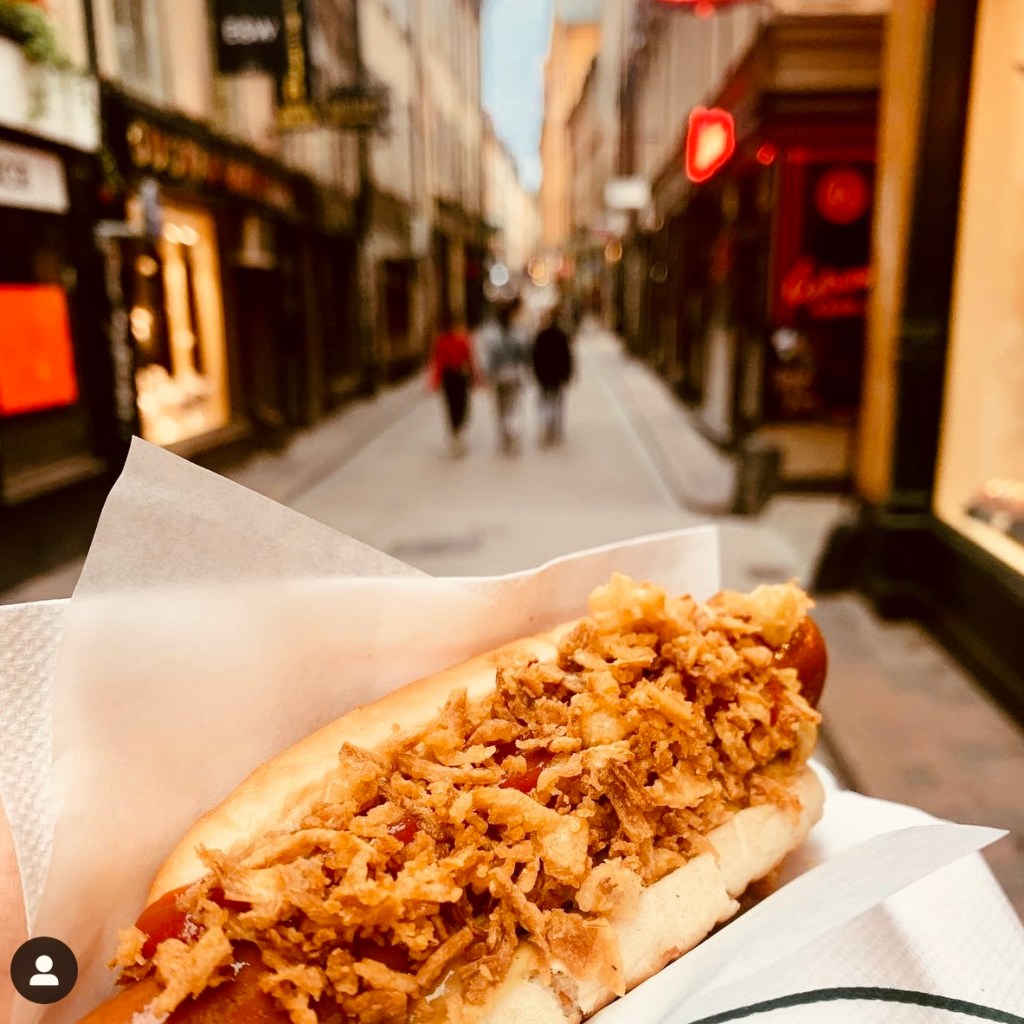
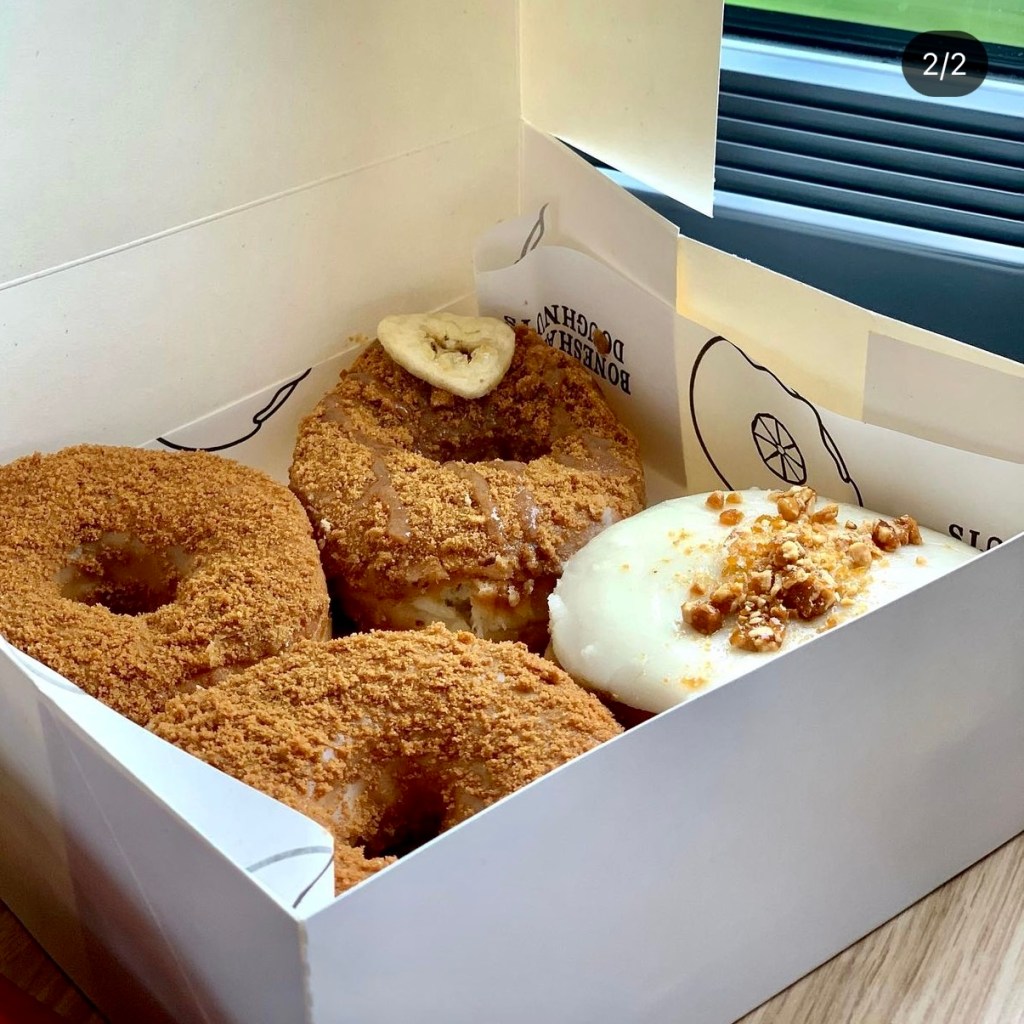
🇺🇸 American burgers, hotdogs, buffalo wings, tater tots, rainbow cake, donuts, cupcakes, layer cakes, mac n’ cheese (esp. when I was young), potato chips (yes, it’s an american invention just like ketchup), PB&J, popcorns, fried chicken similis, WHITE vegan chocolate-chip cookies, blueberry cobbler, nachos..

🇦🇷 Argentinian empanadas, bombas de papa, vegan choripan (hotdogs), chimichurri (some sort of local pesto), alfajores (heavenly stuff), medialunas (argentine croissants), argentine style pizza (triple-layered with so much vegan mozzarella and a thick crust), humita (corn and plant milk with spices and onions) and of course yerba mate

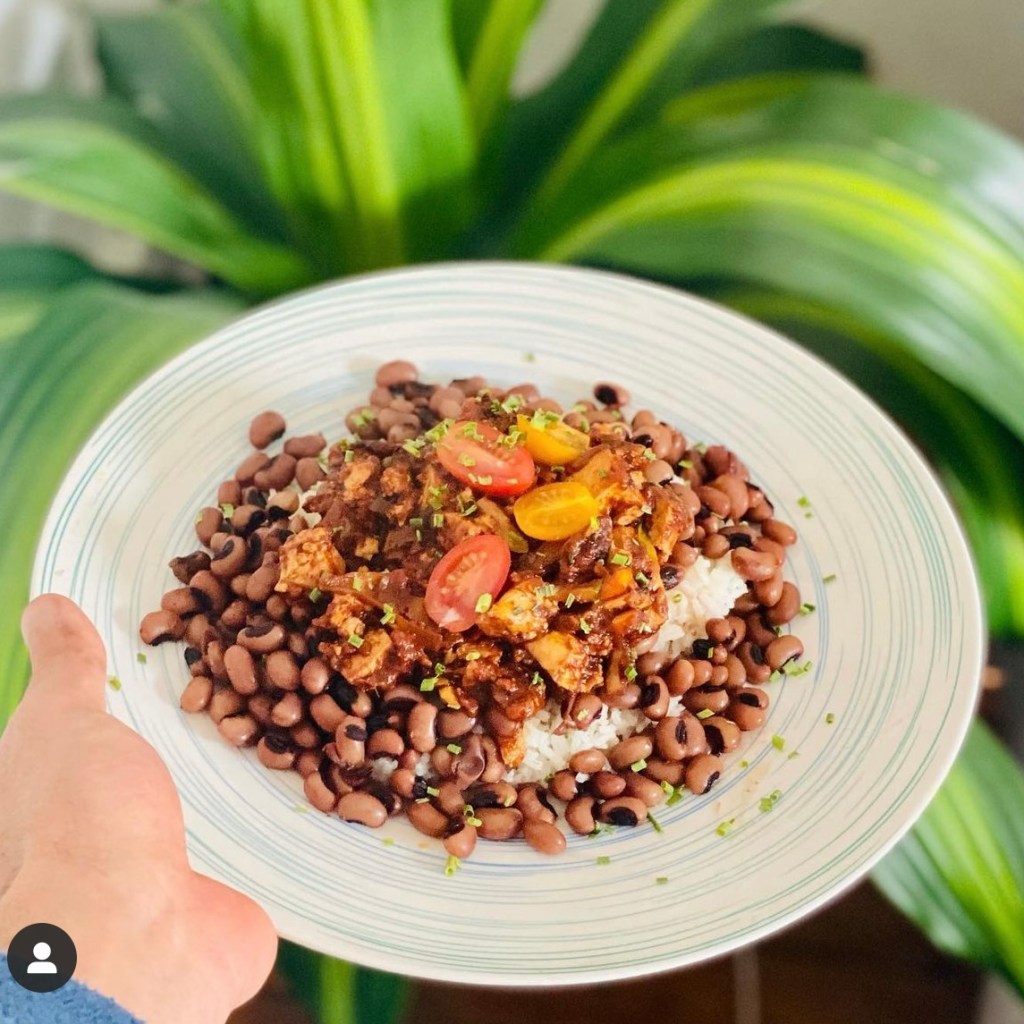
🇧🇷 Brazilian bolas de papas, pao de queijo and vegan feijoada

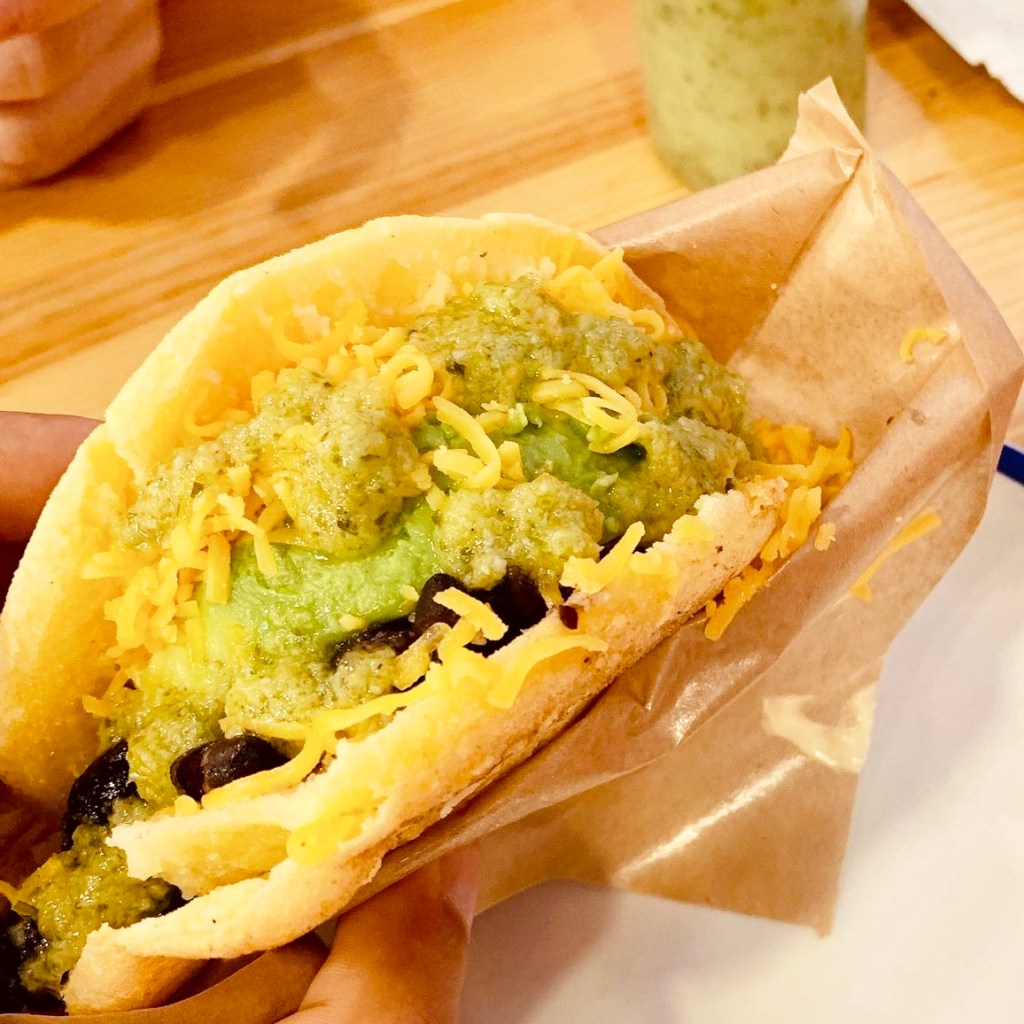
🇨🇴 Colombian arepas, lulada (local, fruity drink), obleas, cocadas (coconut sugar cookies), empanadas (you’ll find those in many south american countries tbh) and cholao (a sort of frappe, fruit salad, and dessert all in one)

Hawaiian toasts and bowls, as well as hawaiian pizza (yes, with pineapples on top)

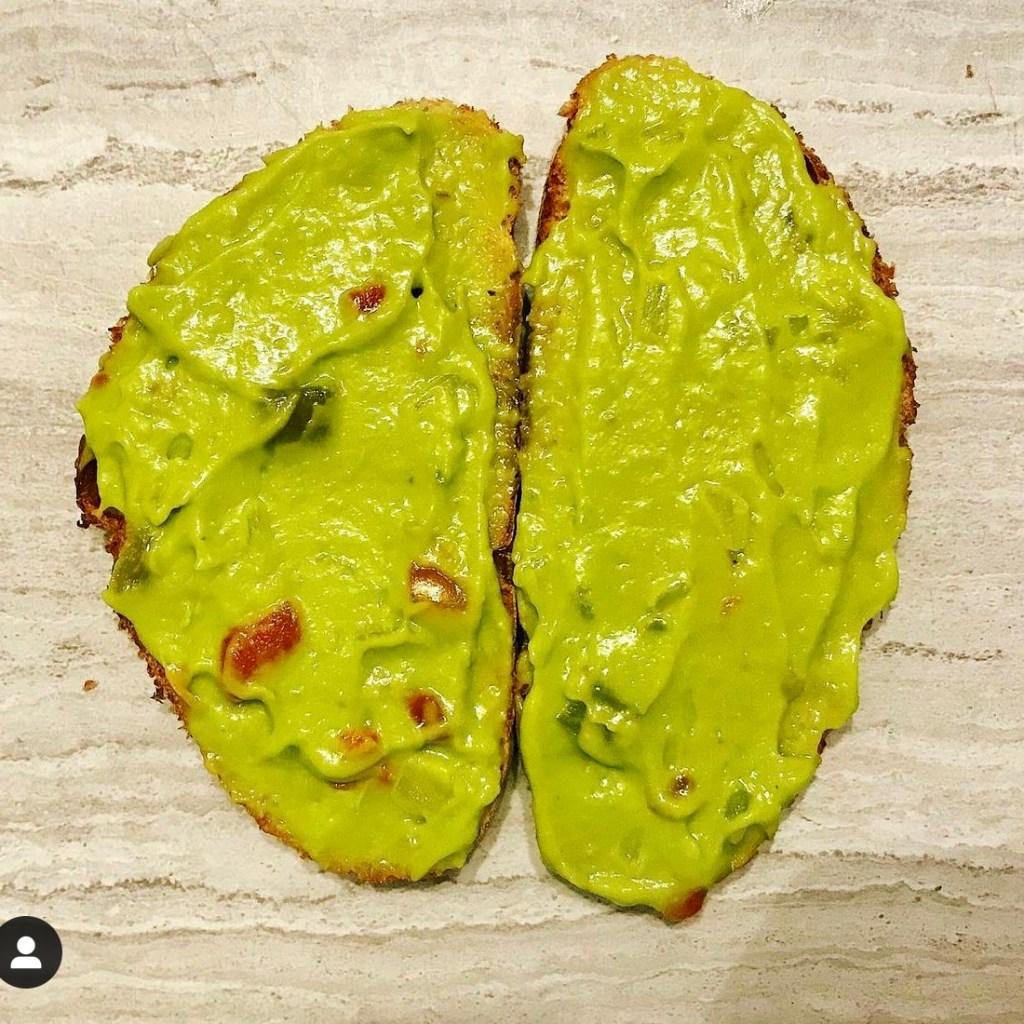
🇲🇽 Mexican burritos, tacos, tostadas, tamale breakfast bowls and jackfruit tamales, 4-layer enchilada cakes and guacamole, of course

🇻🇪 Venezuelan empanadas and arepas

Asia:

Asian noodles (of all sorts!)

🇮🇳 Indian naan and curries (veggies, curry, coconut cream and rice)

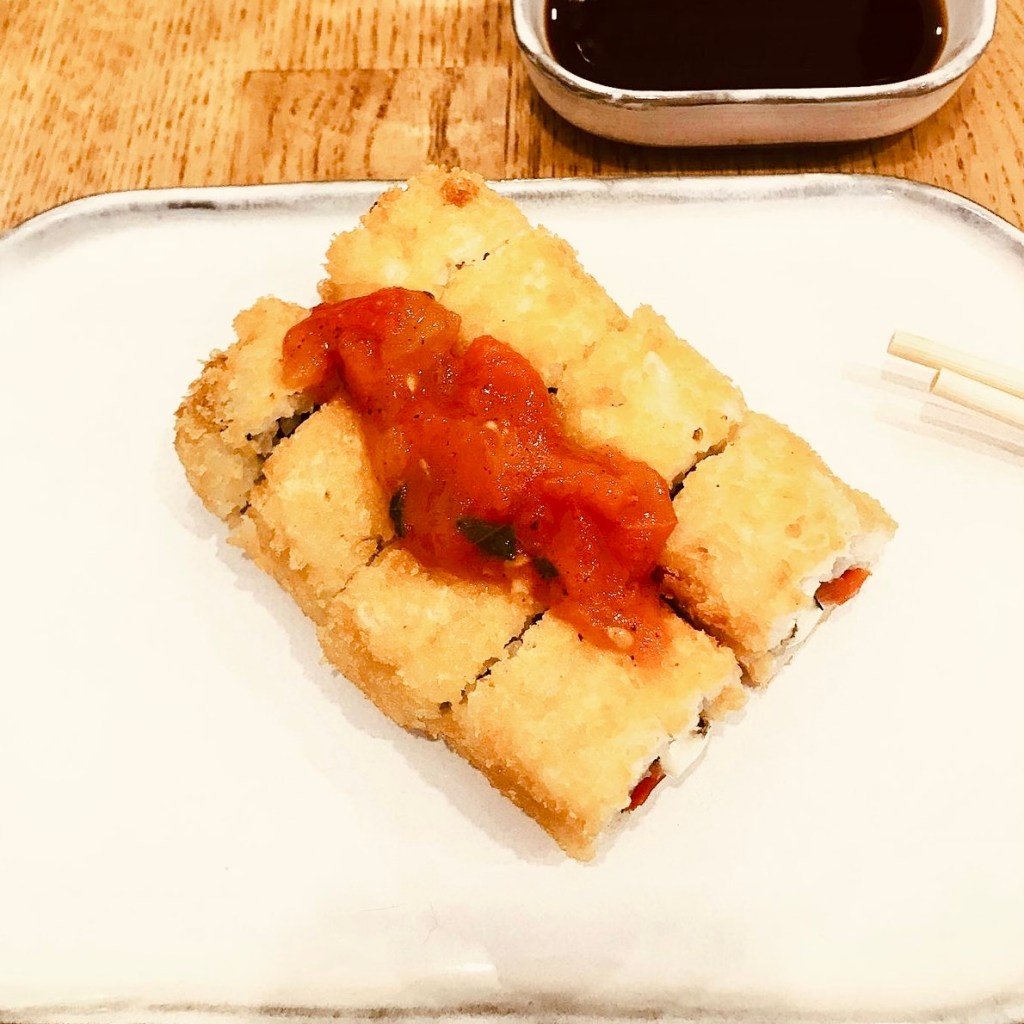
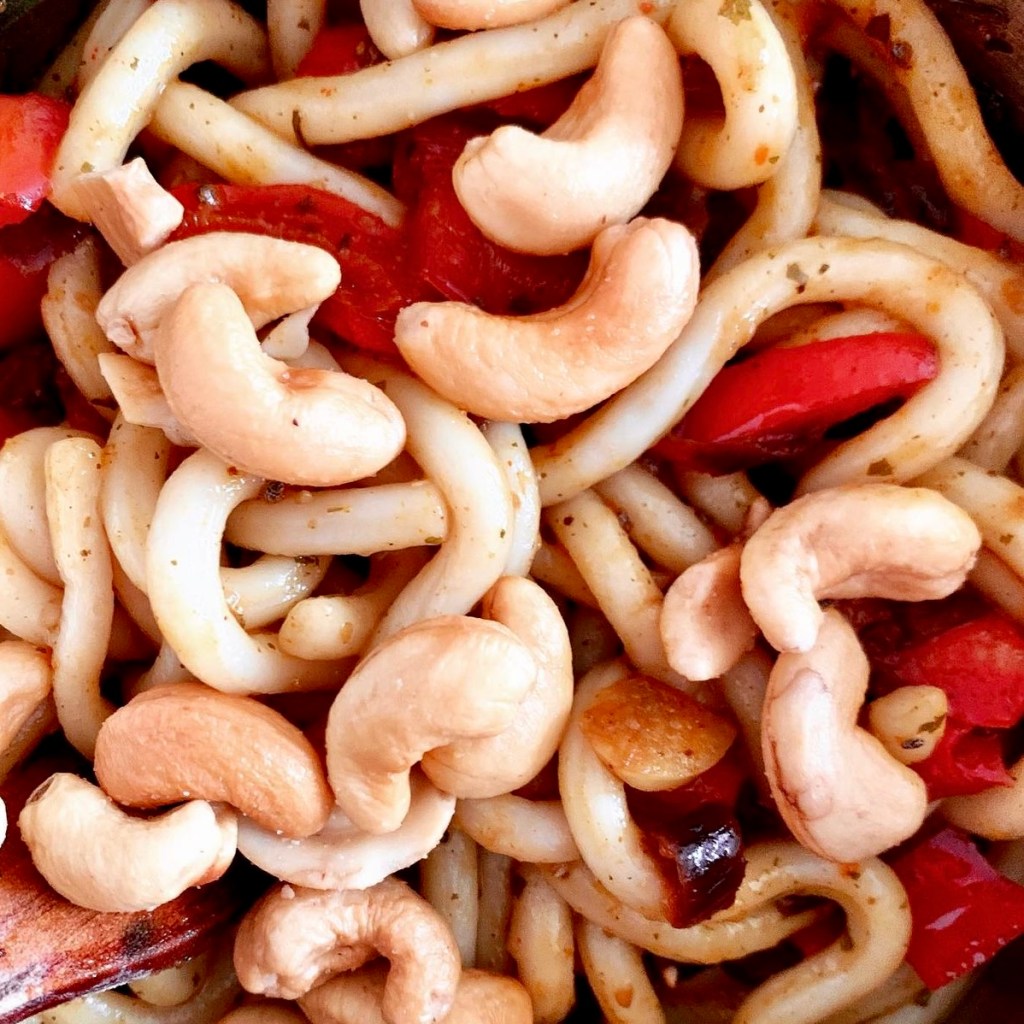
🇯🇵 Japanese: sushi rolls, mochis, crispy rolls, udon, tofu (fried) with gluey rice, veggie tempura, ramen, kashipan, miso soup (my personal fave), onigiri (rice balls with a filling), gyoza, edamame, wagashi (desserts)

🇰🇷 Korean bibimbap, Jjajangmyeon (korean thick noodles) and kimchi (I LUHV kimchi !!)

🇲🇾 Malaysian apam balik, teh tarik (pulled tea, with oat milk), barley juice, water chestnut juice, longan juice, and lychee juice (street vendors make the best litchi juice btw) – needless to say, malaysians make some of the best juices out there !

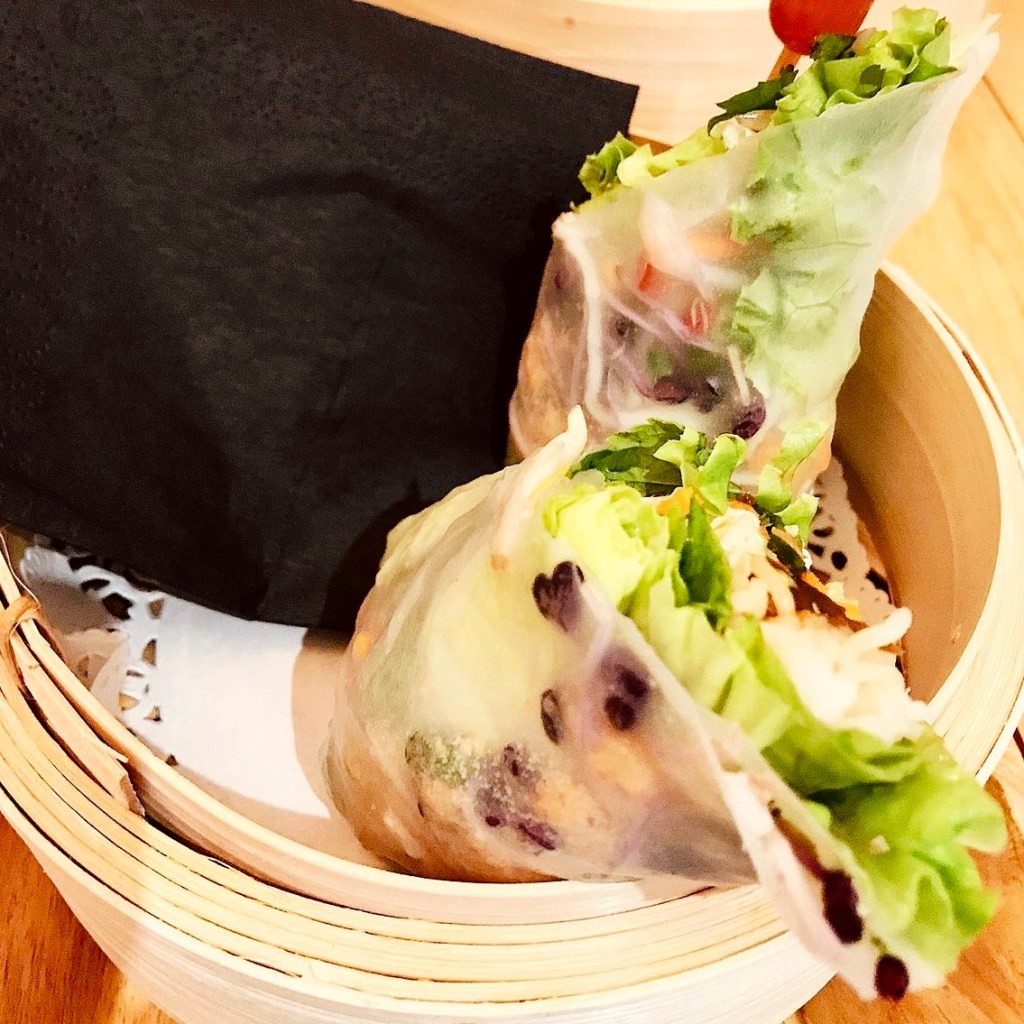
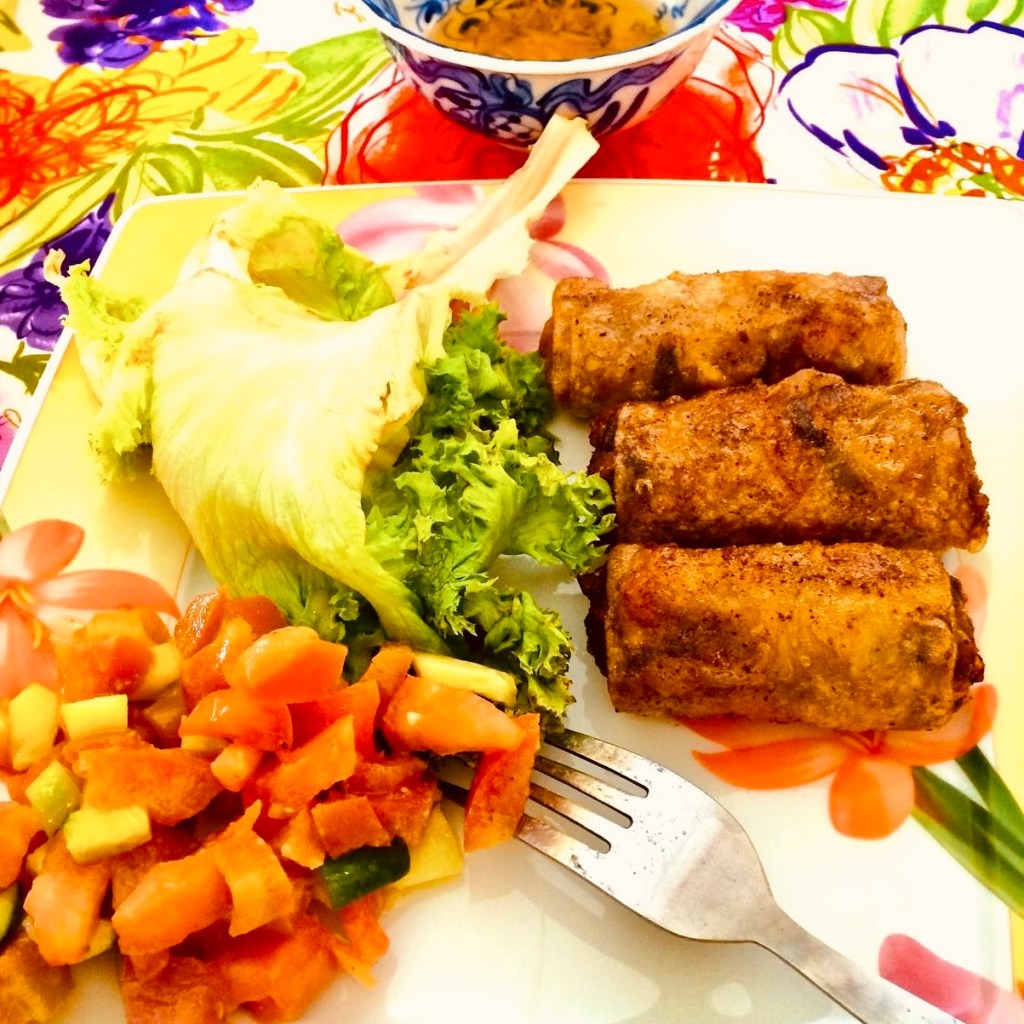
🇻🇳Vietnamese spring rolls, cauliflower and rice, soy balls

Europe:

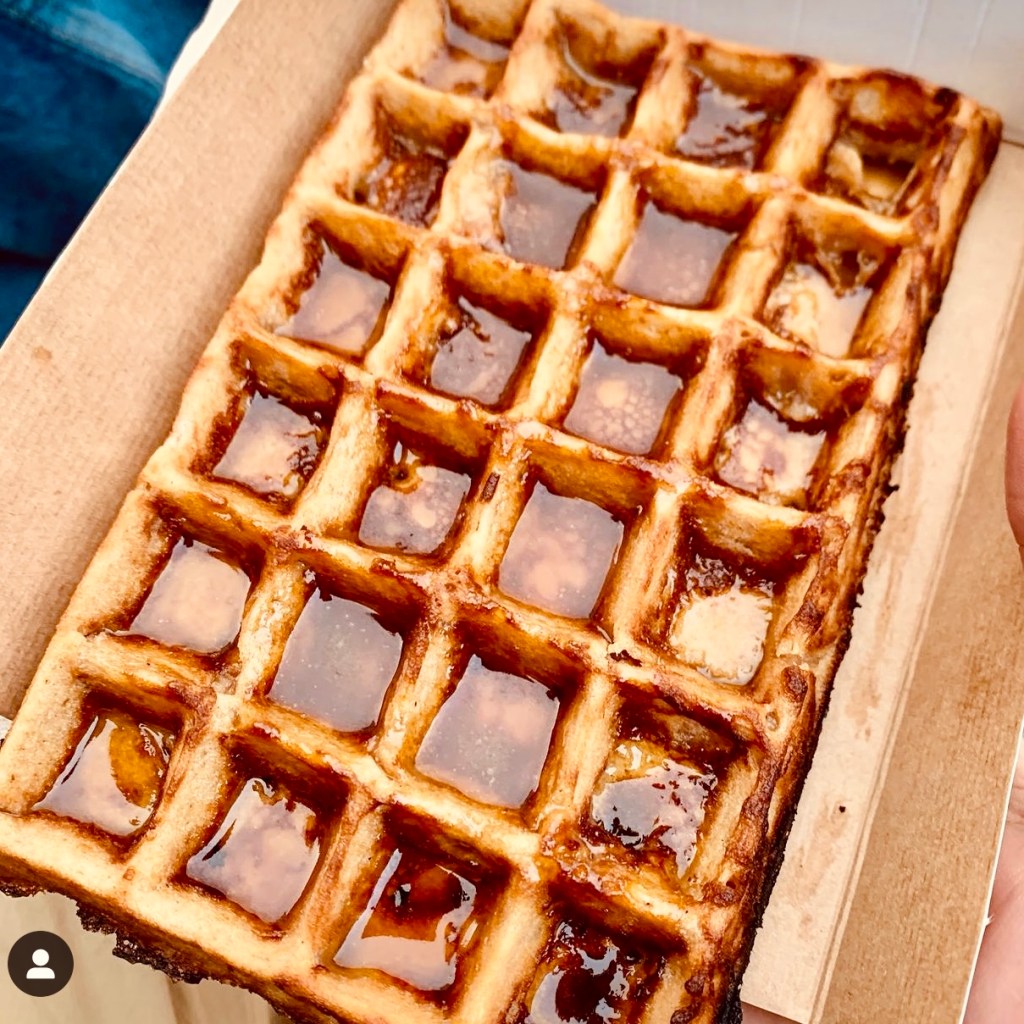
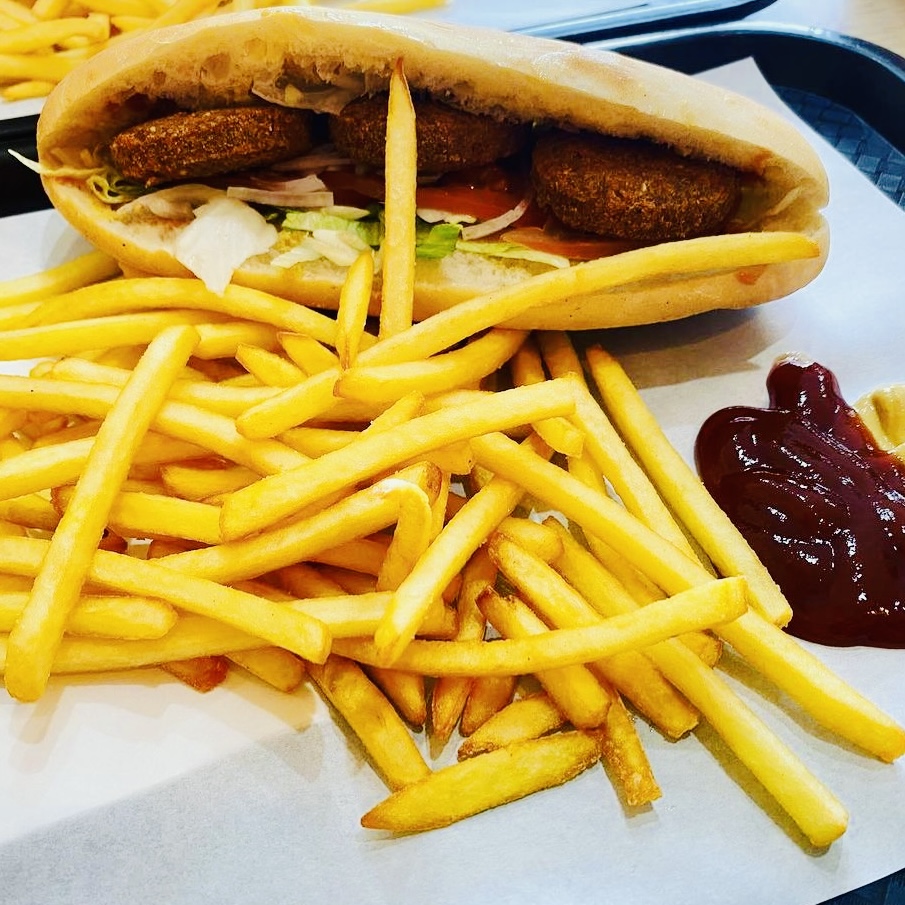
🇧🇪 Belgian waffles and fries

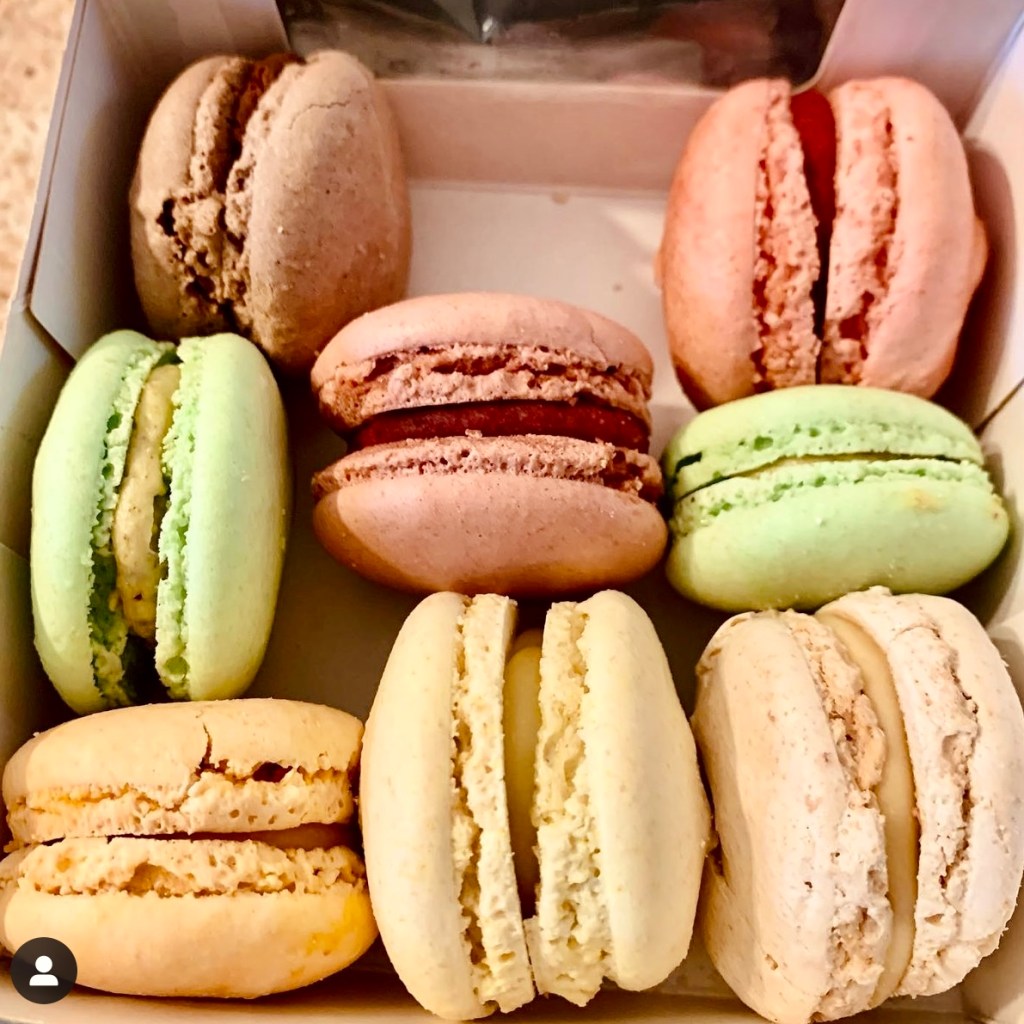
🇫🇷 French tacos, baguette, crêpes, macarons, croissants (too good !), joie gras (vegan and cruelty-free foie gras), vegan rillettes, raclette, pain perdu

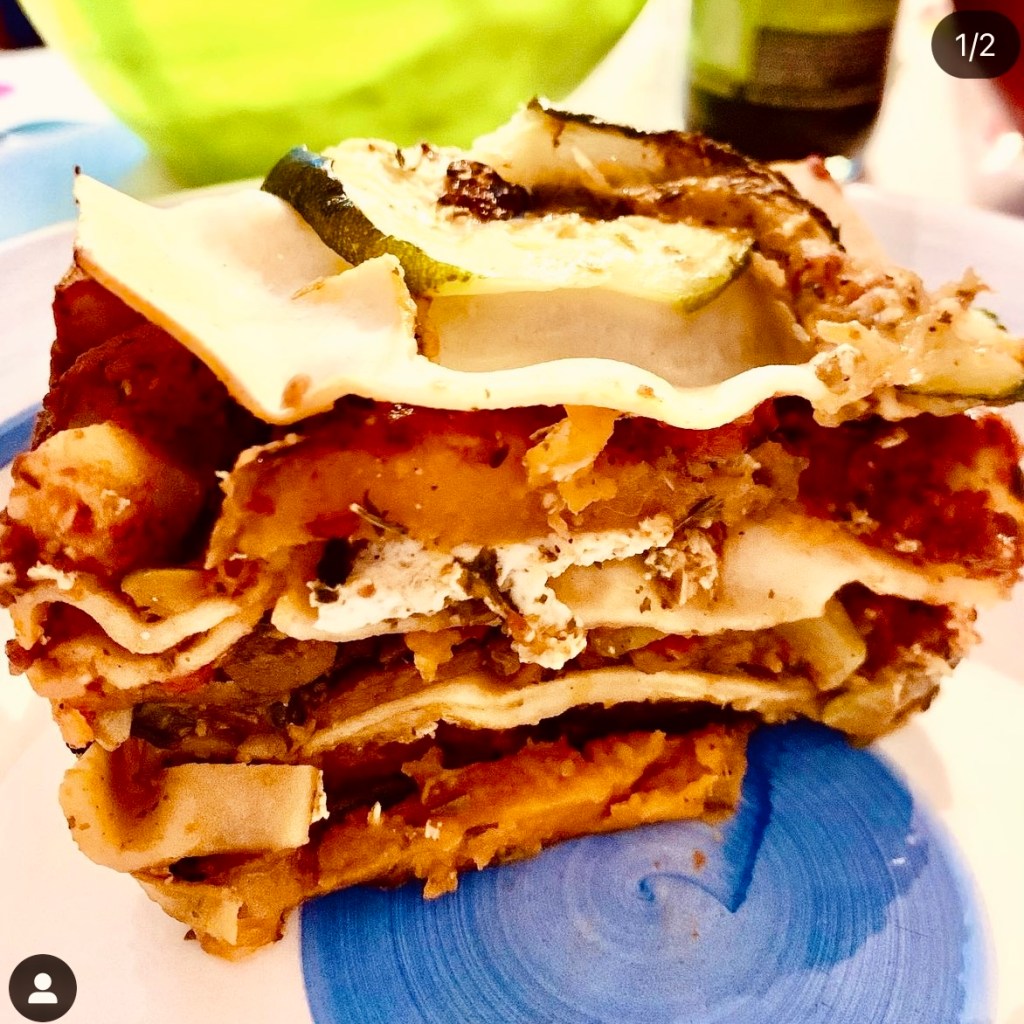
🇮🇹 Italian: pizza (alla napolitana), lasagna, panini, pasta, pesto alla Genovese, ravioli, focaccia, panzerotto fritto..

🇬🇷 Greek tzatziki (soy yogurt, cucumber, garlic powder, chive and lemon) and mushrooms (stifado)

🇵🇹 Portuguese bolas de berlim (not a big fan of portuguese cuisine)

🇮🇹 Sicilian pizza and arancini 

🇪🇸 Spanish vegan croquetas, tortillas, gazpacho, patatas bravas and tapas 

🇸🇪 Swedish vegan cinnamon rolls

Middle-east:

Hummus, falafel and dolma (stuffed vine leaves) can be found in many middle-eastern countries

🇵🇸 Jordanian and palestinian Maqluba (aka Makloubeh: spiced rice dish that is mix with fried cauliflower, eggplant, potatoes, and veggie meat)

🇱🇧 Lebanese baba ganoush (aka moutabal: roasted eggplant dip, heavenly stuff) and tabbouleh

🇹🇷 Turkish lahmacun (turkish-style pizza), kebabs, vegan döner (turkish sub or sandwich), corba (red soup), pide (patty), Yaprak Sarma (steamed vine leaves wrapped around a filling of rice and onion flavored with mint, currant, pepper and cinnamon), Imam Bayildi (aubergine entree, filled with rice, bulgur and other veggies and stuffed with a tomato, onion and garlic mixture, baked in an oven), borek (spinach puffs), Kumpir (made of jacket potato with a crisp outer skin and soft inside, available with a variety of toppings – veggie cheese, sausage, pickles..), Mercimek Köftesi (vegetarian meatballs) Simit (turkish pretzels), baklavas (pastries), lokum (jellies), halva (tahini and sugar)..turkish cuisine is CLEARLY one my my all-time favorites bruh ^^

__

It’s quite obvious that I couldn’t fit everything I’ve ever eaten into this list, but you get the idea.

The more you travel, the more you’ll want to know about the world and all it has to offer.

“The best of mankind is a farmer, the best of food is fruit” – Ethiopian saying

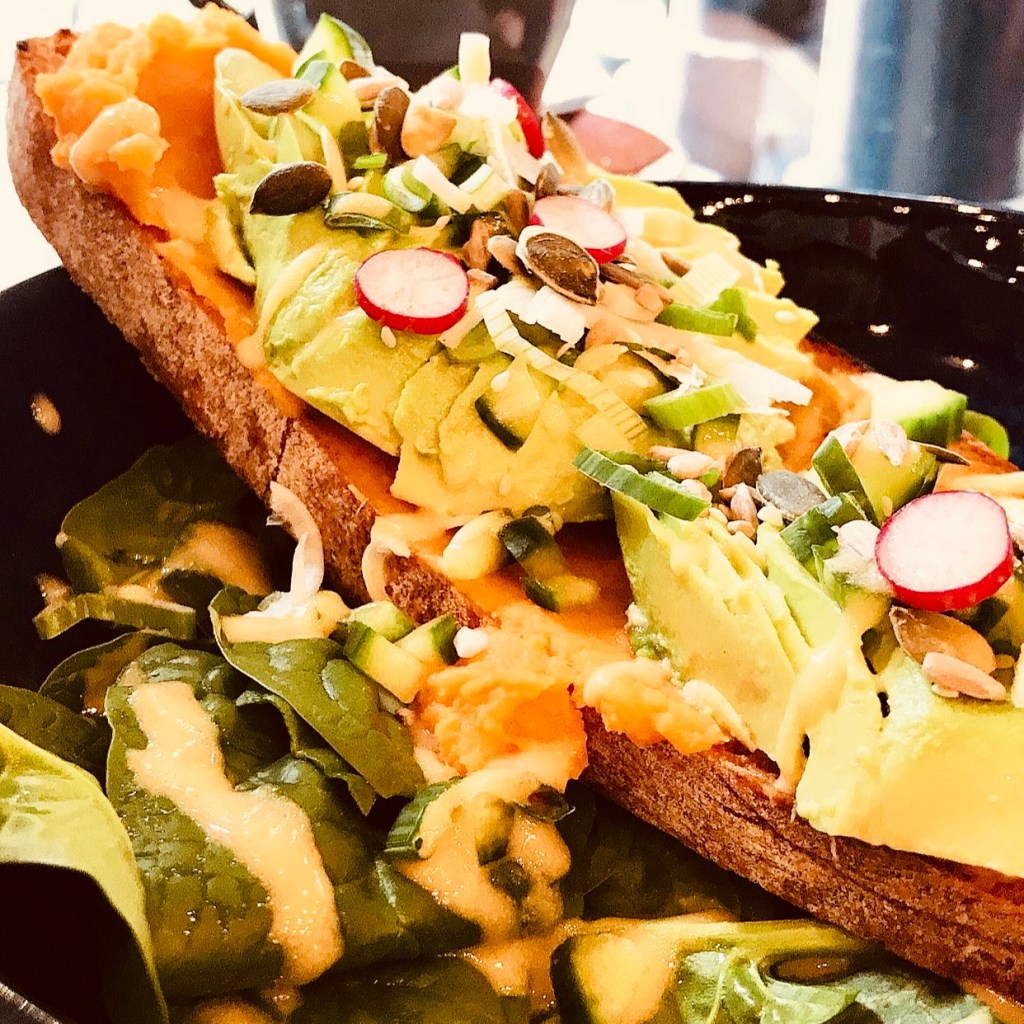
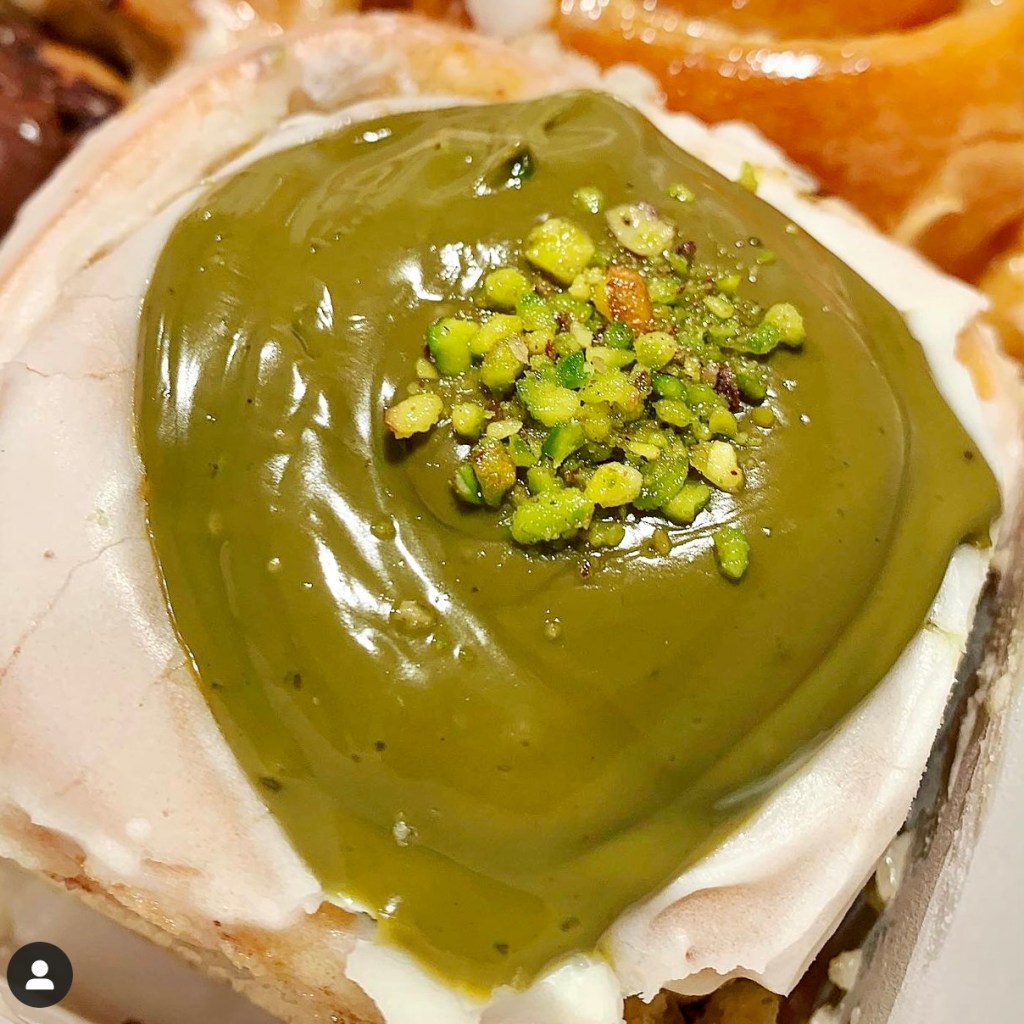
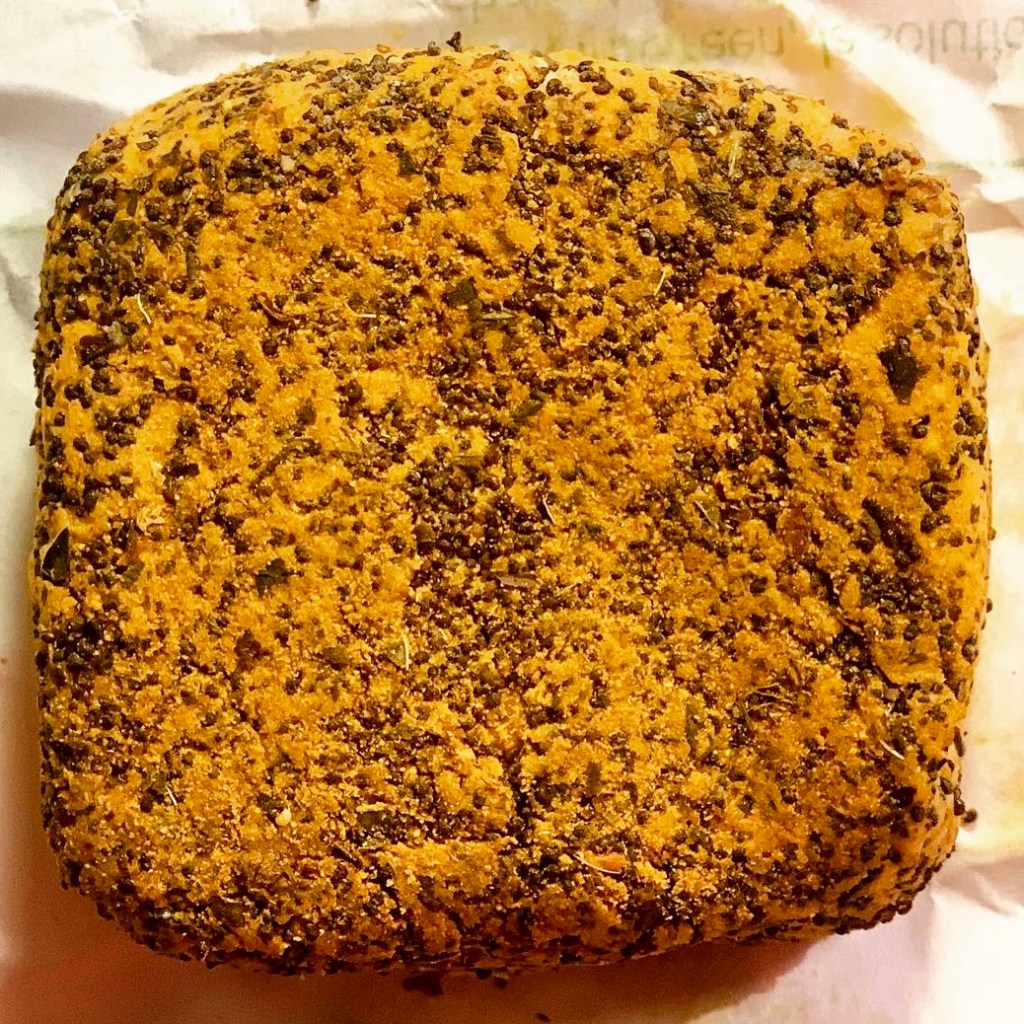
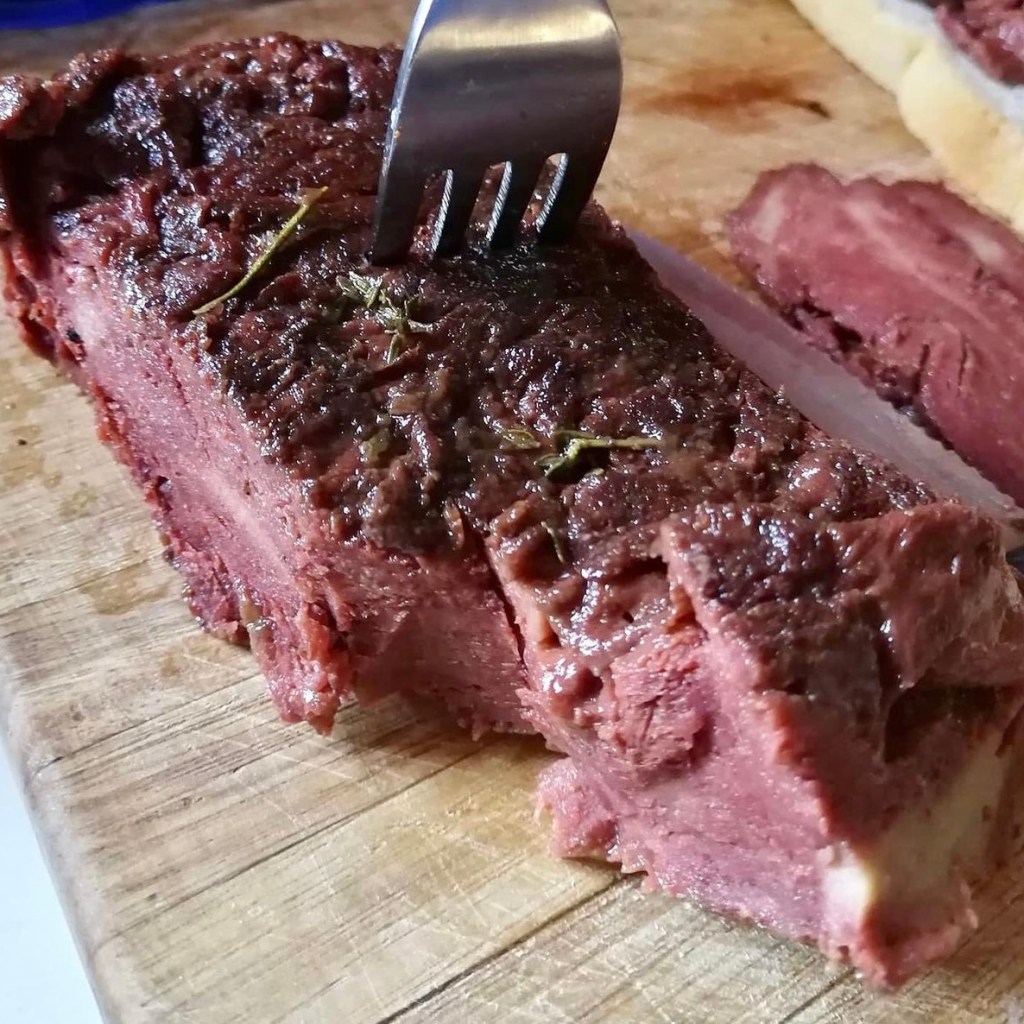
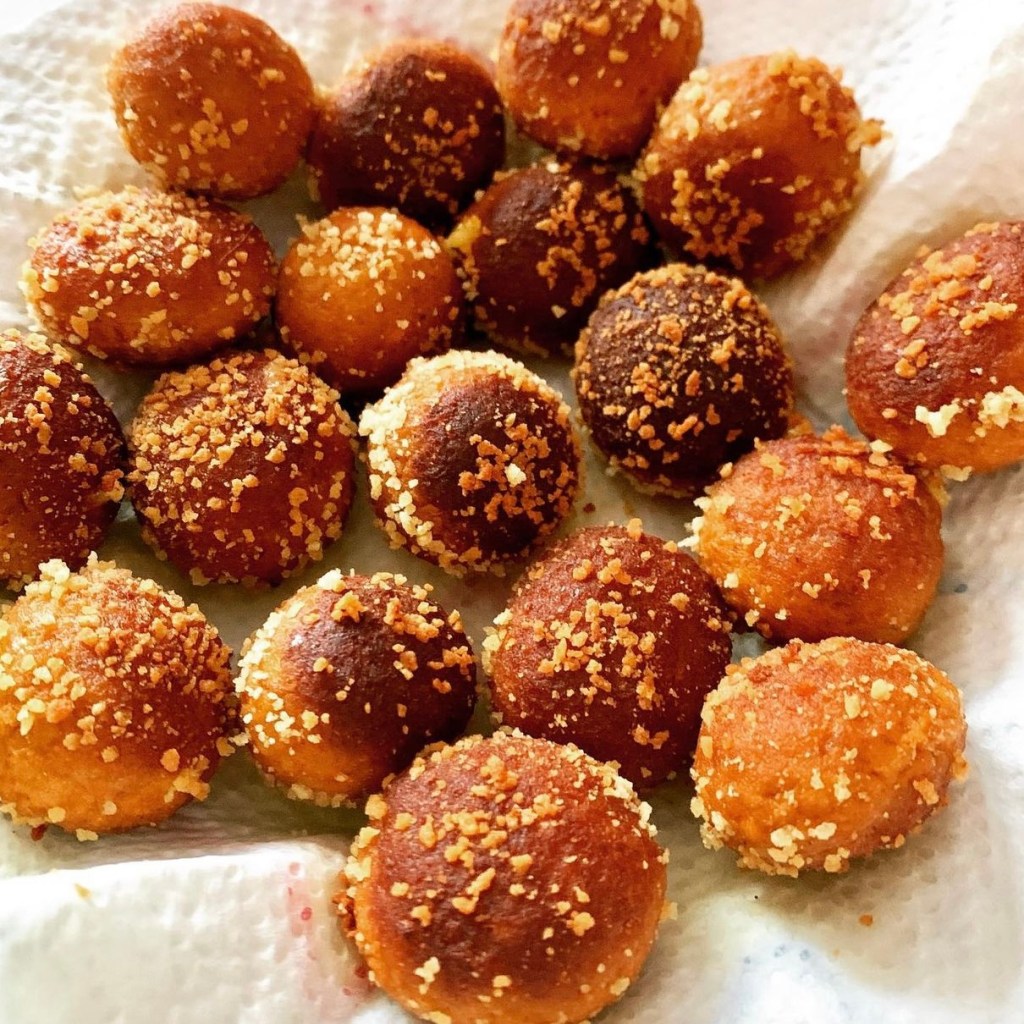
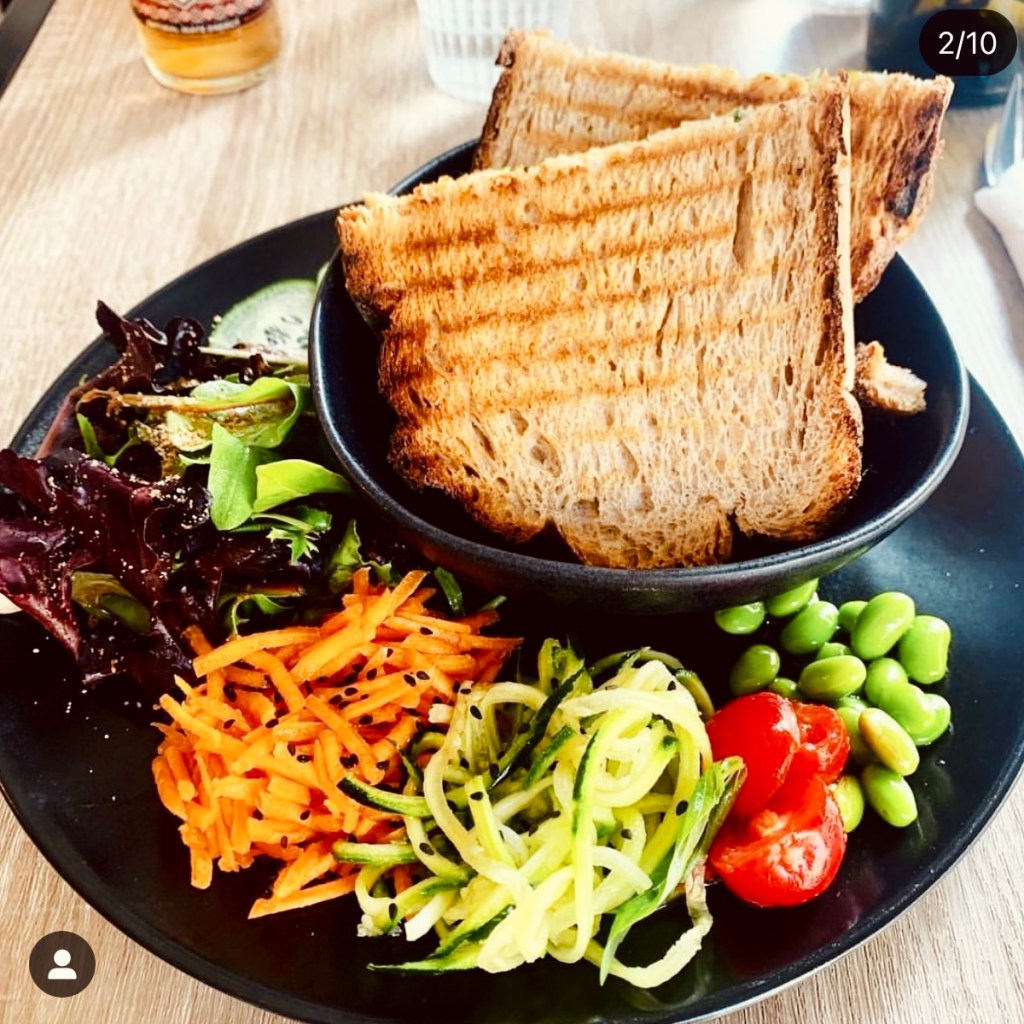
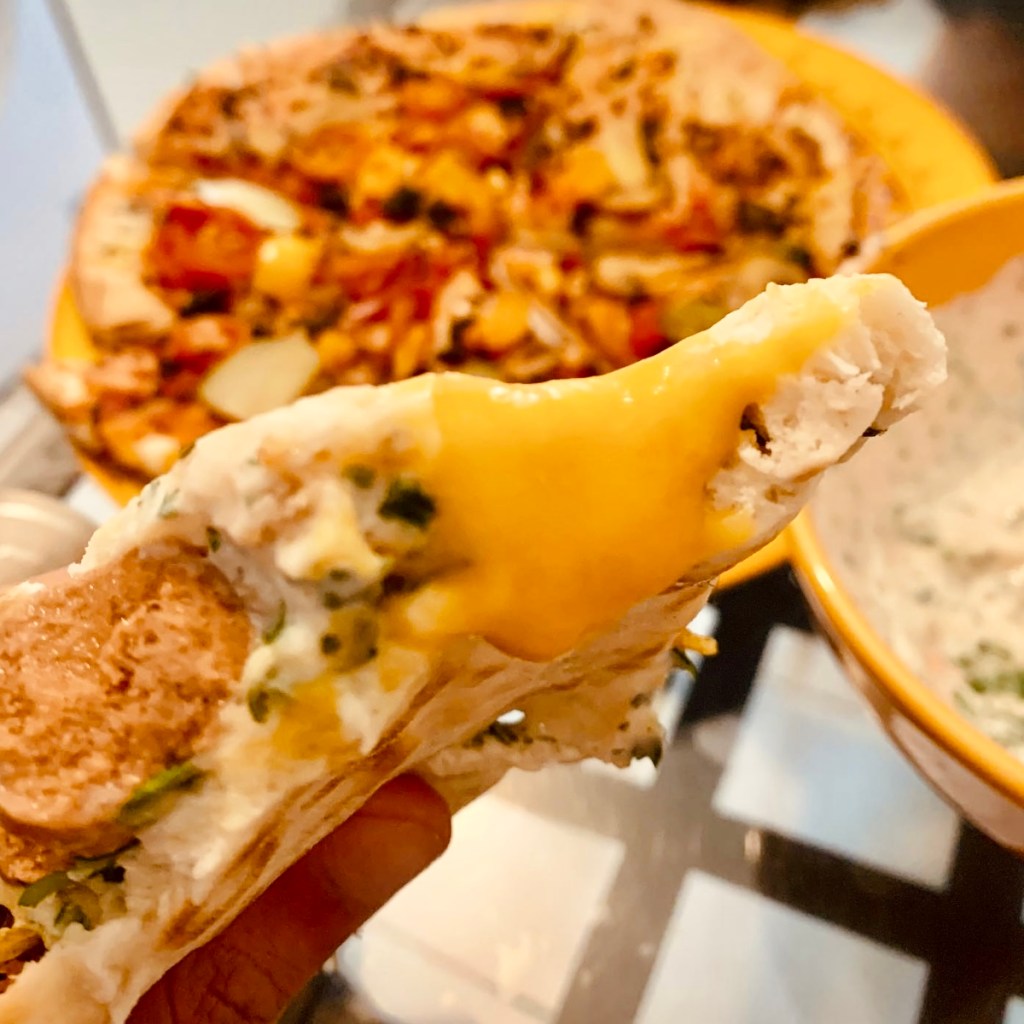
Below are photos of our favorite vegan foods, snacks and desserts. All pictures were taken by me.

Find out more on VeganBordeaux 🙂

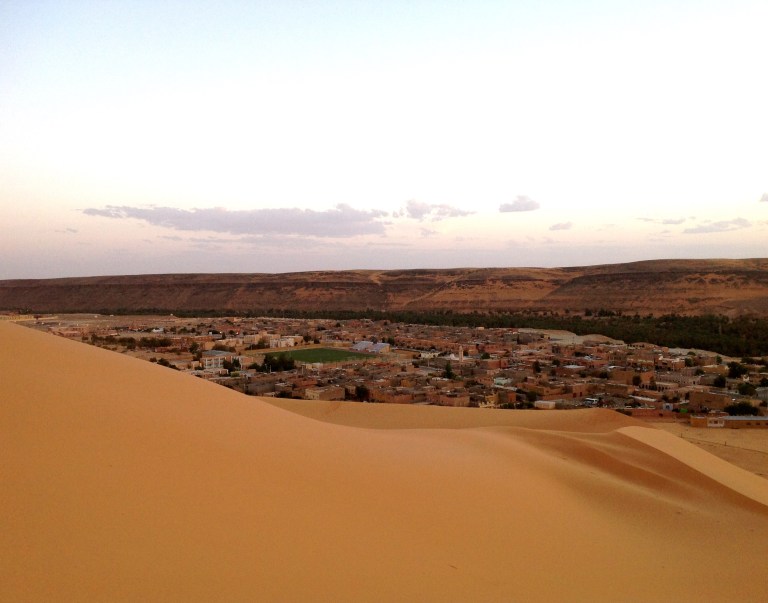
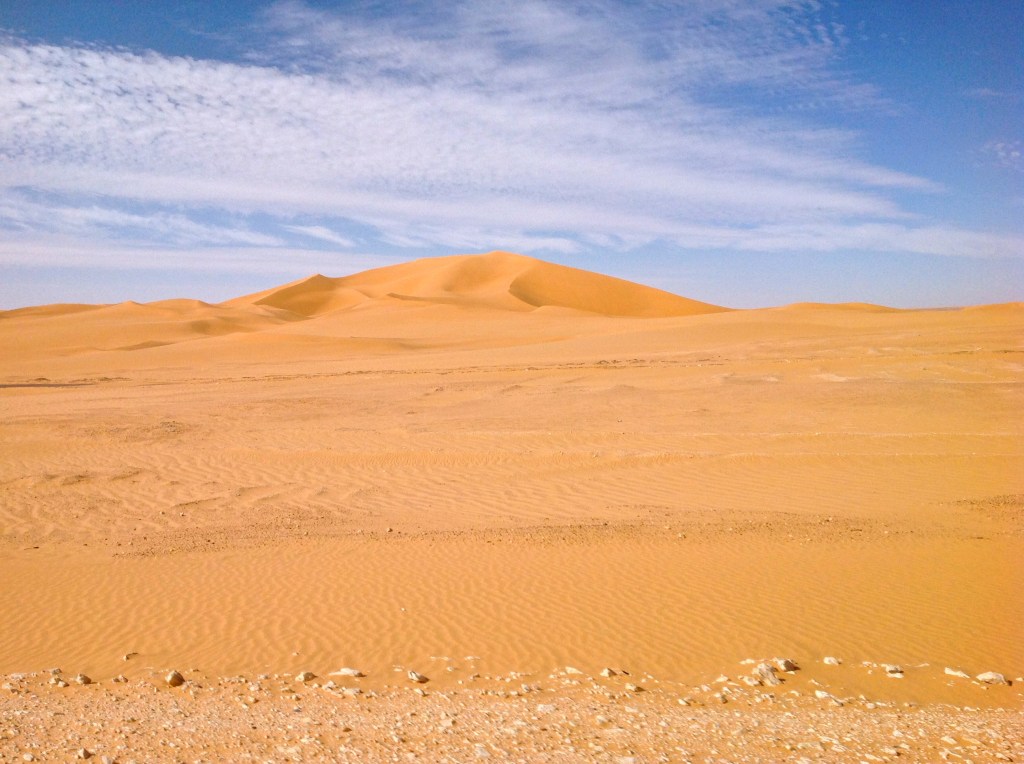
Much more than a desert: my trip to the Sahara

The Sahara Desert is the world’s largest hot desert and the third largest desert behind Antarctica and the Arctic.

Located in North Africa, it covers 9,200,000 square kilometers (3.6 million square miles), nearly a third of Africa.

My journey through a fraction of this majestic place was nothing short of sensational.

Trip route
Trip route

The sand dunes, beautiful wild camels, excruciating heat, vastness, hospitable nomads and their stories..the magical spirits..a once in a lifetime experience.

Speaking of, here’s a fun fact about camels: a camel can drink 200 liters (53 gallons) of water in three minutes !

That’s insane !

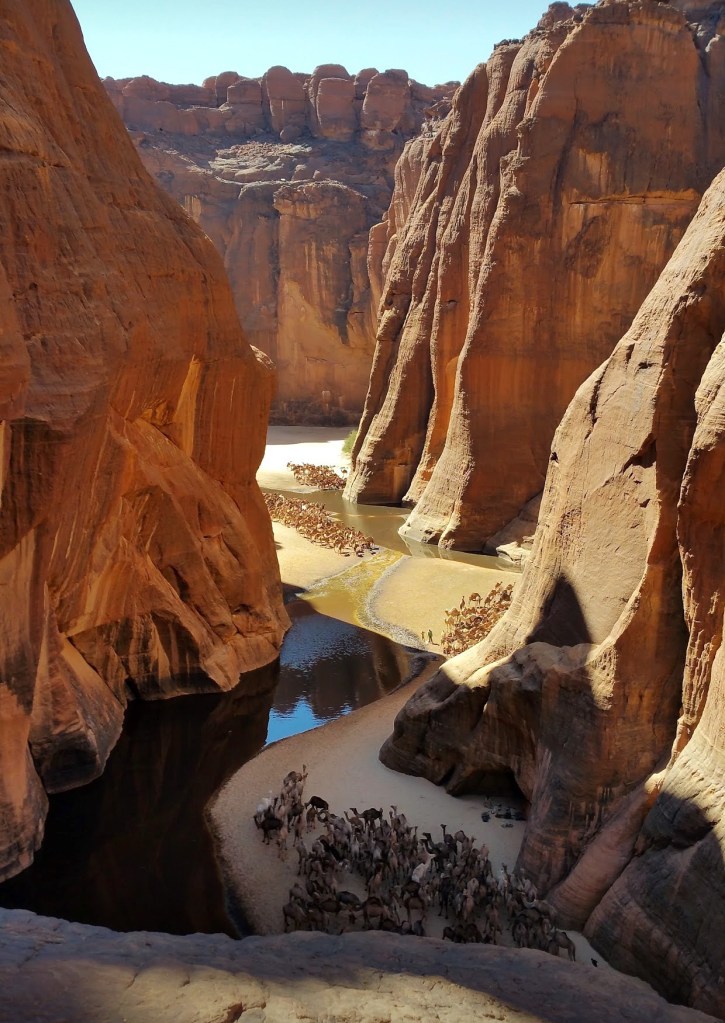
A bunch of camels chillin’ in a Canyon (Oasis), Chad

Anyway, I don’t know about y’all, but I love stories about supernatural creatures, angels and jinns.

  • What are jinns, exactly?

Jinns are usually known as genies (yeah, like the one in Aladdin) in western literature.

Jinns are magical spirits who may appear in the form of a human or an animal and can take control of a person.

They’re said to inhabit caves, graveyards, deserted places and darkness. The Sahara Desert, like the ocean, is where many Jinns actually live. And believe me, it’s feelable (spooky!).

Jinns lead similar lives to us humans. While they’re believed to be invisible (mostly), jinns have the ability to eat, drink, sleep, breed and produce offspring that resemble their parents.

They also have free will to choose between good and evil. Therefor, jinns can be Muslim, Jewish, Christian, etc.

But unlike us, jinns have numerous powers that are exclusively theirs.

For instance, jinns are capable of moving extremely heavy objects with relative ease.

There’s always been some sort of air of mystery and mystique around the topic of jinns, and rightfully so.

Fun fact: Jinn means “hidden” or “concealed” in Arabic.

As per a hadith narrated by Ibn e Masood, there are 3 main types of jinn: those who fly, those who appear in the form of dogs and snakes, and those that stay in travel.

Jinns live much longer than us. It is said that they can live up to thousands of years.

  • Preferences

Jinns delight in punishing humans, intentionally or unintentionally, and are said to be responsible for many diseases and all kinds of accidents

It’s been said that jinns eat like humans, but instead of fresh food, they prefer rotten flesh and bones. Yuk!

Fun fact: King Solomon PBUH, one of God’s beloved prophets, was bestowed with many God-given gifts, including the ability to speak to animals and jinn.

While many people are aware of the existence of Jinns, Hinns, on the other hand, are barely ever talked about.

Here are a few interesting theories about the Hinn.

  • Theories

In early Islam, a common belief held that mankind is actually the successor of other intelligent creatures such as Jinn and Hinn. Medieval Muslim traditions referred to the Jinn as pre-Adamites, depicted as human-like in various ways.

According to Ibn Kathir, the hinn belongs (together with the jinn) to those creatures who shed blood on earth before humankind, causing the angels to question God’s command to place Adam PBUH as a vicegerent.

In his work Al-Bidāya wa-n-Nihāya (The Beginning and the End), Ibn Kathir relates that the Hinn (and binn) were exterminated by the jinn so that they could dwell on the earth.

Even more interestingly, Muhammad Al-Tahir ibn Ashur states in his work at-Tahreer wa’t-Tanweer that the hinn (and binn) may be a reference to Persian mythology or the ancient Greek Titans, who were driven away by their deities.

Worth looking into !