Rainforest

How to Read a Rainforest

On the plants, poisons and people who turn the jungle into a pharmacy, a grocery store and a home

I didn’t realize how little I knew about the forest until our guide started pointing things out.

Our trek through Taman Negara, near Kuala Tahan, covered around 8 kilometers. We started at 10 in the morning and got back around 5pm, with a break at Teras Waterfall before the boat ride back to town.

The trail demanded attention from beginning to end. Mud, wet rocks, exposed roots and shallow streams meant every step had to be placed carefully, and in several spots ropes were fixed to the hillside to help hikers climb or descend slippery slopes. Waterproof hiking shoes with good grip aren’t optional here. They’re the difference between enjoying the trek and spending the day sliding through the mud, if not something worse.

But the distance and the terrain weren’t what made the hike memorable. It was realizing that most ordinary-looking plants are much more than they let on. By the end of the day, I wasn’t seeing trees and bushes anymore. I was seeing functions.

Our guide walked us through plant after plant, and one stuck with me more than the rest. It was used to treat snake bites. When cut open, it’s applied directly to the wound. According to the guide, the inside of the plant would turn yellow as it absorbed the venom, and fresh pieces were applied until the inside stayed white, which is believed to mean no venom is left. Whether or not modern medicine backs that up, it’s a testament to thousands of years of people experimenting with what grows around them.

Other plants did other jobs. One relieved asthma. Another became shampoo, soap and mosquito repellent all at once. I didn’t catch its name, but all it took was rubbing a few leaves together with water before a rich, citrus-scented foam appeared in the guide’s hands. It smelled better than most commercial soaps I’ve used.

The forest also supplies drinking water. Those thick vines made famous by Tarzan actually hold water inside them, and so does bamboo. In a place where rivers aren’t always close, knowing which plants can quench your thirst can matter more than you’d think.

One of my favorite discoveries was the stingless bees. They build their nests inside hollow tree trunks, with only a narrow wax entrance reaching outside. The honey stays protected deep in the wood, out of reach of most predators. Seeing a colony hidden inside a living tree was something I’d never come across before.

There were still plenty of reminders that we were sharing the forest with wild animals. At several points, the guide stopped because he could smell them before seeing them. The scent, he said, likely came from monkeys or maybe elephants that had recently passed through. We also found deep claw marks running up the side of a tree, almost certainly left by a sun bear climbing toward a hollow trunk where bees had built their nest. As if that wasn’t enough, he showed us a recent photo of a local man who had survived a panther attack, a humbling reminder that this rainforest still belongs to its wildlife as much as its visitors.

After hours of humidity and sweat, reaching Teras Waterfall felt like a reward. The cold water washed away the heat before we made our way back to the river and boarded the boat home.

The boat dropped us off for the last stop of the day, and we walked up a slippery, muddy slope to reach the Batek camp. Right at the entrance sat a pile of freshly cut bamboo, maybe for a new hut. The camp itself had several huts, built entirely from bamboo with roofs made from local palm leaves, arranged around a central fire pit. One small hut off to the side served as the “shop” where they sell crafts to visitors. Off by one of the huts, a group of unmarried men sat together, just talking among themselves, in no hurry to be anywhere.

The Batek are one of the Indigenous peoples of Peninsular Malaysia and have lived in these forests for thousands of years. Physically, they reminded me of Papuan people, though generally taller. Their entire population today is only around 2000 people.

The camp felt almost entirely integrated into the forest. The only domestic animals I noticed were three chickens running around near the huts, apparently kept for special occasions rather than everyday meals, a small sign of how much even their world has started trading with ours.

One man showed us how they start a fire using nothing but what the forest provides. He worked in near silence, and it was over in maybe 20 seconds. The second he finished, he just sat back, calm, like he’d done it ten thousand times before, which he probably had.

Then came the blowpipes, and this is where hunting in the forest really came alive for me. The Batek still use these to hunt monkeys, squirrels and birds high in the canopy, and I was surprised by how sophisticated the weapon actually is. It’s made from bamboo, while the darts are carved from what they call water palm trees. Behind each dart sits a small piece of plant fiber that seals the tube, so the hunter’s breath pushes the dart forward with real force. At the mouthpiece is a black bulb that creates an airtight seal and makes the shot more efficient. The man demonstrating it was quiet, maybe shy, maybe just naturally calm. At one point he said something to me directly, but I didn’t catch it. Even Bahasa isn’t really their first language, let alone English.

I got to try it myself. Standing about 15 meters from the target, I took a deep breath and blew as hard as I could. The dart landed dead center, which I wasn’t expecting at all.

The darts get even more interesting once you learn how they’re prepared. Their tips are coated with poison collected from a tree. The bark is cut until a white sap starts to bleed out, then the dart is coated with the latex and left to dry. Rather than killing instantly, the poison weakens the animal over the next 15 minutes or so, and hunters simply follow their prey until it collapses.

Back at the village, the hunter presents the animal to the village leader, who carves another ring into the weapon. Over time, the blowpipe stops being just a tool and becomes a record of experience.

They told us how they live too. Unmarried men traditionally live together until they marry, often young. They don’t follow an organized religion but believe the forest is inhabited by spirits.

When someone dies, the body is placed high in a tree and the family leaves the camp to settle elsewhere.

The Batek have traditionally been nomadic, moving every few months, sometimes because food gets scarce, sometimes because predators like leopards make an area unsafe, sometimes because the death of a family member means it’s time to leave. Their movements follow the rhythms of the forest rather than property lines or borders.

Today they also host small groups of visitors and sell handmade crafts, among them miniature blowpipes and hunting sets, to supplement their income. It struck me that they’ve probably never had to think about whether those objects might get stopped by airport customs. In their world, they’re everyday tools. In ours, they’re something else entirely.

I was the last one to leave the camp, and for a moment I just stood there taking it in. These people would spend that night around the same fire pit, and the next night, and the one after that.

The view from the camp looked out over the river and the rainforest, and it hit me that this might be the oldest rainforest in the world, older than the Amazon, and these people have been living in it, exactly like this, the whole time.

Looking back, what stayed with me wasn’t any single plant or demonstration. It was realizing that the rainforest isn’t simply a collection of species. It’s a pharmacy, a grocery store, a hardware store, a source of clean water, a place of worship and a home, all at once. Without someone to interpret it, I would’ve spent seven hours walking through an endless sea of green. With a guide, I found out that almost every tree, vine and leaf had a story to tell.

This trip was a gift for my wife’s birthday. In the end, it turned into a gift for both of us, one more memory we’ll carry for a long time.

Thanks for reading.

Teekay
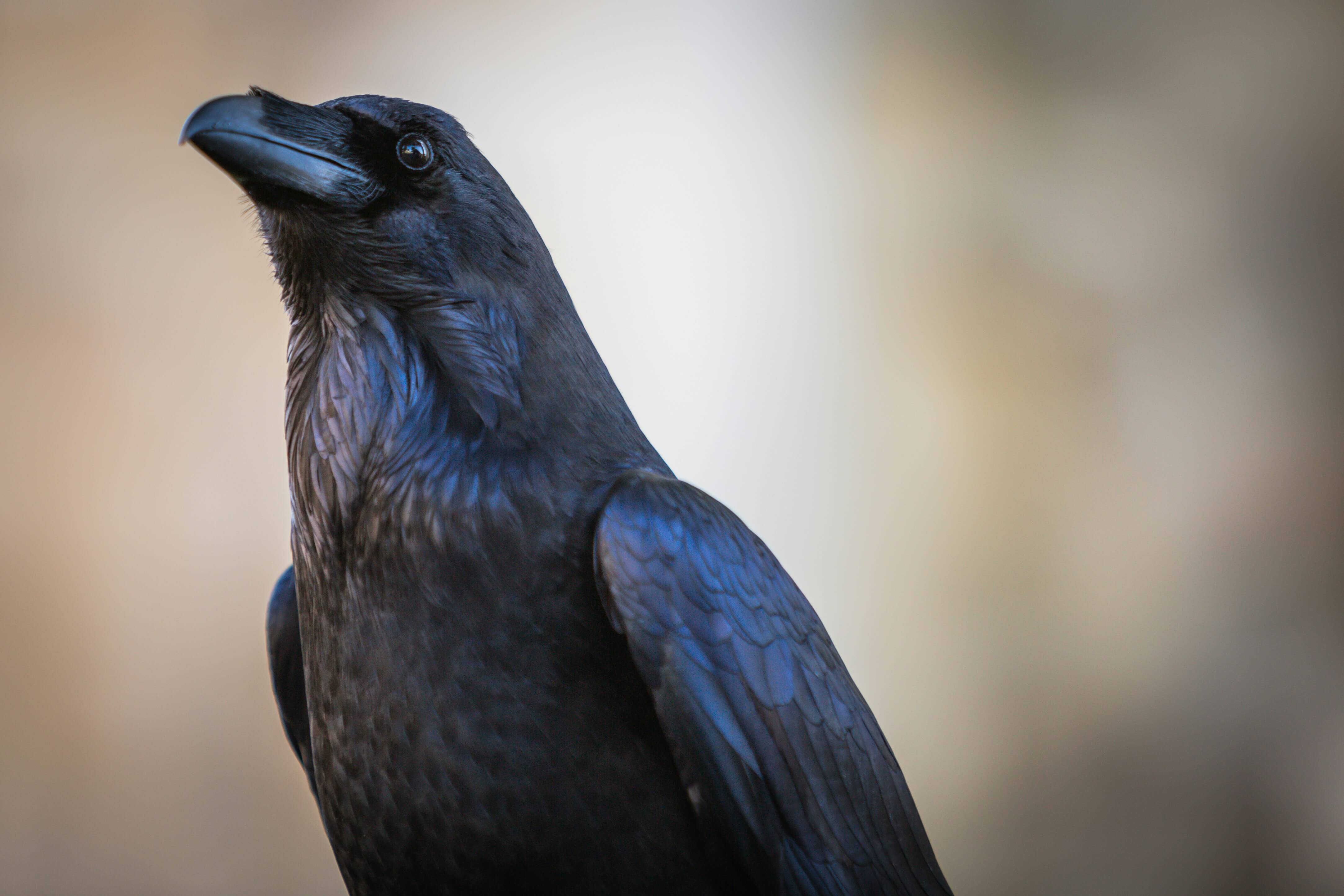
Raven

Neighbors of Lacanau Océan

Small worlds at the edge of the ocean.

Living near the ocean and surrounded by forest comes with a quiet gift: the constant presence of small, living worlds brushing past my own.

In 2024, my wife and I moved to Lacanau Océan almost by accident and immediately fell in love with the area, especially during the off season, when silence settles in. Beyond the calm and the sense of space, what stays with me most is the wildlife I encounter on my daily walks near the ocean and through the forest.

Below is a little gallery of animals I come across regularly, depending on the season. I’m probably forgetting some.

A list of land animals

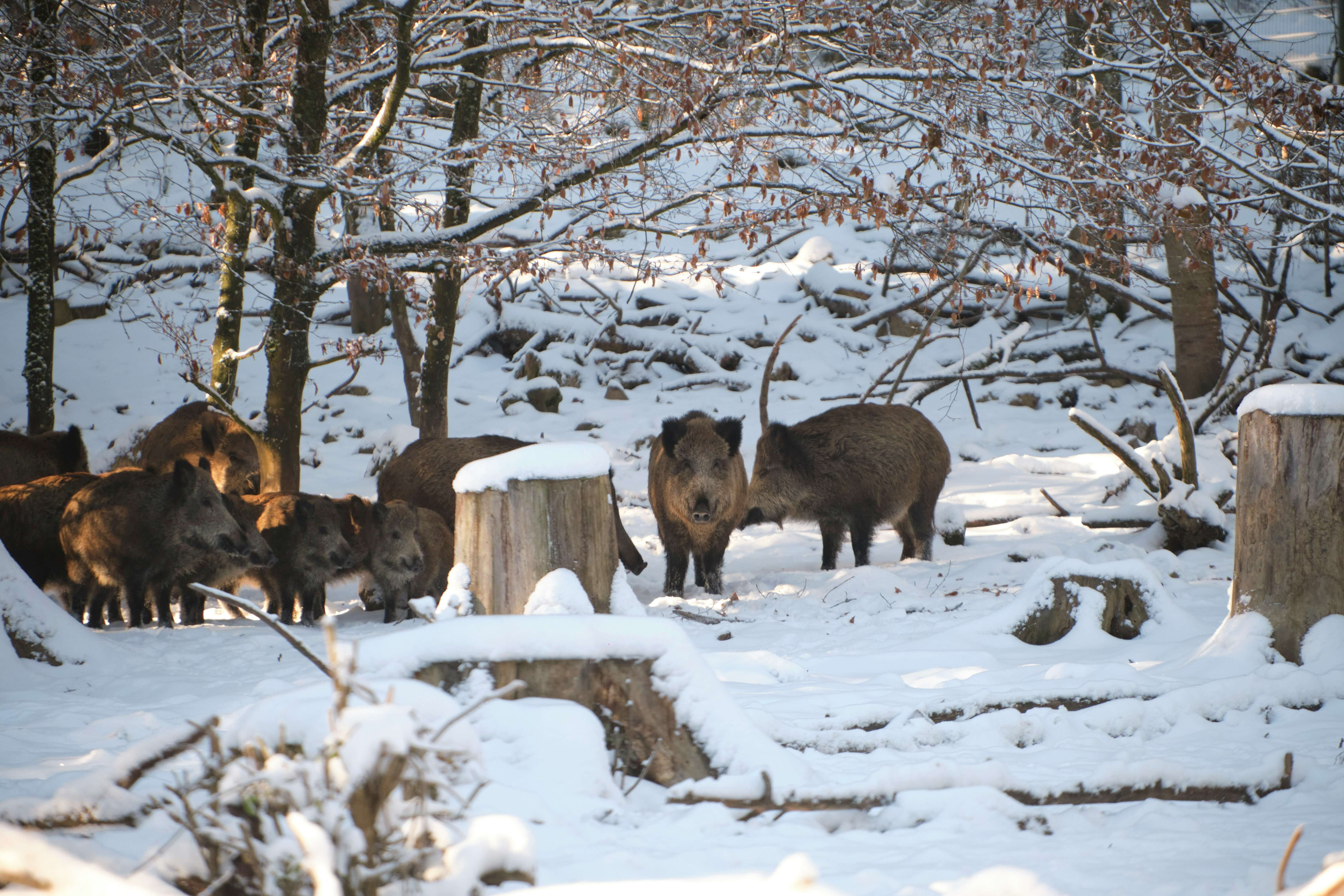
  1. Wild boars
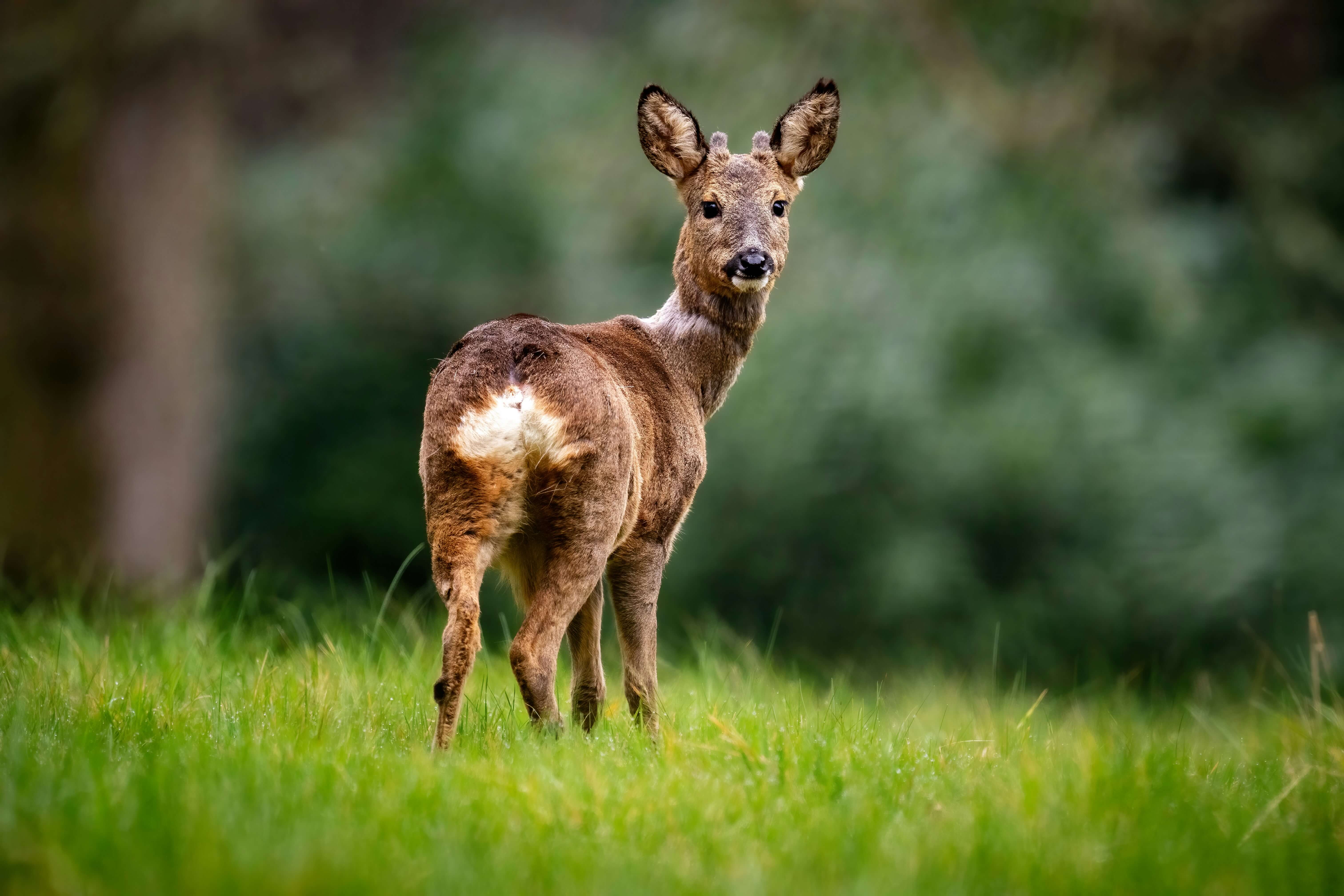
  2. Roe deer
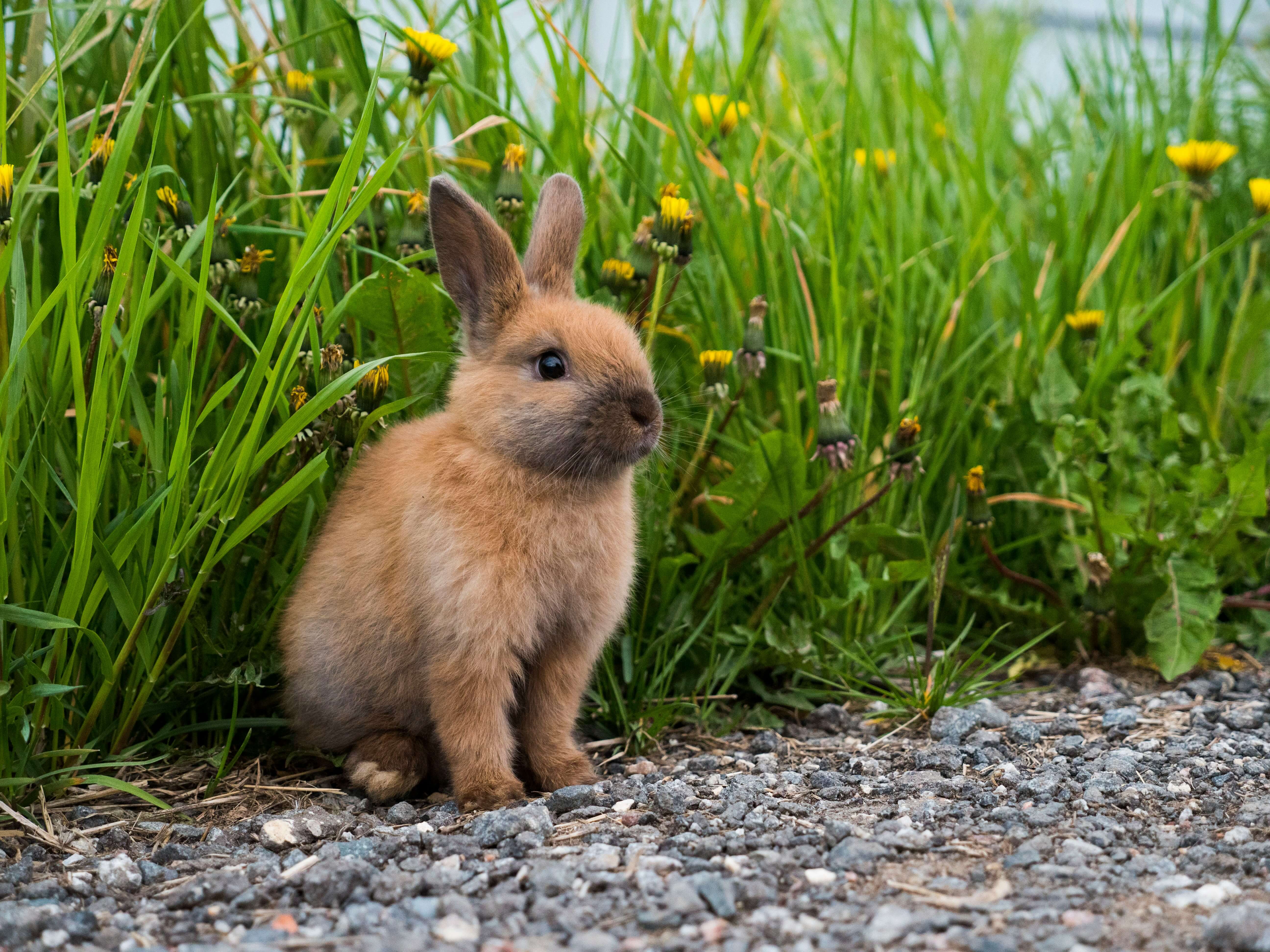
  3. Rabbits
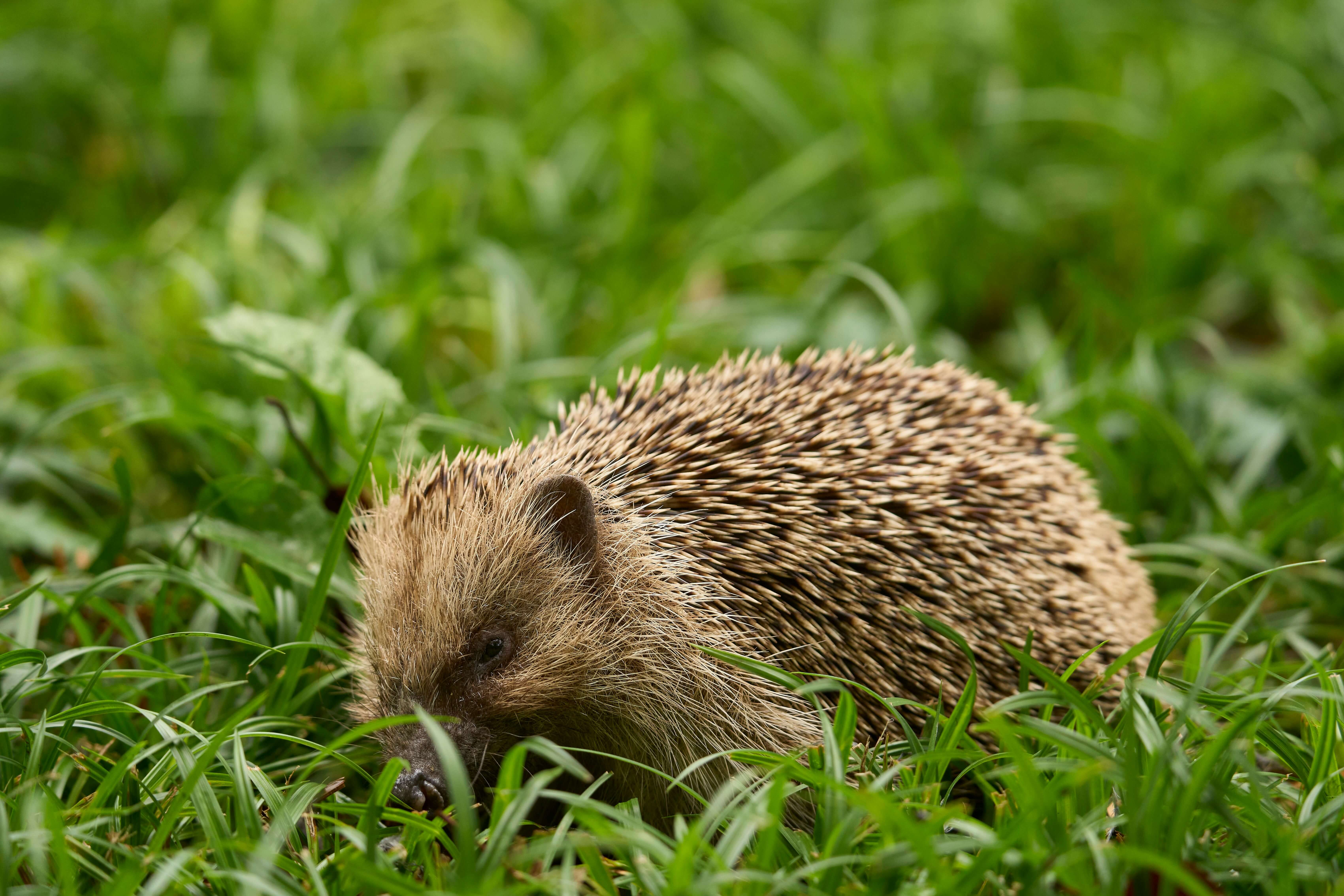
  4. Hedgehogs
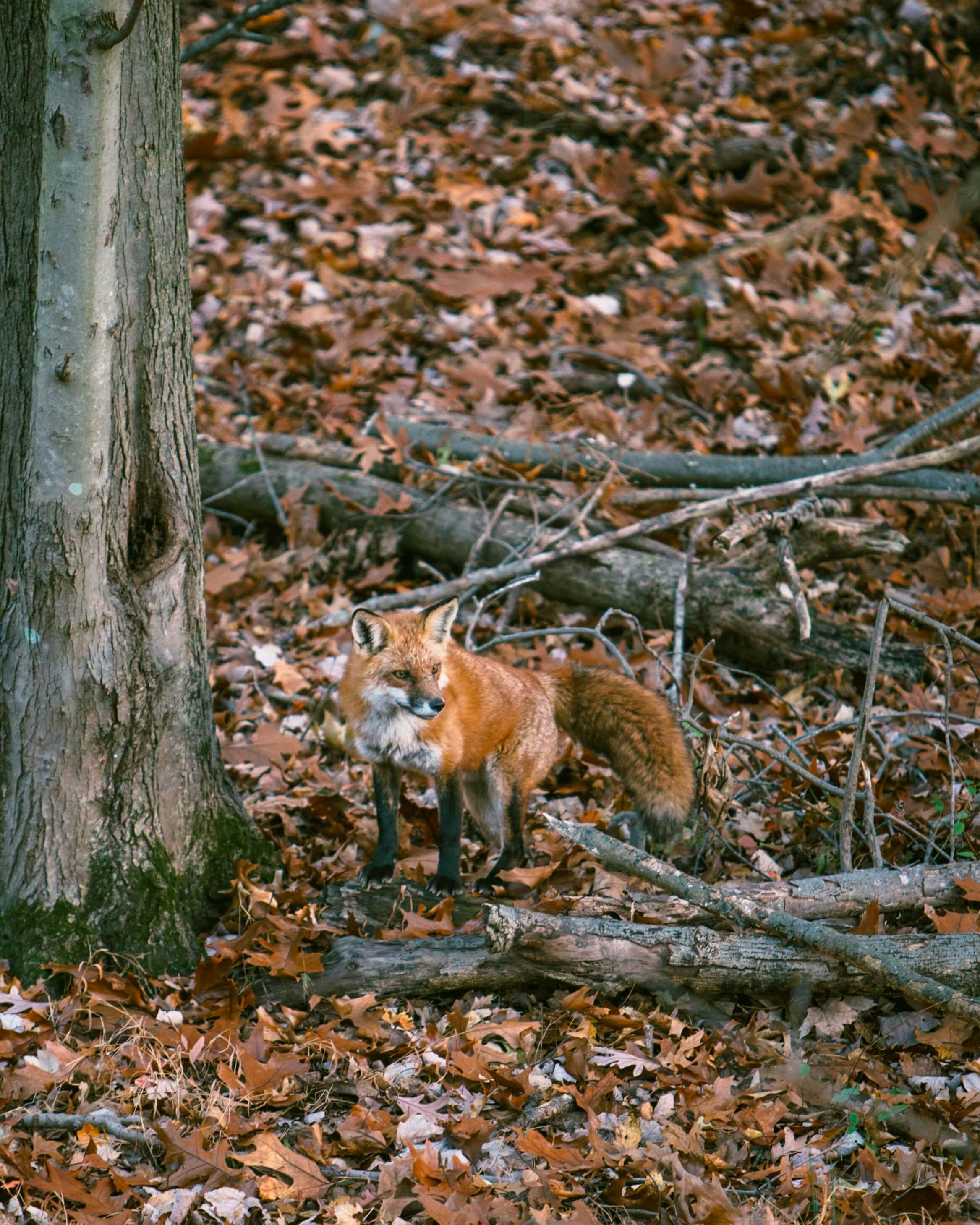
  5. Red foxes
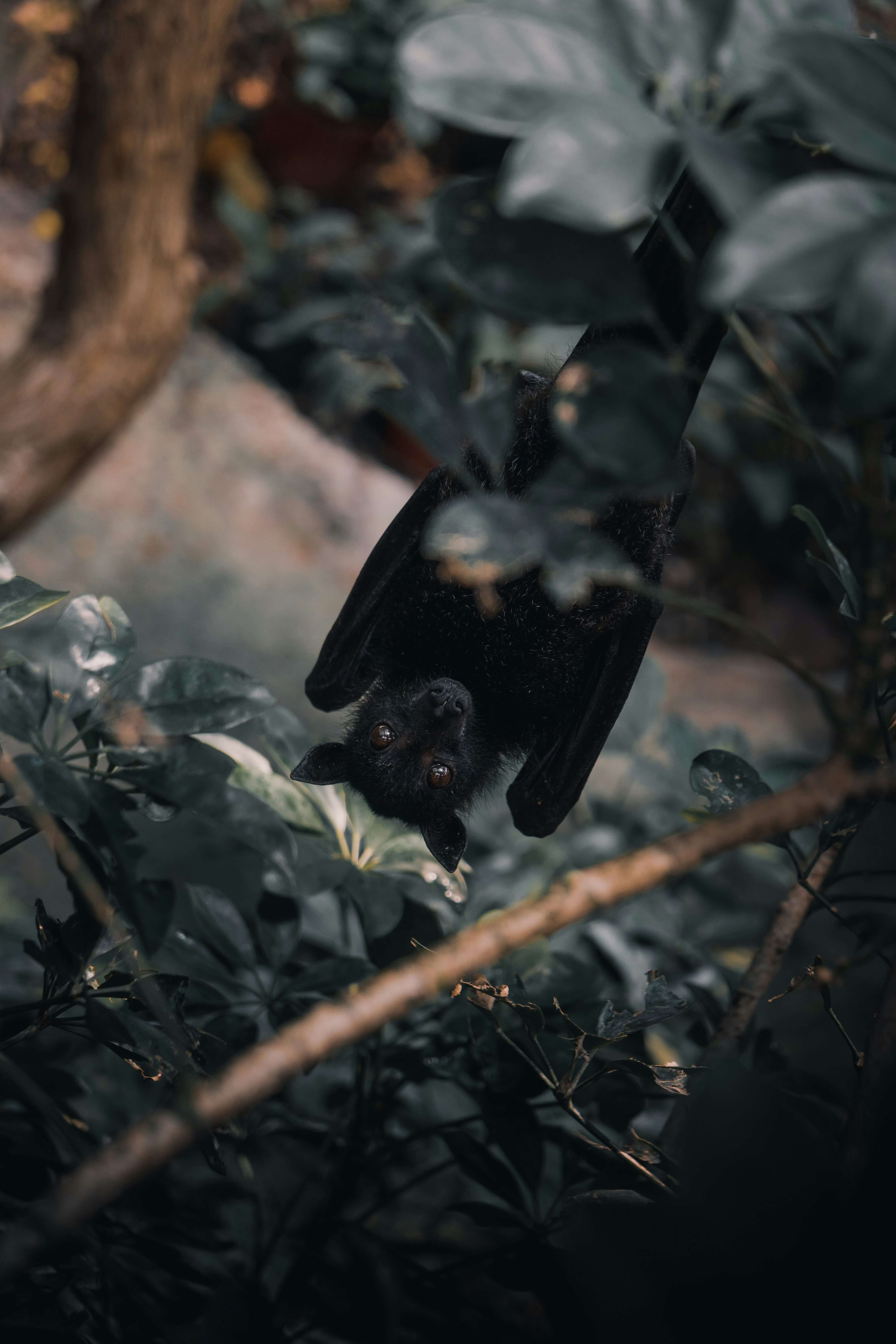
  6. Bats
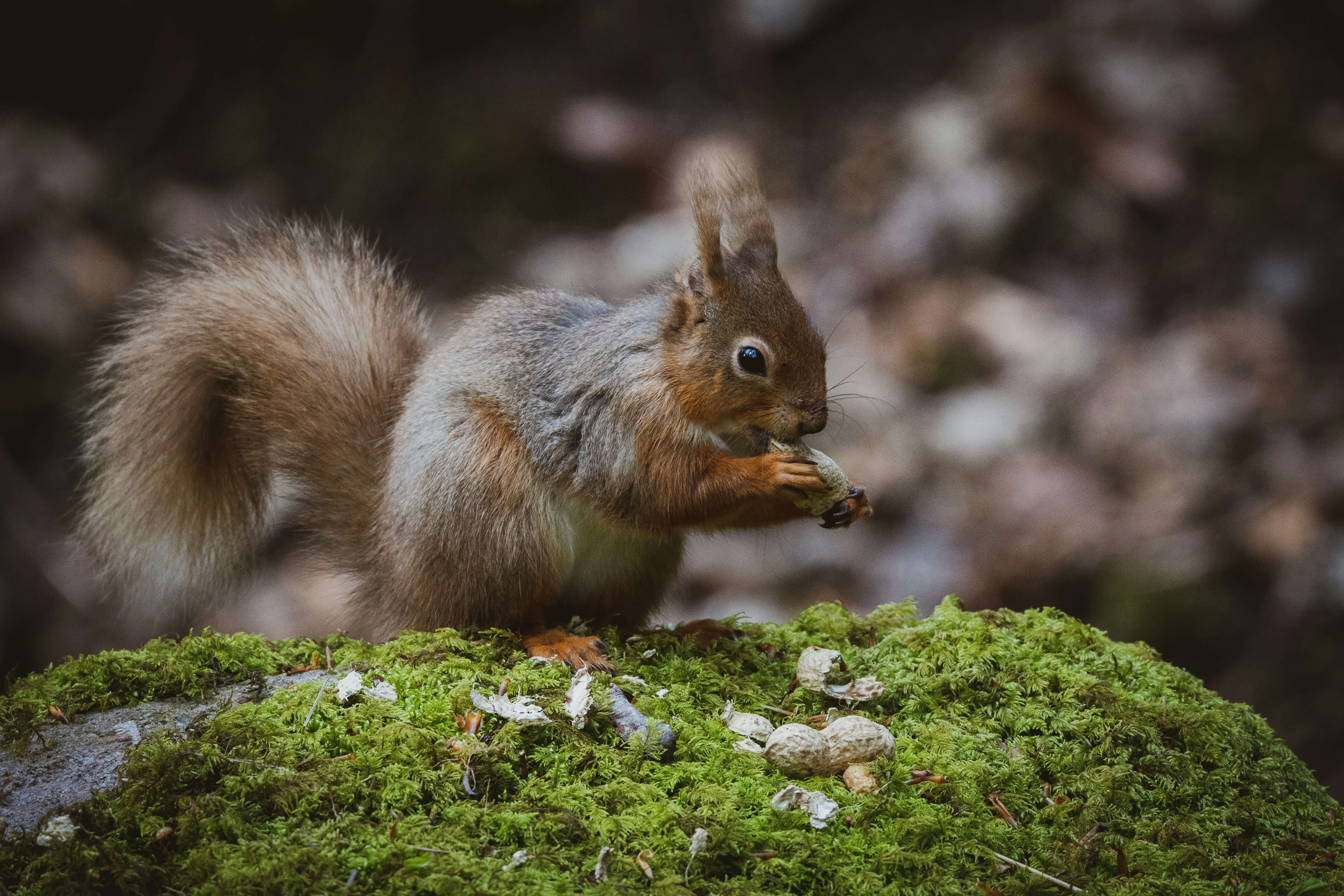
  7. Red squirrels
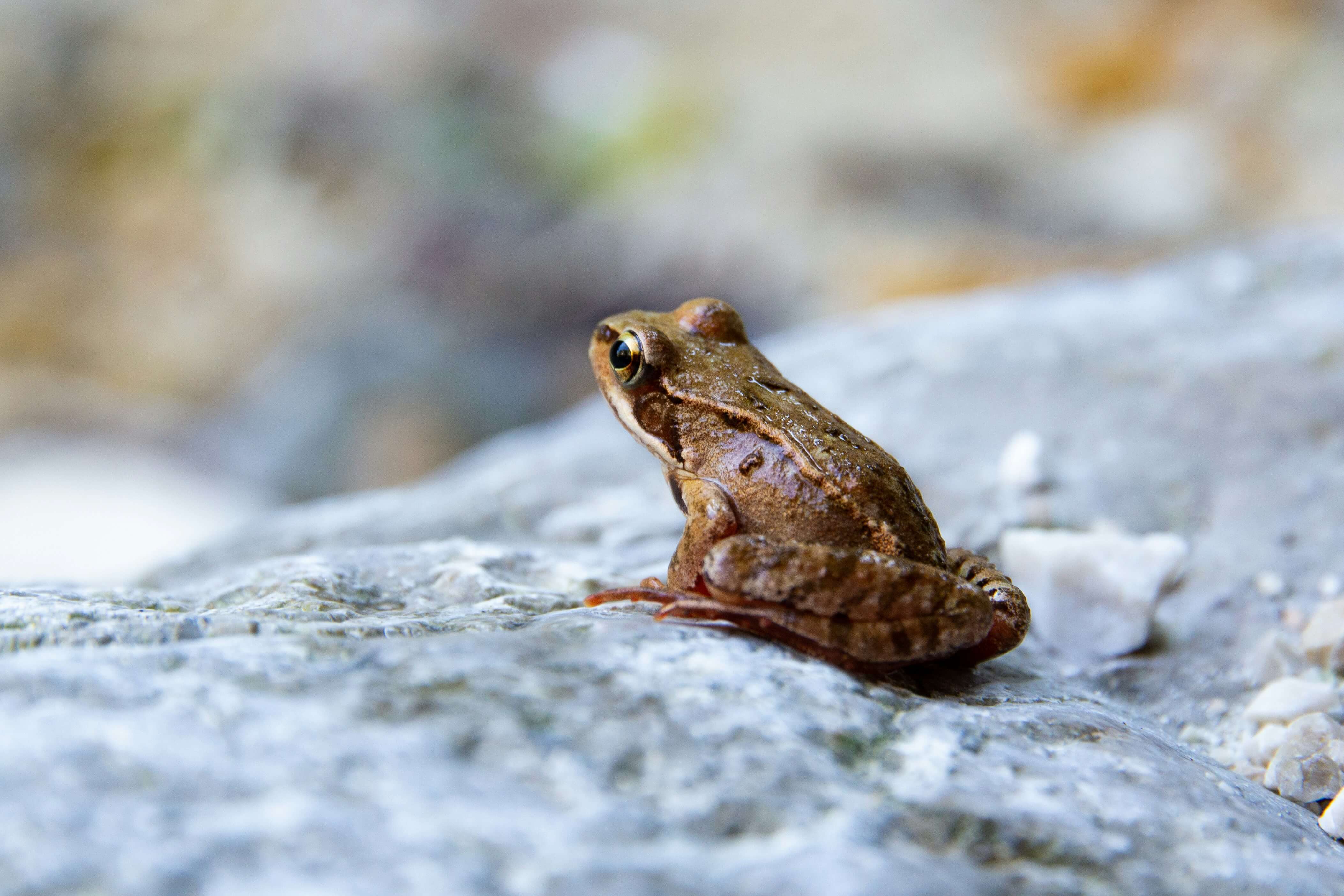
  8. Frogs
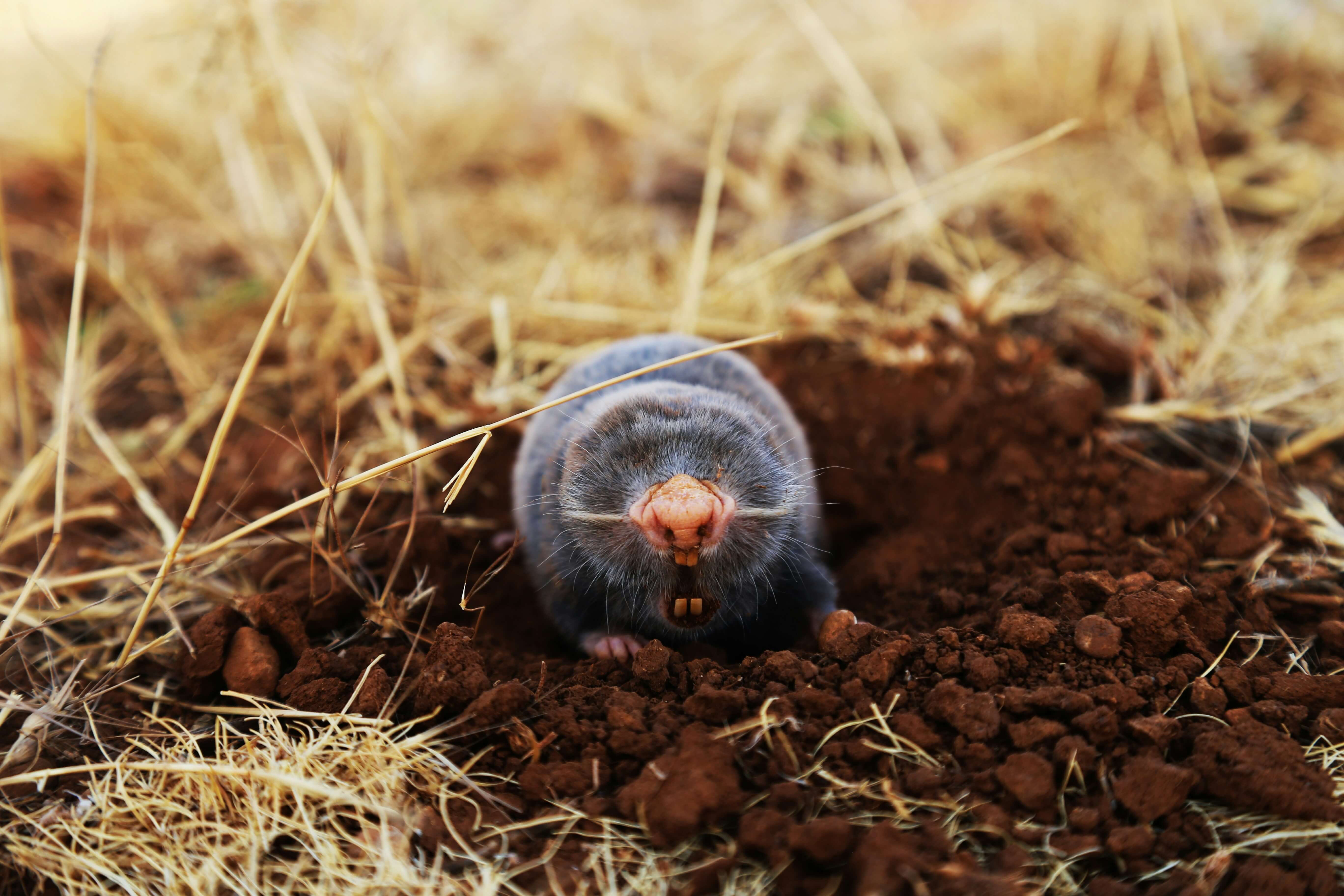
  9. Moles
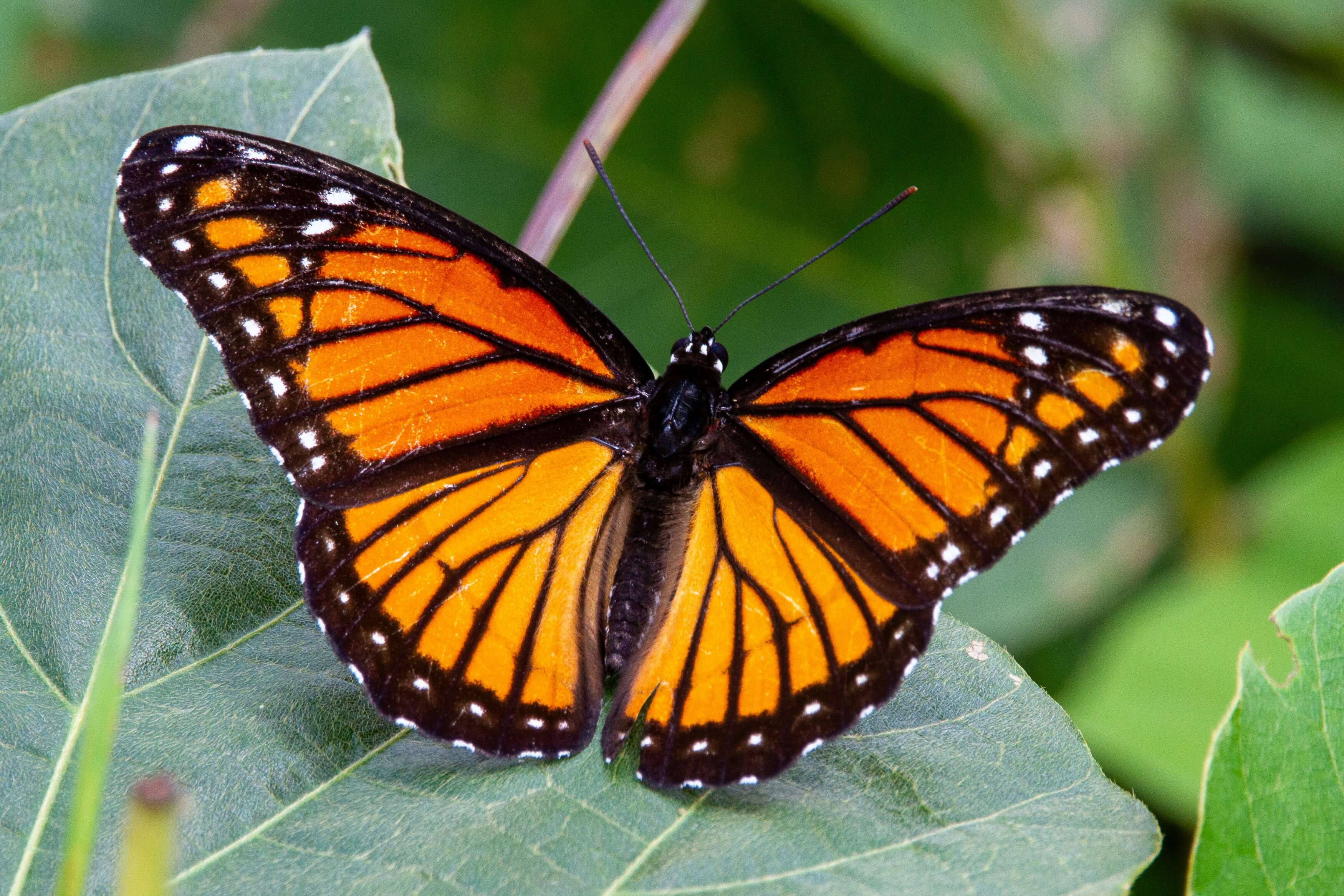
  10. Butterflies
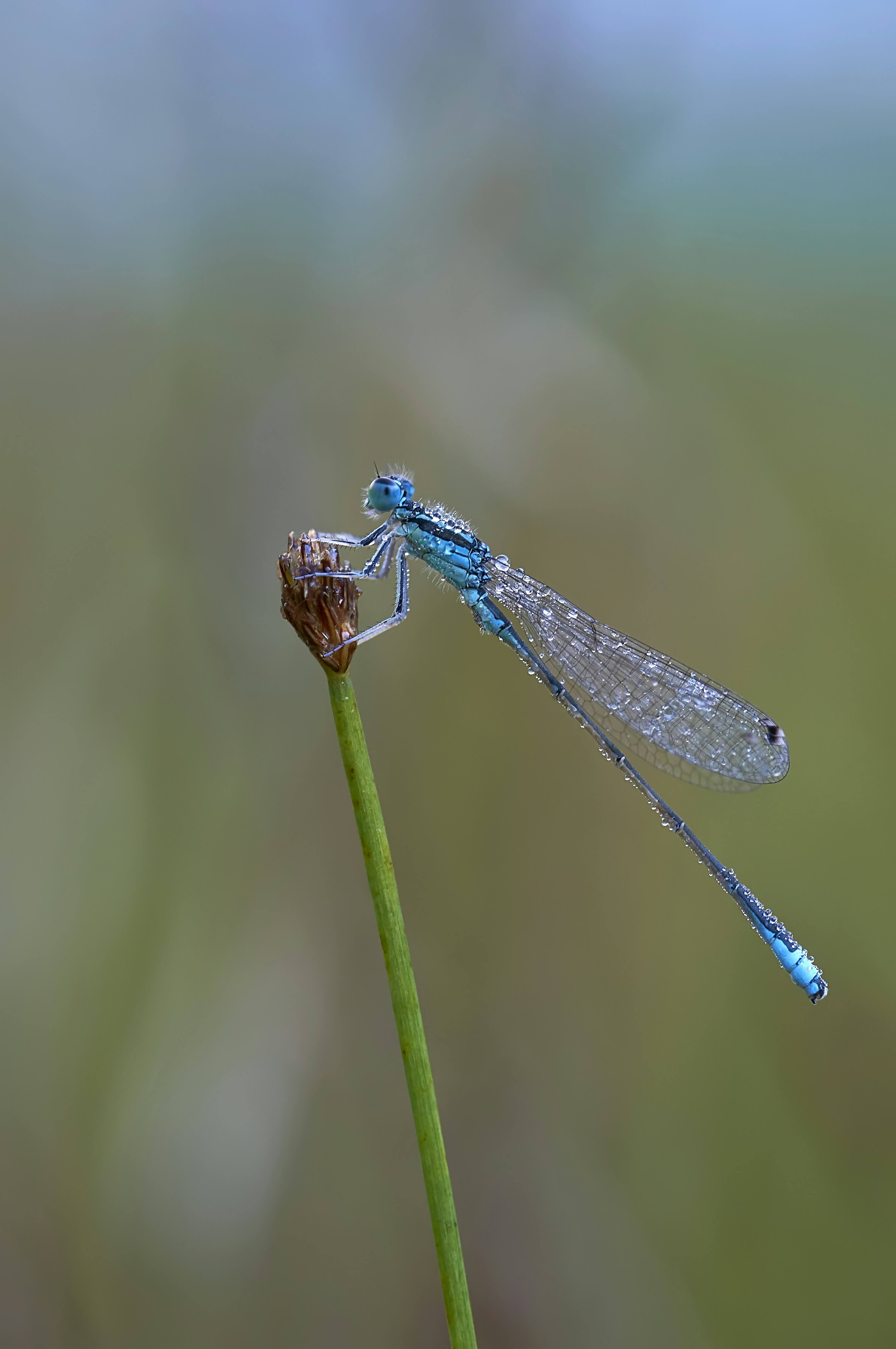
  11. Dragonflies
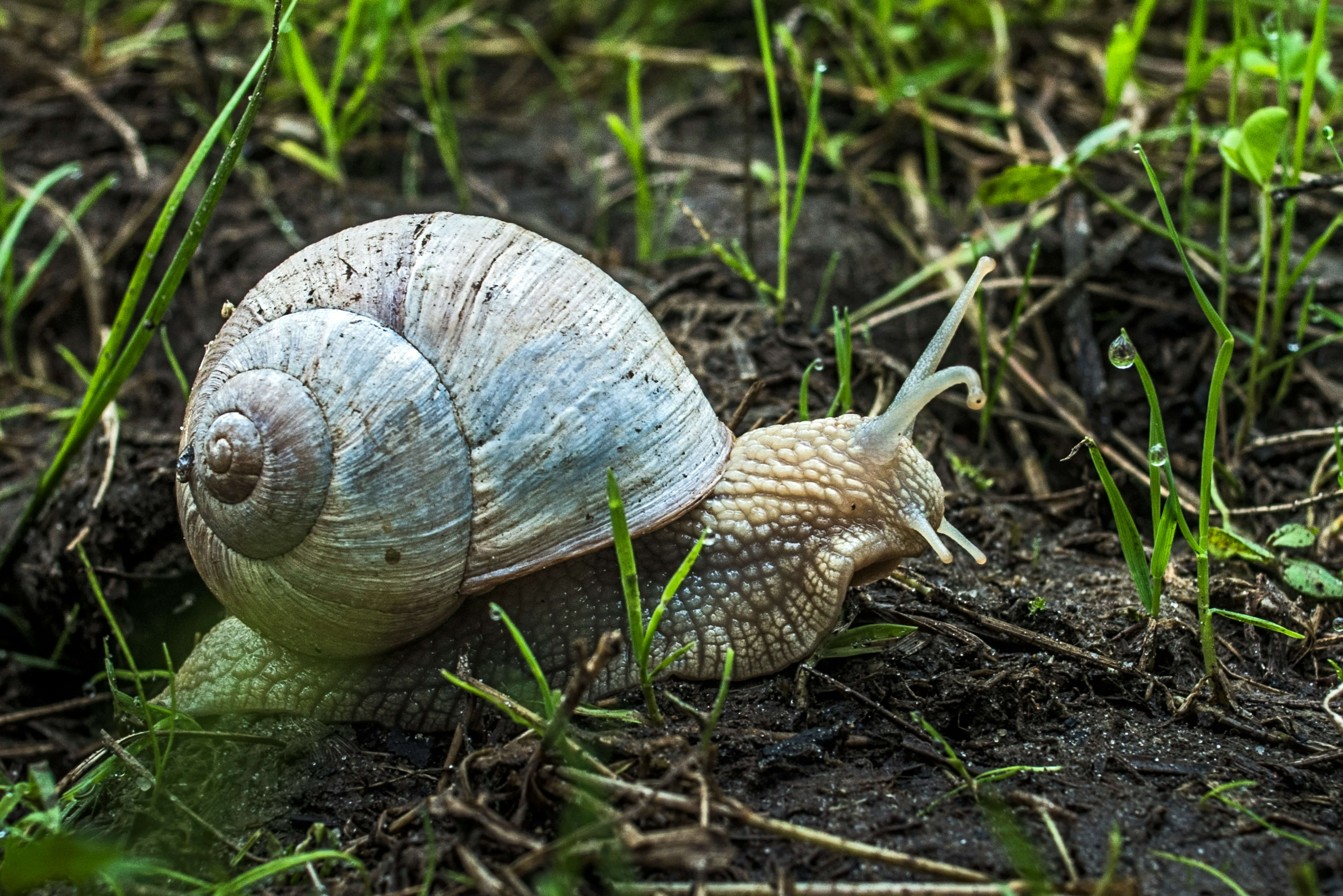
  12. Snails
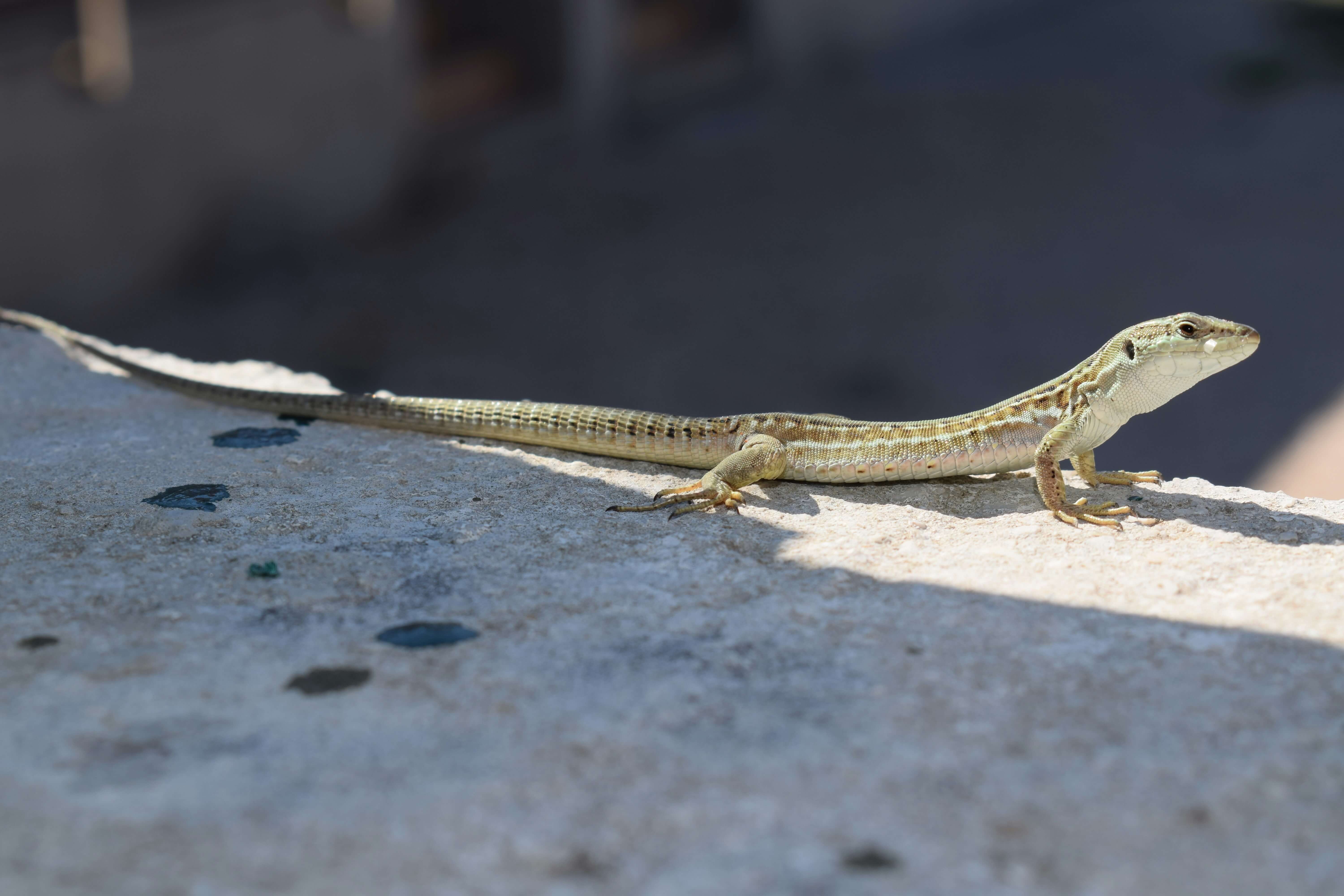
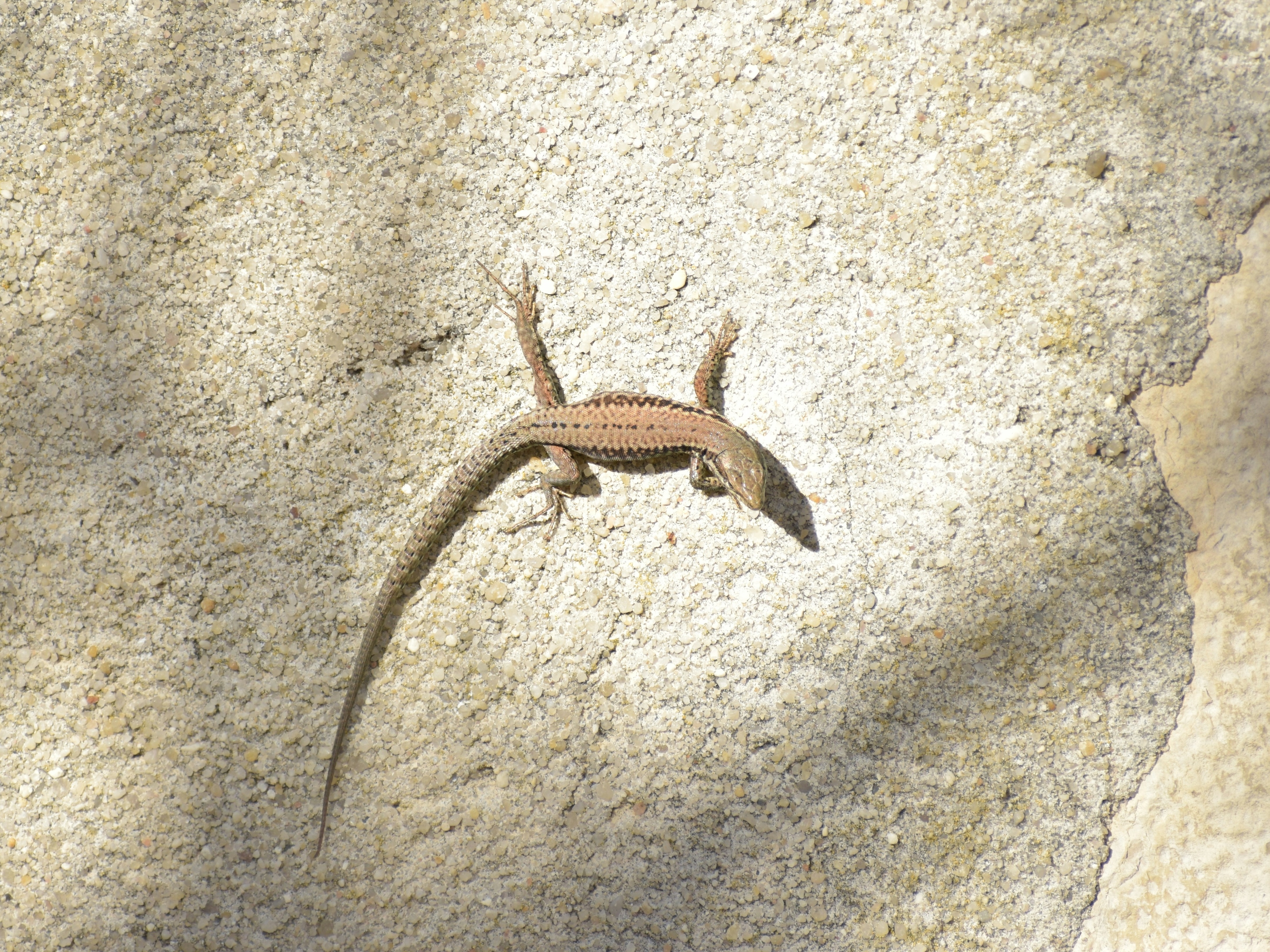
  13. Lizards
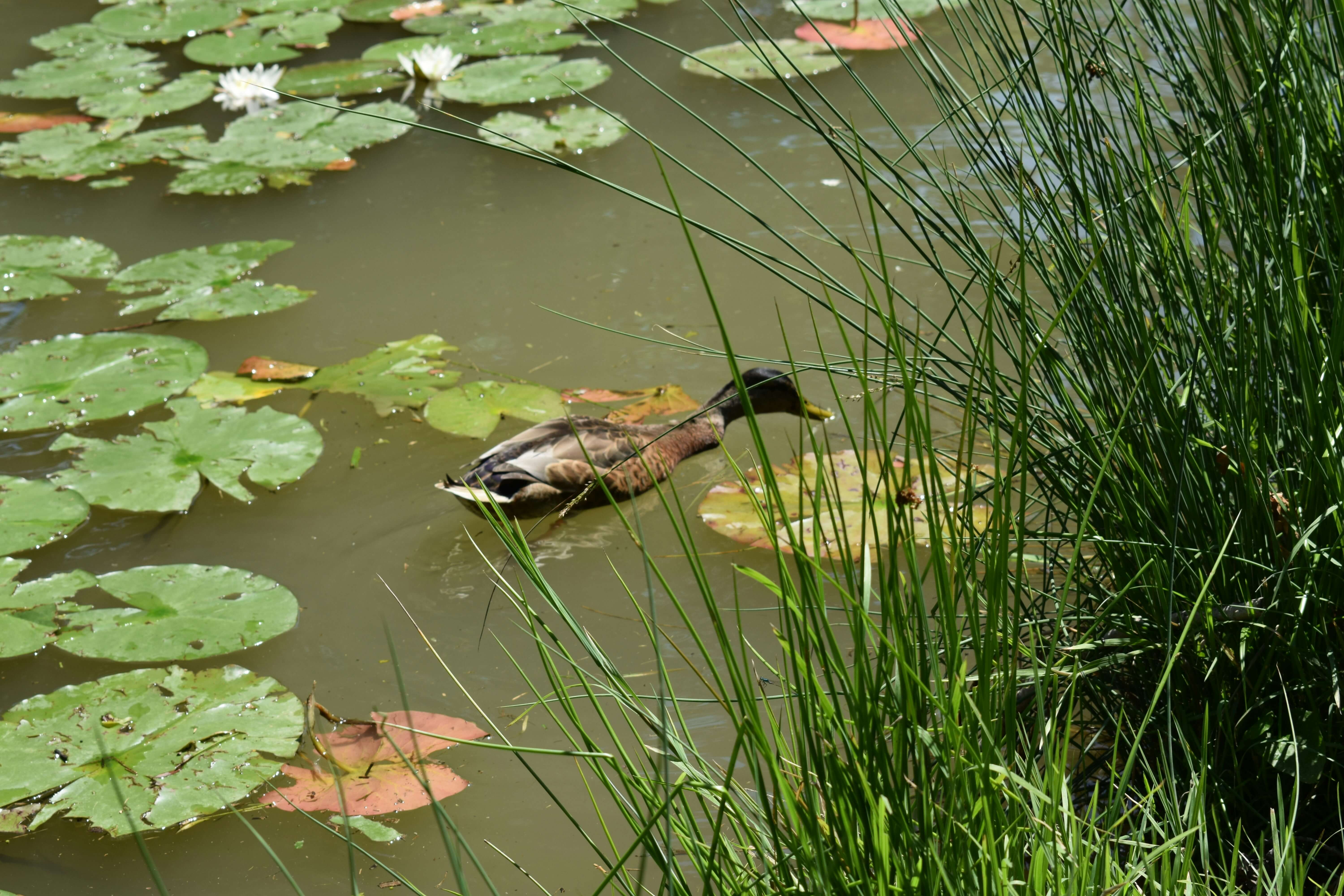
  14. Ducks
  15. Cats of course
  16. and dogs

And then a bunch of birds too

  1. Kentish plover (the funniest birds itw)
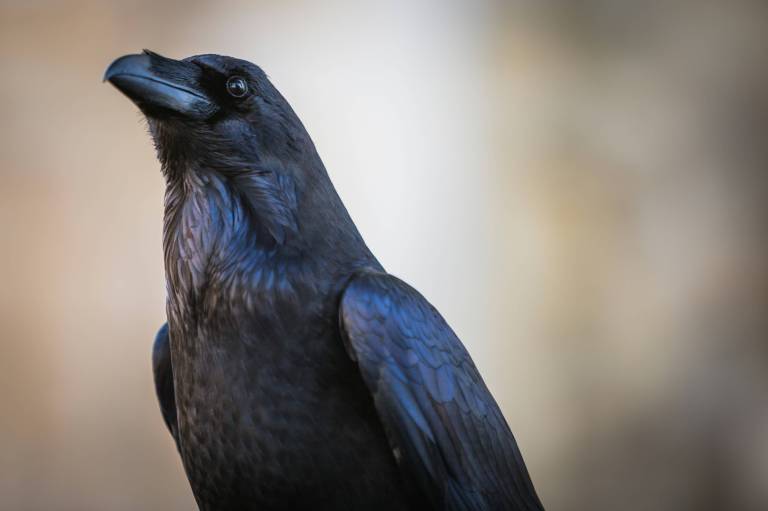
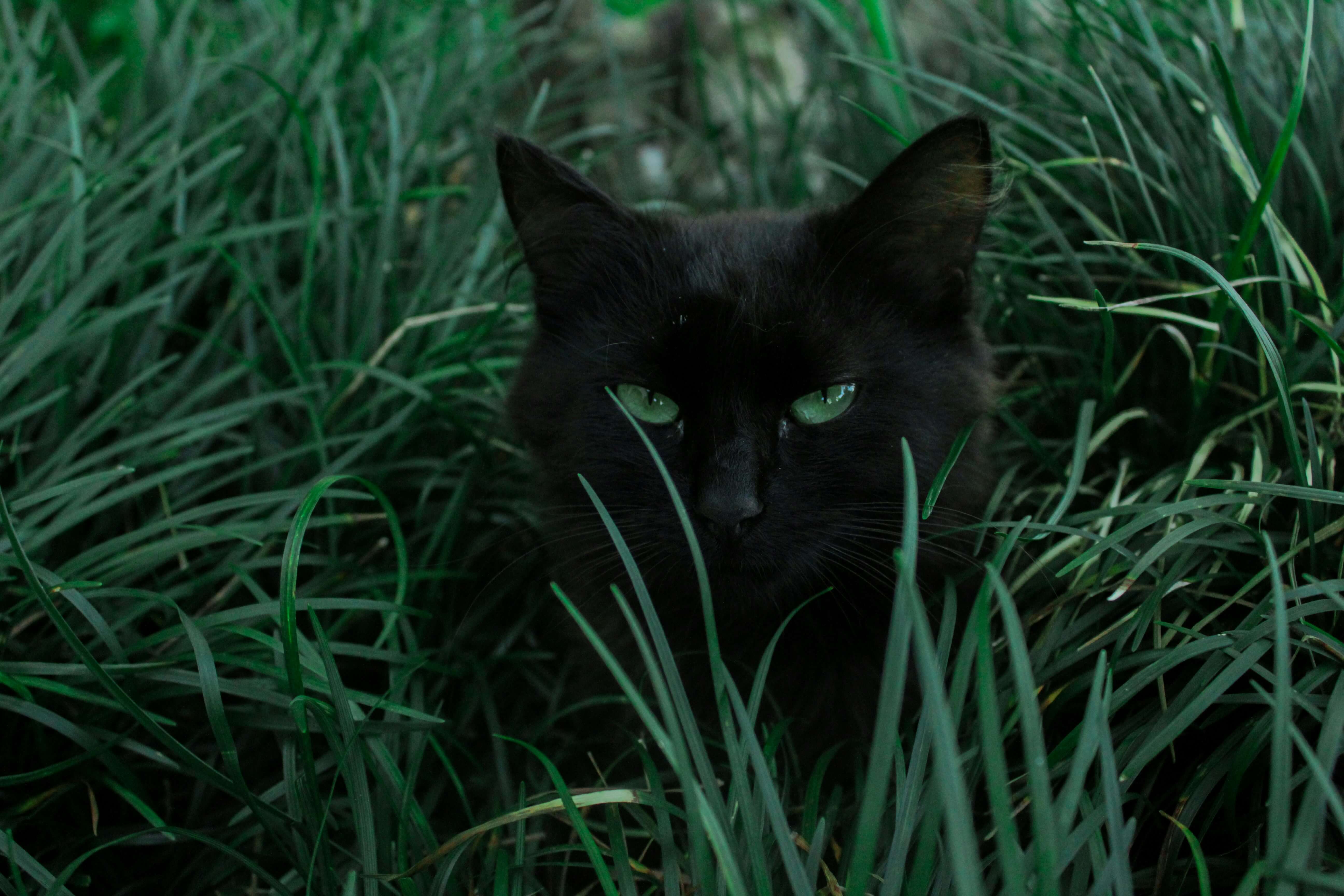
  2. Ravens (my faves)
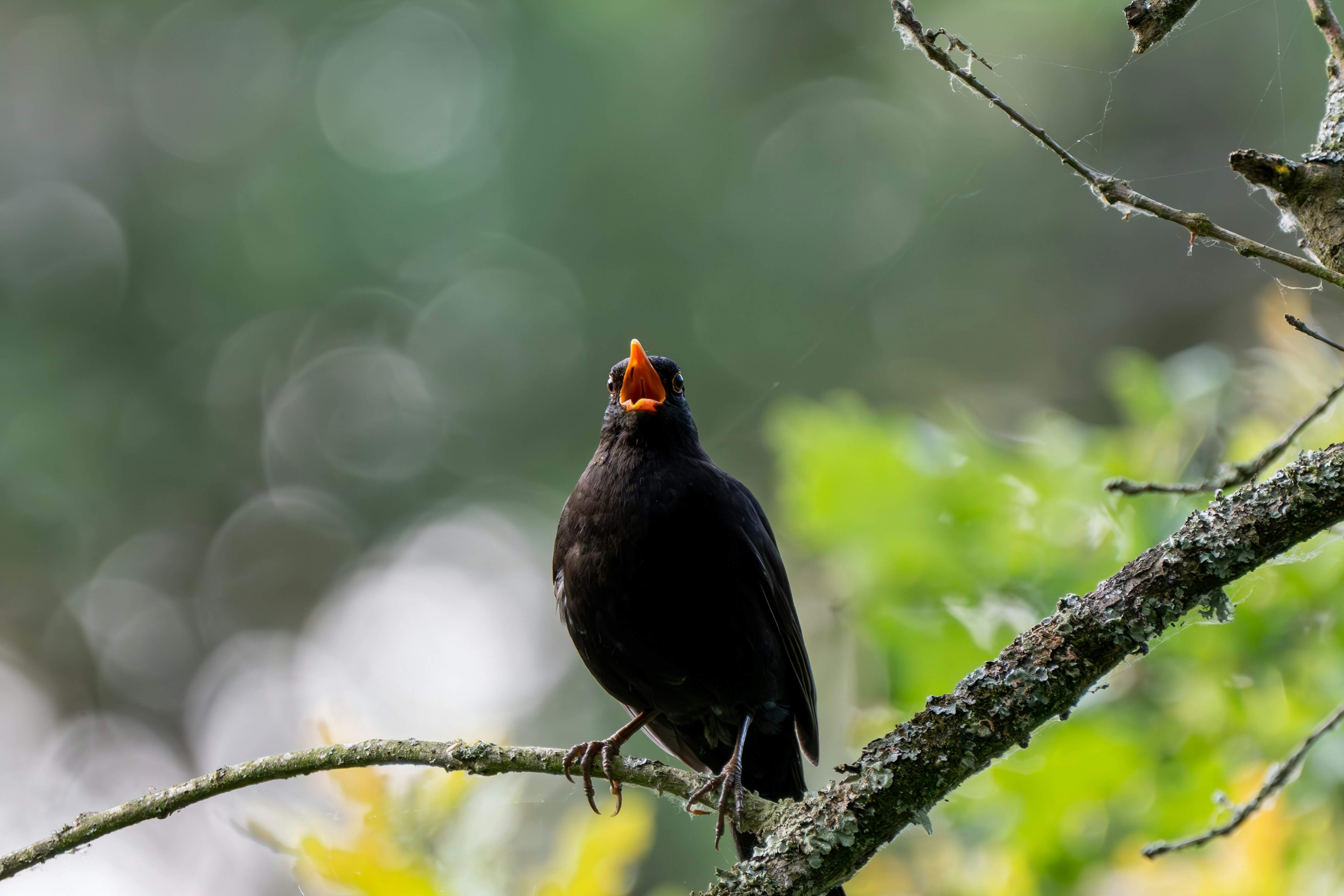
  3. Blackbirds
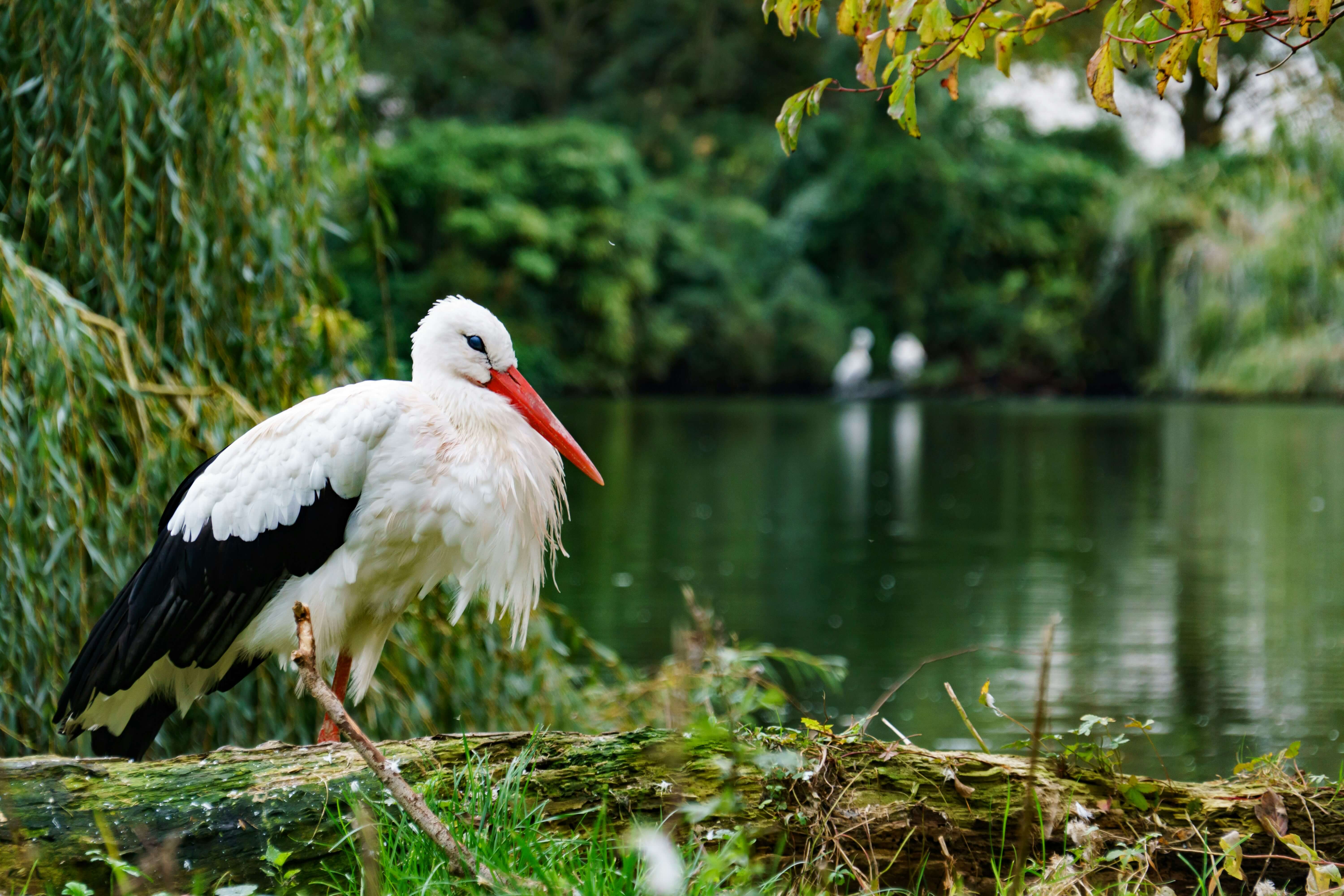
  4. White storks (lucky if you see them, but they’re around)
  5. Tawny owls (the shy ones)
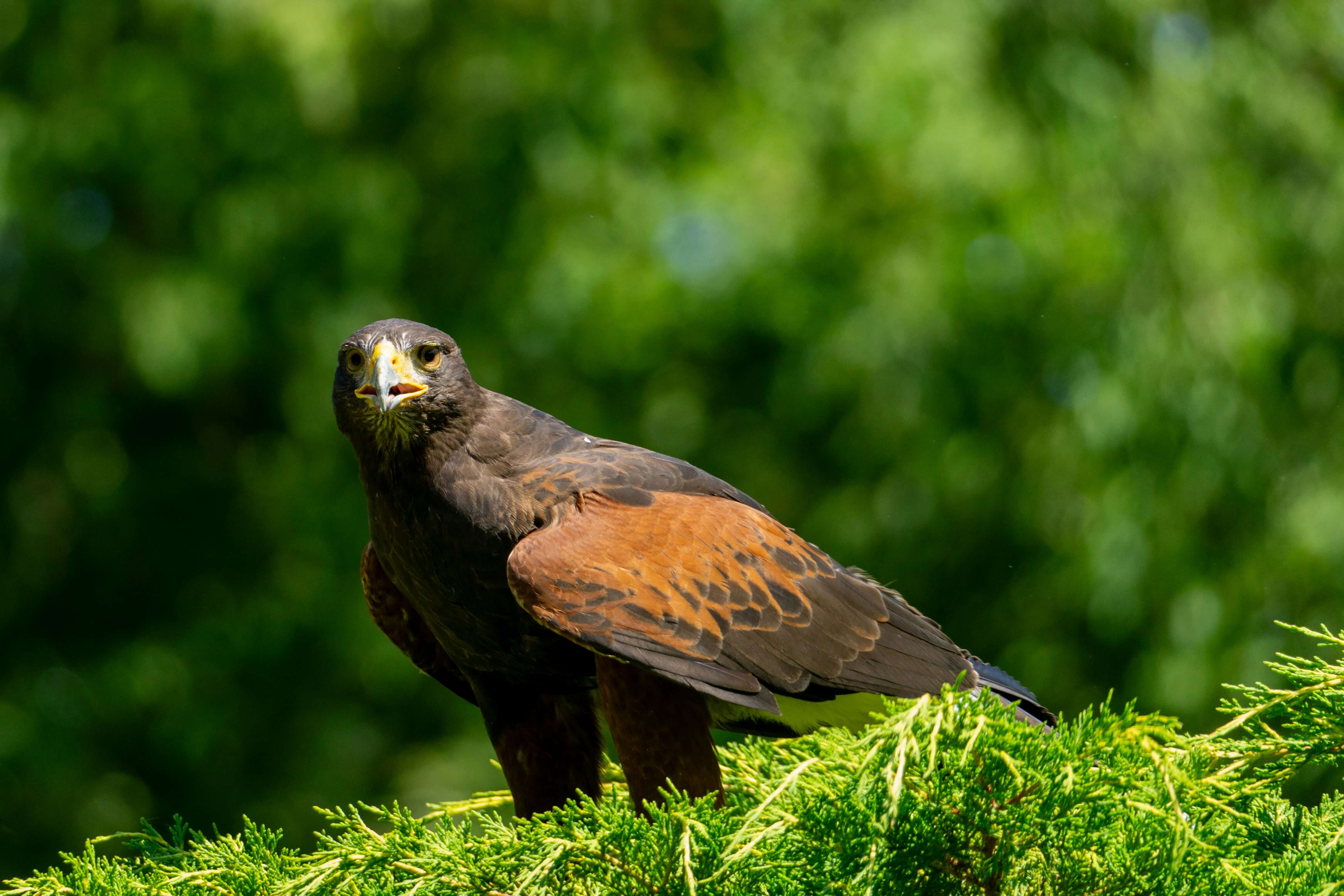
  6. Common buzzards
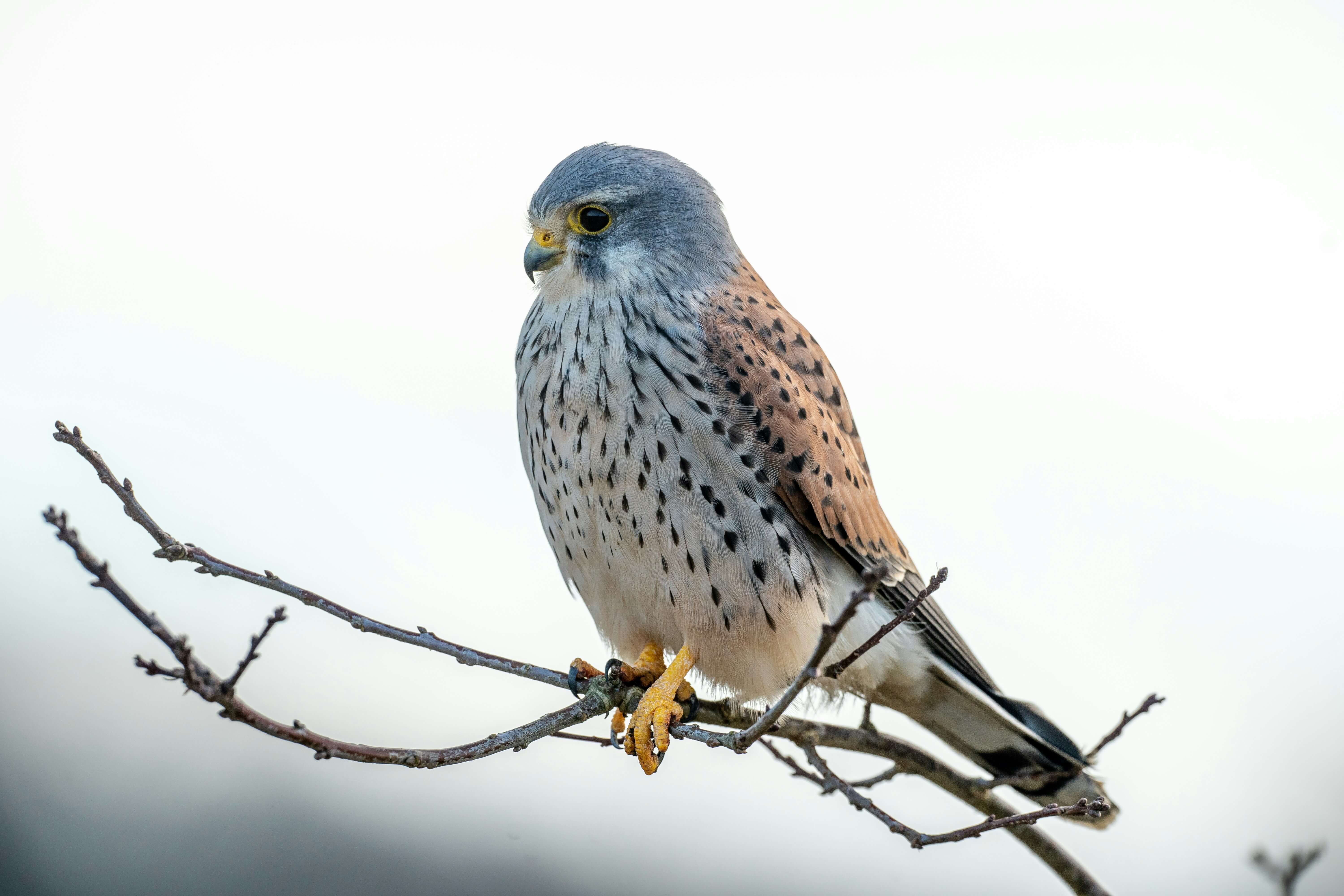
  7. Common kestrels
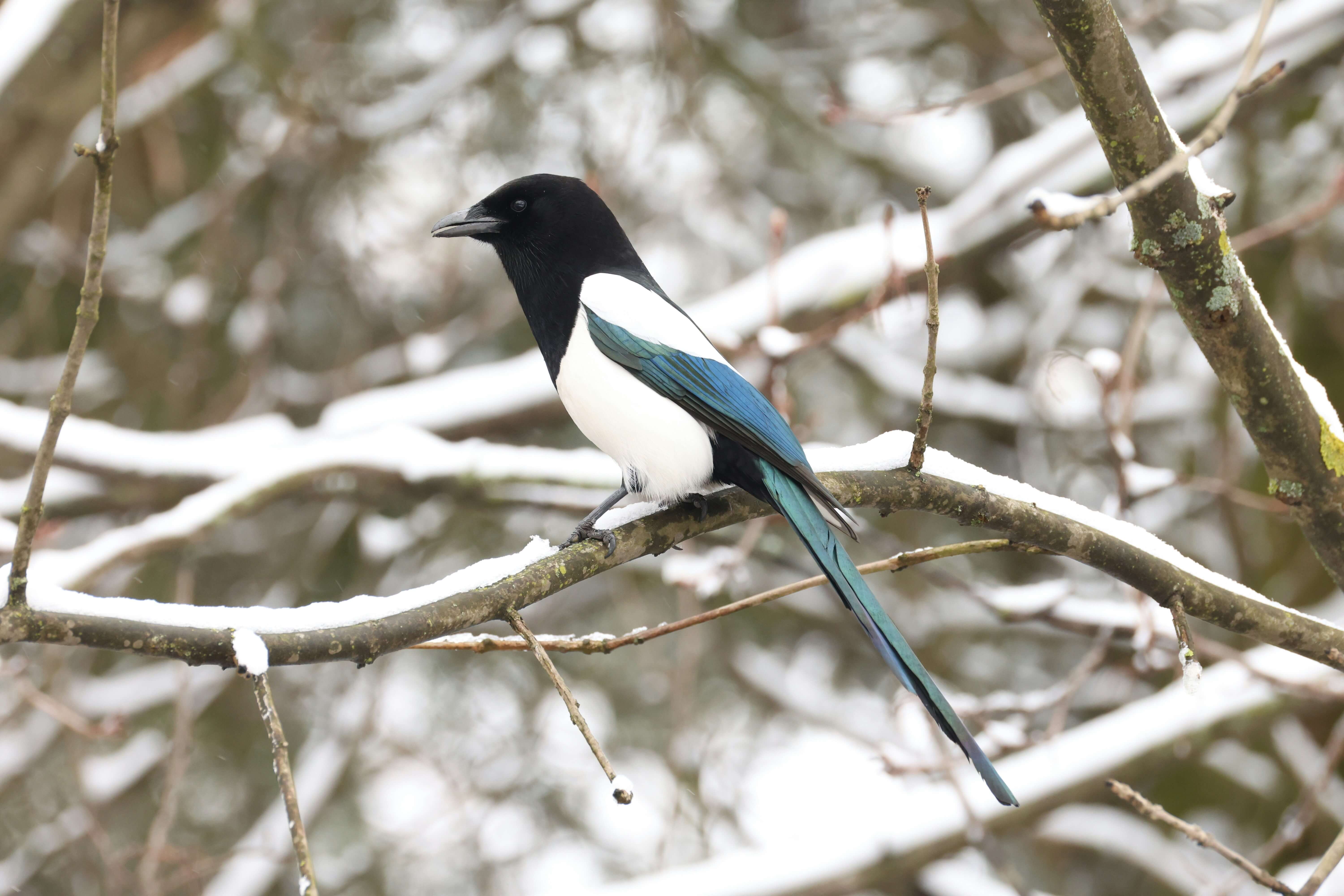
  8. Eurasian magpie
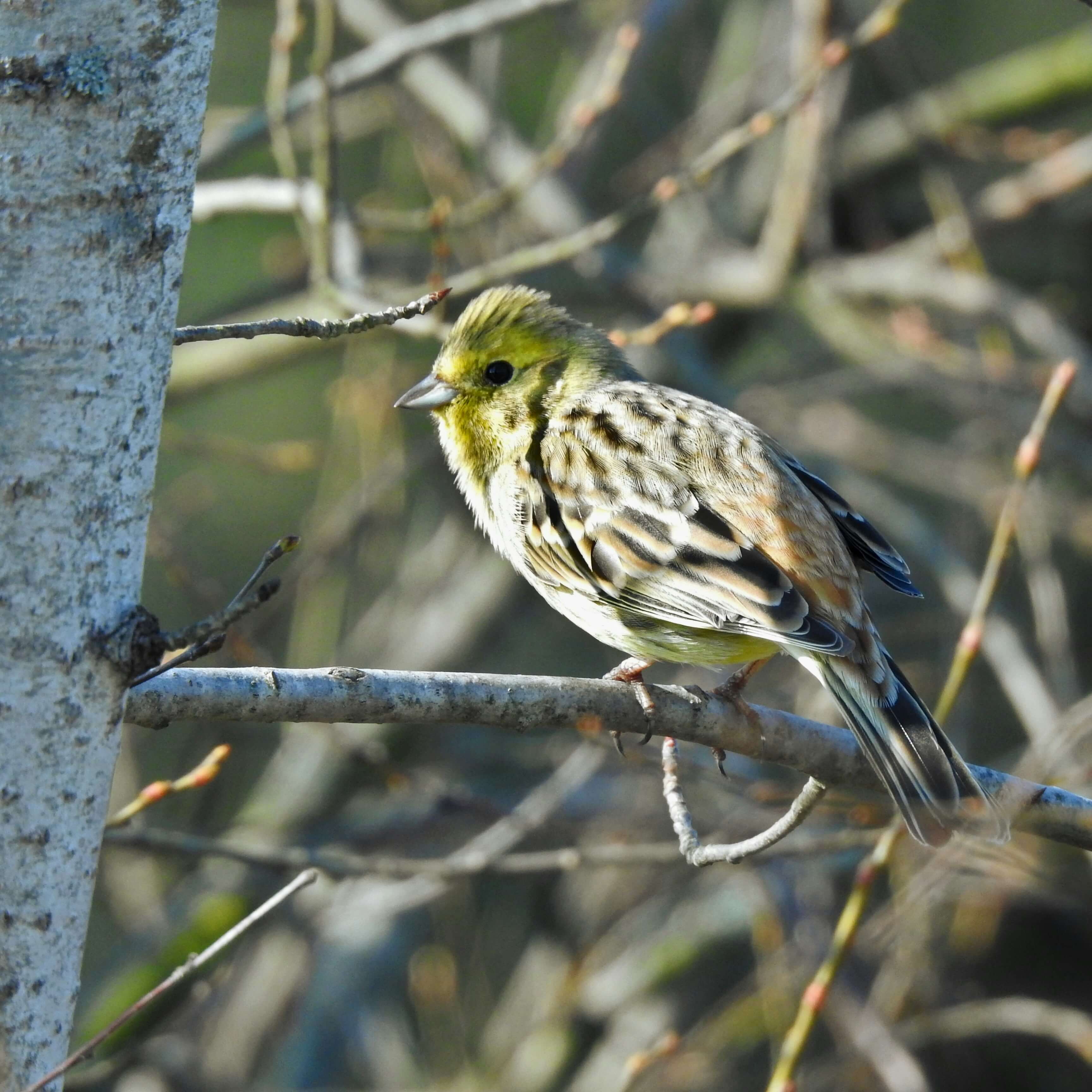
  9. Eurasian siskin
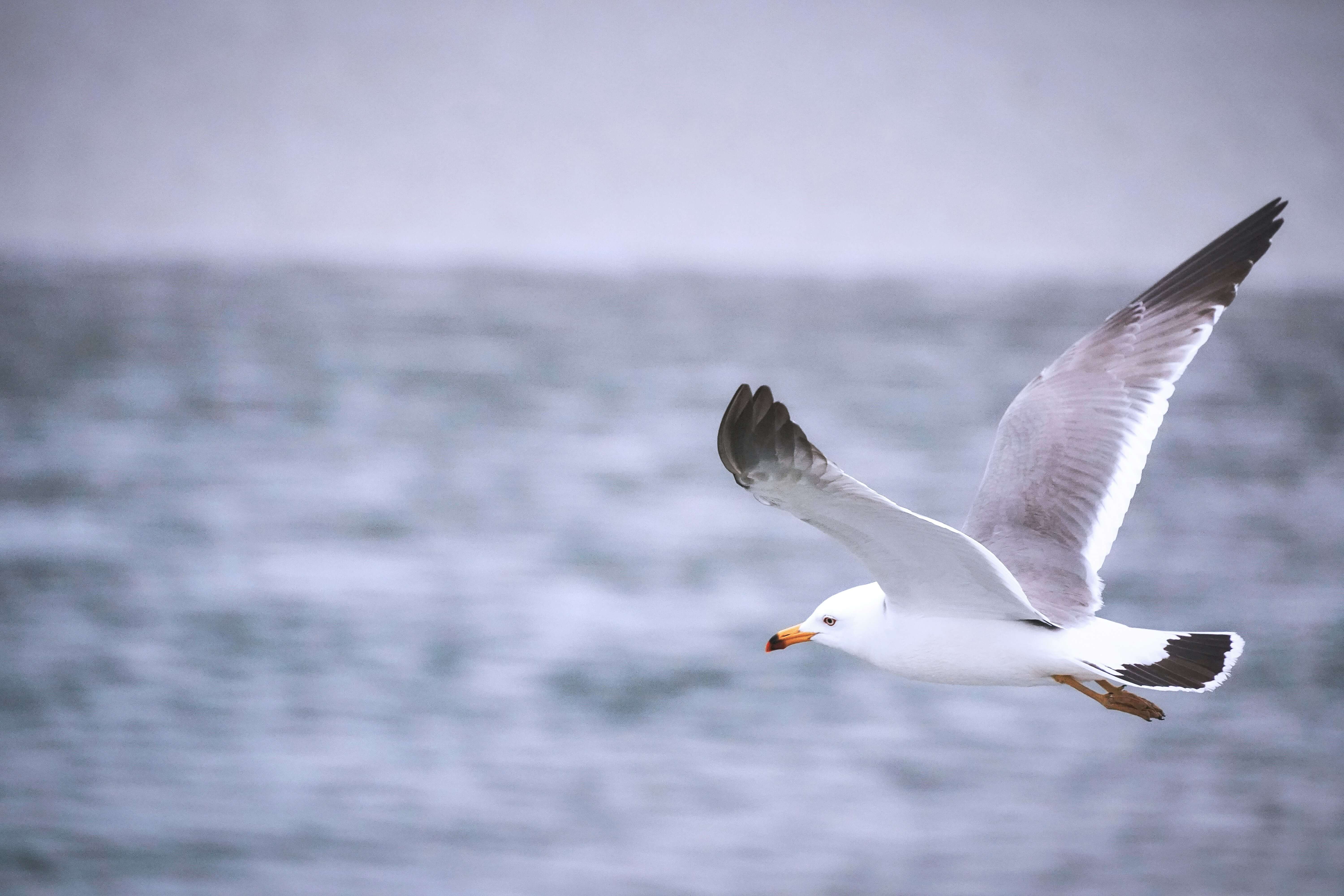
  10. Seagulls
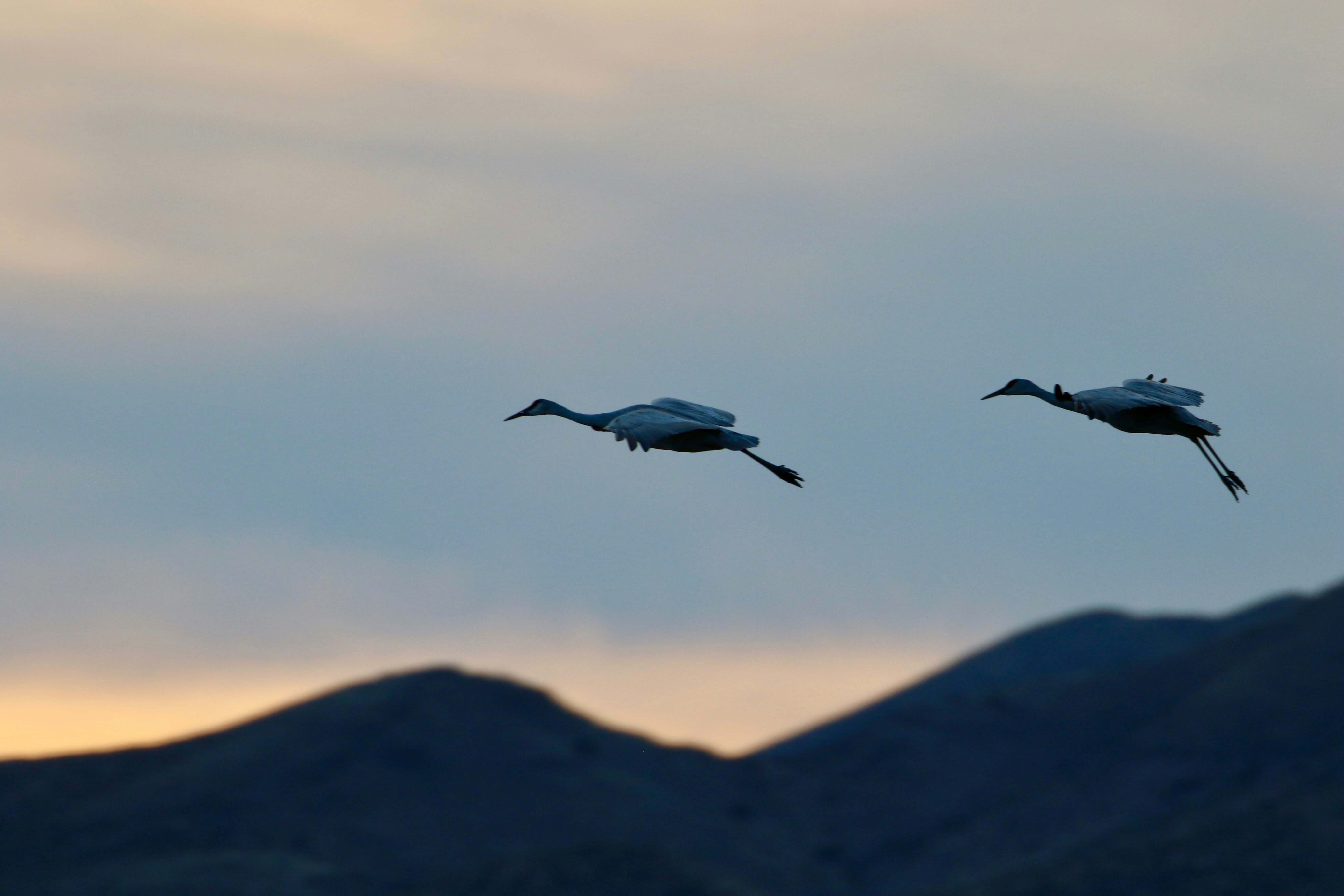
  11. Cranes

Pretty awesome, right?

Thank you for stopping by.

Teekay

Why We Love Nature but Keep Destroying It

How can we do better, collectively?

My self-professed love for nature is no secret to my readers.

Being close to nature is and has always been my thing.

Nature is wondrous, full of beauty and peace.

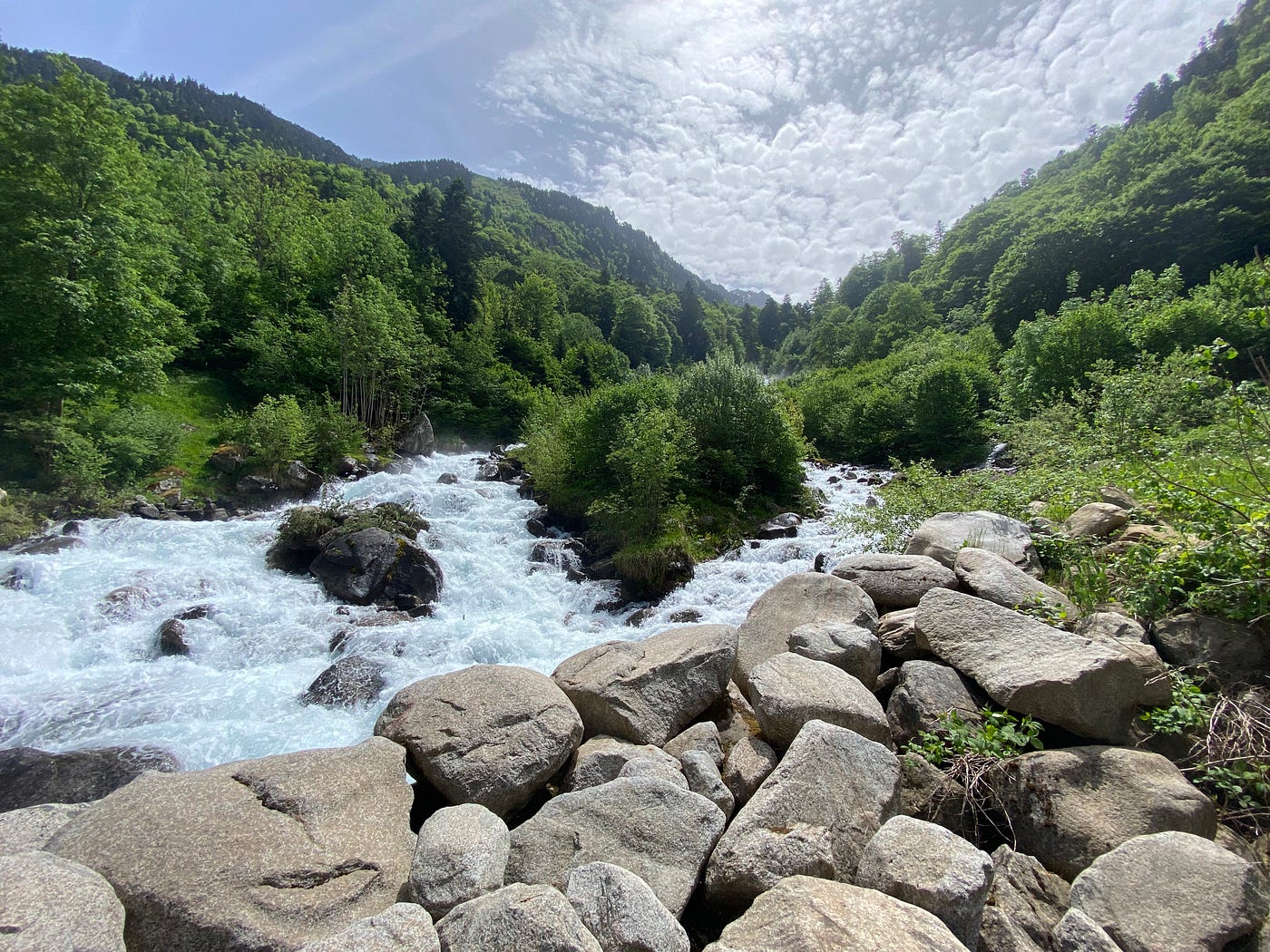
Hiking photo by Teekay Rezeau-Merah
Hiking photo by author Teekay Rezeau-Merah

The reason I became a vegan minimalist was mainly to protect it and its inhabitants.

But doing so opened my eyes on a fascinating paradox, especially in the vegan and vanlife communities; a paradox I ponder upon on a daily basis.

Spending more time in the great outdoors allowed me to come to a poignant realization: The very nature that we, avid nature enthusiasts and animal lovers, hold dear to our hearts, is the very same nature we often unwittingly damage with our bad habits.

How can we enjoy something so much while simultaneously participate in its destruction?

Teekay @teekayrezeaumerah
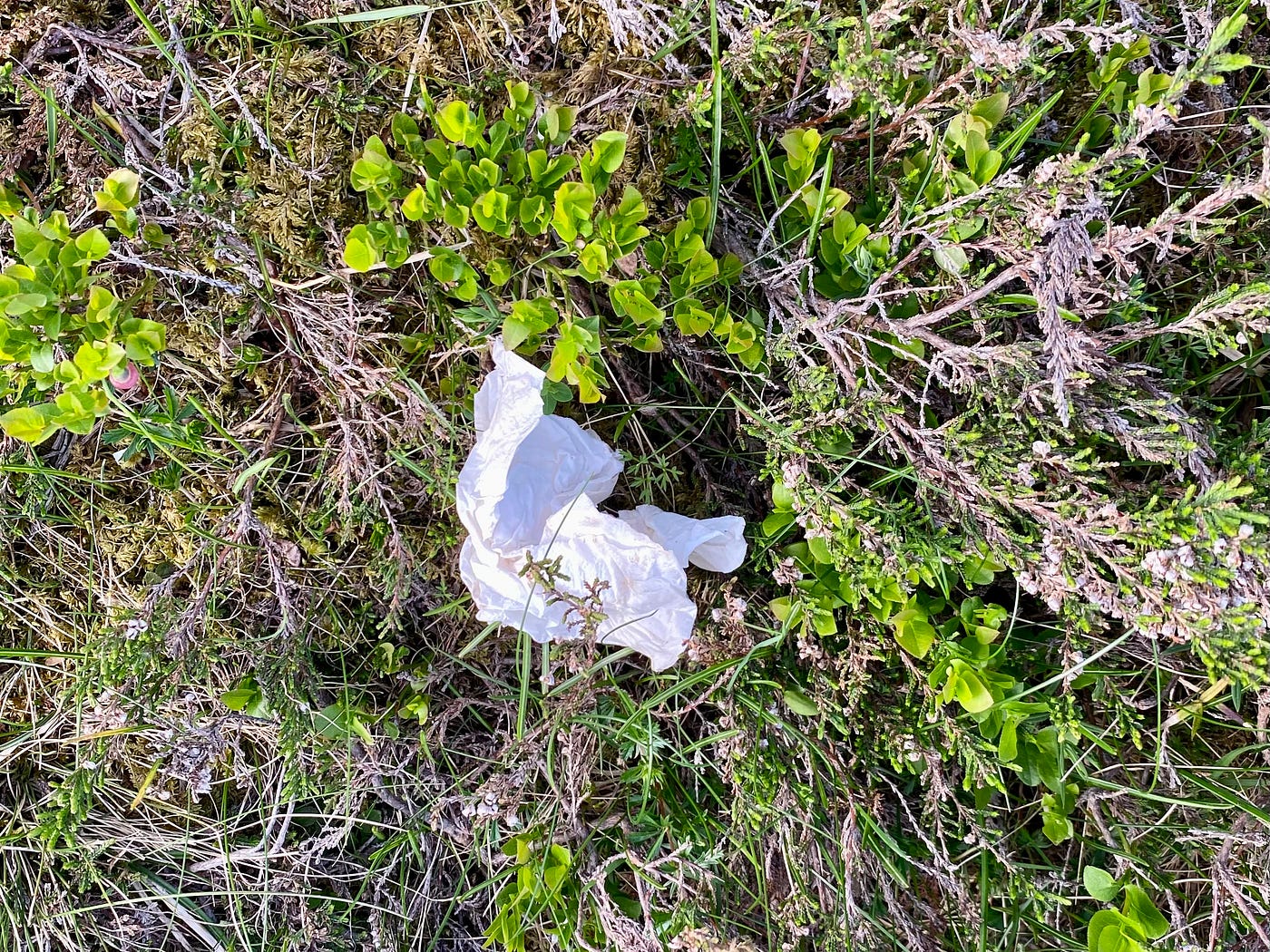
Please don’t leave toilet paper in nature (photo by author)

Well, here’s where my thinking is at the moment.

  • Reasoning

First of all, I want to make something clear: As pragmatic as I can be, my personal belief is that human beings are born good.

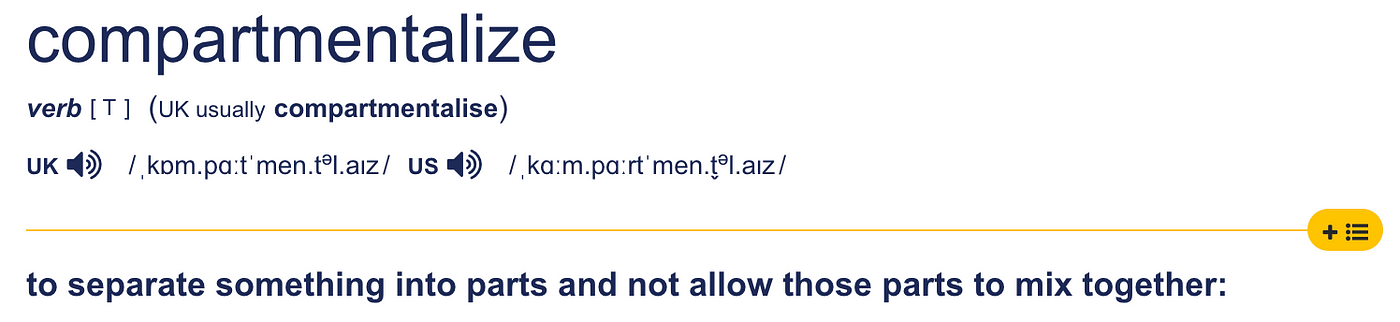
However, human beings are also amazing at compartmentalizing.

meaning of compatmentalize by Teekay Rezeau-Merah
Screenshot by author

A fitting illustration of my point is that of individuals who profess to be staunch advocates for human rights, yet they contradictorily sport Nike shoes, H&M dresses and Zara pants.

Note: If you don’t know what I’m hinting at, read this.

The same can be said about vegans who consume palm oil, or vanlifers who consume animal products (that destroy the very nature we want to be surrounded by).

Now look, I always say life is all about balance, and I believe it is, but sometimes — often times — rocking something ethically sourced won’t hurt you in any way, shape or form. Perhaps you’ll pay more for it, but you don’t have to if you buy second hand.

This applies to almost all consumables.

So the first takeaway from this piece is to think twice before your next purchases. Always consider the added value of what you buy, its environmental impact and whether there are other alternatives.

That’s one way to tackle this paradox.

Another reason we engage in actions that cause harm to nature is our toxic sense of entitlement, or deservingness.

This manifests itself in different forms: Arrogance, greed, boastfulness or in some cases, negative narcissism.

Some of us behave as if the world owes us. This sense of entitlement emanates from a lack of self-awareness and gratitude, which itself is the result of a Godless, non-religious and non-spiritual society.

Many people believe, wholeheartedly and arrogantly, that everything they have was owed to them.

Hustle culture prescribes “hard work and determination” as the ultimate solution for success, often discarding external factors that also contribute to one’s accomplishments.

Unfortunately, such attitude blinds us from seeing the bigger picture: That none of what we have, none of what we achieve is truly ours, and that it can be taken away from us at any time. It will be when we die.

More humility would do us all a world of good, and without it, we will continue indulging in things that harm us and everything we love.

When the last tree has been cut down, the last fish caught, the last river poisoned, only then will we realize that one cannot eat money. — Native American saying

The third reason behind this great paradox is our lack of concern for the future.

In other words, selfishness.

Social Media may have exasperated this, but many people believe they MUST prioritize their own pleasures and conveniences over the well-being of the environment and future generations.

It’s sickening when you think about it.

But I don’t blame us, not entirely. If anything, we were programmed and brought up this way, but it’s time for a change, a big one.

As a matter of fact, we can’t live like we did 30 years ago, times are changing and so should we, evolution and all.

Indeed, our planet can’t sustain our greed and selfishness for too long, and the time to turn things around is now.

I would never advocate for anything radical, life is all about balance once again.

As such, we don’t have to move to self-built huts, nor do we have to wear banana leaves, but it’s our duty to watch what we consume, how we consume it, and what we want to support.

Your dollars are more potent than your vote and your words. So put your money where your mouth is.

  • How

You see, I often write about boycotting certain products: Palm oilwhite sugaranimal products, single use plastic, brands that pollute our water and source their products in Chinese slave camps and Bengali/Indian sweatshops, brands that support wars, so on and so forth.

To take part of this would make the world significantly better. To do so and to raised our collective awareness is as close to perfection as we can get.

That and reversing consumerism. Remember, minimalism (and essentialism) isn’t just an aesthetic, it’s a philosophy.

In 1927, a Boston-born, Harvard educated son of immigrants went to work for Lehman Brothers. His name was Paul Mazur and his interest in the economics of consumption and retailing made him a rising star in the investment banking establishment for more than 50 years.

Mostly he was responsible for manipulating the psyche of the American consumer. — Sherry Truitt

His philosophy in a nutshell:

“We must shift America from a needs, to a desires culture,” He wrote. “People must be trained to desire, to want new things even before the old had been entirely consumed. We must shape a new mentality in America. Man’s desires must overshadow his needs.

Man’s desires must overshadow his needs.” That’s a powerful statement, and a scary one.

So you see, as stated above, human beings are born good, but we were led astray for many decades.

Indeed, our actions are often shaped by cultural and societal norms. Unfortunately, said norms favor efficiency and convenience over wellbeing and ethics. They also favor desires over altruism and consumerism over self-awareness.

We all follow patterns and attitudes considered “normal” in our society, hence why we hardly question anything.

With that being said, let’s not forget that we’re still human, and luckily for us, God bestowed upon us reason and logic.

God gave us free will too, so it’s on us to outgrow our biases and harness original thinking.

  • Final word

All in all, the paradox of enjoying and destroying nature at the same time is a complex and deeply ingrained issue.

It’s not just about individual behavior, it’s rooted in our cultural, political, and economic systems, making it extremely difficult to shake off.

The one thing I want to leave you with is to question things and at least make sure your actions are aligned with your values, that’s it.

Perhaps some of us have a stronger moral obligation to protect nature, while others don’t. That’s okay, life can’t be perfect and neither can we, but does that mean we should stop trying?

Peace!

Tee.