Bordeaux by Teekay Rezeau-Merah

Living in Bordeaux, mostly pros and some cons

Bordeaux was never the plan

I never planned on living in Bordeaux.

Like, at all.

I never thought it would become anything close to “home” either. Actually, I don’t even really know what home means.

Not in a fake deep way.

Not in the cliché traveler way where people say “home is wherever the heart is” and then post a picture of an airport window or whatever.

I mean it literally.

I’ve moved too much, traveled too much and lived in too many different places to tie that word neatly to one city, one country, one childhood street or one fixed point on a map.

Some people have that.

A place they come from.

A place that explains them.

A place they can point to and say, yeah, that’s home.

I don’t really have that.

So when I say Bordeaux became important to me, I don’t mean it became home in the normal sense.

I just mean it’s one of the rare places where staying made sense.

And for me, that’s already a lot.

What living in Bordeaux is actually like

I’ve lived in and around Bordeaux for years now, after living in places like New York, Barcelona, Lyon, Buenos Aires, Sydney, Addis Ababa, Penang and Hong Kong.

So this isn’t a tourist guide.

It’s not a “48 hours in Bordeaux” thing.

It’s not about where to take cute pictures, where to drink wine or which square looks best on Instagram.

This is a personal look at what living in Bordeaux is actually like. The beauty, the comfort, the cost, the rain, the summer heat, the transport, the vegan options, the access to nature and the strange feeling of a city that somehow made sense to me.

Somehow, over the years, Bordeaux ended up being the place I stayed the longest.

Funny how these things play out.

What’s also interesting is that it wasn’t because I woke up one day and thought, yes, this is the city where I’m going to build my life.

It just kept making sense to stay a little longer.

Then a little longer again.

I’ve been in France on and off for around 20 years now, which is actually mad when I write it down. At one point I studied in Lyon and listen, Lyon is beautiful. I’m not one of those people who pretends a city is ugly just because I didn’t connect with it.

Lyon has history, architecture, culture, food, all that heavy old French city stuff.

But I never felt that comfortable there.

In fact, when I left Lyon, I genuinely thought I was done with France entirely.

Then one day I drove through Bordeaux and that was kind of it.

Immediate click.

No long intellectual analysis.

No checklist.

No “let me compare quality of life, transport, rent and cultural infrastructure.”

Just a feeling.

Like, ok, I get this place.

That’s it.

And I don’t get many places like that.

The feeling of Bordeaux

Bordeaux is beautiful, but not in a loud way.

That’s probably one of the main reasons I like it.

It doesn’t scream at you.

It’s not trying to be Paris. It’s not trying to impress you with giant towers, endless glass buildings or some fake futuristic skyline.

There are no skyscrapers eating the sky.

No weird corporate city-centre energy making you feel like you accidentally walked into someone’s LinkedIn profile.

There’s light.

There’s air.

There are streets that don’t feel like they’re closing in on you.

If you’ve lived in big cities, you know how quickly you can lose the sky. Everything becomes concrete, traffic, glass, noise, pigeons, people walking too fast, cars everywhere, buildings blocking every bit of openness.

Bordeaux doesn’t feel like that.

At least not to me.

It feels softer.

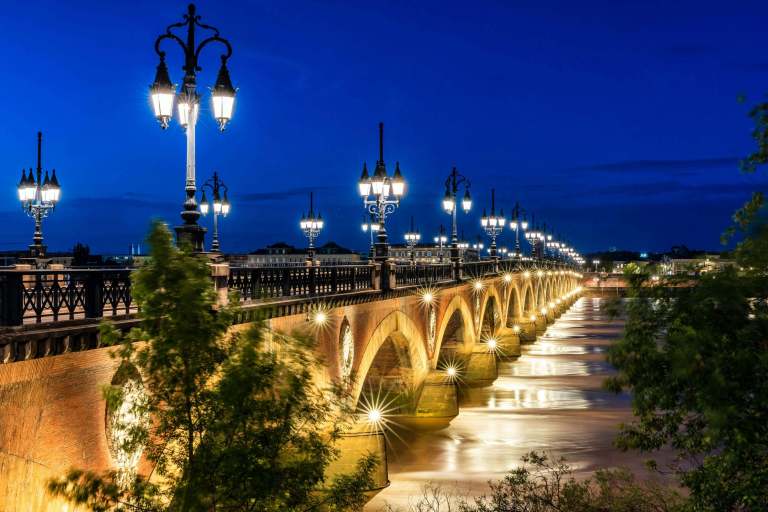
The town hall is genuinely beautiful. The old churches too. The bridges, the stone buildings, the river, the way the city catches light when the weather changes.

Walking around the centre feels visually calm in a way most cities don’t.

Not perfect.

Not magical.

Just soft.

And I like that.

The best things about living in Bordeaux

One of the best things about Bordeaux is that it feels small enough to understand, but not so small that it feels completely closed.

A lot of people in Bordeaux aren’t even really from Bordeaux. They come from nearby towns, the Arcachon Bay, Paris, other parts of France and sometimes somewhere else entirely, like me.

So the city has this mixed energy.

It feels medium-sized, but socially bigger than it looks on paper.

Not too provincial.

Not too massive.

Not too stuck in itself.

That works for me.

Culture is everywhere too, but again, not in a try-hard way.

Montaigne, Montesquieu, Mauriac, universities, opera, theatres. That whole old intellectual background is just there. And yeah, that sounds a bit like something from a tourist office brochure, but you do feel it.

Not every day.

Not every second.

But it sits in the background.

Also, random fact, Bordeaux was the capital of France three times.

Most people don’t know that.

I love facts like that.

Nature, ocean and weekend escapes

Honestly, one of the best things about living in Bordeaux is how easily you can leave it.

Which sounds like an insult, but it really isn’t.

The ocean is just over an hour away.

And not the kind of beach where you’ve got buildings stacked behind the sand, overpriced ice cream stands and people sitting on top of each other.

I’m talking long Atlantic coastlines, dunes, pine forests, surf towns, wind, space.

A completely different rhythm.

You leave the city and suddenly your body remembers that life doesn’t have to feel so tight all the time.

Further south you’ve got the Pyrenees. Sure, they’re about a 3-hour drive away, but still, close enough for a weekend getaway.

Mountains, lakes, hikes, waterfalls, caves, little villages.

A totally different landscape again.

And if you drive inland, say to the Dordogne, you find quiet villages, old mills, open plains and places where everything slows down without asking for permission.

Bordeaux is one of those cities where a short drive can completely change your environment.

That matters to me.

I need nature around me.

Not as an aesthetic.

Not as a weekend hobby.

I genuinely think I get tense without it.

Transport, walking and cycling

Travel is surprisingly easy for a city this size.

You’ve got flights to a lot of major European cities. Paris, London, Lisbon, Madrid, Barcelona, Rome, Istanbul and more.

North Africa is close too, especially Morocco.

Then the TGV gets you to Paris in about two hours, which still feels a bit unreal when you think about it.

From there, everything connects.

You’ve also got trains to Toulouse, Nantes, La Rochelle and other places, plus coaches if you want to travel more slowly into Spain or Portugal.

The city gives you options.

I like places that give you options.

Inside Bordeaux itself, public transport is decent.

Not perfect.

Rush hour can be annoying. The tramway gets packed. Buses can be a bit much sometimes.

But overall, it works.

And the city is walkable, which changes everything.

A city you can walk through is not the same as a city you only pass through.

Cycling is easy too. You can get almost anywhere by bike, which makes owning one feel less like a lifestyle choice and more like common sense.

Just lock it properly.

Actually, lock it very properly.

Bike theft is real.

Weather in Bordeaux

The weather has its own personality.

It rains a lot.

Like, a lot.

People complain about it, but I’ve never really hated Bordeaux rain. Most of the time it doesn’t feel violent or miserable. Not to me anyway.

It feels more like a reset.

Like the city needed to rinse itself off a little.

Summers though?

Yeah.

Summers can be rough.

Sometimes too hot.

I usually leave during peak heat when I can, because Bordeaux in a heatwave is not my favorite version of Bordeaux, that’s for sure.

That’s one thing people should know before moving here.

Bordeaux can look soft and elegant for most of the year, then suddenly become heavy, hot and uncomfortable in summer.

Still beautiful.

But sweaty.

Daily life in Bordeaux

The centre has character.

Small local shops, thrift stores, cafés, concept stores, cobblers, vinyl shops, second-hand electronics, markets.

There’s even a monthly vegan market, which is rare enough to matter in a city this size.

It’s relatively clean and relatively safe too.

People argue about safety a lot, especially online, because apparently everything has to become a dramatic debate now.

But in normal day-to-day life, compared to many urban places, Bordeaux still feels fairly balanced.

There’s greenery as well. Parks, trees, open little pockets of space.

Not enough trees in the very heart of the city in my opinion, and still too many cars, obviously.

But the base is solid.

It’s a city where you can have a normal day without feeling like the city is attacking your nervous system.

That might sound small.

It isn’t.

Cost of living and rent in Bordeaux

Now, let’s not romanticize it too much.

Bordeaux has problems.

Rent is ridiculous for what the city offers in terms of work.

That’s probably one of the biggest contradictions of living here.

The city became desirable, people came, prices went up and now you get this strange gap between the lifestyle Bordeaux sells and the economic reality many people actually live with.

It’s beautiful, yes.

It’s comfortable, yes.

But comfort is never neutral when people are priced out of it.

That’s the thing with cities like Bordeaux. They look soft from the outside, but they still carry all the usual pressures underneath.

Rent.

Work.

Class.

Tourism.

Gentrification.

The slow replacement of ordinary life by polished lifestyle.

It’s not Paris-level brutal, obviously.

But it’s there.

And if you’re thinking of moving to Bordeaux, you should know that the city can be expensive compared to the job opportunities available locally.

Beautiful cities always know how to charge for their beauty.

Vegan life in Bordeaux

Vegan life in Bordeaux is manageable, but limited.

That’s probably the most honest way to put it.

You can find options. You can eat out. You can shop. You can make it work.

But if you’re coming from bigger cities with stronger vegan scenes, Bordeaux will probably feel small.

Not impossible.

Just not abundant.

There’s a monthly vegan market, which I appreciate, and there are some good places around the city, but it’s not the kind of place where vegan food is everywhere without thinking.

You still have to look.

You still have to plan a little.

And sometimes you still end up eating fries and pretending that’s a meal.

It happens.

The downsides of living in Bordeaux

So no, Bordeaux isn’t perfect.

No city is.

Rent is too high.

Transport isn’t cheap.

Bike theft is very real.

Summers can be intense.

Vegan options are still limited compared to bigger cities.

There are still too many cars.

The centre needs more trees.

And there’s this strange seasonal emptiness where a lot of people leave during summer, especially since many residents aren’t originally from there.

The city kind of exhales and partially empties out.

Some people hate that.

I get it.

It can feel peaceful, but also a bit strange, like everyone quietly agreed to disappear at the same time.

Bordeaux can also feel a little too comfortable sometimes.

That might sound like a fake complaint, but I mean it.

Some cities push you. Some cities rough you up. Some cities force you into movement.

Bordeaux doesn’t always do that.

It can soften you.

Which is nice.

Until it isn’t.

So, is Bordeaux a good place to live?

Yes, if you want a beautiful, walkable, culturally rich French city with decent public transport, strong access to the ocean and nature, enough social life to not feel isolated and a softer rhythm than Paris.

No, or not easily, if you need cheap rent, strong local salaries, big-city vegan options, endless nightlife, reliable summer comfort or a city that feels fully alive all year.

For me, Bordeaux isn’t perfect.

But it’s one of the rare places where staying made sense.

And for someone like me, that’s not nothing.

Would I live in Bordeaux again?

Honestly, yes.

In fact, we’re just over an hour away.

I go back almost weekly to volunteer, see friends, run errands or just walk around for a few hours.

And every time, there’s still something.

Not home exactly.

But Bordeaux is one of the few places that ever made me understand why people use that word.

Maybe that’s enough.

If you want to read about another french city I lived in (Lyon), check this article out.

Peace!

Teekay

Lalibela by Teekay RM

A place without clocks

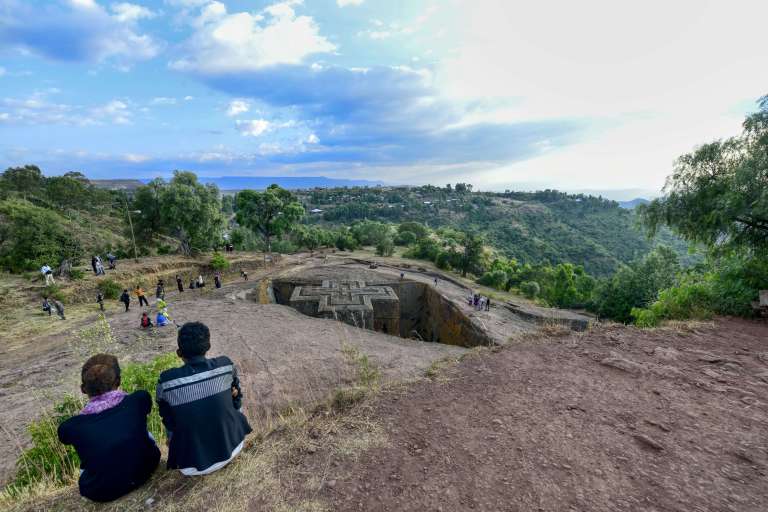
This isn’t fiction. It’s called the African Jerusalem.

People there don’t need clocks. The bees tell the time.

As my readers know, I’m vegan, so I don’t take from animals, not even honey. That hasn’t changed. But in the highlands around Lalibela, I noticed a different way of living with them, one rooted in respect and faith.

I spent four years of my teenage life in Ethiopia, then returned again at 22. Some places stay with you in a way that doesn’t fade, and for me, this is one of them.

Not far from Lalibela, in rural areas often referred to locally as Gueorgis, beekeeping isn’t just a livelihood. It’s something older, something spiritual. Among Ethiopian Orthodox Christian communities, bees are not seen as simple insects. They’re often regarded as pure creatures, sometimes described as reflecting the discipline and harmony of angels. Not because they’re divine, but because they’re part of a creation that follows a precise order, one that humans are meant to observe and respect.

That idea of order shows up everywhere, especially in how people relate to time.

  • The concept of time

There’s a belief I heard more than once while I was there. The bees give the time three times a day. In the morning around what we would call 10, then at midday, and again in the afternoon around 3. These are the moments when their activity peaks, when they leave in visible waves to gather nectar. It’s not a clock in the modern sense, but it becomes one in daily life.

And in many of these rural areas, that matters more than any watch.

Because the reality is that in remote parts of Ethiopia, especially around Lalibela, people have historically lived without precise, mechanical timekeeping. Time is read through the sun, through patterns. Morning begins when the light settles a certain way. Midday is when the sun stands above you. Evening arrives when shadows stretch and the air cools.

People don’t meet at exact hours. They meet in moments. And everyone understands those moments.

There’s a cliché you hear often about Africans being fashionably “late,” about Ethiopians not caring about time. I don’t take that at face value. Without claiming it as a proven explanation, I think it says more about the observer than the people being described.

If your entire system is built around minutes and precision, then anything outside of that looks like disorder. But what if it’s just a different structure?

For instance, in Islamic cultures, time is extremely precise. Daily prayers are tied to exact solar positions. Fasting begins and ends at defined moments. The lunar calendar governs entire cycles of life. Time there is something to be measured carefully and adhered to strictly.

In contrast, in many rural societies, time is lived before it’s measured. It flows with what God has set in motion, rather than being cut into exact units. So what looks like “lateness” might simply be life unfolding without the pressure of the clock.

And Ethiopia takes that even further in a way most people don’t even realize.

It doesn’t just live time differently. It counts it differently.

There’s what we call international time, and then there’s Ethiopian time. In Ethiopia, the day starts at what we would call 6 AM, roughly sunrise. That’s hour one. So what we call 7am becomes 1 o’clock. Noon becomes 6. What we call 6 PM becomes 12. It’s not confusion. It’s consistency with the sun. The first hour begins when light begins.

It’s a system that actually makes a lot of sense. It aligns the clock with lived reality rather than abstract convention.

The calendar follows the same logic.

Ethiopian calendar has 13 months, not 12. Twelve months of 30 days, and a thirteenth month of 5 days, or 6 in a leap year. That last month, Pagume if my memory hasn’t failed me, is short, almost like a pause between cycles.

Thus, the new year doesn’t begin on January 1st. It begins around September 11th. Right after the heavy rainy season, when the land resets, when the skies clear, when life begins again. It’s agricultural, but also spiritual. A renewal that actually follows the environment people live in.

And because of how this calendar was preserved, based on older Christian calculations of the Annunciation, Ethiopia is about 7 to 8 years “behind” the Gregorian calendar. So while much of the world is in 2026, Ethiopia is in 2018.

It’s not that one is right and the other is wrong. It’s that one remained rooted in its own continuity, and I love and salute that.

  • Beekeeping in the African Jerusalem

That continuity matters when you look at places like Lalibela, often called the African Jerusalem. Tied to Gebre Mesqel Lalibela, whose name is understood to mean “the bees recognize his greatness/sovereignty”, it reflects one of the oldest continuous Christian traditions in the world. Christianity has been practiced in Ethiopia since at least the 4th century, long before much of Europe fully adopted it.

So when people bring honey to churches, when priests bless bees and beekeepers, it’s not symbolic in a modern sense. It’s continuity across centuries.

And that continuity is visible in movement too.

During honey harvesting seasons, some people from extremely remote villages set out for the markets of Lalibela, carrying honey in hand-crafted clay jars to sustain their families. They walk for days, not hours, days!

They move across the highlands, guided by the sun, by memory, by instinct. No maps, no schedules. Just direction.

Along the way, they stop at churches. Some of them centuries old, carved into rock. They offer part of their honey. Priests receive it, bless it, sometimes bless the bees themselves. It’s not commerce. It’s passage.

When night falls, they stop.

No tents. No inflatable beds. No modern equipment. They sleep outside, on the ground, with whatever they carry. Then at sunrise, they continue. Dozens of kilometers, step after step, until they reach the central market.

And this still happens today.

Part of what makes this possible is the geography of the Ethiopian highlands, historically known as Abyssinia. Compared to neighboring regions in Kenya or Tanzania, which are home to large populations of dangerous wildlife, the high plateaus around Lalibela are relatively safer. Fewer large predators, different ecosystems. It doesn’t mean there’s no risk, but it makes long-distance walking without protection far more viable.

The beehives themselves are adapted to this environment. Made from hollowed logs, woven fibers, and natural seals, they protect the bees from temperature swings and pests, and can survive in remote areas with minimal attention. Over generations, this system has allowed Ethiopian beekeeping to continue for at least 1500 years, deeply tied to the rhythms of the land.

The climate shapes everything too. Much of Ethiopia doesn’t follow four seasons, but cycles of rain and dryness that vary by altitude. Life organizes itself around what is given, and when it’s given, whether for people or for bees. In this context, priests play a role. Honey and candles are brought to churches, blessed, and prayers are offered for people and their bees.

Provision ultimately comes from God, and humans participate within limits they cannot control.

Even so, tension remains. People treat the bees with care and respect, but taking honey is still taking. Even when done carefully, it remains a form of exploitation. It may be necessary, it may be balanced, but it must also be acknowledged.

What stayed with me after all these years and despite how much I traveled was the alignment. A place where time is not just counted differently, but felt differently. Where a day doesn’t begin at midnight because a clock says so, but when light actually appears. Where a year resets not in the middle of winter, but after the rains have passed. Where journeys are measured in effort, not in minutes.

In a place like Lalibela, you start to question what we consider “normal.”

Maybe precision isn’t always clarity.

Maybe being “on time” isn’t always being in sync.

And maybe there are ways of living, still existing today, that haven’t forgotten that time was never meant to be owned, only followed.

Thanks for reading.

Teekay
Raven

Neighbors of Lacanau Océan

Small worlds at the edge of the ocean.

Living near the ocean and surrounded by forest comes with a quiet gift: the constant presence of small, living worlds brushing past my own.

In 2024, my wife and I moved to Lacanau Océan almost by accident and immediately fell in love with the area, especially during the off season, when silence settles in. Beyond the calm and the sense of space, what stays with me most is the wildlife I encounter on my daily walks near the ocean and through the forest.

Below is a little gallery of animals I come across regularly, depending on the season. I’m probably forgetting some.

A list of land animals

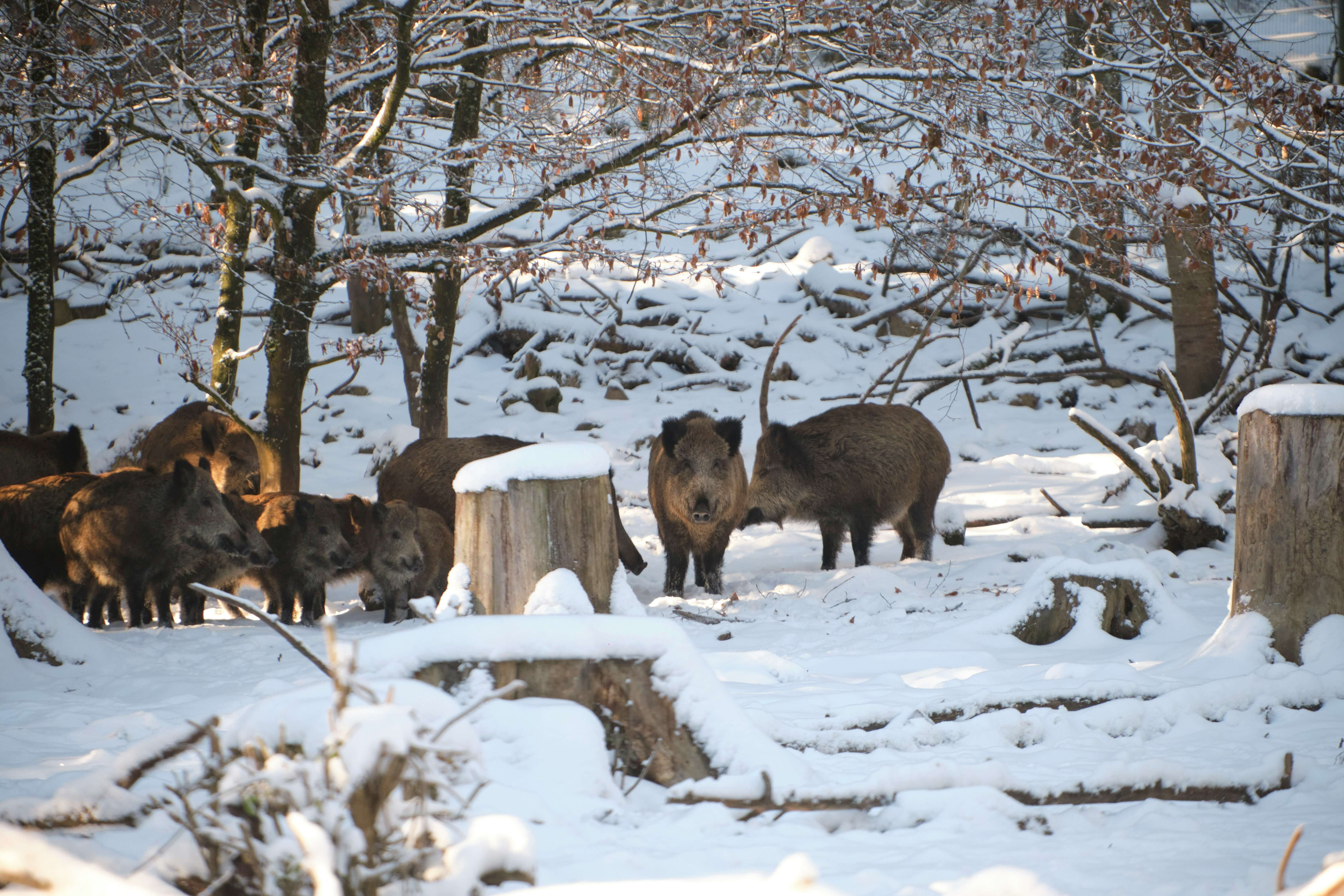
  1. Wild boars
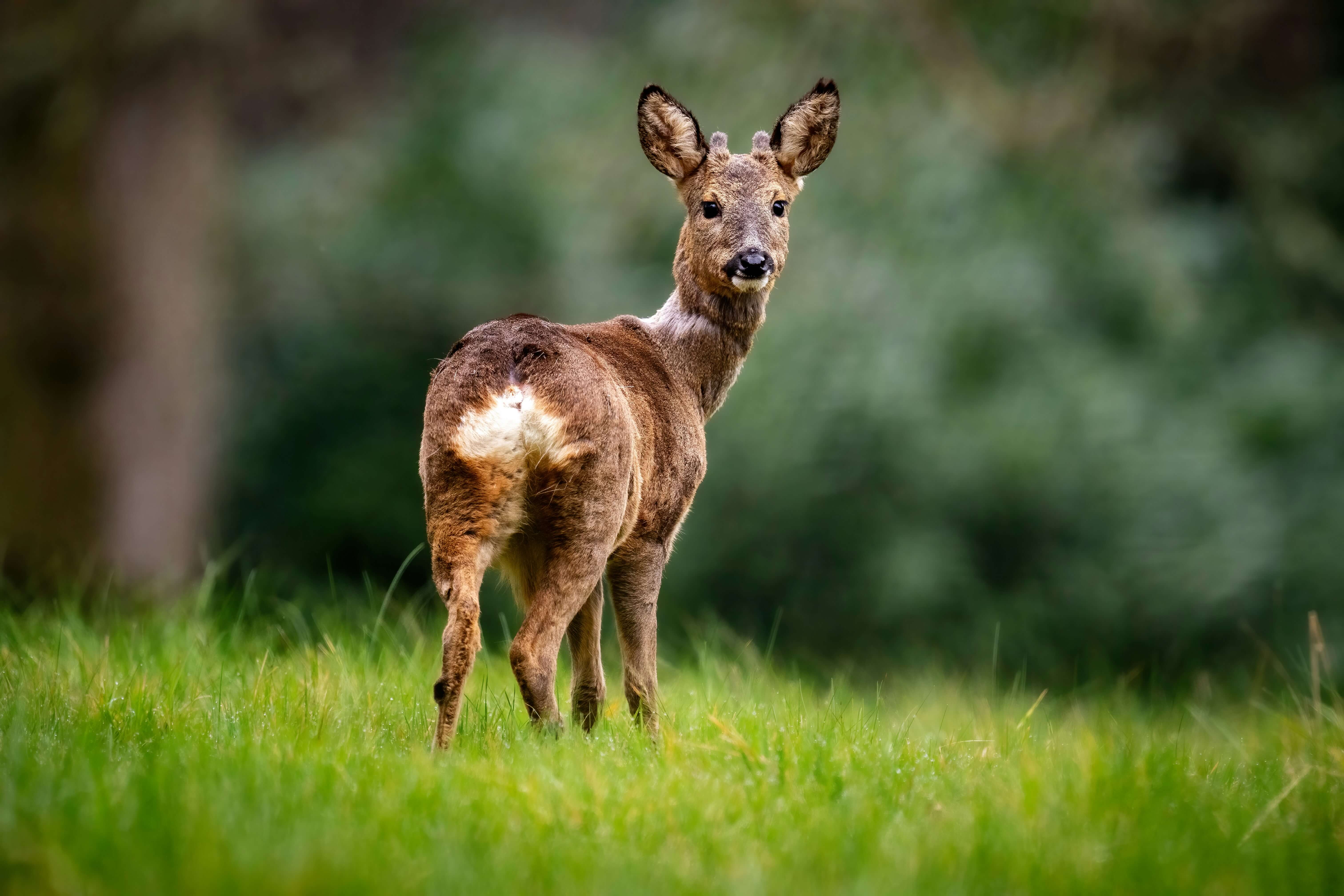
  2. Roe deer
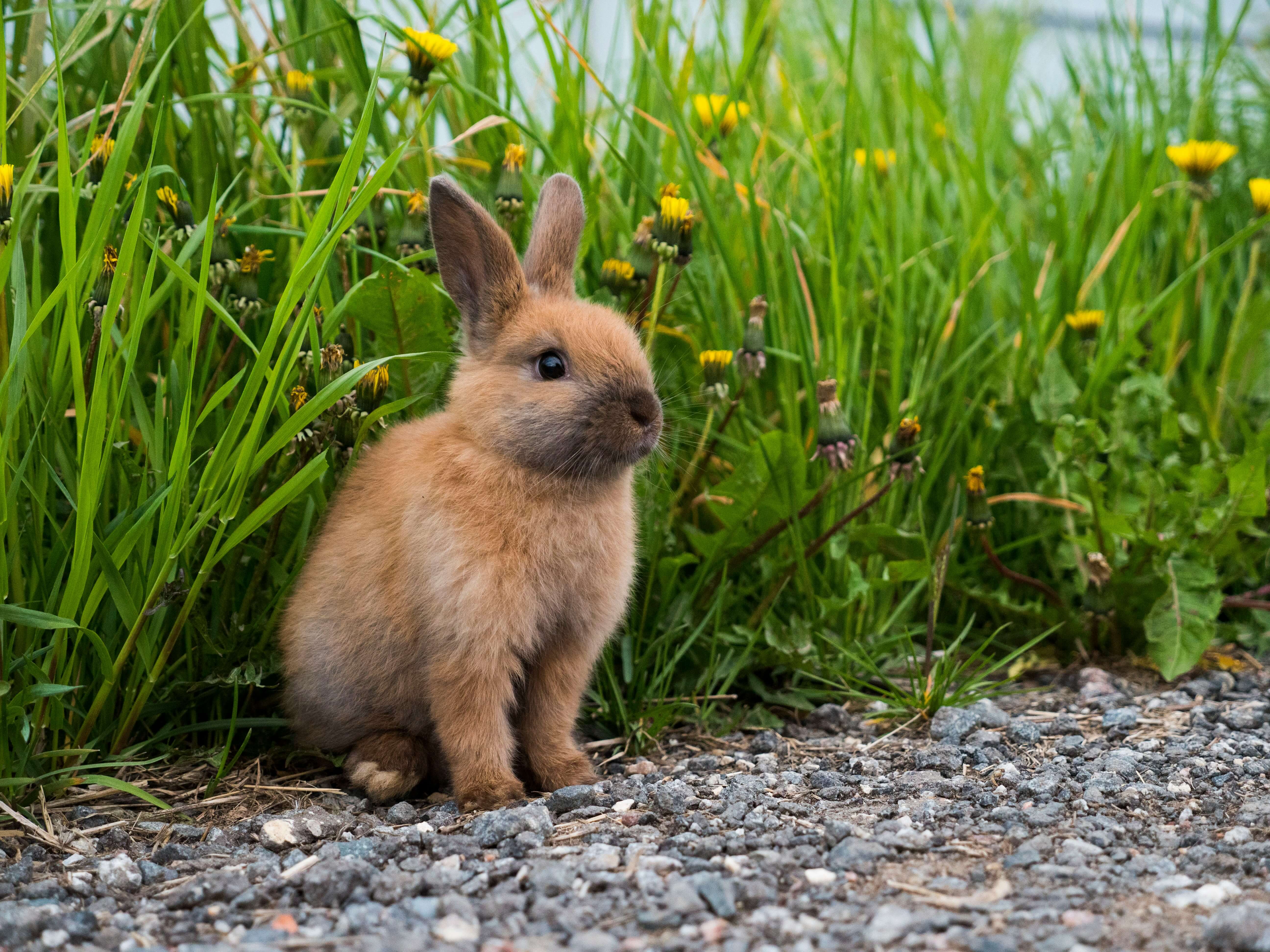
  3. Rabbits
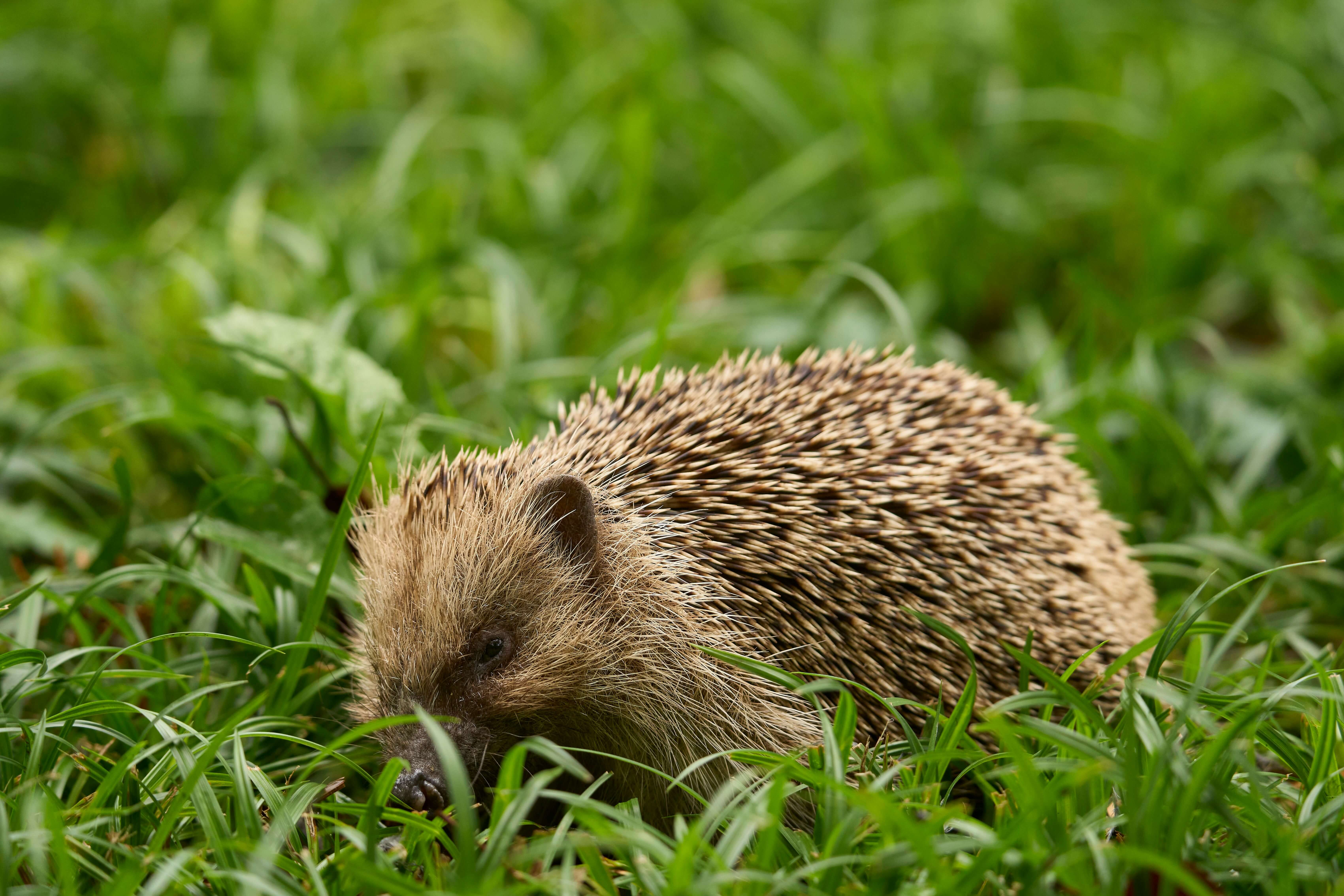
  4. Hedgehogs
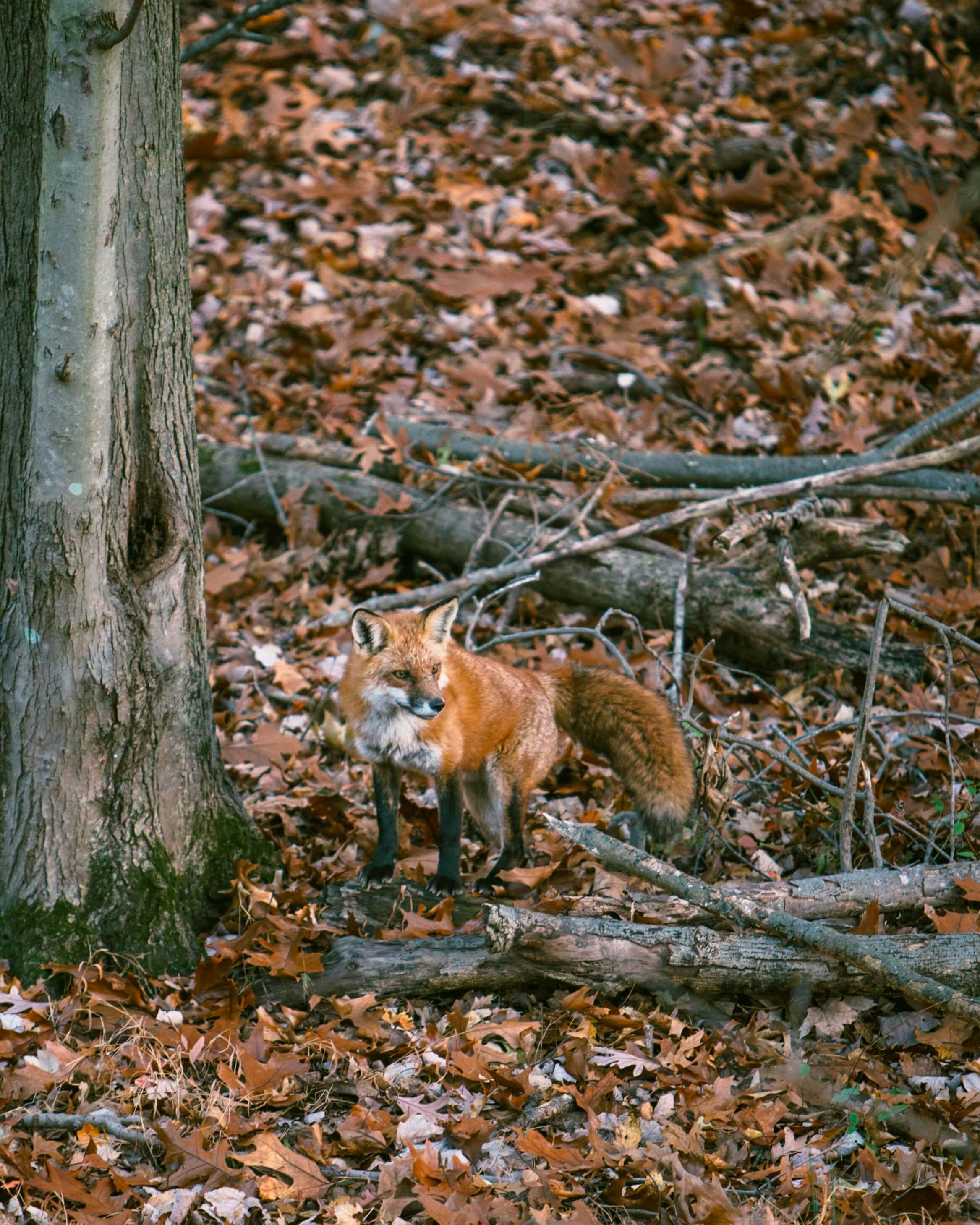
  5. Red foxes
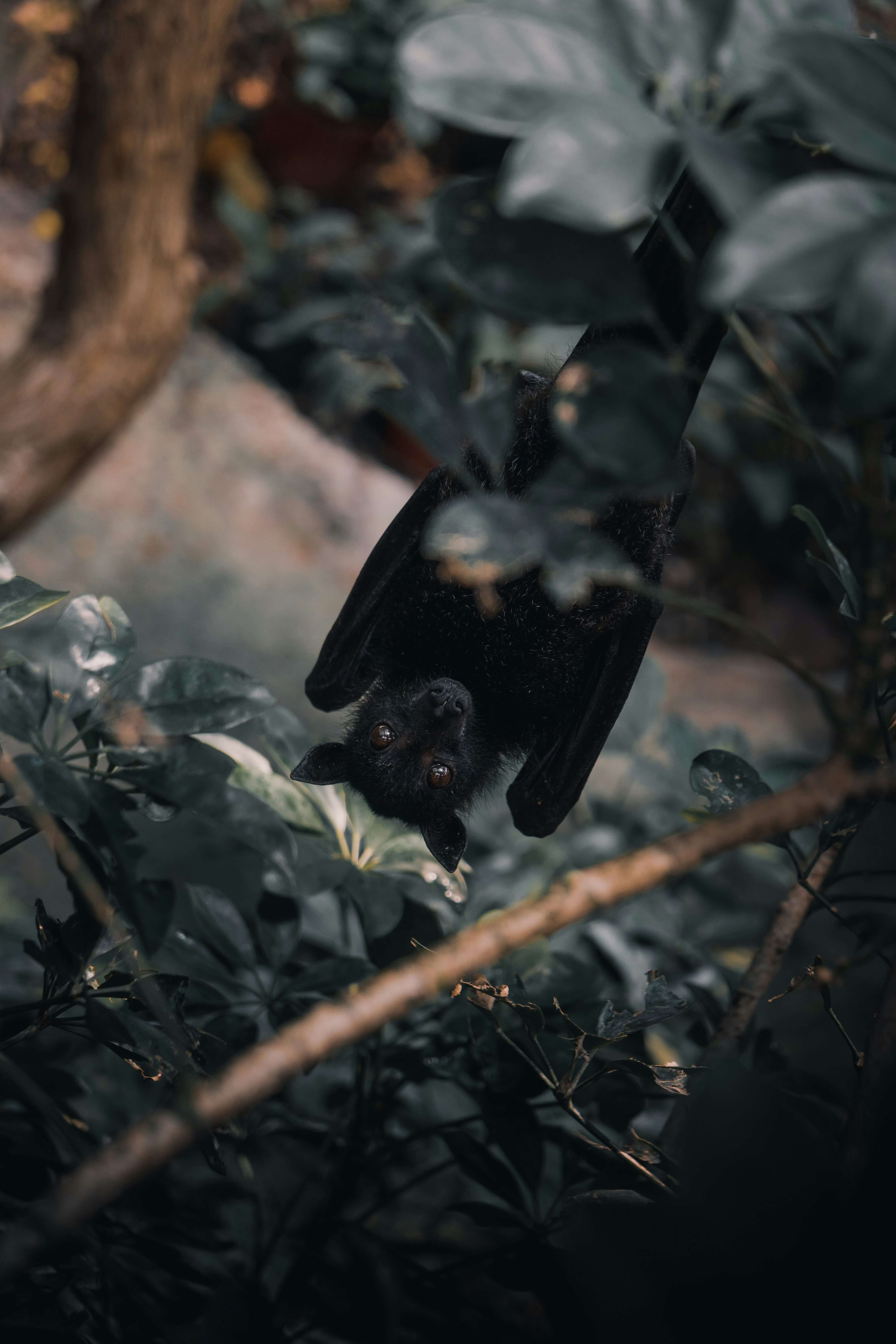
  6. Bats
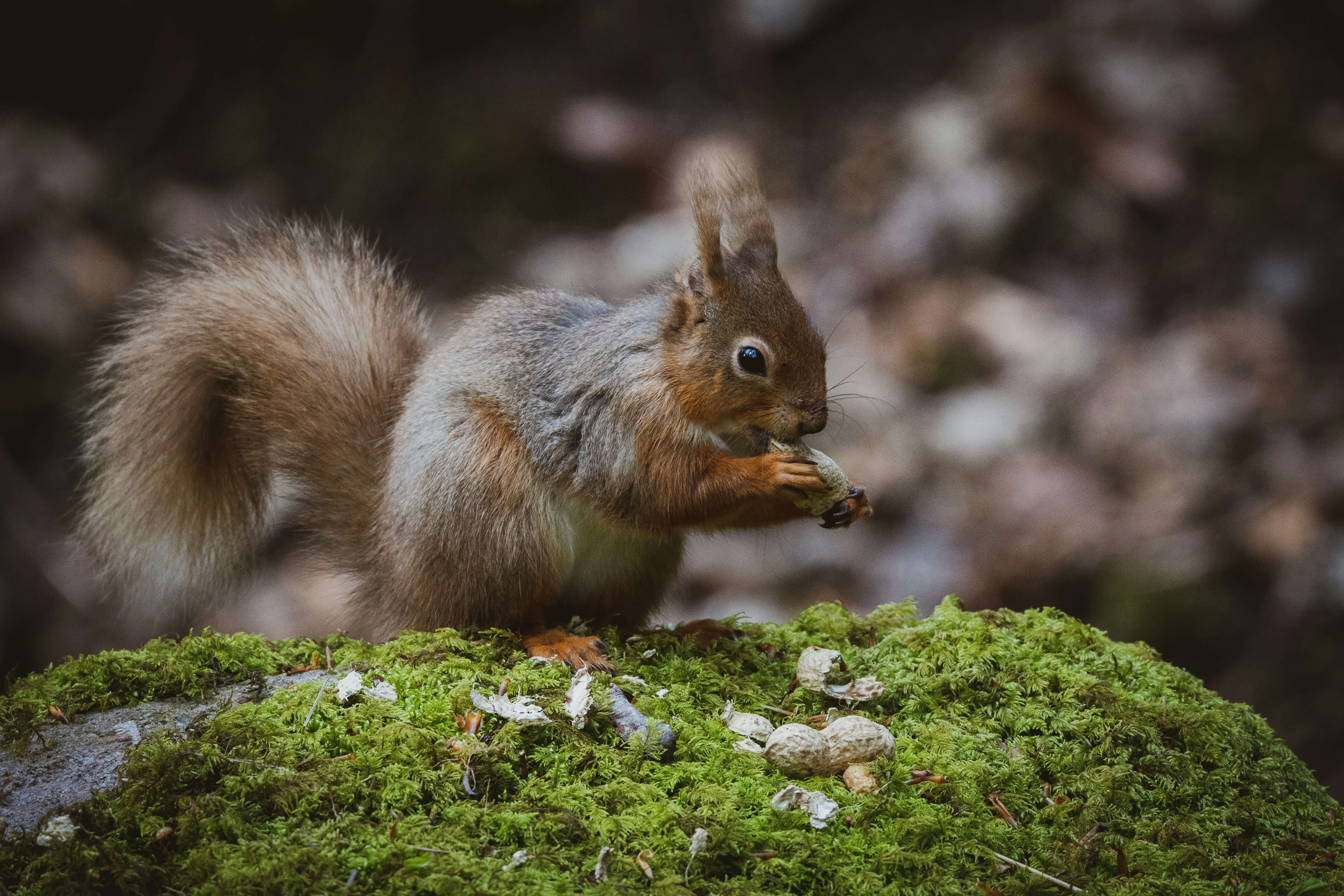
  7. Red squirrels
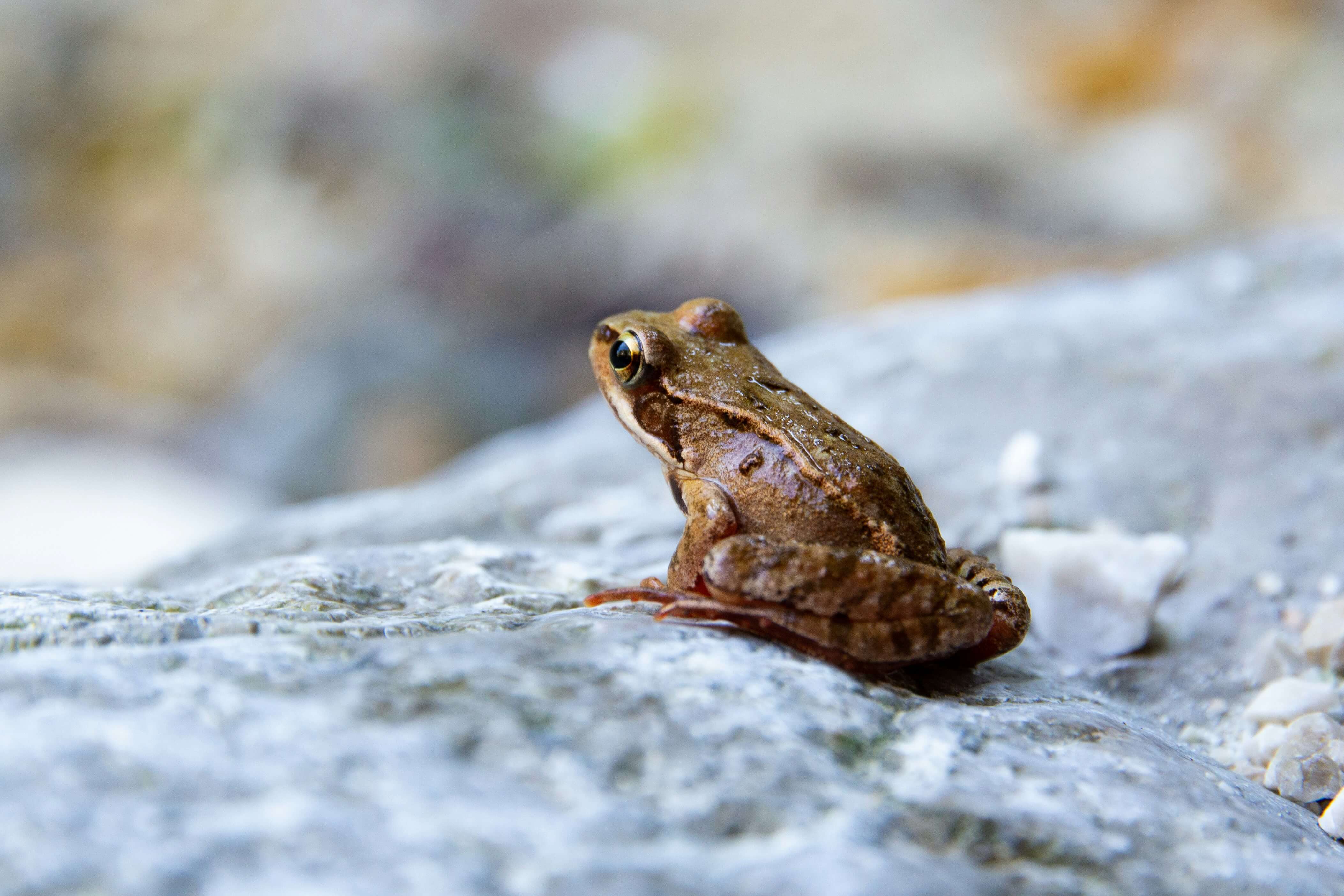
  8. Frogs
  9. Moles
  10. Butterflies
  11. Dragonflies
  12. Snails
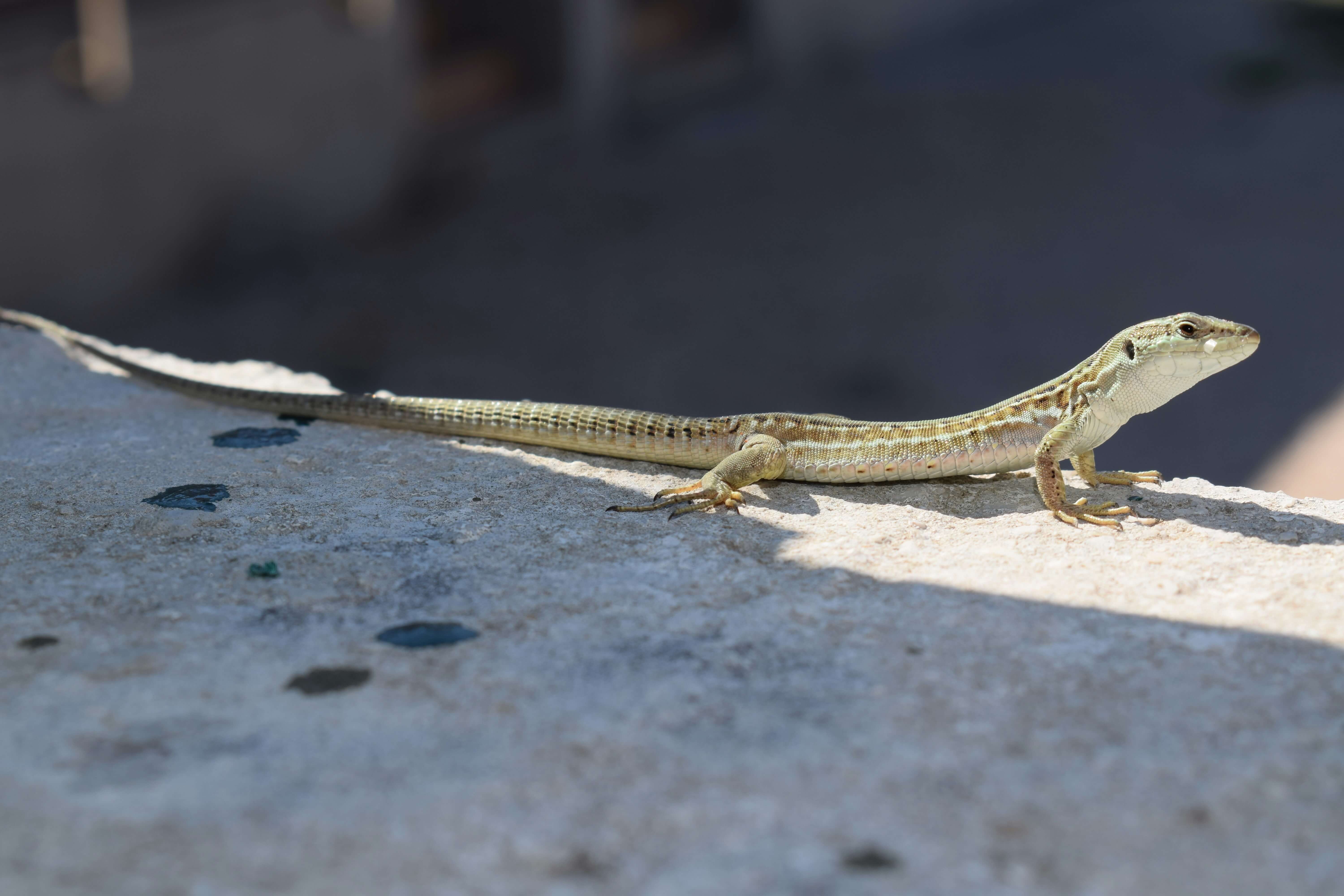
  13. Lizards
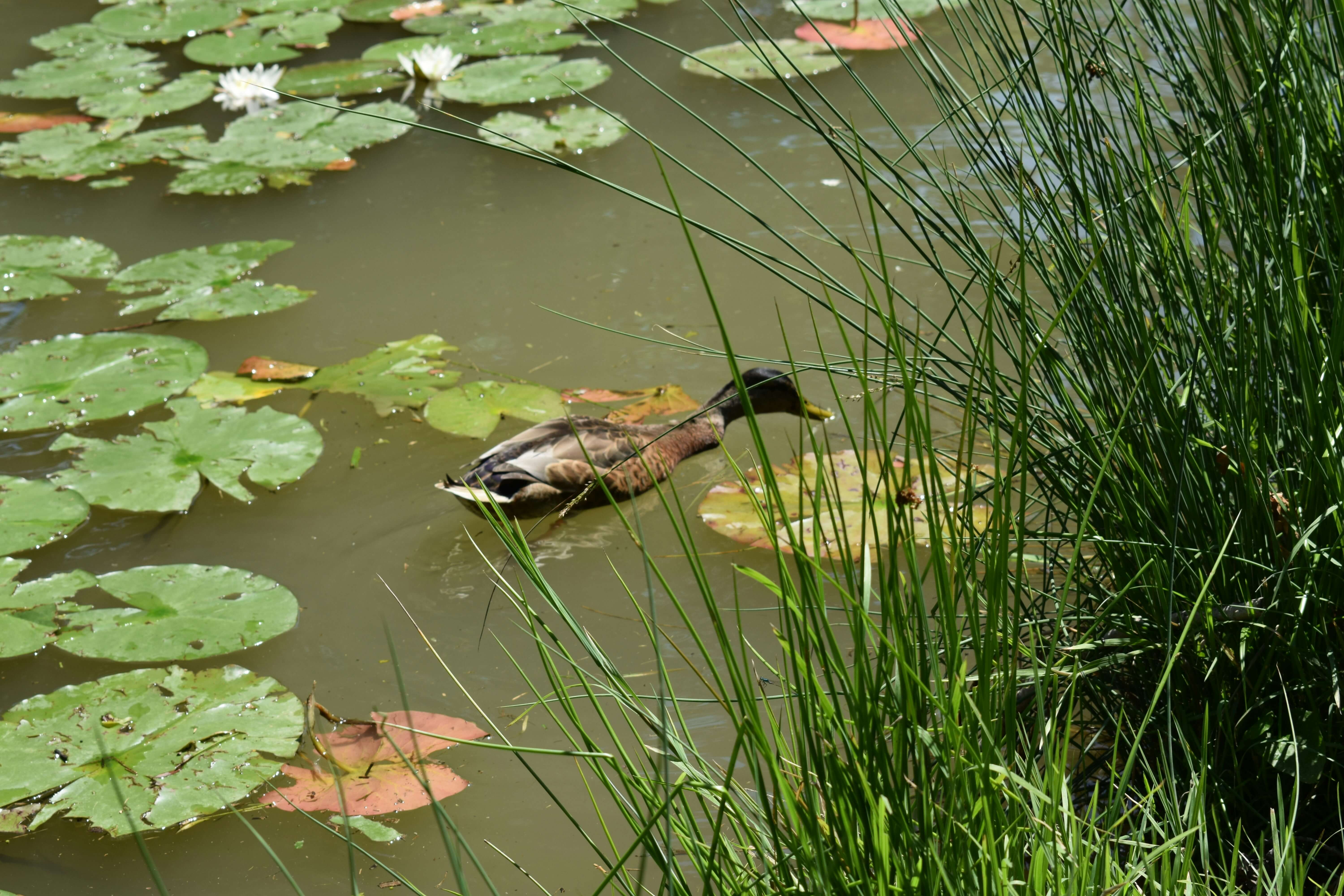
  14. Ducks
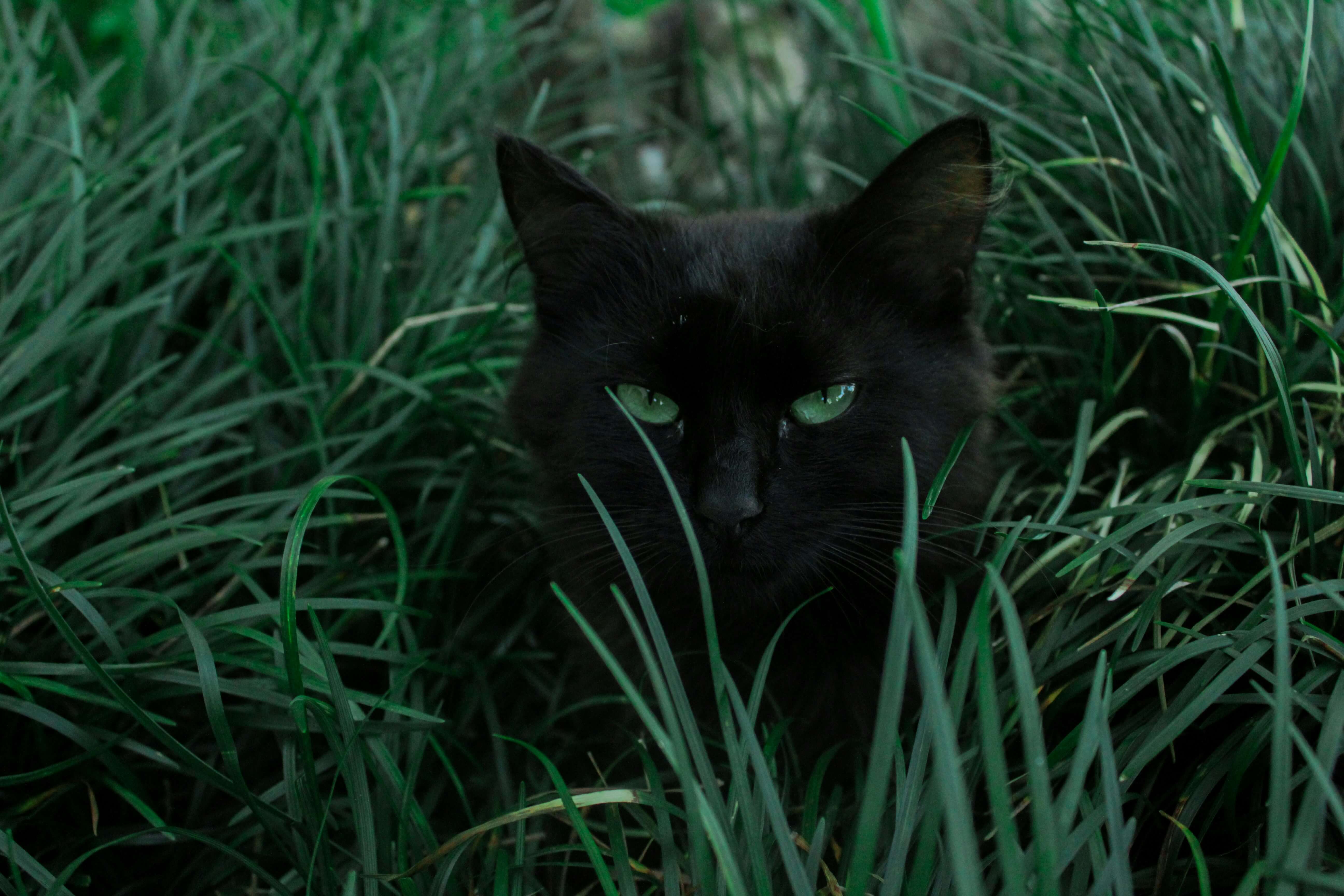
  15. Cats of course
  16. and dogs

And then a bunch of birds too

  1. Kentish plover (the funniest birds itw)
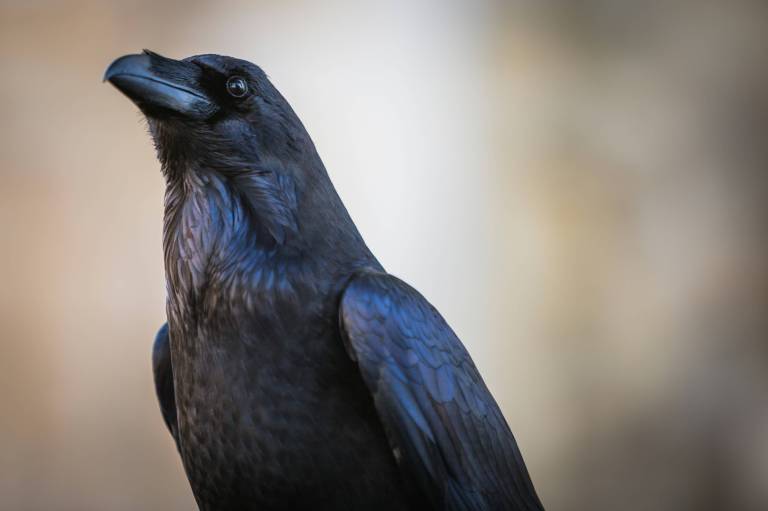
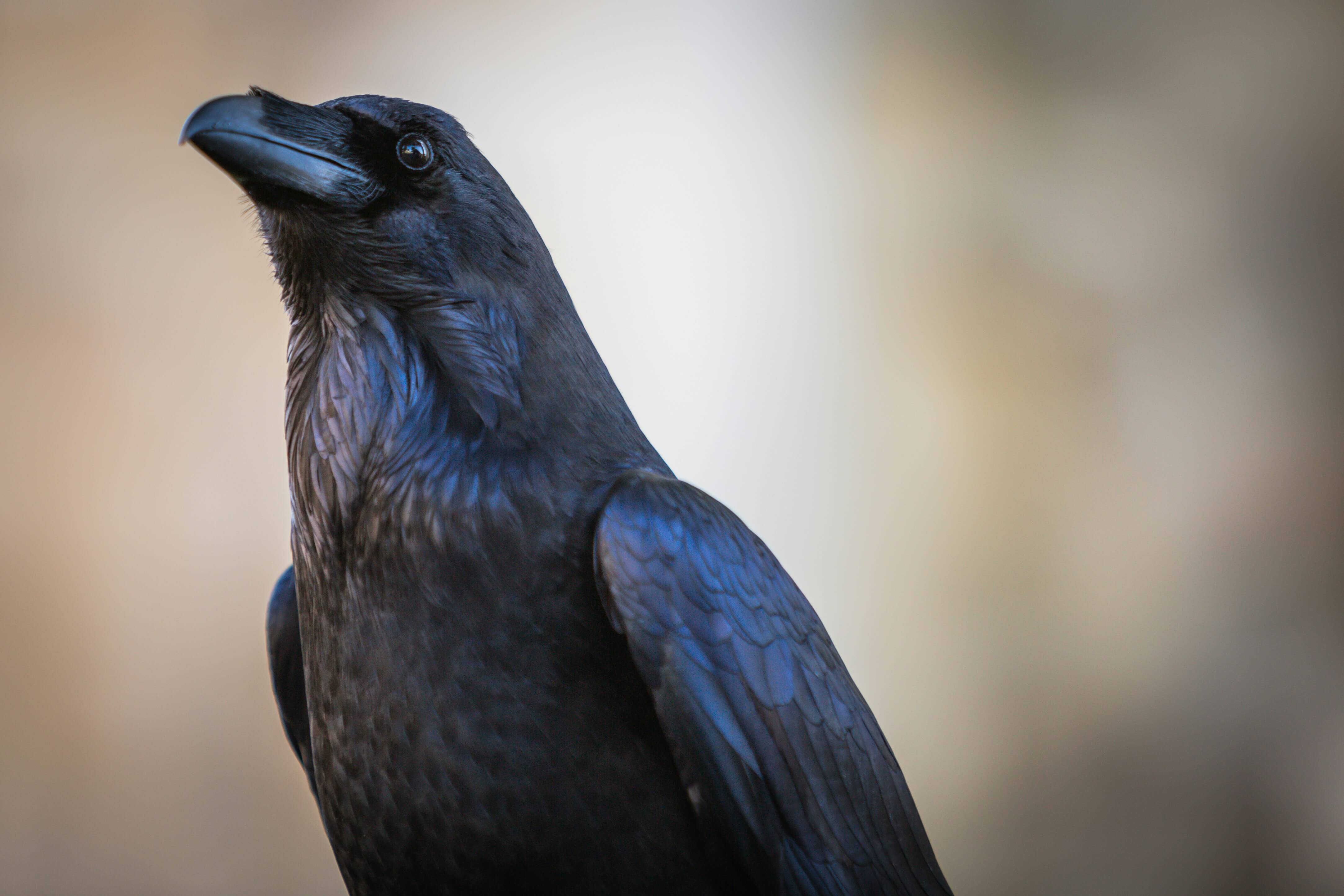
  2. Ravens (my faves)
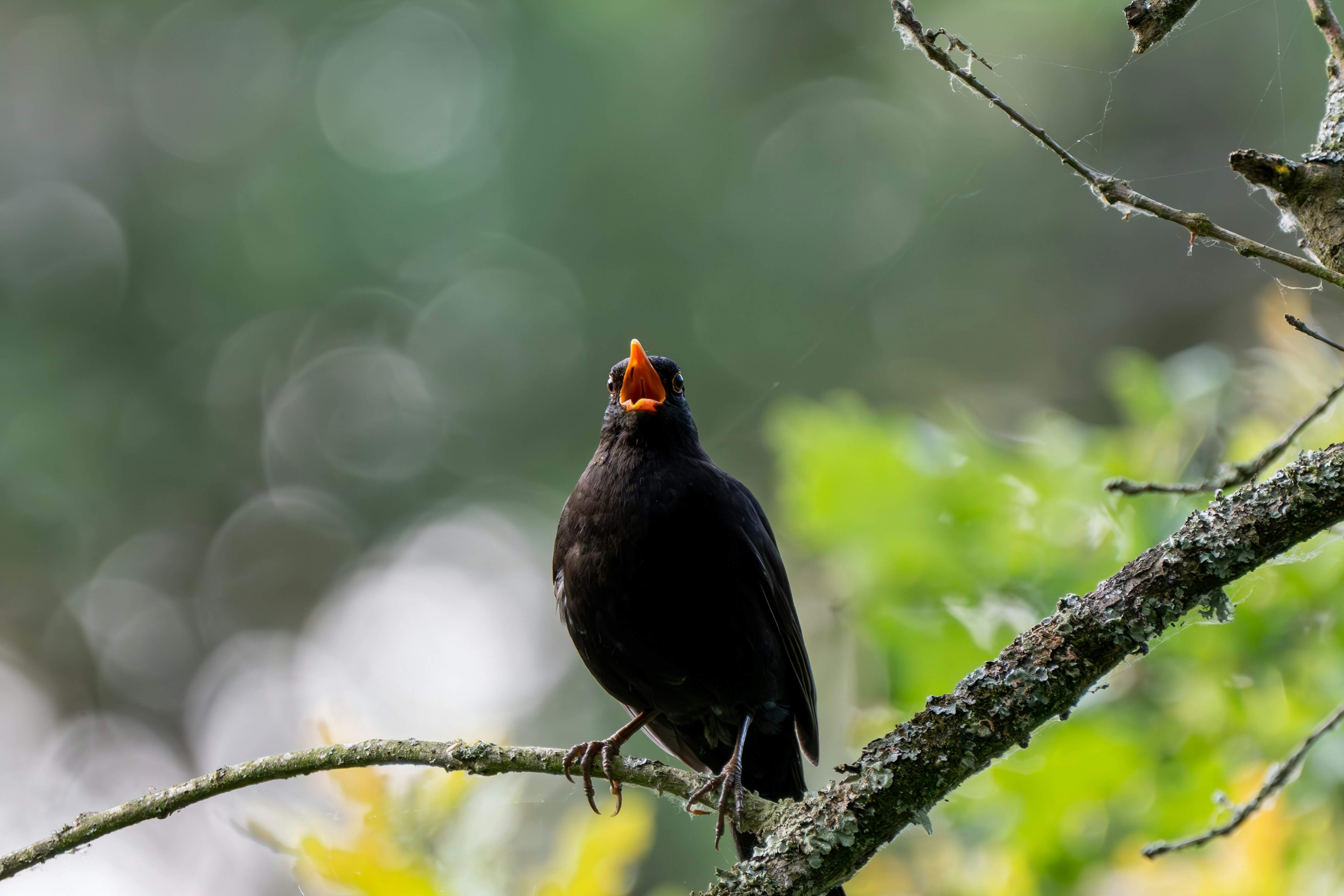
  3. Blackbirds
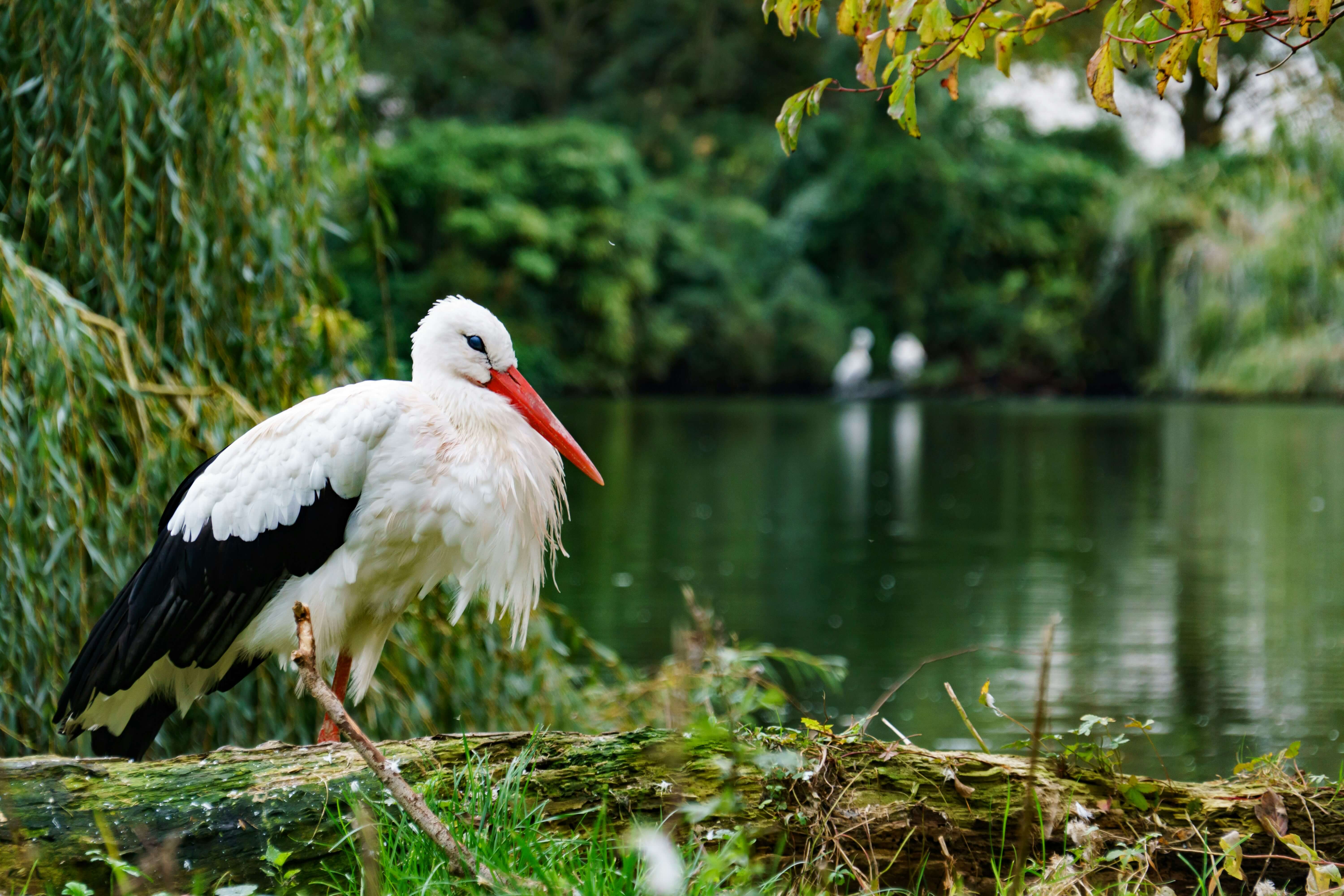
  4. White storks (lucky if you see them, but they’re around)
  5. Tawny owls (the shy ones)
  6. Common buzzards
  7. Common kestrels
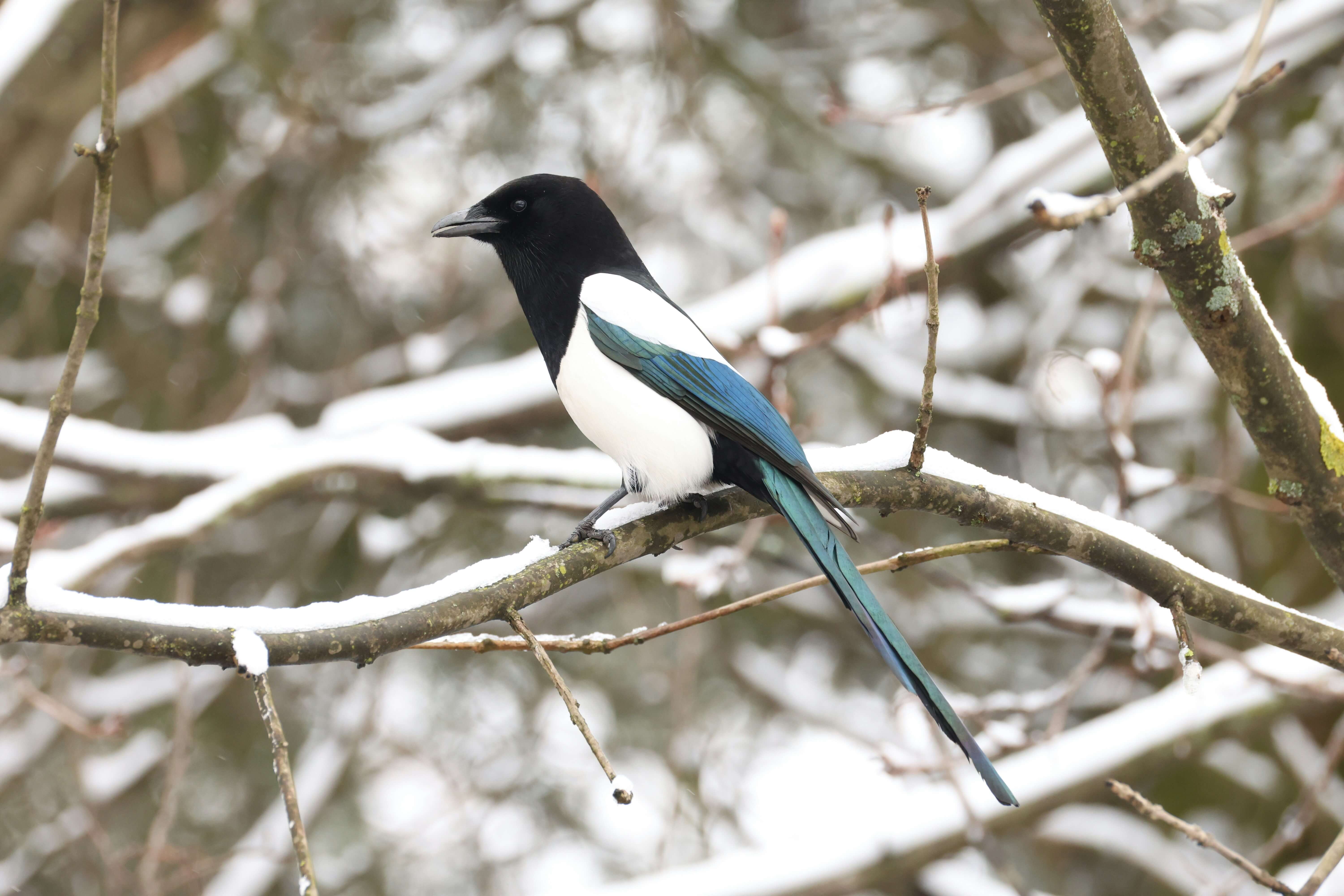
  8. Eurasian magpie
  9. Eurasian siskin
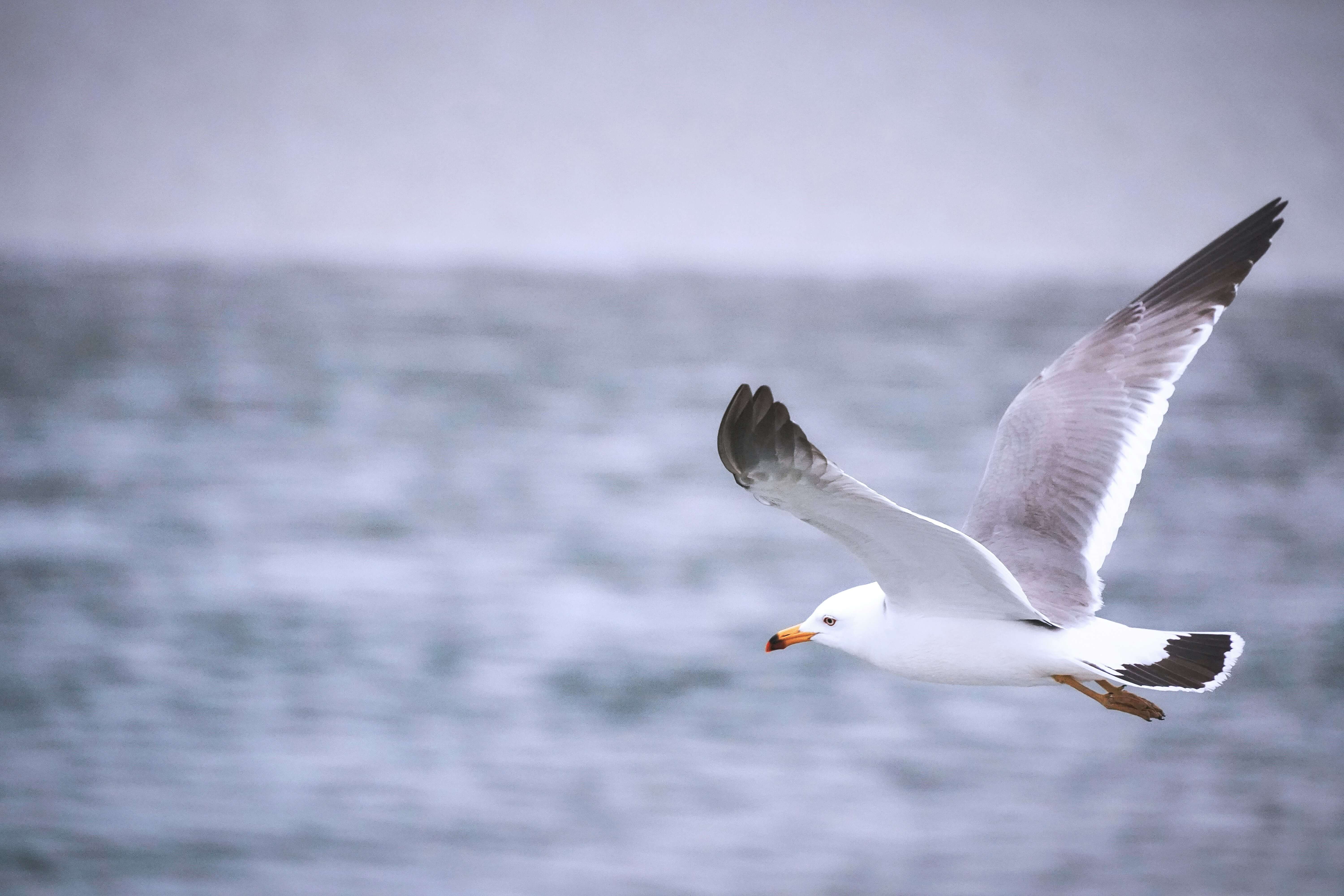
  10. Seagulls
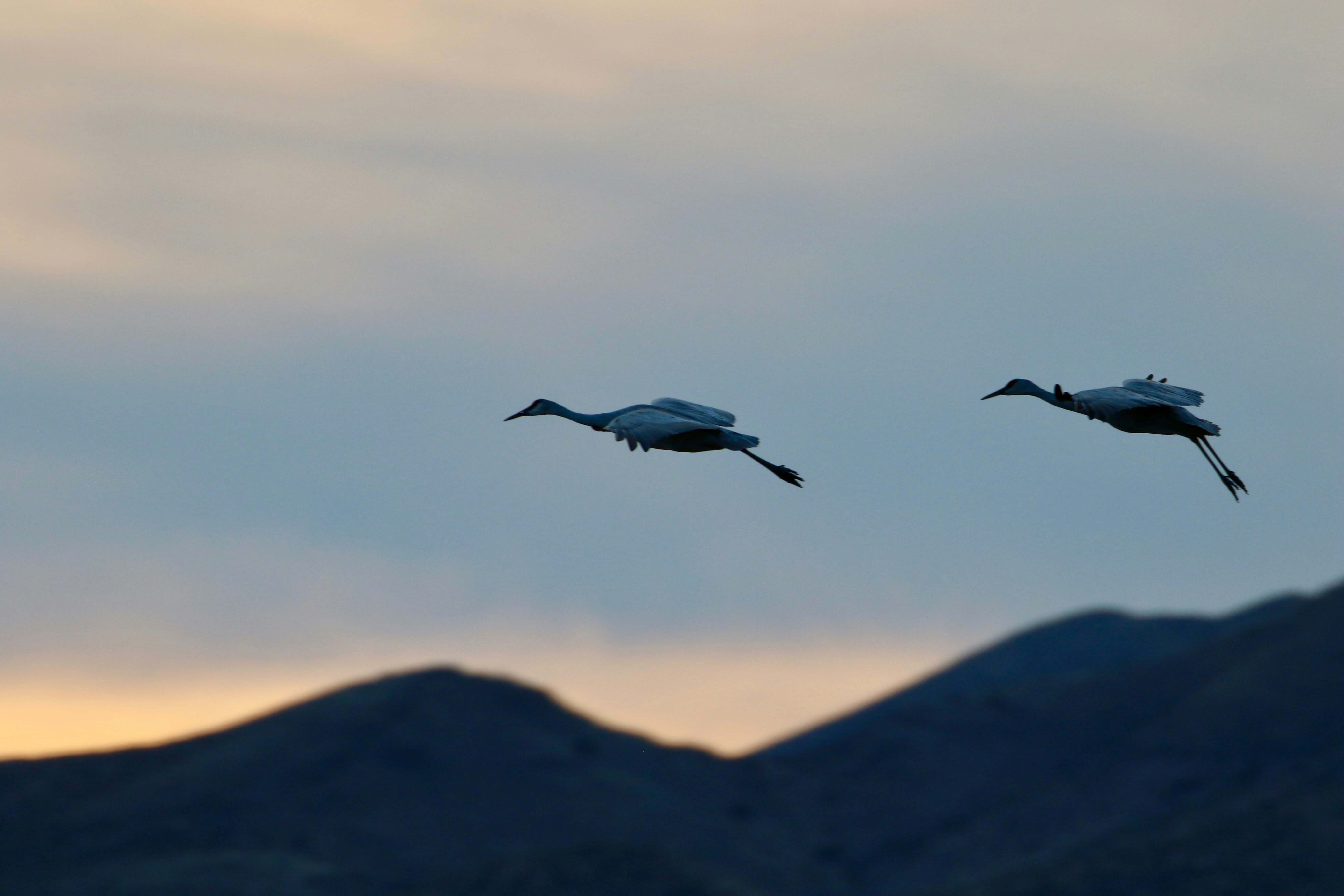
  11. Cranes

Pretty awesome, right?

Thank you for stopping by.

Teekay
European cities

Realizations after 9 years of living and traveling in Europe

Suddenly, the world feels so small.

It’s funny how easily we take things for granted once we’ve lived them.

I hadn’t set foot in continental Europe until I was 17. I was never particularly fascinated by it, but I was curious, mainly because I’ve always been a football head (aka soccer). My understanding of Europe came almost entirely through football. It’s surprising how much you can learn about a place through the way it presents itself to the world.

For me, football was Europe’s Hollywood.

Sure, I’d read books by European thinkers like Rousseau, Voltaire, Dostoevsky, Adam Smith (dad’s an economist), Marx (capitalism’s greatest critic), Montesquieu and plenty of Greek philosophers, but most of them weren’t contemporary thinkers. They wrote about their own times, their realities. Football, on the other hand, made Europe feel present, dynamic, real. It gave me a window into the continent’s character.

For instance, I knew about the English and their pub culture way before I had set foot in England. I already knew they loved to drink before games, loved to sing in the stands and viewed the sport almost like a religion.

The Dutch, with their total football philosophy, played the game differently. Organized, intelligent, team-oriented, their football reflects a society that values structure and versatility.

The Germans famously love their beer. Bayern Munich holds a photoshoot every year to promote Oktoberfest, which I only knew about thanks to their events.

The Turks are loud and proud. Fireworks in the stands, packed stadiums on a weekday, and fans who treat football like life or death, it perfectly depicts their character.

The Spanish, on the other hand, are just as proud, but more divided. The Basques, Catalans and Andalusians all bring their own flair to the game. They also have their own holidays, like San Jordi (Catalan Valentine’s day), and you learn about those through football too.

The Italians are perhaps the only ones who proudly exposed the ugly face of their society through the beautiful game: their racism toward Black players, their theatrics and machismo are ever present on the pitch and off of it. Their passion is unmatched and unapologetic, but so is their cheating. Not great, thank God people outside of football are different.

Anyway, last but not least, the French. It was already striking to me how different people within the country were. France is so diverse, which I already knew then, but which became even clearer the second I set foot here.

I’ve been to more than 20 European countries since moving here, and visited over 100 cities in Europe. I’ve made lifelong friends who became family. I studied, partied and worked with them. Better yet, I ended falling in love with a European, who then became my wife and lifelong partner. Who would’ve thought?

And yet, I take it all for granted now.

I love living in Europe, and there is nowhere else I’d rather be, but traveling around Europe doesn’t excite me as much as it used to. It feels like I’ve seen it all, which, of course, isn’t true.

It’s strange how easy it is to feel indifferent to things you once dreamed of.

Gratitude, I’ve learned, isn’t just a feeling. It’s an action. A choice.

Our next trip in Europe will be to the Balkans, and Greece. Albania, Montenegro and Bosnia are on our list. I hear the culture there is very different to Western Europe, which is super exciting!

Thank you for stopping by.

Peace!

Teekay
Teekay scuba diving

How I got into scuba diving despite the odds

It’s been bumpy.

In September 2024, after touring Europe for 9 months, I realized I needed a new challenge. I had no routine back then, but I was itching for something that would push me out of my comfort zone. I hesitated between picking up rollerblading again, something familiar and nostalgic, or diving into something completely new.

As someone captivated by the ocean and its many mysteries, I started thinking why not do something with that? That’s how I got into scuba diving.

Now, I knew absolutely nothing about scuba diving. I’d snorkeled a million times before, sure, but as I quickly learned, scuba is a different beast altogether.

There was one small problem, though: I was only going to be around for a couple of weeks before heading off on a another road trip through Belgium, the Netherlands, Germany, and Luxembourg, before eventually visiting friends in Strasbourg and Romans. Not exactly the ideal time to start something new.

Still, I called the local dive club and got through to P. I think he’s the president, though I’m not entirely sure. What I do know is that he’s an experienced instructor and sounded like a genuinely nice guy. I told him I’d have to disappear for a couple of months after my first session, and he just said, “No problem. We’ll pick it up from there when you’re back in December.” That put me at ease.

Before leaving, I squeezed in my first-ever scuba dive in the pool, and let’s just say it didn’t go smoothly.

At barely two meters deep, the pressure was too much for my ears. We had to resurface twice before I could finally stay down. I was tense, bloated, and extremely uncomfortable, definitely not my finest hour. I left with more doubts than confidence. But I had two months to reflect, refocus, and maybe strengthen my Eustachian tube.

When I came back in December, I jumped right back in. The group had changed, most of the other “newbies” weren’t so new anymore, and they all seemed to know each other pretty well. I didn’t mind. P was there and made sure I was comfortable. Besides, I’ve always been a bit of an outsider anyway.

So, the second session? A total game changer. Thanks to the dryland workouts P had recommended, I was way more relaxed, and my ears cooperated this time. I actually enjoyed myself. It was the confidence boost I needed.

But not so fast.

Session three was a swim session. And here’s something I may have mentioned on this blog before: I’ve always wanted to learn how to swim properly, but never got around to it. Growing up by the sea, I swam “freestyle” almost every summer. My dad first threw me in the water at age 5. He’s always been a strong swimmer but me? Not so much. Or not at all!

So during that swim session, the lack of technique finally caught up with me. Everyone else swam like they knew what they were doing. I felt like I was flailing.

When I remember the most from that session was that the instructor on duty that day wasn’t exactly kind about it. However, another one quietly pulled me aside, explained what I was doing wrong, and gave me tips on how to improve. That five-minute exchange was all I needed.

Then came the sting.

At the end of the session, I overheard some instructors talking to P, my “supervisor.” Let’s just say that they were extremely harsh. I knew that I wasn’t ready, that I could barely float, that I couldn’t swim, but the stuff and the way they said it was just mean. But in hindsight, that moment made me push through to prove them wrong. I had no doubt that I would improve. Talk is cheap.

Right after that incident, I started taking proper swimming lessons outside of scuba. I practiced every chance I got. Little by little, things started clicking.

Weeks went by. My scuba technique improved. I got more confident in the water. I stopped feeling like I was just surviving and started actually enjoying it.

And just this past weekend, I went on my first dive in nature.

It was amazing.

Sure, I lost my weight belt (50 bucks gone in a splash) but I didn’t care. The dive itself was beautiful. I was paired with G, a quiet guy who knows his stuff. Not a chatterbox, but full of good advice. I also really like E, another club member. Super chill and probably the nicest guy there, even though I don’t see him often.

Now summer is right around the corner. In a few weeks, we have a diving weekend coming up, and I can’t wait. I’m close to getting my first-level certification. It’s been tough, my technique was abysmal when I started, but I’ve grown a lot. I’m feeling more comfortable, more daring.

My instructors helped me a lot. But I’m also proud of the work I put in. I earned this progress.

Will I continue next year? I think so. I want to see where this journey goes.

We’ll see what happens once the season ends.

Thanks for reading!

Teekay