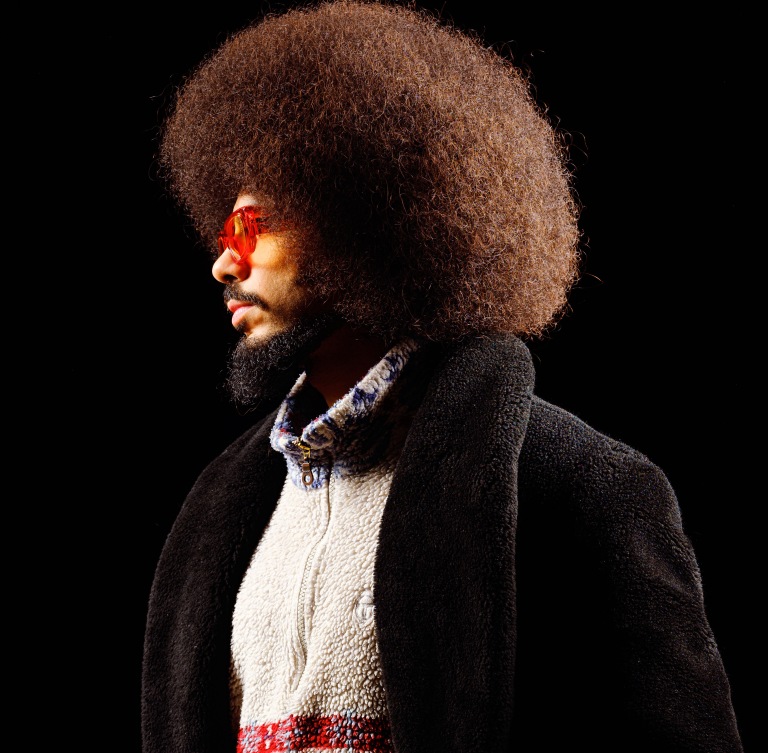
A journey of cultural pride.
As a POC (Person of Color) and someone of mixed heritage, I grew up in a world where my hair was often a topic of conversation.
I’m not alone in this.
In fact, Black hair has been a topic of conversation for centuries, and remains a crucial aspect of the Black community worldwide (including all people of African ancestry) to this day.
In my case, and unlike some of my other traits, my hair is 100% African.
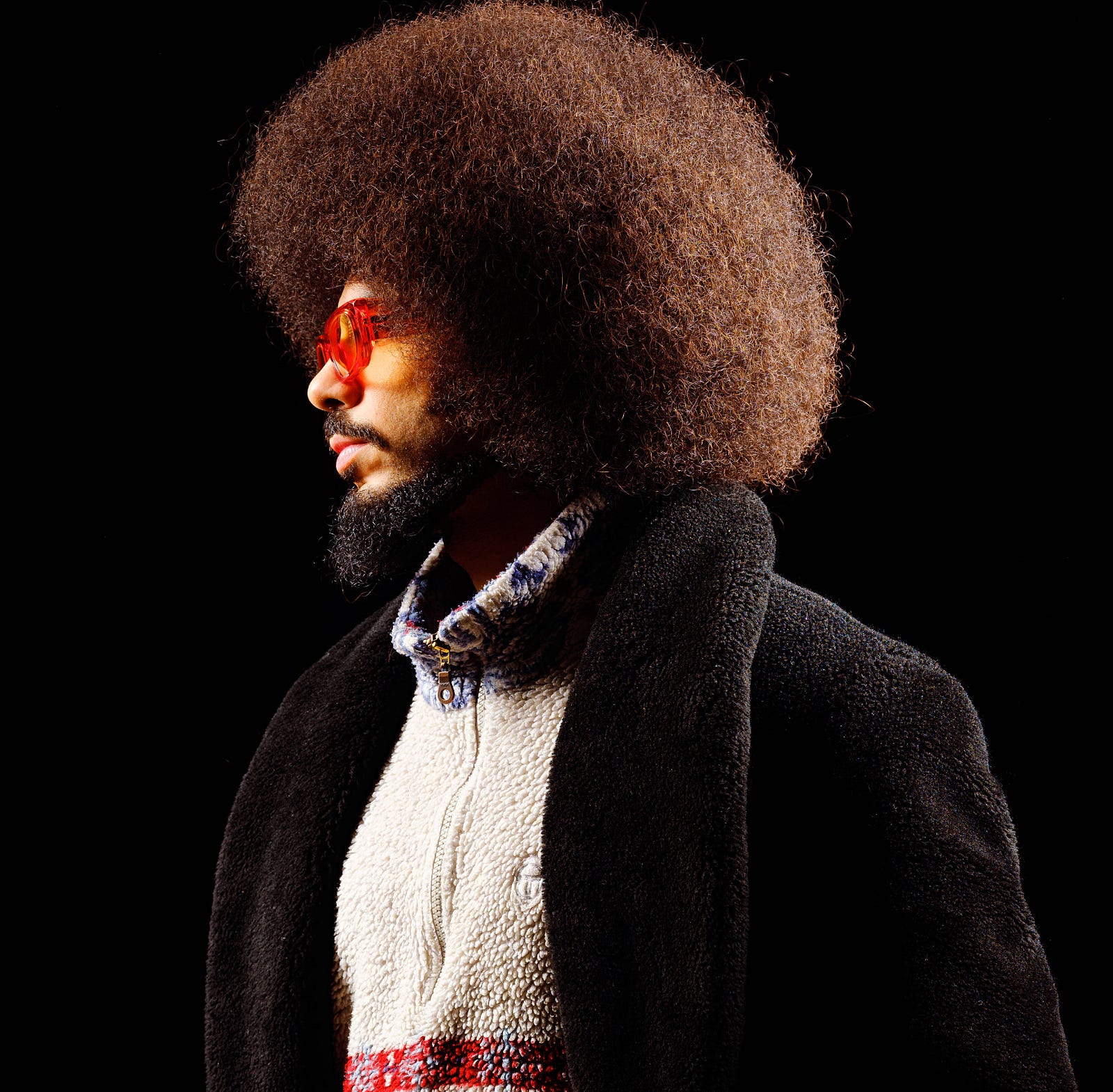
The odd, yet completely understandable thing about “nappy” hair (which used to be the derogatory term for Black hair) is that most POC hate it. This is the result of centuries of racism, minority bashing and discrimination.
The way Black people wear their hair speaks volumes about their identity and their place in society.
Take the 70s, for example.
The Afro’s rise in popularity during the Black Power movement of the 60s and 70s was a time of great cultural change. This era was a turning point for many Blacks in America.
As such, Black people had finally started reclaiming their African heritage and embracing their natural looks. The Afro became a symbol of pride and revolution for Black people worldwide.
But wearing it in 2023 feels different.
It’s funny because every time I go out, someone stops me to comment on my hair. And when I say every time, I mean literally, not figuratively.
Older folks usually tell me it reminds them of the old days, while younger folks often see it as a fashion statement and a celebration of my authentic self.
I don’t mind either.
But of course, that’s just a part of it.
The reality is, many people simply stare, judgmentally.
The thing about our whitewashed world is that western beauty standards have long emphasized straight, silky hair as the ideal, and anything outside of that norm is seen as unconventional or even unprofessional.
These deeply ingrained societal norms — norms that have historically oppressed Black and brown people and perpetuated negative stereotypes about Black hair — are hard to break away from.
As a result, people stare because they’re not accustomed to seeing natural Black hair, particularly in environments like the workplace or formal settings.
I’m here to change that, sort of.
My ‘fro is empowering in many ways.
Lots of Black and mixed kids look genuinely happy to see me. 99% of them wave at me, stop me, ask me questions. They want the same hair, and their parents usually look just as happy with the idea. Seeing someone else with their afro shows them that it can be done.
That’s the power of representation.
But it’s not just kids. Parents are usually just as eager to talk to me.
One time, a random guy stopped me in the street to ask me how long it took me to grow it out, and whether it was challenging to navigate everyday life with an Afro (especially in Europe). Funny thing is, it wasn’t even for him, he was just considering the idea for his little kid. The conversation lasted for 15 minutes.
My Afro’s other purpose is that of a celebration.
It’s a form of self-expression and self-love. Through it, I celebrate my cultural heritage, my ancestry and myself. It’s a part of my identity, and it feels amazing.
But with all that being said, make no mistake, this big ball of hair is also a symbol of defiance. In fact, it represents a rejection of the Western standards of beauty, standards that have been imposed on the world for centuries.
To my pigmented readers, kindly use this piece as a reminder that your hair is amazing, and I wholeheartedly encourage you to embrace it.
For those of you who straighten their hair or wear wigs to hide their natural beauty, you know this is a manifestation of internalized racism and self-hate. You know it.
This form of self-hate has been a coping mechanism for Black and brown people around the world, I get it, but it’s got to stop.
This mentality only perpetuates the negative stereotypes and ideals that have historically oppressed us, so it’s on us to break away from them, once and for all.
We owe it to ourselves and future generations to fight this negative self-image by challenging societal norms. Ain’t nothing wrong with embracing your looks proudly and unapologetically, nothing!
To my caucasian friends, you’re reading this for a reason. Keep being the allies that you’ve always been. Keep pushing for social justice. I appreciate you more than you know.
Thanks for reading.
If you wish to read similar articles and support my work, follow me and subscribe to my newsletter.
I write about my travel adventures, essentialism, health, slow living, environmental solutions and more.
Till next time !
Peace.
Tee.

 Teekay Rezeau-Merah