Atlantic, by Teekay Rezeau-Merah

Life is a beautiful mystery

People are oddly mesmerizing.

Sometimes I catch glimpses of conversations, some are deep, others shallow. Both fascinate me. How humans think and function, how they make their own choices, and sometimes, how they lie to themselves.

I like watching people walk together. I can’t help but think of our ancestors, how they moved in groups, hunter-gatherers, until wheat domesticated us (not the other way around). I wish we could go back.

It’s funny how a child’s walking style often matches a parent’s gait, or how the way someone sits says so much about them.

I get stuck watching clothes spin in the dryer. I don’t wear a lot of black (or any, really), so it’s like a rainbow in there. It always reminds me of this Senegalese myth from Ashura Day, where a rainbow means the Prophet’s (PBUH) daughter is doing her laundry. It’s funny, in a sweet way.

Oral traditions must be protected at all costs.

I love the bees and butterflies that hang around when we’re outside. It’s so peaceful.

Fire is mesmerizing. I’ve always been fascinated by it, so much so that, when I was little, one of my experiments went wrong and set my bedroom on fire. Oops! I love bonfires, fireplaces, candles. I used to burn incense just to watch the smoke. I’m also strangely drawn to steam, idk why.

Most people hate spiders. I love them. They really are special, nature’s elite.

Growing things makes no sense. How can a seed feed me with the most beautiful fruit or vegetable in no time? Just soil, water and sun? Endless abundance. Nature is incredible.

The world is full of magic. The stars, clouds, moving patterns, waves, the wind.

Pain is strange. It’s an immediate physical response, but if you think about it, step outside of it, it becomes something else. Just neuroreceptors sending signals. The whole process is wild. I dread pain. It reminds me of death, like it’s the final step before we go.

Skin is interesting. It’s the largest organ we have, yet we treat it like it’s nothing. I’m always amazed when it heals itself, like how? When I was a baby, I had second-degree burns on my face and third-degree burns on my chest. I went blind for a few days. I think about miracles a lot. We abuse our skin constantly, yet it keeps repairing itself.

Languages are mesmerizing. I think about them often. I compare languages in my head and try to understand those who invented them. Again, I think about our ancestors. How did they communicate? What was their humor like? What did they find funny? Did they understand death quickly? How did they distinguish little death (sleep) from big death?

I love the expression “life as we know it”. It plays in my head quite often. My personalities are different in different languages, I think most polyglots can relate.

Life is a beautiful mystery. One day you’re here…

Anyway, thank you for stopping by.

Peace!

Teekay

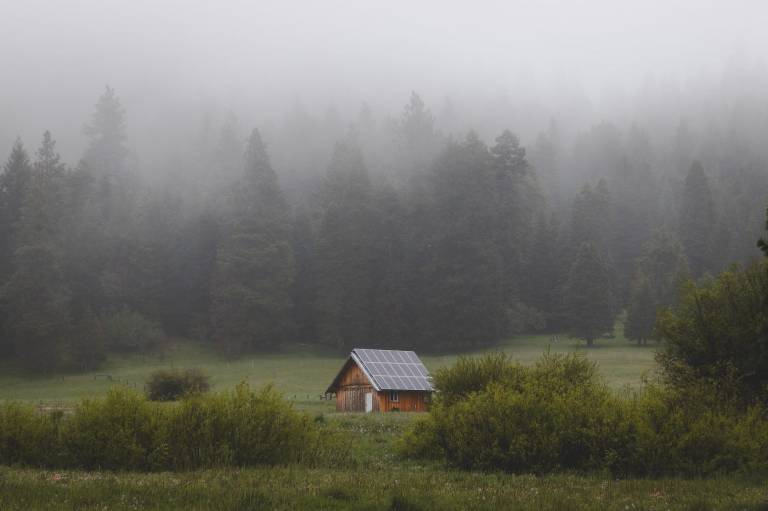
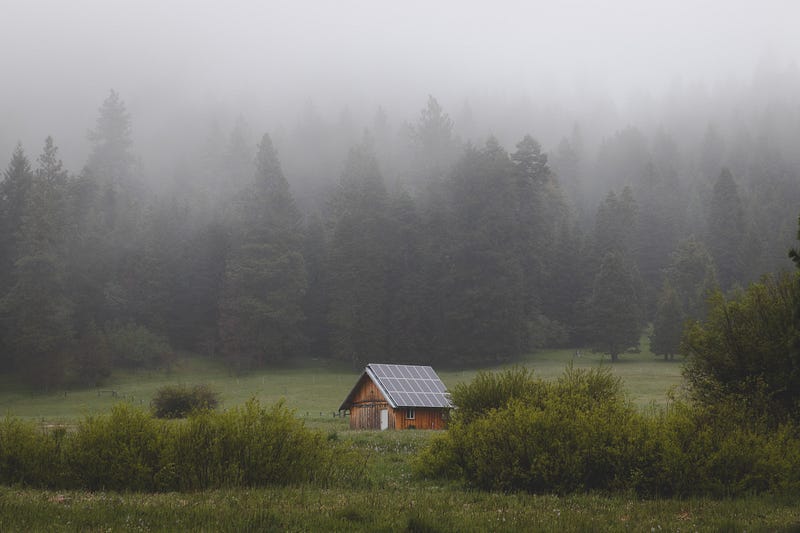
cabin in the woods

Living without electricity isn’t as hard as you think

Millions of people do it, no bid deal.

Living without a connection to the grid, and mainly the electric grid is a significant lifestyle change.

As a lifelong explorer and survival enthusiast, I’ve always hoped for the best but prepped for the worst.

Live off the grid by Teekay Rezeau-Merah
Off-grid living, photo by Alex Bierwagen

In most Western countries, fundamental commodities such as electricity, running water, well-maintained roads, and a wide range of goods and services are conveniently accessible. However, life is quite different in other parts of the world.

  • Travel with me

For instance, when my family and I relocated to Mozambique in 1996, basic provisions like sugar and cooking oil were exceptionally scarce. Similarly, when we moved to Ethiopia in 2004, dairy products and sugar were also in short supply.

Not only that, but during our time in Cape Town (South Africa), Maputo (Mozambique), Algiers (Algeria), Addis Ababa (Ethiopia), and (very briefly) Cairo (Egypt), water scarcity was a prevalent issue, particularly during the summer months.

In fact, we used to get up at 4 AM to fill up our water tanks and jugs.

Unfortunately, water shortages are still widely common, and some fierce battles for control over water have already begun.

  • Water wars
water scarcity by Teekay Rezeau-Merah
Water battles, Image by Freepik

Take the above-mentioned region of East/North Africa for instance. The Nile River is at the heart of an ongoing battle for water.

Indeed, Ethiopia, Egypt, and Burundi are all entangled in a high-stakes discussion that could reshape their destinies.

Long story short, Ethiopia’s audacious endeavor, the Grand Ethiopian Renaissance Dam (GERD), an engineering marvel rising on the mighty Blue Nile has cause a lot of discussion and anger in that region, rightfully so.

Such an endeavor endangers both Egypt and Burundi, who fear the ripple effects of such a grand project.

  • An electricity-free lifestyle
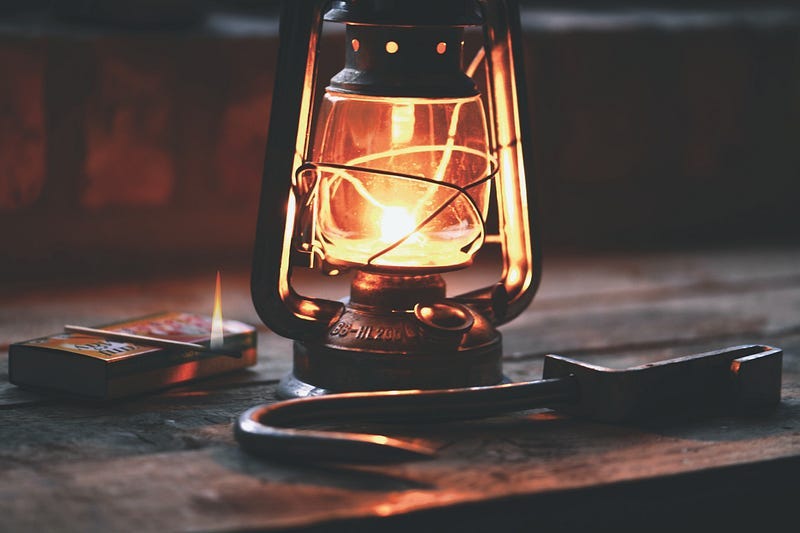
oil lamps and candles by Teekay Rezeau-Merah
Oil lamp by Photo by Bernard Tuck

Now, in a perplexing paradox, frequent power outages were extremely common in Ethiopia, and I mean several-times-a-week common, even though Ethiopia possesses ample electricity to meet its population’s needs.

Surprisingly, this occurs because the local government chooses to export their energy to neighboring nations, leaving their own citizens in the dark.

I spent over four years (teenage years) in Ethiopia, over four years of persistent power cuts, so I learned a thing or two about adaptability and ingenious hacks to beat the system.

  1. First of all, I hate artificial (street) lights. One of the things I miss the most about Africa is the tranquil stillness of the night. I always found the incessant intrusion of artificial lights aggressive. 
    With that being said, I love candles and oil lamps with all my heart. They embody a charm that captivates me entirely. Indeed, candles and oil lamps are a gentle alternative to artificial light, as they gracefully replace it without imposing their presence. Their warm glow is synonymous with coziness, while their soft illumination remains pleasing and comforting to the eyes. Perfection!
  2. Many of us rely on electric utensils and stoves for cooking, not in Africa (not back then at least). 
    My family always opted for non-electric cooking methods like gas or an outdoor wood-burning stove. Dutch Ovens are also pretty awesome if you want to cook bread and pizzas. No power, no problem.
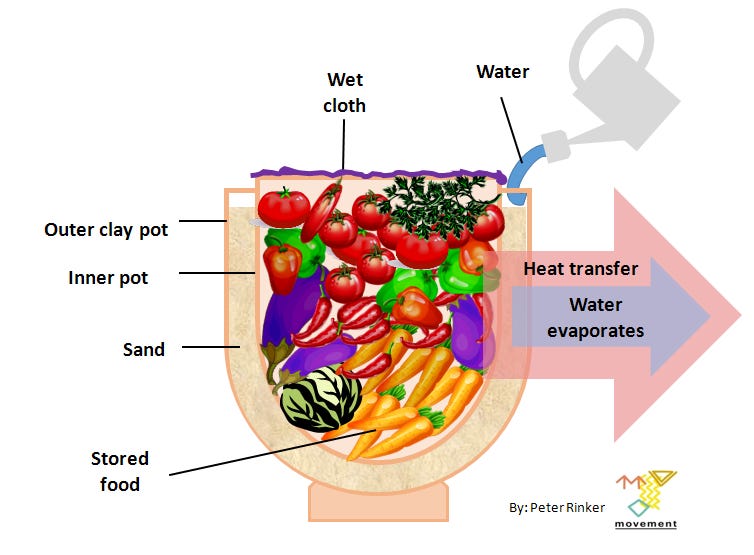
  3. Food storage: This is a big one. “How did you survive without a fridge?”. First of all, we did have a fridge, it was just turned off most of the time. Since we never had an underground cellar storage (that would’ve saved us the hassle), we had to relearn about ancient cooling techniques, like pot-in-pot coolers (or clay pot coolers). 
    Here’s how they work: First, you’ll need two terra-cotta pots. Place one (the smaller one) inside the other, allowing for an approximate 3 cm (1.2 in) to 4 cm (1.6 in) gap between them. Fill the gap with sand, then saturate it with water.
    Finally, place your fruits and veggies inside the small pot and cover everything with a wet towel.
    As the water slowly evaporates from the cooler, heat is taken from the clay pots, keeping the temperature of the food cool inside. 
    But that’s not the only way to store food, you can also learn about preservation techniques like canning, pickling, and drying.
  4. Heating and cooling: Africa isn’t as hot as they say in movies, it actually gets pretty chilly over there, depending on where you are.
    Fun fact: You can ski in Africa. In fact, there’s so much snow in Algeria, Morocco, and South Africa that they have their own ski resorts, with approximately 40 kilometers (25 miles) of ski slopes. 
    Anyway, one of the most efficient techniques to regulate indoor temperatures is known as “passive solar design. Passive solar homes use natural ventilation and insulation techniques to regulate the temperature indoors.
    However, in colder climates, wood-burning stoves and passive heating methods like thermal mass and efficient insulation are common. 
    In hotter climates, shading and natural ventilation were our go-to, with evaporative techniques coming in handy (with battery-powered fans).
  5. Water supply: As stated above, we had tankers (or water tanks) in all of our homes. Our water tanks were always placed above the house, allowing for gravity to do the rest.
    However, in total transparency, we still relied on an electric current (and water pump) to get the water up there. We used it once to twice a week. 
    Other methods we used were conventional water wells, hand pumps, and rainwater collection systems. I used to LUHV elaborating and kidgineering rainwater collection systems around the house!
  6. Communication: Well, most of what I’m telling you here went down between 96 and 2010, so iPhones were pretty much nonexistent (for the most part). 
    However, I did have an MP3, then the first iPod, on which I watched hundreds of movies and my favorite bootlegged series. I used to charge my electronics at school or on our drive home.
    We also relied on our landline a lot back then.
  7. Speaking of entertainment, the reason I spent so much time kidgineering and playing outside was that I had no other choice. Video games were a big no-no till I was 15 or 16, so reading, playing board games, puzzles, biking, and pursuing outdoor hobbies was all I did.
    I also read the newspapers. No, this wasn’t the ‘70s ^^
  8. Hygiene: Have you ever washed your clothes by hand? And I mean ALL your clothes, not just a pair of socks? Well, I have, and most people still do. It’s no big deal, it’s pretty fun actually.
  9. Human-powered appliances: My grandma (who obviously didn’t live with us) had the best appliance ever made: A hand-cranked coffee grinder. 
    I loved that thing!
    I genuinely believe we need more of this stuff today. It makes life so much more fun. 
    On a personal level, I’ll always favor an old-school kettle or manual food mill & grinder over new, electric ones. Also, I never owned a microwave.
  • Final Thoughts

Technology is convenient when used properly and I believe electricity is a blessing to humanity.

However, we ought to reduce our reliance on modern tech and learn how to live simply. As you can see, living without one of the most important inventions known to man, electricity, is doable, though it requires careful planning, resourcefulness, and adaptation to alternative methods. Assessing one’s specific needs and resources is paramount for such an endeavor, but it’s manageable and within everyone’s reach.

Self-reliance is the future.

Thanks for reading.

Peace.

Teekay.

Own less

19 Everyday Things We Own Too Many Of

From cash to trash.

Your home is meant to be a sanctuary

You home wasn’t meant to become a graveyard for your old gadgets and excess stuff.

Home is where we retreat from the outside world, unwind, and recharge ourselves. It’s where we seek solace, relaxation, and tranquility.

Americans spend $1.2 trillion annually on nonessential goods. In other words, items they do not need – The Wall Street Journal.

For most people, home has become the place where they store their stuff.

  • Do you ever feel overwhelmed by the clutter in your living space?
  • Is it a challenge for you to locate items or decide what to wear?
  • Are you occasionally faced with a shortage of hangers?
  • Does the sight of your closet alone make you feel tired?
  • Does it take an excessive amount of time to tidy up your home?
  • Would relocating from your current residence require multiple utility trucks?

If you find yourself answering “yes” to any of these questions, here are the likely culprits for this draining situation.

Note: The following examples and numbers paint a jarring picture of excessive consumption and unnecessary accumulation. Clearly, many of us have far too much stuff.

  • Food storage containers

How many containers does one need ? Research says 6 to 10 containers per person, we’ve got 3 in our home, for 2 persons.

It’s shocking to me that people hoard these things. Some accumulate them to the point of overflowing cupboards!

Wouldn’t it be great if neighborhoods and buildings provided a designated space where people can share their surplus containers, allowing others to utilize them as needed ? This would help curb the unnecessary purchase of food containers and promote a more sustainable approach to storage.

Note: This doesn’t apply if you meal prep, which is awesome by the way.

  • Pens

There are already enough pens in circulation that many of us could go years without buying another.

Most people don’t use pens anyway.

  • Auto tools

You don’t need ten wrenches, Bob ! Seriously, you don’t. One is enough, two is MAX, unless you’re a mechanic.

And just like with containers, I wholeheartedly believe neighborhoods and buildings must provide a space where people can share their tools.

I got mine when I was building my Campervan. I’m more than happy to share them with others.

  • Reusable shopping bags

Reusable shopping bags are the new plastic bags.

A massive scam.

People collect those even more than they did plastic bags, because they paid more for them.

The problem ? Reusable bags require more plastic, energy and fabric to make.

Forgot your bag at home ? It’s okay, just grab what you can carry. You won’t die of hunger, and it’ll train you to think about your bag next time.

Also, always leave a reusable bag in your bike/car or coat.

Better yet, we must promote the introduction of returnable bags. They have those here in France, they cost 15c each (pricey), which is refunded back to you when you return them.

In fact, we don’t have ANY bags at home, reusable or otherwise. We operate with returnable bags only (and my backpack if need be).

  • Handbags

Why do people even buy those ? When did this trend begin ?

Since around 1500 AD, handbags have been an essential part of everyday life for both men and women.

It wasn’t until the post-war economic period of the 1950s that handbags were propelled into a cult status.

Can we go back in time ?

To those of you who own a thousand and one bag, you only need ONE, two tops.

It kills me to notice people, particularly women, having an extensive collection in their closets and consistently using the same old handbag. Sell them !

  • Backpacks

Why would anyone purchase a new backpack if they still have the old one? Aesthetics? Boredom? Maybe a size or quality upgrade?

Whatever the case may be, how about you retire the old one (by giving it to charity) before purchasing a new one ? Just an idea.

  • Coats

What do you need THREE coats for? It’s not like you can wear them simultaneously, right ? Think about it.

  • Vases (and other decorative objects)

I don’t even know why vases exist, such a waste of energy, materials and space in my opinion. I like my flowers in a garden, but to each their own.

  • Toys

British research found that the average 10-year-old owns 238 toys but plays with just 12 daily — The Telegraph.

3.1% of the world’s children live in America, but they own 40% of the toys consumed globally — UCLA.

Let your kids play outside, run around, play sports. Some toys help children develop their curiosity and learn about the world, which I’m all for, long as we buy them used. There are enough toys out in the world that’ll never see the light of day ever again, and even more toys in landfills. Enough !

Let’s stop wasting resources and start thinking differently. By the way, gifts don’t always have to be NEW.

  • Kitchenware

Perhaps I’m a bit extreme but I only have one single plate, and my wife has one too. A couple of bowls and a mug complete our tableware set ^^

If you’re the type to host lots of gatherings and parties, it makes sense that you have more, but we don’t really, so that’s that.

That said, there are billions of used plates and bowls (and other kitchenware) in the world. Stop buying those at IKEA, flea markets are where it’s at !

Note: We only own one mug because I love drinking out of my 34Oz reusable bottle. Easier to keep track of my water intake that way, and less “stuff” to clutter our home.

  • Furniture

Nightstands, bed frames (unless absolutely necessary, like for people with bad knees), shelves, chairs, TV stands, coat racks and everything in between. We don’t own any of this stuff and we’re extremely happy with our lives.

Don’t clutter your sanctuary with useless furniture. It costs money, it’s heavy to carry, it makes cleaning more annoying and most of it serves no real purpose.

Empty spaces don’t always need to be filled.

  • Hangers

If you don’t have enough hangers for your clothes, you have too many clothes.

It’s time to stop buying new and to get rid of all that excess.

By the same token, this logic also applies to closet space: If you don’t have enough space in your closet, you have too much of whatever you’re trying to store in there. Declutter.

  • Clothes

Speaking of which, we all have too many clothes. I don’t even have to know you to say this.

The average American woman owns 30 outfits — one for every day of the month. In 1930, that figure was nine — Forbes.

Also:

The average American throws away 65 pounds of clothing per year — Huffington Post.

Need I say more ? Sort that stuff out, have just what you need.

Each year, we produce as many clothes as humans have ever existed on Earth. Over 100 billion, for 8 billion people living.

  • TVs

Why would anyone need an iPad, an iPhone, a MacBook AND a TV ?

Some homes have more television sets than people, it’s crazy ! For me it’s a sign of civilizational decline. It hurts to think nowadays.

Americans spend more on shoes, jewelry, and watches ($100 billion) than on higher education — Psychology Today.

Besides, it’s also time to refocus our attention on how energy consuming TVs are to make and to use.

That aside, we must also find new solutions to FIX them. It makes no sense that fixing an appliance costs as much as buying a new one, it really doesn’t.

Also, we’ve reached a point where TVs are slim enough and smart enough that we hardly need more quality, so why are we pushing for more ? What’s the point ? Most TVs today offer 4K quality, which is already too much.

Want to enjoy a GREAT movie ? Go watch it in a movie theatre. Otherwise, your laptop is more than enough for your late night lullaby.

  • Offsite storage units

If you live in an apartment, a house or anywhere in between and feel the NEED to have an offsite storage unit, you have a problem.

Your stuff isn’t supposed to take up that much space. If you can’t contain it, get rid of it.

  • Grooming and hygiene products

People have dozens of shampoos, body lotions, shower gels, and an array of other “beauty” products in their bathrooms.

The multitude of these items cluttering up drawers creates a sense of disorder, disarray and mental fatigue.

But I get it. The “latest and greatest” always looks better. Packaging is always evolving, and marketers work hard to make us buy more.

However, we’ve all been blessed with a sense of logic and reason. Often times, these shiny new objects don’t live up to our expectations. Instead, they end up abandoned in drawers, collecting dust.

They’re also a waste of money and resources, and are likely to end up in landfills or worse, the Great Pacific Garbage Patch.

Think before you buy.

Note: I personally use a single natural, organic, vegan and local bar of soap to wash my hair, my face and the rest of my body. My wife and I also share a natural Shea butter bar to keep our skin healthy and hydrated.

Aloe Vera is another great option for the skin but is often sold in plastic, so we don’t buy it.

As for oral hygiene, I use my Miswak during the day and baking soda to brush my teeth after meals. My wife often uses solid toothpaste (so no plastic in our home).

  • Non-refillable toiletries

Plastic bottles (of all sorts) must be illegal by now. Plastic shampoos and shower gels must be the first ones to go.

I strongly believe that refillable toiletries are the way to a more sustainable future, and I advocate for a higher initial cost when purchasing them.

A higher price point would discourage people from disposing of these items after use, encouraging greater reusability and reducing waste.

  • Travel size toiletries

People don’t even travel that much, the fact they steal (or borrow permanently) travel size toiletries to keep them in their bathrooms is beyond me.

The greater the usage, the higher the production rate of any particular item. Supply and demand. If we want to eradicate plastic, we must stop financing and promoting the plastic industry.

For those who already have travel size toiletries, don’t toss them. Instead, put them in your shower and use them.

Better yet, give your toiletries to a local homeless shelter or women’s shelter that accepts them. It’ll lighten your load and help someone in need at the same time.

  • Humans

Yeah, there are way too many humans on this planet.

  • Final Word

Presently, North America and Western Europe, comprising merely 12% of the global population, contribute to 60% of private consumption spending.

In contrast, the combined population of South Asia and sub-Saharan Africa, accounting for one-third of the world’s pop, represents a mere 3.2% of private consumption spending. (Worldwatch Institute).

Do you see the problems here ?

It’s not just that we overconsume in the West, because that’s a given. But what will happen when South Asia and sub-Saharan Africa starts consuming as much as we do ?

Because they’re coming, and they want everything we have. After all, why would they not ? Many people look up to this absurdity and want the same for themselves.

Consumerism, fashion and flex culture will be the death of us. They are a sign of the dumbing of our current generation. After all, there are more shopping malls than high schools in America, and 93% of teenage girls rank shopping as their favorite pastime (Affluenza).

Question everything guys. Food for thought.

Thanks for reading.

Read more of the same on my Medium page.

Tee.

Minimalism Across Cultures and Religions

Simplicity unites.

Minimalism didn’t begin with Netflix documentaries, Scandinavian furniture or YouTube creators.

Humanity has been rediscovering the same idea for thousands of years.

I’ve noticed a genuine interest from my readers in the “HOWs” of minimalism, but how about the “WHYs” and the “WHEREs” ?

Well, that’s what we’re here for today. What you’re about to read will bring things full circle.

After reading and writing about minimalism for 5+ years, I realized that this philosophy is nothing new. In fact, throughout history, most cultures and religions have emphasized the importance of living a simple and minimalist life.

  • Minimalism in ancient European Civilizations

In ancient Greece, Socrates famously espoused the idea that “the secret of happiness is not found in seeking more, but in developing the capacity to enjoy less.

Socrates believed that living a simple life was key to achieving contentment and stressed the importance of focusing on the essentials. His philosophy also focused on avoiding excess and materialism.

Similarly, in ancient Rome, Seneca wrote extensively about the virtues of minimalism.

In fact, Seneca believed that focusing on the basics and refraining from excess granted human beings a sure sense of inner peace and tranquility, and he couldn’t be more right.

Not only that, Seneca also emphasized the importance of mindfulness, advocating for individuals to live in the present moment and appreciate the simple pleasures in life.

  • Minimalism in Eastern religions

The concept of minimalism is central to many teachings in Buddhism and Hinduism.

In fact, Buddhism teaches that “desire is the root of all suffering” and that inner peace can only be achieved by letting go of our attachment to material possessions.

Indeed, the Buddha himself renounced his belongings and lived as a monk, teaching his followers to let go of desires and attachments in order to achieve enlightenment.

The Buddhist practice of meditation is the perfect illustration of that. While Seneca didn’t insist on one particular practice to promote mindfulness and presence, his ideas perfectly match Buddhist philosophy on this point.

Similarly, in Hinduism, the concept of “Sannyasa” or “renunciation”, is a central theme.

Sannyasa involves renouncing material possessions and living simply and in pursuit of spiritual enlightenment.

But Sannyasa isn’t the only Hindu concept that highlights a certain form of minimalism.

“Aparigraha” or “non-possessiveness” also points up the importance of avoiding excess and materialism in favor of simplicity and contentment, which ultimately shows that minimalism is nothing new, and that it took center stage in century long beliefs and religious practices in the East as much as in the West.

  • Minimalism in Monotheistic religions

In Judaism, the concept of “Tzedakah” or charity, is an essential part of the religion.

Tzedakah involves giving to those in need and promoting social justice.

By giving to others, we learn to reduce our attachment to stuff. Not only that, giving means we learn to prioritize the needs of others over our own desires.

The world needs more of this practice.

How about in Christianity?

Well, one of Jesus’ (AS) most famous teachings says “it is easier for a camel to go through the eye of a needle than for someone who is rich to enter the kingdom of God.”

This idea highlights the importance of avoiding excess and materialism, and promotes selflessness and spiritual values.

Last but certainly not least, Islam.

Prophet Muhammad (PBUH) lived a humble and simple life. He owned the bare minimum, despite his influence, status and the wealth of his wife hazrat Khadija (RA).

Many of Prophet Muhammad’s (PUBH) teachings revolved around the above-mentioned values of charity, avoiding excess and emphasizing spiritual and ethical values over material possessions.

Case in point, the Islamic concept of “Zakat” involves giving a fixed and predetermined percentage of one’s wealth (once a year) to the less fortunate, promoting empathy and compassion for others.

The universality of minimalism is evident in its presence across different cultures and regions worldwide, and there’s more !

  • Minimalism in ancient South American culture

Often forgotten when talking about minimalism and anti-consumerism, South American cultures and civilizations had some equally impressive values to the ones mentioned above.

“When the rivers are all dried up, and the trees cut down, man will then realise that he will not be able to eat money.” Native American proverb

For instance, if you look at the Inca civilization (present-day Peru, 13th to 16th century), living simply and in harmony with nature was paramount.

The Incas prioritized the concept of “Ayni,” which involved the reciprocal exchange of goods and services among members of the community, encouraging mutual aid and support.

Similarly, the Maya civilization (present-day Mexico and Central America, 2000 BC to the 16th century) practiced a simple and sustainable way of life as well.

The Maya were famous for their beliefs in the conservation of natural resources and living in harmony with the surrounding nature.

This was reflected in their agricultural practices, namely terrace farming and irrigation systems, which were brilliantly designed to maximize efficiency and minimize waste.

Quite the opposite of what we do today.

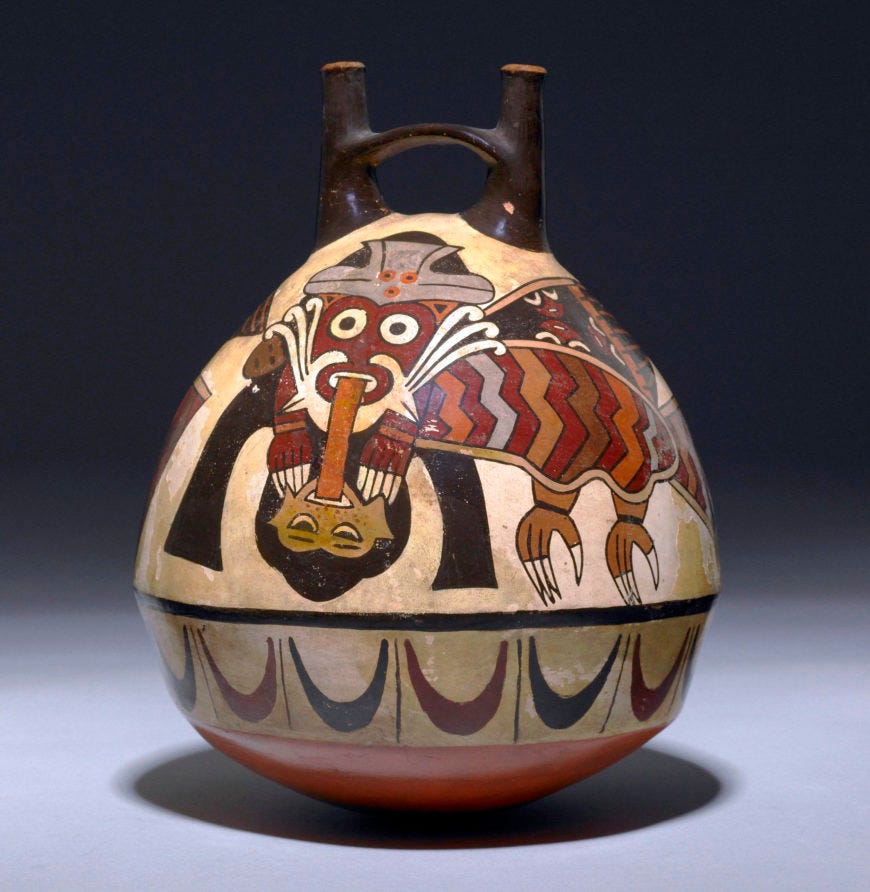
While the Incas and the Mayas are quite well-known, there’s another lesser-known civilization in the Nazca civilization.

Nazcas lived in a desert region (in modern day Peru) and relied on sustainable practices to survive.

For instance, they built underground aqueducts and water management systems to make sure they survived in their harsh environment.

The Nazcas also produced simple but elegant pottery, textiles, and other crafts, demonstrating their appreciation for the beauty in simplicity.

Nazca pottery by Teekay RM
Nazca, painted pottery (© Trustees of the British Museum)
  • Minimalism in ancient Asia

Last but not least, Asian ancient cultures also provide numerous examples of minimalism and simplicity being valued and practiced way back.

For instance, in ancient China, one of the oldest civilizations in the world, Taoism highlights the importance of living a simple and natural life, in harmony with the flow of the universe this time.

This is commonly known as the concept of “Wu Wei.”

“He who knows he has enough is rich.” Lao Tzu

But besides ancient China and India (through Buddhism and Hinduism), another gigantic civilization from the East has its own form of minimalism: Japan.

Indeed, the Japanese aesthetic of “wabi-sabi” is a great example of minimalism and simplicity.

Wabi-sabi celebrates the beauty of imperfection and transience, emphasizing the importance of finding joy and contentment in the simple things in life.

  • Final word

What has been will be again, what has been done will be done again; there is nothing new under the sun.

That’s what fascinates me most about minimalism.

Across continents, religions and civilizations, people repeatedly arrived at the same conclusion, that a meaningful life is rarely built on excess. Time and again, humanity discovered that simplicity, generosity and moderation lead to a greater sense of peace and contentment.

Minimalism isn’t a Western trend or a passing lifestyle. It’s one of humanity’s oldest ideas.

Perhaps that’s because our deepest needs have never really changed.

We all seek purpose, inner peace and a sense of belonging. Throughout history, countless people found that owning less often helped them appreciate more.

I hope minimalism helps you live a life that is not only simpler, but also more ethical, more intentional and more fulfilling.

Thanks for reading.

Teekay.

How Minimalism Changed the Way I Think About Money

Let’s talk about money.

One of the greatest gifts minimalism has given me isn’t a cleaner home or fewer possessions.

It’s financial freedom.

Before becoming a minimalist, spending money felt almost automatic. A new shirt here, a gadget there, dinner out because I didn’t feel like cooking. None of these purchases seemed significant on their own, but together they quietly shaped the way I lived. I worked to earn money, then spent that money almost as quickly as I made it.

Minimalism broke that cycle.

The less I wanted, the less I needed to earn. The less I needed to earn, the less I needed to work. And the less I worked, the more time I had to enjoy the things money can’t buy.

That’s when I realized that spending less isn’t about deprivation.

It’s about freedom.

Over the years, minimalism has completely transformed the way I approach money. These are some of the biggest lessons I’ve learned along the way.

It starts with knowing the difference between needs and wants

Minimalism constantly asks one simple question:

Do I actually need this?

It sounds obvious, yet most of us rarely stop to ask it.

Advertising has become remarkably good at convincing us that every inconvenience deserves a purchase and every desire deserves immediate satisfaction. Before long, our wants begin masquerading as needs.

Minimalism helped me separate the two.

The more I questioned my purchases, the fewer things I bought simply because everyone else was buying them.

Delay your purchases

One habit alone has probably saved me thousands of dollars, or euros.

I stopped buying things immediately.

Whenever I want something that isn’t essential, I wait.

Sometimes it’s a day.

Sometimes it’s a week.

More often than not, the excitement disappears before my money does.

Impulse buying feeds on urgency. Delaying gratification gives reason a chance to catch up.

Budgeting isn’t restrictive. It’s liberating.

A budget isn’t there to stop you from enjoying life.

It’s there to make sure your money goes toward the things you genuinely value.

Tracking my expenses helped me understand where my money was actually going rather than where I thought it was going.

The results were eye-opening.

Unused subscriptions.

Impulse purchases.

Convenience spending.

Small expenses repeated often enough to become surprisingly expensive.

Awareness came first.

Savings followed naturally.

Freedom is worth more than ownership

One of the biggest mindset shifts minimalism gave me was realizing that owning something isn’t always the most economical option.

If I can’t comfortably afford something today, I usually don’t buy it. I’ve never taken out a loan in my life, and I don’t intend to, ever.

That philosophy has helped me avoid unnecessary debt and the stress that often comes with it.

The same applies to transportation.

Cars offer convenience, but they also come with fuel, insurance, maintenance, repairs, parking fees and depreciation.

Whenever possible, I prefer walking, cycling or public transportation.

Not only do they save money, they often improve my health and reduce my environmental impact at the same time.

Sometimes owning less simply makes life easier.

Buy less, but buy better

Minimalism doesn’t mean refusing to spend money.

It means spending intentionally.

When I do buy something, I take my time.

I compare prices.

I look for secondhand alternatives.

I ask whether I already own something that serves the same purpose.

Many of my favorite possessions today weren’t new when I bought them.

Someone else no longer needed them.

I did.

Learn to enjoy inexpensive pleasures

One of the biggest surprises of becoming a minimalist was discovering how many enjoyable things cost almost nothing.

Walking through nature.

Borrowing books from the library.

Cooking meals at home.

Meeting friends for a picnic instead of an expensive restaurant.

Visiting free museums or community events.

Life became richer as my spending became smaller.

Ironically, many of the experiences I remember most were also the least expensive.

Cooking changed everything

For years, I relied heavily on restaurants and takeout.

It was convenient, but incredibly expensive.

Ironically, becoming vegan forced me to change.

Living in a city with very few vegan restaurants meant I had little choice but to learn how to cook.

Looking back, it was one of the best financial decisions I never intended to make.

Cooking at home dramatically reduced my food budget while giving me complete control over what I ate.

Sometimes what first feels like an inconvenience becomes an unexpected opportunity.

Your health is one of the best investments you’ll ever make

Saving money isn’t just about spending less.

It’s also about avoiding unnecessary future expenses.

Good food, regular exercise, adequate sleep and preventive healthcare often cost far less than treating preventable illnesses later.

As the saying goes, if you think good food is expensive, try illness.

Taking care of yourself today is one of the smartest financial decisions you can make.

Final thoughts

Minimalism didn’t make me wealthier because my income increased.

It made me wealthier because my definition of wealth changed.

I stopped measuring success by what I owned and started measuring it by the freedom I had.

The freedom to work less.

The freedom to spend intentionally.

The freedom to say no to purchases that added little value to my life.

Ironically, one of the oldest symbols of saving money reflects this same idea.

There are two popular theories explaining why we call them “piggy banks.” One traces the name back to pygg, an inexpensive orange-colored clay once used to make household jars that people stored coins in. The other comes from Germany, where pig-shaped money boxes became symbols of good fortune, fertility and frugality before spreading to other countries.

Whether the name comes from clay or pigs, the lesson is the same.

Saving money has always been less about the container and more about the habit.

Minimalism simply gave me a better reason to build that habit.

Thanks for reading.

Teekay.

Why your passions matter more than your job

Protect your passion.

Ask someone what they do and they’ll usually answer with their job.

Ask them what they’re passionate about and many struggle to answer.

Somewhere along the way, many of us began confusing what we do for a living with who we are. We spend years building careers, yet often neglect the hobbies, projects and ideas that make us unique.

Work is important. It pays the bills, provides stability and gives many people a sense of purpose.

But your passions shape a different part of your life.

They shape who you become.

You don’t find your passion. You protect it.

People often talk about “finding their passion” as if it’s hidden somewhere, waiting to be discovered.

I don’t think that’s how it works.

Most passions begin as simple curiosities.

A book that sparks your interest.

A camera you decide to pick up.

A language you start learning.

A notebook you begin filling with ideas.

The difference isn’t talent.

The difference is that some people keep making time for those interests long after the initial excitement fades.

Passions aren’t found.

They’re protected.

Creativity deserves a place in your life

For years, I’ve spent my free time writing, recording podcast episodes, building my van and exploring new places.

None of these projects began because they promised financial success.

I pursued them because I genuinely enjoyed them.

Ironically, the more time I invested in these creative pursuits, the more meaningful they became.

They taught me new skills, introduced me to incredible people and gave me experiences that no job ever could.

Looking back, I’m grateful I didn’t wait for permission or perfect conditions before starting.

Stop waiting for more time

One of the biggest mistakes we make is believing we’ll pursue our passions later.

When work becomes less demanding.

When we earn more money.

When life settles down.

The problem is that life rarely becomes less busy on its own.

If something matters to you, you have to make room for it now, even if it’s only thirty minutes a few evenings each week.

Small, consistent efforts are what turn interests into lifelong passions.

Keep learning

When was the last time you learned something completely new?

Not because your employer asked you to.

Not because it would look good on your résumé.

But simply because you were curious.

Learn a language.

Pick up an instrument.

Start writing.

Learn photography.

Build something with your hands.

Cook meals you’ve never made before.

The goal isn’t to become an expert.

The goal is to keep growing.

Curiosity is one of the greatest gifts we have, and it deserves to be nurtured throughout our lives.

Your job isn’t your identity

Most of us work.

Most of us care deeply about our families and our friends.

Those things matter.

But they’re also things millions of other people share.

What often makes someone memorable is what they choose to create, learn or contribute outside of work.

The novels they write.

The photographs they take.

The gardens they grow.

The businesses they build.

The music they compose.

The adventures they pursue.

Those are the things that reveal who we are.

Final thoughts

Your job may pay your bills, but your passions shape your life.

Protect them.

Make time for them.

Nurture them.

Years from now, you probably won’t remember every meeting you attended or every deadline you met.

But you’ll remember the things you created, the skills you learned and the moments when you allowed your curiosity to lead the way.

As Nelson Mandela once said:

“There is no passion to be found playing small, in settling for a life that is less than the one you are capable of living.”

Thanks for reading.

Teekay.

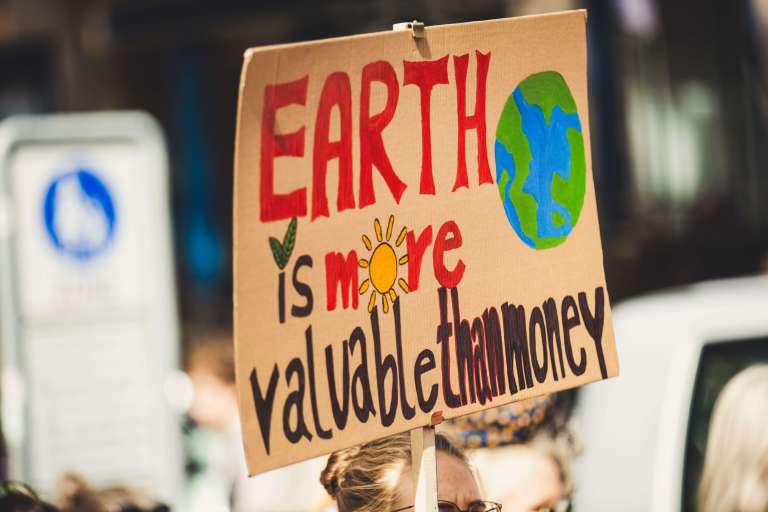
You Don’t Need to Trust the Media to See Climate Change

Global warming is here to stay.

Climate change has become one of the most polarizing topics of our time.

Depending on who you ask, it’s either the greatest challenge humanity has ever faced or a problem that’s been exaggerated beyond recognition. Politicians argue about it. Television debates it. Social media turns it into another battleground.

But what if we stepped away from all of that for a moment?

What if, instead of asking what politicians, journalists or commentators think, we simply looked around us?

Sometimes, reality speaks for itself.

Over the past few years, I’ve watched rivers shrink, forests burn and heatwaves become increasingly common in places where they once felt exceptional. Friends living in different parts of the world tell similar stories. Farmers talk about unpredictable seasons. Water restrictions have become more frequent. Wildfires have intensified across multiple continents.

You don’t have to agree with every headline to notice that something is changing.

You don’t have to trust every report to observe what’s happening around you.

Talk to older relatives.

Talk to people who work the land.

Talk to fishermen, hikers or anyone who spends significant time outdoors.

Ask them whether the seasons still feel the same as they did twenty or thirty years ago.

Whether you trust politicians, journalists or climate scientists isn’t actually the point I’m making.

Reality exists independently of who reports it.

Climate change doesn’t care whether we’re conservative or progressive, religious or secular, rich or poor.

The atmosphere doesn’t vote.

Nature doesn’t negotiate.

The real question isn’t whether the climate is changing.

It’s how we choose to respond.

For me, the answer has less to do with waiting for revolutionary technologies than with rethinking the way we live.

We consume far more than we need.

We replace products that still work.

We normalize waste.

We chase convenience even when it comes at a tremendous environmental cost.

Modern consumerism has taught us that happiness comes from buying more.

The planet is telling us otherwise.

That doesn’t mean giving up comfort or returning to life centuries ago.

It means consuming more intentionally.

Buying fewer but better things.

Repairing instead of replacing.

Walking when we can.

Using public transportation more often.

Supporting companies that take sustainability seriously.

Reducing food waste.

Sharing resources instead of duplicating them.

Holding companies like banks accountable.

Many of these habits don’t just reduce our environmental impact.

They also save money, reduce stress and improve our quality of life.

That’s one of the reasons I was drawn to minimalism in the first place.

The same choices that help us live with less clutter often happen to be the same choices that place less strain on the planet.

Perhaps that isn’t a coincidence.

Maybe we’ve spent so long looking for complicated solutions that we’ve overlooked the simple ones.

Throughout history, humanity has repeatedly adapted to new challenges.

This one is no different.

The question isn’t whether change is coming.

It’s whether we’re willing to change with it.

Thanks for reading.

Teekay.