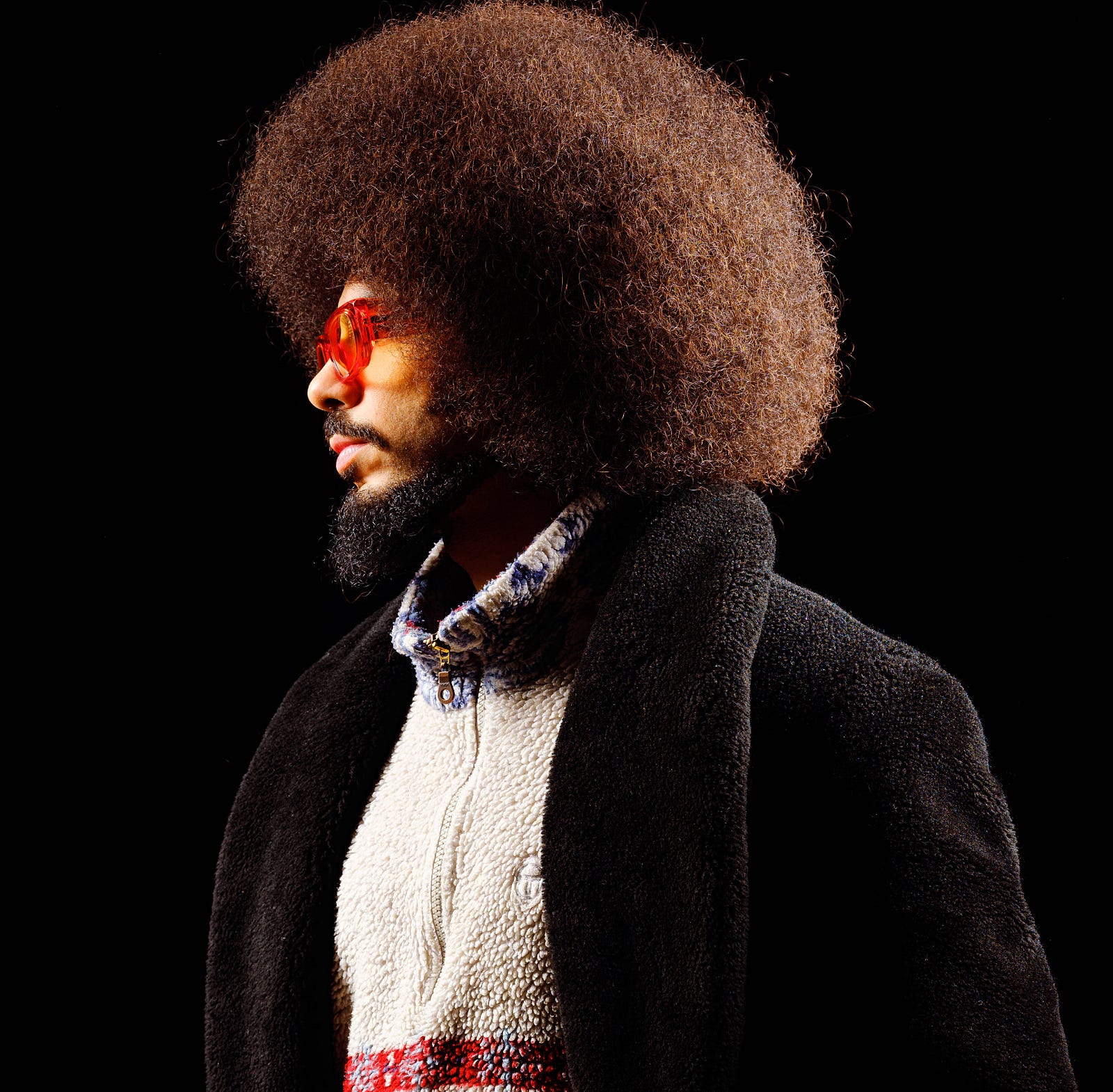
Teekay scuba diving

How I got into scuba diving despite the odds

It’s been bumpy.

In September 2024, after touring Europe for 9 months, I realized I needed a new challenge. I had no routine back then, but I was itching for something that would push me out of my comfort zone. I hesitated between picking up rollerblading again, something familiar and nostalgic, or diving into something completely new.

As someone captivated by the ocean and its many mysteries, I started thinking why not do something with that? That’s how I got into scuba diving.

Now, I knew absolutely nothing about scuba diving. I’d snorkeled a million times before, sure, but as I quickly learned, scuba is a different beast altogether.

There was one small problem, though: I was only going to be around for a couple of weeks before heading off on a another road trip through Belgium, the Netherlands, Germany, and Luxembourg, before eventually visiting friends in Strasbourg and Romans. Not exactly the ideal time to start something new.

Still, I called the local dive club and got through to P. I think he’s the president, though I’m not entirely sure. What I do know is that he’s an experienced instructor and sounded like a genuinely nice guy. I told him I’d have to disappear for a couple of months after my first session, and he just said, “No problem. We’ll pick it up from there when you’re back in December.” That put me at ease.

Before leaving, I squeezed in my first-ever scuba dive in the pool, and let’s just say it didn’t go smoothly.

At barely two meters deep, the pressure was too much for my ears. We had to resurface twice before I could finally stay down. I was tense, bloated, and extremely uncomfortable, definitely not my finest hour. I left with more doubts than confidence. But I had two months to reflect, refocus, and maybe strengthen my Eustachian tube.

When I came back in December, I jumped right back in. The group had changed, most of the other “newbies” weren’t so new anymore, and they all seemed to know each other pretty well. I didn’t mind. P was there and made sure I was comfortable. Besides, I’ve always been a bit of an outsider anyway.

So, the second session? A total game changer. Thanks to the dryland workouts P had recommended, I was way more relaxed, and my ears cooperated this time. I actually enjoyed myself. It was the confidence boost I needed.

But not so fast.

Session three was a swim session. And here’s something I may have mentioned on this blog before: I’ve always wanted to learn how to swim properly, but never got around to it. Growing up by the sea, I swam “freestyle” almost every summer. My dad first threw me in the water at age 5. He’s always been a strong swimmer but me? Not so much. Or not at all!

So during that swim session, the lack of technique finally caught up with me. Everyone else swam like they knew what they were doing. I felt like I was flailing.

When I remember the most from that session was that the instructor on duty that day wasn’t exactly kind about it. However, another one quietly pulled me aside, explained what I was doing wrong, and gave me tips on how to improve. That five-minute exchange was all I needed.

Then came the sting.

At the end of the session, I overheard some instructors talking to P, my “supervisor.” Let’s just say that they were extremely harsh. I knew that I wasn’t ready, that I could barely float, that I couldn’t swim, but the stuff and the way they said it was just mean. But in hindsight, that moment made me push through to prove them wrong. I had no doubt that I would improve. Talk is cheap.

Right after that incident, I started taking proper swimming lessons outside of scuba. I practiced every chance I got. Little by little, things started clicking.

Weeks went by. My scuba technique improved. I got more confident in the water. I stopped feeling like I was just surviving and started actually enjoying it.

And just this past weekend, I went on my first dive in nature.

It was amazing.

Sure, I lost my weight belt (50 bucks gone in a splash) but I didn’t care. The dive itself was beautiful. I was paired with G, a quiet guy who knows his stuff. Not a chatterbox, but full of good advice. I also really like E, another club member. Super chill and probably the nicest guy there, even though I don’t see him often.

Now summer is right around the corner. In a few weeks, we have a diving weekend coming up, and I can’t wait. I’m close to getting my first-level certification. It’s been tough, my technique was abysmal when I started, but I’ve grown a lot. I’m feeling more comfortable, more daring.

My instructors helped me a lot. But I’m also proud of the work I put in. I earned this progress.

Will I continue next year? I think so. I want to see where this journey goes.

We’ll see what happens once the season ends.

Thanks for reading!

Teekay
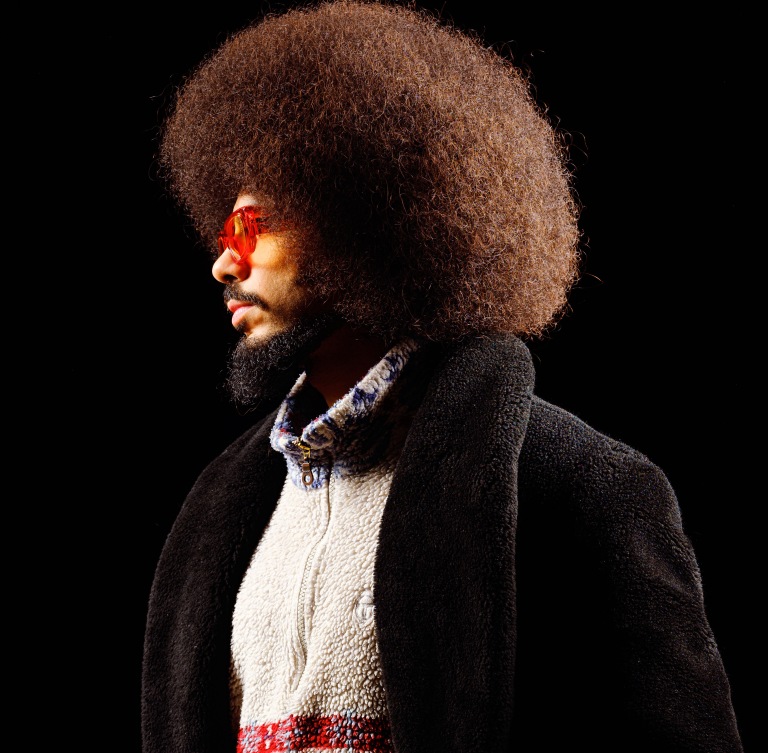
Unapologetically Ourselves

A journey of cultural pride.

As a POC (Person of Color) and someone of mixed heritage, I grew up in a world where my hair was often a topic of conversation.

I’m not alone in this.

In fact, Black hair has been a topic of conversation for centuries, and remains a crucial aspect of the Black community worldwide (including all people of African ancestry) to this day.

In my case, and unlike some of my other traits, my hair is 100% African.

Picture of the author, Teekay Rezeau-Merah, MSc

The odd, yet completely understandable thing about “nappy” hair (which used to be the derogatory term for Black hair) is that most POC hate it. This is the result of centuries of racism, minority bashing and discrimination.

The way Black people wear their hair speaks volumes about their identity and their place in society.

Take the 70s, for example. 

The Afro’s rise in popularity during the Black Power movement of the 60s and 70s was a time of great cultural change. This era was a turning point for many Blacks in America. 

As such, Black people had finally started reclaiming their African heritage and embracing their natural looks. The Afro became a symbol of pride and revolution for Black people worldwide.

But wearing it in 2023 feels different.

It’s funny because every time I go out, someone stops me to comment on my hair. And when I say every time, I mean literally, not figuratively. 

Older folks usually tell me it reminds them of the old days, while younger folks often see it as a fashion statement and a celebration of my authentic self.

I don’t mind either.

But of course, that’s just a part of it. 

The reality is, many people simply stare, judgmentally.

The thing about our whitewashed world is that western beauty standards have long emphasized straight, silky hair as the ideal, and anything outside of that norm is seen as unconventional or even unprofessional.

These deeply ingrained societal norms — norms that have historically oppressed Black and brown people and perpetuated negative stereotypes about Black hair — are hard to break away from.

As a result, people stare because they’re not accustomed to seeing natural Black hair, particularly in environments like the workplace or formal settings.

I’m here to change that, sort of.

My ‘fro is empowering in many ways.

Lots of Black and mixed kids look genuinely happy to see me. 99% of them wave at me, stop me, ask me questions. They want the same hair, and their parents usually look just as happy with the idea. Seeing someone else with their afro shows them that it can be done.

That’s the power of representation. 

But it’s not just kids. Parents are usually just as eager to talk to me.

One time, a random guy stopped me in the street to ask me how long it took me to grow it out, and whether it was challenging to navigate everyday life with an Afro (especially in Europe). Funny thing is, it wasn’t even for him, he was just considering the idea for his little kid. The conversation lasted for 15 minutes.

My Afro’s other purpose is that of a celebration.

It’s a form of self-expression and self-love. Through it, I celebrate my cultural heritage, my ancestry and myself. It’s a part of my identity, and it feels amazing.

But with all that being said, make no mistake, this big ball of hair is also a symbol of defiance. In fact, it represents a rejection of the Western standards of beauty, standards that have been imposed on the world for centuries.

To my pigmented readers, kindly use this piece as a reminder that your hair is amazing, and I wholeheartedly encourage you to embrace it.

For those of you who straighten their hair or wear wigs to hide their natural beauty, you know this is a manifestation of internalized racism and self-hate. You know it.

This form of self-hate has been a coping mechanism for Black and brown people around the world, I get it, but it’s got to stop.

This mentality only perpetuates the negative stereotypes and ideals that have historically oppressed us, so it’s on us to break away from them, once and for all.

We owe it to ourselves and future generations to fight this negative self-image by challenging societal norms. Ain’t nothing wrong with embracing your looks proudly and unapologetically, nothing!

To my caucasian friends, you’re reading this for a reason. Keep being the allies that you’ve always been. Keep pushing for social justice. I appreciate you more than you know.

Thanks for reading.

If you wish to read similar articles and support my work, follow me and subscribe to my newsletter.

I write about my travel adventures, essentialism, health, slow living, environmental solutions and more.

Till next time !

Peace.

Tee.

How Positive Affirmations Changed the Way I Think

Away from the clichés.

The human brain is a remarkable organ. It’s responsible for everything we think, feel and do. Our brains are the driving force behind our behavior and are constantly working to keep us safe from harm.

The manner in which our brains process information is not always reasonable, hence why it’s extremely common for us to craft negative narratives based on our past experiences.

  • Uncertainty

One of the ways our brains work to keep us safe is by perceiving uncertainty as a danger or a threat.

The reason we panic when we lose our mom in a supermarket, or lose sight of our hiking partner testifies to that. Being in unfamiliar or unpredictable situations makes our brains go into overdrive rather quickly. This phenomenon allows us to better assess the situation and determine whether it’s safe or not.

Whenever our brain perceives said situations as a potential threat, it immediately creates negative stories and outcomes, thus preparing us for the worst case scenario.

Fascinating, right ?

Our brains are wired to prioritize survival over happiness.

In other words, our brains are more concerned with keeping us ALIVE than with making us happy, which seems fair as far as I’m concerned.

However, and as a result, the narratives we create in the present are often based on experiences from the past, and most importantly, experiences that have led to negative outcomes.

These experiences are stored in our subconscious as core beliefs, which our brains use to create our current narratives.

  • Core beliefs

You may have heard this before (or not), but our core beliefs are often formed in childhood and are based on our experiences with our parents or caregivers.

For instance, people who grew up in an environment where they were constantly criticized or told that we weren’t good enough develop a core belief that they are unworthy or unlovable.

This belief then manifests in their present-day narratives, leading them to believe that they’re not capable of success or that they’ll never find happiness, or love.

The problem with these negative narratives is that they can become self-fulfilling prophecies. By believing that you’re not good enough or that you’ll never find happiness, you’re less likely to take risks or pursue your goals, which then leads to an unfulfilling and unsatisfying life.

  • How to overcome negative narratives

One way to overcome these narratives is to challenge your core beliefs.

By examining the beliefs we hold about ourselves and questioning where they come from (learning to unlearn), we begin to see that most of them aren’t based in reality.

It’s obviously easier said than done, but once you’ve taken that first step, the next step, which is to create new, more positive narratives will come more naturally.

For example, if you have a core belief that you’re not good enough, you can challenge that belief by focusing on your strengths and accomplishments, and what got you here.

I’ve always done this whenever I felt down. I love reminding myself of how far I’ve come, all the mountains I’ve climbed and empower myself that way. Positive affirmations are a major confidence boost and gratitude is key to a purposeful life.

Surrounding myself with supportive people and ONLY consuming empowering and positive content (audio, written and video) has also played a huge role in my fight against negativity and fear.

Another way to overcome negative narratives is to practice mindfulness.

Practicing mindfulness is one of my favorite topics on this blog. I wrote multiple pieces about it because I truly believe in the power it possesses in the fight against mediocrity, negative self-talk and defeatism.

Mindfulness, as most of you must know, is the practice of being fully present in the moment and observing our thoughts without judgment.

Practicing mindfulness makes me more aware of my own negative narratives and is a necessary step in my journey of letting go.

Practicing mindfulness also helps me focus on the present moment and the positive experiences I’ve had (or that I’m having), rather than worrying about the future or dwelling on the past.

Photo by Matt Collamer

So whoever is reading this, use this piece as a reminder to cultivate mindfulness, always question everything, including your core beliefs and to be kind to yourself.

Don’t take making it this far for granted, life ain’t easy but you’ve got this. Also, remember, our brains view uncertainty as a peril so don’t trick yourself into believing you’re alone in this fight against negative narratives, you’re not.

While our brains prioritize safety over happiness, positive affirmations are powerful enough to steer negative narratives towards positive ones. If anything, I’m living proof of this.

P.S.: Stay hopeful 🙂

Thanks for reading.

Tee.