A concept you never knew existed.
A hand peels an orange on your screen. The skin tears. A fine mist catches the light.
Your mouth waters.
You didn’t touch anything. You didn’t smell anything. You’re sitting there scrolling and your body just reacted to a stranger’s breakfast.
Somebody designed it that way. And I used to be one of the people who did.
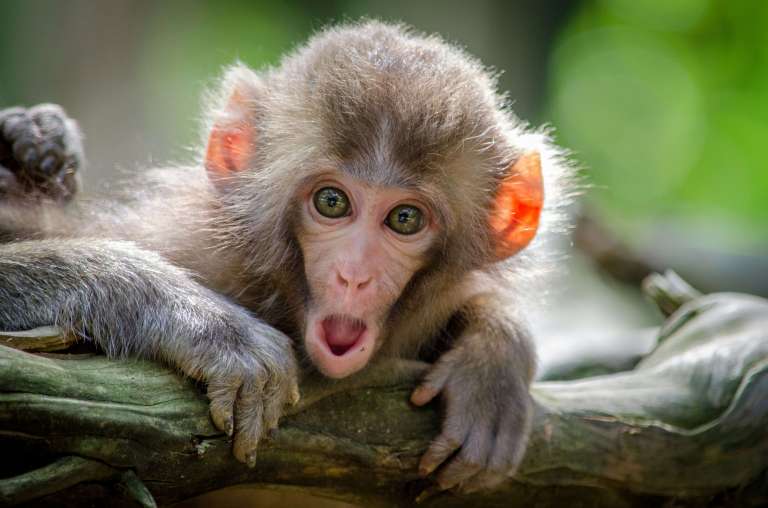
The monkey that didn’t move
In the 90s, researchers in Italy were recording the brain activity of macaque monkeys. One neuron fired every time a monkey grabbed a piece of food.
Then it fired again when the monkey only watched someone else grab it.
The monkey wasn’t moving. Its brain acted like it was.
They called these cells mirror neurons. The idea is that doing an action and watching one share some of the same wiring. That could explain how we imitate, learn and read other people’s intentions.
A fair warning. The evidence in humans is harder to pin down, and scientists still debate how much mirror neurons alone can explain. But the broader finding holds up. Brains simulate what they observe.
Marketers don’t need the debate settled. They only need the behavior.
How mirroring made me fluent
I speak six languages, a few of them at a native level. I don’t credit talent. I credit imitation.
I copy how native speakers sound, not how the words are spelled. Spelling lies. Sound doesn’t.
Even with a tiny vocabulary, I copy the music of the language first. I learn far faster this way than I ever did before, and I hardly forget anything.
Imitation in monkeys and children is a form of social learning and social integration. That’s how we learn the norms, gestures and expectations of our tribe.
Feeling without touching
The mirroring doesn’t stop at movement. Researchers have found that watching someone get touched can activate some of the same brain regions as being touched yourself.
Virtual reality leans on this. Therapists use it to help people face phobias in a controlled setting, and it has helped some people heal.
Where marketing comes in
As an ethical marketer, I owe you this part.
I studied this during my MBA, where neuromarketing was my minor. Later I used some of it in real campaigns.
Old ads showed you a product. Modern ads show you a person using it. A hand, a bite, a sigh. The goal is to make you feel the experience before you’ve paid for it.
And a feeling you’ve already had is easier to buy.
Texture sells before touch
Soft, velvety packaging suggests comfort and luxury before anyone holds the box. Matte finishes tend to signal quality and calm. You feel it through the screen, and no one has to hand you anything.
Sound and image
Crisp pours, slow unboxings, the crunch of a first bite. Audio and video can evoke touch and taste through the senses we can reach remotely. Entertainment has used this for decades to shape culture as a whole.
Scent
Mint and cut grass suggest coolness. Lavender tends to read as calm and often nostalgic. Scent only works in physical spaces, which makes it the one lever a screen can’t pull. Brands still build it into their stores and call it identity.
Who’s holding the mirror
You can’t switch off your mirror neurons. You can notice when they’re being used.
Next time an ad makes your mouth water or your hands itch to hold something, ask who’s holding the mirror.
Marketers want you to mirror. Try to reflect.
Teekay

