The importance of father figures and mentors

I wanted to dedicate this blog post to our spiritual fathers and mentors

The people who turn boys into men

People with knowledge of self and a deep understanding of the word of God

People who understand their own purpose and the meaning of life

My spiritual father was an Ethiopian Orthodox, follower of the oriental Orthodox Church 

His name’s Dr. Temesgen and he lives (or lived) in Addis Ababa, Ethiopia, where I spent nearly 5 years as a teenager

Doc taught me so much about life man, so much !

The concept of paying it forward and the idea of giving back to the world was inspired by this man

Doc was the perfect mentor. He took me under his wing when I was barely 14, and I couldn’t be more grateful 

His teachings range from the importance of self-awareness, communication to the overall basics of health and diet

He was an exemplary individual

Down to earth, grateful, generous with his time and money, always with a smile on his face

His diet was the pinacle of excellence, his routines kept him looking young when he was way past his 70s

His diet consisted of boiled veggies, fruits and a small cup of freshly brewed coffee every morning

As an early-riser, the first thing he’d to do upon waking up was pray. After that, he’d put on his best attire and go about his business, day in, day out

A simple and yet perfect routine such as his is crucial for those looking to stay sharp and healthy

A good routine can keep you away from laziness, complacency and trouble, one of the most important lessons I’ve learned from Friday, or, The Other Island

Doc was such a lovely human being, one of the best I’ve ever met

I miss him dearly and wish I could have one last conversation with him

Mentor
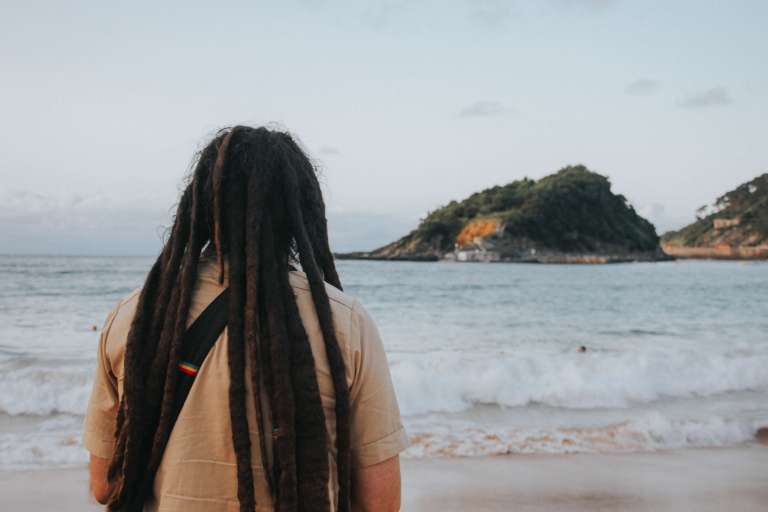
Doc (left)

Food and supplements checklist before going vegan

No fluff, just facts.

1. Vitamin B12

Can be found in: tempeh, cremini mushrooms, nutritional yeast, and supplements (which are very highly recommended).

Vitamin B12 helps keep your body’s blood and nerve cells healthy. You need B12 to make red blood cells, which carry oxygen through your body. It also helps prevent dementia and reduce birth defects.

Vitamin B12 also helps prevent megaloblastic anemia, a blood condition that makes people tired and weak, so signs of B12 deficiency usually include tiredness, fatigue and dizziness.

A lack of vitamin B12 can cause neurological problems as well, which affect your nervous system.

2. Proteins

Can be found in: seitan, quinoa, natural soy (tofu, miso, tempeh, edamame, soy milk), lentils, beans (black), chickpeas, nutritional yeast, hemp seeds, green peas, spirulina, chia seeds, nuts and nut butters (also contain antioxidants), artichoke, sweet potatoes, asparagus, spinach broccoli, blackberries, guava, banana.

Proteins are a critical part of the processes that fuel your energy and carry oxygen throughout your body.

Proteins also help make antibodies. Your antibodies are there to fight off infections and illnesses. Besides, proteins also keep your cells healthy and create new ones.

3. Iron

Can be found in: lentils, red bell peppers, spinach, mushrooms, soybeans, carrots, broccoli, quinoa, oatmeal, sunflower seeds, leafy greens, dried raisins, chickpeas, tomatoes, potatoes, corn, beats, seeds and nuts.

Vitamin C helps better absorption. Vitamin C can be easily found in citrus, red peppers, broccoli.

Iron is an essential element for blood production. About 70% of our body’s iron is found in the red blood cells of our blood called hemoglobin and in muscle cells called myoglobin.

Hemoglobin is essential for transferring oxygen in our blood from the lungs to the tissues.

About 6% of body iron is a component of certain proteins, essential for respiration and energy metabolism.

Tea and coffee decrease iron absorption.

4. Iodine

Can be found in: iodised salt, navy beans and baked potatoes.

Iodine plays a vital role in thyroid health. The thyroid gland, located at the base of the front of our necks, helps regulate hormone production. These hormones control our metabolism and heart health.

Deficiency causes goître.

5. Calcium

Can be found in: fortified tofu, rice, oat and soya drinks, sesame seeds, tahini, dried fruits (raisins and prunes).

Calcium is a mineral that is necessary for life. In addition to building bones and keeping them healthy, calcium enables our blood to clot, our muscles to contract, and our heart to beat.

Every day, we lose calcium through our skin, nails, hair, sweat, urine and feces. Our body doesn’t produce its own calcium.

Deficiency causes cramps, insomnia and low bone density.

6. Vitamin D

Can be found in: sun exposure and/or supplements, extremely important for calcium absorption.

2000UI/day is a health dose, some take up to 4000UI/day.

A healthy dose of vitamin D can prevent mild Covid-19 symptoms and lower risks of death.

7. Zinc

Can be found in: lentils, green peas, white beans, corn and oatmeal. Needed for proper immune system function, antioxidant, wound healing.

Zinc is used by the body in COUNTLESS ways. It is found in cells throughout the whole body. It helps the immune system fight off invading bacteria and viruses. The body also needs zinc to make proteins and DNA.

You must get a constant zinc supply through your diet. Supplements during cold season are highly recommended.

8. Riboflavin (B2)

Can be found in: whole grains, almonds, sesame seeds, spirulina, mushroom, quinoa, nuts, broccoli, brewer’s yeast, Brussel sprouts, wheat germ, wild rice, mushrooms, soybeans, green leafy vegetables and whole grain and enriched cereals and bread.

It plays a huge role in energy production in the body.

It helps the body break down carbohydrates, proteins and fats to produce energy, and it allows oxygen to be used by the body.

It is flushed out of the body daily, so it must be restored each day.

Hemp seeds, dates, figs, grapes, granola bars, garlic and turmeric boost your immune system.

Drinking water first thing as well.

Minimalism: removing things that remove you from your life

From owning 51 pairs of shoes to less than 40 overall clothing items, how did I get here?

I could write a whole book about the many benefits of minimalism.

I talk a lot about minimalism and mindfulness on my podcast.

I truly and wholeheartedly believe this lifestyle can spark a change in the world, help people feel happier, lighter, achieve financial stability, work less and live more.

There are no good arguments against minimalism, just like there are none against veganism, but that’s another story.

That said, lately I’ve been exploring a different terminology. I felt as though the term “minimalism” wasn’t impactful enough.

Hear me out.

Most of us think we know what minimalism is, or what it entails. We don’t, not really.

The word “minimalism” is somewhat self-explanatory, which, IMHO, doesn’t do it justice.

This really got me thinking, so I decided to come up (or explain further) my own work-in-progress minimalism, which is a bit extreme, so I call it mindful essentialism, or just essentialism.

Why “essentialism” you ask? Simple: because I own the bare minimum, or rather, essentials only, no extras.

As an essentialist, one of the main focuses of my lifestyle is protecting the environment.

Consuming less leads to cutting down waste and living with a smaller ecological footprint. Simple.

I obviously still own and need some stuff, but the things I own and buy (when need be) are 100% environmentally friendly, and absolutely necessary. I also live frugally, and try to repair and repurpose all my belongings.

I’ve talked about this time and again on my podcast, but consuming less helps reduce the harmful impact of mindless consumerism on our planet. This makes essentialism a pro-environment and anti-consumption mindset and philosophy above everything else.

From shopping second hand and eco-friendly to investing in quality products (that last longer), my new shopping habits (close to nonexistent nowadays) help me reduce my carbon footprint significantly.

For instance, mindful shopping and making sure I don’t bring any unnecessary things into my life is the first thing on my mind when I’m out looking shopping;

Having the preservation of the planet in mind, essentialists like myself usually follow a vegan lifestyle as the two philosophies go hand in hand.

My other focus as an essentialist is to experience the world without getting tied down to a permanent place and financial burdens.

Instead of embracing materialism, I believe creating memories of my experiences is one of the two most important aspects of my life, the other one being giving (time and money) to charity and NPOs.

  • Travel-wise

As a lifelong traveler, I’ve always had trouble finding the right amount of things to pack up, so I always ended packing way more than I needed.

Since embracing this philosophy, I’ve noticed how traveling with fewer distractions allowed me to be more present and get the best out of each and every experience. It’s the little things, right?

For some nomadic minimalists, this lifestyle is just a practical way of moving around. For me, it’s challengingly fun to experience how little I (and now WE) can live with.

  • The mindful part of essentialism

As an essentialist, peace of mind is an integral part of why I chose this life.

Owning fewer things automatically reduced mental clutter for me, which is the number one cause of stress and anxiety for most people.

Owning less also reduces distractions and gives me the ability to focus on self-reflection (hence this post), self-love and personal development (once again, hence this post).

As a mindful essentialist, owning less possessions and being more present in the moment with my thoughts, my loved ones, my feelings and emotions has increased my quality of life in a significant manner. It’s made my life more meaningful and fulfilling.

Now, I’m not there yet, and I will keep working on shaping a better version of myself, pursuing excellence (a religious principle in my case) and adding value to other people’s lives.

I started my essentialist journey to escape the suffocation of stressful and expensive lifestyles, but I ended up finding a whole different facet of myself, a more relaxed and positive one.

In short:

Cutting down on “stuff” helped me become more mindful about self-care and my core values as well.

Essentialism has become a powerful tool in my journey of developing a better me. It’s helped me become more thoughtful as well.

Thank you for stopping by!

Here’s a short list of my favorite minimalists:

  • Leo Babauta from Zen Habits 
  • The minimalists
  • Sorelle Amore
  • Colin Write
  • Youheum from Heal your Living (personal fave)
  • and of course Matt D’Avella