Clarity with Teekay Podcast Guest-list

Clarity with Teekay is where I unpack life’s weirdness, one conversation at a time.

Since 2019, I’ve been recording from the cozy space of my home in Bordeaux, digging into culture, society, and whatever else catches my curiosity. Sometimes solo, sometimes with insanely cool guests.

I’ve had all kinds of people on the show: Hollywood execs, international movie stars, doctors, explorers, neuroscientists, microbiologists, pro athletes, writers, marketers, authors, architects, professors, podcasters. They bring their perspectives, I bring my questions, and together, we break things down in ways that (hopefully) make sense.

This podcast is about real, useful ideas, the kind you’d usually pay thousands for in coaching or courses. But I’m putting it out there for free, because why gatekeep good stuff, right? Whether it’s breaking habits, questioning norms, or figuring out how to make life less of a mess, I’m here to help you unlearn, rethink, and build something better.

What to Expect

🔹 [FULL] Episodes – Deep-dive convos (45 mins), dropping 1-2 times a month.
🔹 [CLIP] Episodes – Short, straight-to-the-point answers (<10 mins), every week.
🔹 [SOLO] Episodes – Just me, rambling about a topic for 7-15 mins, once a month.

You can listen on Apple Podcasts, Spotify, Amazon Music, Google Podcasts, and Stitcher.

The podcast has a bunch of accounts on major social media platforms but to be honest, I don’t use Social media anymore, so if you want to reach out to me, do it here.

If you like the show and want bonus content, you can support it here:
🔗 Subscribe here

Press play and let’s get into it. 🎧

(Guest list below! 👇)

  1. Alejandra P. Arenas, Assistant director and production stage manager – Queretaro, MX
  2. Natalie Christensen, Psychotherapist turned published photographer – Santa Fe, USA
  3. Isabella R. Lash, Actress and acting coach – Virginia, USA
  4. Grace Treutel, Manager of culture and content – Alabama, USA
  5. Miruna Dragomir, Head of marketing at Planable – NYC, USA
  6. Fabian Chegoya, Healthcare IT and revenue cycle management consultant, founder of Chaminger and diplomat kid – Denver, Colorado, USA
  7. Fabe Mitchell, Business owner and coach – Florida, USA
  8. Lachlan Parker, Sport and exercise scientist, esports mental health counsellor, head performance coach for @Renegades, Melbourne, AUS
  9. Brian James, Author of  “The Wolf Among Sheep – New Orleans, USA
  10. Alexander Tankou, Electric vehicles research associate at the international council on clean transportation – Washington DC, USA
  11. Mardet Guebreyesus, Architect and bestfriend – Addis Ababa, Ethiopia
  12. Deborrah Cooper, Advice columnist, author and Top Female blogger, Southern California, USA
  13. Keith Hutchings, Founder of The Comfortable Home project and sustainability enthusiast – Perth, Australia
  14. Joseph “Joey” Drolshagen, Founder of IFGT Life Coaching LLC, featured in FOX, NBC, CBS and as Top 20 Business Coaches in America in the NYC Journal 2022 – Greenville, SC, USA
  15. Josh from Pursuit of Infinity podcast, Psychedelics expert – Pennsylvania, USA
  16. Craig Gavigan, CEO of the Unplugged brand and national park ranger, Scotland
  17. Lynne Bowman, Plantbased author of Brownies for Breakfast, California, USA
  18. Karen Knight, NPF coach and volunteer management consultant, Canada
  19. Jochen Thomas Grunbeck, Behavioral and consumer psychology expert, London, UK
  20. Megan Sam Holstein, Award-winning personal development, psychology, philosophy, science writer, Columbus, Ohio
  21. Shane Rogers, Stand up comedian, musician and author, California, USA
  22. Marcello Pasqualucci, Head of experimentation at SKY, ex YAM! and HSBC experimentation project manager and neuroscientist, London, UK
  23. Karolina Rzadkowolska, Alcohol-free life coach and author, San Diego, USA
  24. Jas Takhar, CEO, content creator and co-owner of REC Canada and FTGU Media, Toronto, Canada
  25. Michael Buzz Buzinski, President of Buzzworthy Integrated Marketing, Arizona, USA
  26. Richard Flint, Author of 19 books and Human Behavior expert, Washington DC, USA
  27. Andrea Osvart, International film actress and European Golden Globe winner, Budapest, Hungary
  28. John Kenny, The Relationship Guy, London, UK
  29. Dr. Johannes Mallow, PhD and two-time World Memory Champion, Germany
  30. Dave Wann, writer of multiple books and founder of Harmony Village, Golden, Colorado
  31. Brenden Kumarasamy, Public Speaking Coach, Montreal, Canada
  32. Juan Lee, CEO and founder of Clear Journey, Author of Love Made Simple, Maryland, USA
  33. Anne Claessen, MSc LLM, Podcast Host, Strategist & Monetization Expert, Arnhem-Nijmegen Region, Netherlands
  34. Tim Fitzpartrick, B2B Revenue Accelerator and Marketing Consultant, Denver, USA
  35. Connie (Lockhart) Ellefson, Professional Organizer, Aurora, Colorado, USA
  36. Phil B. Pelucha, TV Host & Network founder, Gros Islet, Saint Lucia
  37. Vinnie Potestivo, Emmy Award-winning Media Advisor, New York, USA
  38. Kelly L. Olson, Ph.D., Director, Clinical Affairs – Medical Affairs Specialist, Salt Lake City, Utah, USA
  39. Laurel Foley, Movement Analyst, Indianapolis, Indiana, USA
  40. Kit Huffman, Personal Branding strategist, CEO of Seneca, Jackson WY (now Bariloche, Argentina)
  41. Jen Blanchette
  42. Flobo “Flobito” Boyce, ex US Airforce, Live Entertainment Professional, Standup Comic, California, USA
  43. Yogi Aaron, Yoga teacher and creator of Applied Yoga Anatomy + Muscle Activation™, New York, USA
  44. Linda King, Travel Agent and Writer, Melbourne, Australia
  45. Amanda Kate, Self-Mastery Facilitator, Melbourne, Australia
  46. Kim Sorelle, Writer and Speaker about love, Grand Rapids, Michigan, USA
  47. John Mendez, Marketer & AI Integration Specialist For Real Estate Agents, Stamford, Connecticut, USA
  48. Bastien Siebman, ASANA consultant, Founder and Minimalist, Annecy, Auvergne-Rhône-Alpes, France
  49. Cora Kessler, Social Media & Marketing Consultant, Richmond, Virginia, USA
  50. Jerome Bethea, Aka JB The Wizard, Web 3.0 Alignment Branding™ Expert. Creator of The World of Futuring, Hollywood actor, Philadelphia, USA
  51. REV Gabriel Castillo, Lead Facilitator at Church Of The Sacred Spore and Psychedelic expert, Titusville, Florida, USA
  52. Dr. Elaine Ingham, Microbiologist and Founder of Soil Food Web Approach (Soil Regeneration), Oregon, USA
  53. Luke Titus, Creator of the Barefoot Challenge, Wisconsin, USA
  54. Geoff Palmer, Natural Bodybuilding and Natural Physique Masters Champion, Owner of Clean Machine Plant-Based Fitness Nutrition, author, national lecturer, vegan patent holder and 2 Time NEXTY Winner for “Best Supplement of the Year” 2016 & 2018, Pompano Beach, Florida, USA

Thank you for stopping by.

Teekay.

From Cash to Trash: 19 Everyday Things You’re Oversaturated With

Your home is meant to be a sanctuary, not a graveyard for your gadgets and excess stuff.

Home is where we retreat from the outside world, unwind, and recharge ourselves. It’s where we seek solace, relaxation, and tranquility.

from cash to trash by minimalist Teekay Rezeau-Merah
Photo by DESIGNECOLOGIST

Supposedly.

Americans spend $1.2 trillion annually on nonessential goods — in other words, items they do not need — The Wall Street Journal.

For most people, home has become the place where they store their stuff.

  • Do you ever feel overwhelmed by the clutter in your living space?
  • Is it a challenge for you to locate items or decide what to wear?
  • Are you occasionally faced with a shortage of hangers?
  • Does the sight of your closet alone make you feel tired?
  • Does it take an excessive amount of time to tidy up your home?
  • Would relocating from your current residence require multiple utility trucks?

If you find yourself answering “yes” to any of these questions, here are the likely culprits for this draining situation.

Note: The following examples and numbers paint a jarring picture of excessive consumption and unnecessary accumulation. Clearly, many of us have far too much stuff.

  • Food storage containers

How many containers does one need ? Research says 6 to 10 containers per person, we’ve got 3 in our home, for 2 persons.

It’s shocking to me that people hoard these things. Some accumulate them to the point of overflowing cupboards, it’s madness !

Wouldn’t it be great if neighborhoods and buildings provided a designated space where people can share their surplus containers, allowing others to utilize them as needed ? This would help curb the unnecessary purchase of food containers and promote a more sustainable approach to storage.

Note: This doesn’t apply if you meal prep, which is awesome by the way.

  • Pens

I think there are enough pens in the world and we must cease to produce pens anymore, till we finish the ones we have.

Most people don’t use pens anyway.

  • Auto tools

You don’t need ten wrenches, Bob ! Seriously, you don’t. One is enough, two is MAX, unless you’re a mechanic.

And just like with containers, I wholeheartedly believe neighborhoods and buildings must provide a space where people can share their tools.

I got mine when I was building my Campervan. I’m more than happy to share them with others.

  • Reusable shopping bags

Reusable shopping bags are the new plastic bags.

A massive scam.

People collect those even more than they did plastic bags, because they paid more for them.

The problem ? Reusable bags require more plastic, energy and fabric to make.

Forgot your bag at home ? It’s okay, just grab what you can carry. You won’t die of hunger, and it’ll train you to think about your bag next time.

Also, always leave a reusable bag in your bike/car or coat.

Better yet, we must promote the introduction of returnable bags. They have those here in France, they cost 15c each (pricey), which is refunded back to you when you return them.

In fact, we don’t have ANY bags at home, reusable or otherwise. We operate with returnable bags only (and my backpack if need be).

  • Handbags

Why do people even buy those ? When did this trend begin ?

Since around 1500 AD, handbags have been an essential part of everyday life for both men and women.

It wasn’t until the post-war economic period of the 1950s that handbags were propelled into a cult status.

Can we go back in time ?

To those of you who own a thousand and one bag, you only need ONE, two tops.

It kills me to notice people, particularly women, having an extensive collection in their closets and consistently using the same old handbag. Sell them !

  • Backpacks

Why would anyone purchase a new backpack if they still have the old one? Aesthetics? Boredom? Maybe a size or quality upgrade?

Whatever the case may be, how about you retire the old one (by giving it to charity) before purchasing a new one ? Just an idea.

  • Coats

What do you need THREE coats for? It’s not like you can wear them simultaneously, right ? Think about it.

  • Vases (and other decorative objects)

I don’t even know why vases exist, such a waste of energy, materials and space in my opinion. I like my flowers in a garden, but to each their own.

  • Toys

British research found that the average 10-year-old owns 238 toys but plays with just 12 daily — The Telegraph.

3.1% of the world’s children live in America, but they own 40% of the toys consumed globally — UCLA.

Need I say more ?

Let your kids play outside, run around, play sports. Some toys help children develop their curiosity and learn about the world, which I’m all for, long as we buy them USED. There are enough toys out in the world that’ll never see the light of day ever again, and even more toys in landfills. Enough !

Let’s stop wasting resources and start thinking differently. By the way, gifts don’t always have to be NEW.

  • Kitchenware

Perhaps I’m a bit extreme but I only have one single plate, and my wife has one too. A couple of bowls and a mug complete our tableware set ^^

If you’re the type to host lots of gatherings and parties, it makes sense that you have more, but we don’t really, so that’s that.

That said, there are billions of used plates and bowls (and other kitchenware) in the world. Stop buying those at IKEA, flea markets are where it’s at !

Note: We only own one mug because I love drinking out of my 34Oz reusable bottle. Easier to keep track of my water intake that way, and less “stuff” to clutter our home.

  • Furniture

Nightstands, bed frames (unless absolutely necessary, like for people with bad knees), shelves, chairs, TV stands, coat racks and everything in between. We don’t own any of this stuff and we’re extremely happy with our lives.

Don’t clutter your sanctuary with useless furniture. It costs money, it’s heavy to carry, it makes cleaning more annoying and most of it serves no real purpose.

Empty spaces don’t always need to be filled.

  • Hangers

If you don’t have enough hangers for your clothes, you have too many clothes.

It’s time to stop buying new and to get rid of all that excess.

By the same token, this logic also applies to closet space: If you don’t have enough space in your closet, you have too much of whatever you’re trying to store in there. Declutter.

  • Clothes

Speaking of which, we all have too many clothes. I don’t even have to know you to say this.

The average American woman owns 30 outfits — one for every day of the month. In 1930, that figure was nine — Forbes.

Also:

The average American throws away 65 pounds of clothing per year — Huffington Post.

Need I say more ? Sort that stuff out, have just what you need.

Each year, we produce as many clothes as humans have ever existed on Earth. Over 100 billion, for 8 billion people living.

  • TVs

Why would anyone need an iPad, an iPhone, a MacBook AND a TV ?

Some homes have more television sets than people, it’s crazy ! For me it’s a sign of civilizational decline. It hurts to think nowadays.

Americans spend more on shoes, jewelry, and watches ($100 billion) than on higher education — Psychology Today.

Besides, it’s also time to refocus our attention on how energy consuming TVs are to make and to use.

That aside, we must also find new solutions to FIX them. It makes no sense that fixing an appliance costs as much as buying a new one, it really doesn’t.

Also, we’ve reached a point where TVs are slim enough and smart enough that we hardly need more quality, so why are we pushing for more ? What’s the point ? Most TVs today offer 4K quality, which is already too much.

Want to enjoy a GREAT movie ? Go watch it in a movie theatre. Otherwise, your laptop is more than enough for your late night lullaby.

  • Offsite storage units

If you live in an apartment, a house or anywhere in between and feel the NEED to have an offsite storage unit, you have a problem.

Your stuff isn’t supposed to take up that much space. If you can’t contain it, get rid of it.

  • Grooming and hygiene products

People have dozens of shampoos, body lotions, shower gels, and an array of other “beauty” products in their bathrooms. It’s hell !

The multitude of these items cluttering up drawers creates a sense of disorder, disarray and mental fatigue.

But I get it. The “latest and greatest” always looks better. Packaging is always evolving, and marketers work hard to make us buy more.

However, we’ve all been blessed with a sense of logic and reason. Often times, these shiny new objects don’t live up to our expectations. Instead, they end up abandoned in drawers, collecting dust.

They’re also a waste of money and resources, and are likely to end up in landfills or worse, the Great Pacific Garbage Patch.

Think before you buy.

Note: I personally use a single natural, organic, vegan and local bar of soap to wash my hair, my face and the rest of my body. My wife and I also share a natural Shea butter bar to keep our skin healthy and hydrated.

Aloe Vera is another great option for the skin but is often sold in plastic, so we don’t buy it.

As for oral hygiene, I use my Miswak during the day and baking soda to brush my teeth after meals. My wife often uses solid toothpaste (so no plastic in our home).

  • Non-refillable toiletries

Plastic bottles (of all sorts) must be illegal by now. Plastic shampoos and shower gels must be the first ones to go.

I strongly believe that refillable toiletries are the way to a more sustainable future, and I advocate for a higher initial cost when purchasing them.

A higher price point would discourage people from disposing of these items after use, encouraging greater reusability and reducing waste.

  • Travel size toiletries

People don’t even travel that much, the fact they steal (or borrow permanently) travel size toiletries to keep them in their bathrooms is beyond me.

The greater the usage, the higher the production rate of any particular item. Supply and demand. If we want to eradicate plastic, we must stop financing and promoting the plastic industry.

For those who already have travel size toiletries, don’t toss them. Instead, put them in your shower and use them.

Better yet, give your toiletries to a local homeless shelter or women’s shelter that accepts them. It’ll lighten your load and help someone in need at the same time.

  • Humans

Yeah, there are way too many humans on this planet.

  • Final Word

Presently, North America and Western Europe, comprising merely 12% of the global population, contribute to 60% of private consumption spending.

In contrast, the combined population of South Asia and sub-Saharan Africa, accounting for one-third of the world’s pop, represents a mere 3.2% of private consumption spending. (Worldwatch Institute).

Do you see the problems here ?

It’s not just that we overconsume in the West, because that’s a given. But what will happen when South Asia and sub-Saharan Africa starts consuming as much as we do ?

Because they’re coming, and they want everything we have. After all, why would they not ? Many people look up to this absurdity and want the same for themselves.

Consumerism, fashion and flex culture will be the death of us. They are a sign of the dumbing of our current generation. After all, there are more shopping malls than high schools in America, and 93% of teenage girls rank shopping as their favorite pastime (Affluenza).

Question everything guys. Food for thought.

Thanks for reading.

Read more of the same on my Medium page.

Tee.
monkey see, monkey do by Teekay Rezeau-Merah

Beyond Sight & Sound: Vicarious Touch is Revolutionizing Consumerism

This article is about a NeuroScientific (and neuromarketing) concept you never knew existed !

There are two ways of spreading light: to be the candle or the mirror that reflects it. — Edith Whartons

Our brains have this exceptional ability to act as a mirror. This ability is made possible thanks to what we call “mirror neurons”.

mirror neurons by teekay rezeau-merah
Photo by Vince Fleming

Mirror neurons are a type of brain cell responsible for mirroring or simulating the actions of others.

The knowledge of these neurons is relatively recent. In fact, it wasn’t until the 90s that researchers first identified mirror neurons in macaque monkeys.

And what they found was fascinating !

Mirror neurons were found to activate when a monkey performed a specific action, such as grasping a piece of food.

However, the same neurons also activated when the monkey watched another monkey (or a human) perform the same action.

It was unexpected.

  • The Point

These incredibly cool neurons are said to play an important role in our ability to imitate and learn from others, as well as in our ability to empathize with and understand the intentions of others.

And to be honest, it makes perfect sense.

For instance, I realized very early on that my proficiency in learning new languages was attributed (in part) to my habit of mimicking the language patterns and communication styles of native speakers.

In fact, even when my knowledge of a language is limited, I make a conscious effort to replicate the way words and phrases are pronounced, rather than how they are written and spelled.

By “mirroring” others, I learned 10X faster than before, and I hardly forget anything. I can also sound “native” if I want to, in any language that I speak.

This strategy has been instrumental for me. Becoming fluent in six different languages and comfortable in a couple more didn’t happen overnight, but with the right tactic, language-learning can be a piece of cake.

Check out this little 3-minute clip if you wish to understand how it works.

With that being said, the effect of mirror neurons isn’t just limited to what we see or what we hear, our brain can even experience vicarious touch through others.

Perhaps this explains the boom of ASMR and the porn industry?

New technologies like Virtual Reality are already using the power of our mirror neurons to their advantage, and perhaps ours, as well.

For instance, VR is now used to help us fight certain mental illnesses and cure certain phobias.

VR can obviously never substitute real life, but it could potentially help many of us heal from certain things.

  • The Dark Side

As an ethical marketer, I must mention this.

In the world of marketing, understanding vicarious touch and mirror neurons has been a game changer.

Instead of designing ads and products blindly, we now purposely target your subconscious mind.

Doing so allows us to create more engaging and memorable experiences for our audience, thus driving up sales and clicks.

Vicarious touch or haptic touch tactic by Teekay Rezeay-Merah
Credit: Journal of Marketing Research

We call this The Vicarious Haptic Effect in Digital Marketing.

So instead of making commercials that focus on the product alone, big corporations and marketers now hire actors and tap into all your senses — especially for physical products that produce a tactile sensation, like a soft fabric — to deliberately activate mirror neurons in you, the viewer.

There are numerous other tactics to trigger buying, here are a couple I’ve used in the past:

  • Product packaging: Mirror neurons can even be triggered through packaging. In fact, the texture and feel of product packaging evoke more tactile sensations in consumers than they know. For example, a package with a soft, velvety texture creates the impression of luxury and comfort, while a clear, matte packaging evokes warmth and superior quality.
  • Audio-visual experiences: Videos, music, podcasts and other types of media can evoke sensations of touch through sound and image. These techniques have long been used in the entertainment industry and in adverts to shape culture as a whole.
  • Scented products: Products that smell cut grass or mint create the sensation of coolness, while the the smell of lavender provides us with a sense of warmth and reminds us of our childhood (and possibly grandparents). Yes, smell is also used to drive up sales, but can only be used in physical businesses (for now).

Understanding human behavior allows us to look at ourselves with more depth.

Understanding ourselves doesn’t just make us wiser, it actually improves our decision making, hence this piece.

By reading this, I hope you’ve gained a bit more self-awareness and understanding of human behavior.

If you want to read more similar articles and support my work, follow me and subscribe to my newsletter by clicking HERE.

Till next time !

Peace.

Tee.

colors by Teekay RM

Color Clash: The Hidden Harms of Colorful Clothing and How to Dye Down their Impact

Hi !

My name is Teekay and I’m obsessed with vibrant colors.

From multi-hued sneakers to colorful hoodies, I was never the type to dress in plain colors. Not my thing.

Bright and bold hues evoke positive emotions and uplift my mood. When I look at my yellow Tee or my orange fleece, I feel energized, chipper, optimistic, confident.

Colorful clothing holds cultural significance as well. For instance, if you observe traditional attire from Africa, Asia or South America, you’ll notice that vivid hues play a prominent role.

Indeed, from the intricate designs of ponchos in South America to the vibrant patterns of African wax prints, colorful clothing holds deep cultural significance and symbolism for many communities around the world.

Photo by Askar Abayev

Adorning myself in bright, bold hues is a means of self-expression for me. It’s also part of my cultural heritage.

Indeed, vibrant hues allow me to celebrate my individuality and express myself in a way that is both meaningful and visually stunning.

With that being said, as I grow older, I’m becoming increasingly aware that the colors I hold so dear have a considerable impact on the environment, hence the saying:

Ignorance is bliss.

But I’m not the type to go against my values. I’ve always had a moral code, and I’ve always followed it.

I don’t make any exceptions.

  • So How Does Colorful Clothing Hurt the Environment ?

Well, like most people, I never really thought about the process behind the dyeing of clothes. In fact, for the longest time I thought sewing threads were naturally colored ^^

Anyway, that said, let’s explore some facts about the textile industry:

  • For starters, textile dyeing is responsible for 20% of global water pollutionTWENTY PERCENT !
  • Most of the water used to dye our clothes is loaded with harmful chemicals and dyes, and ends up dumped untreated into rivers and streams.
  • The chemicals in synthetic dyes obviously damage ecosystems. In fact, the heavy metals you find in textile dye such as lead, cadmium and mercury are toxic to both humans and animals.
  • This makes the textile industry the second-largest polluter of clean water globally, after (animal) agriculture.
  • As mentioned in my piece about the cost of flying, it takes about 2700 liters (713 gallons) of water to make one single cotton t-shirt. That’s enough drinking water for a person to live on for 2.5 years.
  • If the destruction of habitat and nature doesn’t concern you, know that textile workers are often exposed to dangerous chemicals, thus leading to serious health consequences like skin rashes, allergies and cancer.
  • One more for the road: ‘Virtually entire’ fashion industry is complicit in Uighur forced labor, AKA slavery, according to numerous peer reviewed studies.

These numbers highlight the urgent need for more sustainable, ethical and eco-friendly practices in the textile industry.

  • More Global Clothing Industry Statistics

Aside from water pollution and human rights violations, the fashion industry is responsible for 10% of annual global carbon emissionsmore than all international flights and maritime shipping COMBINED.

Not only that, 87% of the fiber input used for clothing is incinerated or disposed of in a landfill (enraging, right?).

Last but not least in importance, every year, half a million tons of plastic microfibers are dumped into the ocean.

That’s as much as 50 billion plastic bottles per year !

  • How Can We Solve the Environmental Problems of Fast Fashion and Clothing Industry?

In short, minimalism.

I write about minimalism a lot on this blog. I often encourage my readers to learn more about it and to adopt a minimalistic lifestyle.

Minimalism offers many solutions to humans.

It can solve our environmental, social, financial and mental problems all at once.

Minimalism isn’t just about buying less, it’s about buying better and buying used as well.

  • My Next Step As a Minimalist

Conformism is intellectual death.

That’s my motto in life.

One of the reasons I left Social Media (and mass media) years ago was to protect my intellectual abilities and free thinking.

I don’t scroll, I don’t watch TV and I only read the news when I’m doing research. Heck, I don’t even listen to music anymore.

Staying away from all this stimulation and chaos allows me to look at things without bias. It keeps me sane and detached, which, in my humble opinion, is the best way to write without judgement.

Before all this, I couldn’t imagine giving up my love for colors. I would’ve convinced myself that it wasn’t that bad, that my actions have no impact, and that “everyone does it so why shouldn’t I ?

My thinking was flawed.

You see, although it may not appear that purchasing fewer, higher-quality and ethical items will have a significant impact on the world, it factually does.

Individual actions make a difference.

So my next step as a minimalist is to refrain from buying overly colored clothes as much as I can. If I do, I’ll make sure they’re ethically sourced, naturally dyed and of course useful.

  • Where Can YOU Start Your Journey as a Conscientious Consumer ?
Shopping is a killing our planet by Teekay
Credit pch.vector

I. Sustainable Fashion Brands

Sustainable brands use natural dyes and organic materials. You may have to pay a bit more than what you’re used to, but this time you’re supporting a bigger cause.

Doing so will also mean you won’t buy as many clothes as you did before, thus reducing your environmental footprint.

II. Shared Washers

We don’t own a washing machine (or dryer), here’s why:

  1. When we had a washer at home, we washed our clothes several times a week. Doing so uses clean water, lots of clean water. In fact, one load uses up to 87 liters of water (23 gallons). That’s insane ! Now we wash our clothes once a week tops.
  2. Owning a washing machine also requires for more washing machines to be made, which in turn requires more materials like steel, zinc, cement, plastic and more to be extracted from the earth. Metal extraction is destructive to the environment.
  3. Convenience leads to more washing, and more washing means more waste generated, more energy used (electricity) and a heavier water and energy bill. No one wins.
  4. Owning a washer also meant we had to purchase laundry detergents and fabric softeners, both of which are sold in plastic containers. More chemicals, more waste, more spending. Once again, no one wins.

Now look, I get it, owning a washer is great and fabric softeners smell amazing. In fact, owning a washer allows you to wash your clothes while you sleep. You can even leave them in there if you’re too “busy”. It’s convenient.

However, shared (or public) washers are just as cool.

For one, you don’t have to worry about maintaining them. You don’t have to transport them as you move. You don’t have to buy laundry detergents or fabric softeners.

Stressing about dirty laundry can be overwhelming for some, not owning a washer means you only have to worry about this chore once a week (at most). It takes roughly thirty minutes to get it over with, that’s it !

study conducted in Sweden showed that greenhouse gas emissions for private laundries there were estimated to be 190 g CO2 eq./kg laundry (washed and dried).

If a shared laundry was used instead, the resulting emissions decreased by approximately 26%.

The greatest contribution to GHG emissions was the use of detergent (22–33% of total emissions), followed by capital goods (11–38% of total emissions).

I reckon every building, every residence and every neighborhood must offer shared washers (and dryers if need be).

By designing buildings with a shared laundry room, less floorspace is needed per apartment, which in practice could mean that less material is used per building or that a higher number of apartments per building are feasible. — Nilsson 2011

I’d extend that to other services as well. The Sharing Economy concept is a fascinating topic. I’m currently working on a piece on that so stay tuned.

III. Hand-washing

Another option, perhaps less realistic for many, is to hand-wash clothes with eco-friendly detergents and line-drying them.

Not only does this reduce your environmental impact, it also extends the lifespan of your clothes.

IV. Secondhand and Vintage Clothing

Aside from underwear and socks, which I refuse to buy used, everything I own is secondhand.

Buying secondhand items reduces the amount of waste that ends up in landfills and minimizes the carbon footprint associated with producing new items.

It’s a win-win, plus you can find more authentic pieces !

In addition to clothing, all my furniture, books, electronics, and household appliances are secondhand.

Many of these items can be found in good condition at thrift stores, garage sales and now mostly online.

Buying secondhand is a great way to save money, support local businesses and generate less waste.

  • Final Thoughts

To make a difference isn’t about others. It isn’t about societal standards either, it’s about our own, God-given conscience.

It feels good to know that I’m making a difference, even in a small way.

I won’t stop living, nor will I just throw away all my colorful and stylish items, but I will be more mindful of what I buy.

At the end of the day, life is all about respecting others, and to respect Mother Nature is to respect all life on earth.

This piece is a mere reminder, nothing more, nothing less. I hope it helps you find your own balance, and be more mindful. That’s all that matters.

Thanks for reading.

If you wish to read more from me and support my work, follow me and subscribe to my newsletter by clicking HERE.

I write about minimalism, slow living, my adventures as an explorer, environmental solutions and more.

Till next time !

Peace.

Tee.

Simplicity Unites: The Global Influence of Minimalism in Diverse Cultures and Religions

I love writing about Minimalism.

I’ve noticed a genuine interest from my readers in the “HOWs” of minimalism, but how about the “WHYs” and the “WHEREs” ?

Well, that’s what we’re here for today. What you’re about to read will bring things full circle.

Peace and tranquility by Teekay Rezeau-Merah
Credit: Freepik

After reading and writing about minimalism for 5+ years, I realized that this philosophy is nothing new. In fact, throughout history, most cultures and religions have emphasized the importance of living a simple and minimalist life.

Want proof ? Read on.

  • Minimalism in ancient European Civilizations

In ancient Greece, Socrates famously espoused the idea that “the secret of happiness, you see, is not found in seeking more, but in developing the capacity to enjoy less.

Socrates believed that living a simple life was key to achieving contentment and stressed the importance of focusing on the essentials. His philosophy also focused on avoiding excess and materialism.

Similarly, in ancient Rome, Seneca wrote extensively about the virtues of minimalism.

In fact, Seneca believed that focusing on the basics and refraining from excess granted human beings a sure sense of inner peace and tranquility, and he couldn’t be more right.

Not only that, Seneca also emphasized the importance of mindfulness, advocating for individuals to live in the present moment and appreciate the simple pleasures in life.

  • Minimalism in Eastern religions

The concept of minimalism is central to many teachings in Buddhism and Hinduism.

In fact, Buddhism teaches that “desire is the root of all suffering” and that inner peace can only be achieved by letting go of our attachment to material possessions.

Indeed, the Buddha himself renounced his belongings and lived as a monk, teaching his followers to let go of desires and attachments in order to achieve enlightenment.

The Buddhist practice of meditation is the perfect illustration of that. While Seneca didn’t insist on one particular practice to promote mindfulness and presence, his ideas perfectly match Buddhist philosophy on this point.

Calmness by Teekay Rezeau-Merah
Credit: pch.vector

Similarly, in Hinduism, the concept of “Sannyasa” or “renunciation”, is a central theme.

Sannyasa involves renouncing material possessions and living simply and in pursuit of spiritual enlightenment.

But Sannyasa isn’t the only Hindu concept that highlights a certain form of minimalism.

Aparigraha” or “non-possessiveness” also points up the importance of avoiding excess and materialism in favor of simplicity and contentment, which ultimately shows that minimalism is nothing new, and that it took center stage in century long beliefs and religious practices in the East as much as in the West.

  • Minimalism in Monotheistic religions

In Judaism, the concept of “Tzedakah” or charity, is an essential part of the religion.

Tzedakah involves giving to those in need and promoting social justice.

The art of giving: By giving to others, we learn to reduce our attachment to stuff. Not only that, giving means we learn to prioritize the needs of others over our own desires.

The world needs more of this practice.

How about in Christianity?

Well, one of Jesus’ (AS) most famous teachings says “it is easier for a camel to go through the eye of a needle than for someone who is rich to enter the kingdom of God.”

This idea highlights the importance of avoiding excess and materialism, and promotes selflessness and spiritual values.

Last but certainly not least, Islam.

Prophet Muhammad (PBUH) lived a humble and simple life. He owned the bare minimum, despite his influence, status and the wealth of his wife hazrat Khadija (RA).

Many of Prophet Muhammad’s (PUBH) teachings revolved around the above-mentioned values of charity, avoiding excess and emphasizing spiritual and ethical values over material possessions.

Case in point, the Islamic concept of “Zakat” involves giving a percentage of one’s wealth (once a year) to the less fortunate, promoting empathy, caringness and compassion for others.

The universality of minimalism is evident in its presence across different cultures and regions worldwide, and there’s more !

  • Minimalism in ancient South American culture

Often forgotten when talking about minimalism and anti-consumerism, South American cultures and civilizations had some equally impressive values to the ones mentioned above.

“When the rivers are all dried up, and the trees cut down, man will then realise that he will not be able to eat money.” — Native American proverb

For instance, if you look at the Inca civilization (present-day Peru, 13th to 16th century), living simply and in harmony with nature was paramount.

The Incas prioritized the concept of “Ayni,” which involved the reciprocal exchange of goods and services among members of the community, encouraging mutual aid and support.

Similarly, the Maya civilization (present-day Mexico and Central America, 2000 BC to the 16th century) practiced a simple and sustainable way of life.

The Maya were famous for their beliefs in the conservation of natural resources and living in harmony with the surrounding nature (I guess now you know where I get that from).

This was reflected in their agricultural practices, namely terrace farming and irrigation systems, which were brilliantly designed to maximize efficiency and minimize waste.

Quite the opposite of what we do today.

While the Incas and the Mayas are quite well-known, there’s another lesser-known civilization in the Nazca civilization.

Nazcas lived in a desert region (in modern day Peru) and relied on sustainable practices to survive.

For instance, they built underground aqueducts and water management systems to make sure they survived in their harsh environment, a group of genuises they were.

The Nazcas also produced simple but elegant pottery, textiles, and other crafts, demonstrating their appreciation for the beauty in simplicity.

Nazca pottery by Teekay RM
Nazca, painted pottery (© Trustees of the British Museum)
  • Minimalism in ancient Asia

Last but not least, Asian ancient cultures also provide numerous examples of minimalism and simplicity being valued and practiced way back.

For instance, in ancient China, one of the oldest civilizations in the worldTaoism highlights the importance of living a simple and natural life, in harmony with the flow of the universe this time.

This is commonly known as the concept of “Wu Wei.

“He who knows he has enough is rich.” — Lao Tzu

But besides ancient China and India (through Buddhism and Hinduism), another gigantic civilization from the East has its own form of minimalism: Japan.

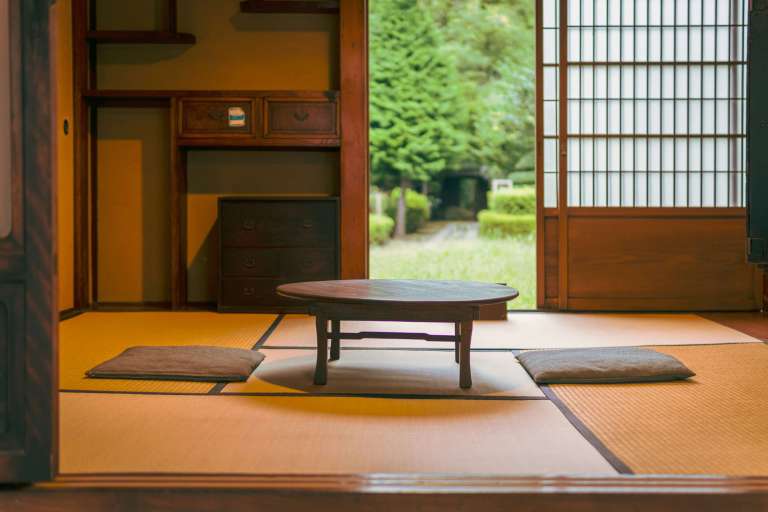
Indeed, the Japanese aesthetic of “wabi-sabi” is a great example of minimalism and simplicity.

Wabi-sabi celebrates the beauty of imperfection and transience, emphasizing the importance of finding joy and contentment in the simple things in life.

  • Final Word

“What has been will be again, what has been done will be done again; there is nothing new under the sun.”

As you can see, minimalism is inherently connected to wellness.

Avoiding excess and materialism while promoting charity and compassion for others are what make this philosophy so pure.

The common goal of achieving inner peace and contentment has long been sought, and it seems like doing so requires more simplicity and less consumerism.

I hope minimalism helps you live a more ethical, sustainable and fulfilling life.

Thanks for reading.

If you wish to read more from me and support my work, follow me and subscribe to my newsletter by clicking HERE.

I write about minimalism, health, slow living, my adventures as an explorer, environmental solutions and more.

Till next time !

Peace.

Tee.

From Clutter to Cash: Minimalist Techniques to Cut Costs

One of the biggest blessings of minimalism is that it helped me spend less, way less.

By spending less, I could afford to work less, which in turn helped me slow down all the other aspects of my life.

By abstaining from purchasing unnecessary clothes, appliances, trinkets, and decorations, and embracing a bare minimum approach, my spending habits have undergone a radical transformation.

saving hacks from a minimalist
Credit: Kstudio

Becoming a minimalist taught me a lot about money management. In this piece, I will share some of my key findings, but first: Do you know where piggy banks get their name from ?

Spoiler: The name has little to do with pigs. You’ll find the answer(s) in the closing comments of this piece. Hats off if you already knew !

Let’s get back to my money management hacks as a minimalist:

  1. Budgeting: An obvious one for most, it was definitely not as obvious for me a few years back. In fact, one of the first and most important things I learned after becoming a minimalist was how to create a budget to track my income and expenses. Budgeting helps me stick to a determined budget to avoid excess, it’s key.
  2. Differentiate between needs and wantsTo say you NEED something insinuates that you’re incomplete without it. Most of the stuff we buy are WANTS, not NEEDS. Minimalism taught me how to distinguish between essential expenses (actual needs) and discretionary ones. It’s important to learn how to evaluate whether you truly need or can afford the things you want.
  3. Use energy-efficient appliances: Yup, your appliances cost money, and the more energy-efficient, the better. Now, you don’t have to throw out your current appliances just yet, but it’s worth keeping in mind if you’re in the market for some new tools. For instance, ENERGY STAR-certified appliances can save you up to 30% on energy costs.
  4. Delay gratification: Before making non-essential purchases, give yourself some time to think about them. Delaying gratification will definitely help you make more deliberate decisions and avoid impulsive spending.
  5. When it comes to buying-power, my rule of thumb isCan’t afford it ? Don’t buy it. I know Western standards lead us to believe “loans are a part of life”, except they’re not. If I can’t afford a house straight up, I’ll rent. If I can’t afford a car, I’ll bike, walk or take public transportation. I know “financial gurus” will argue rent is wasted money. The global financial crisis of 2008 would beg to differ. FYI, in monotheistic religions (Judaism, Christianity and Islam), usury and interest are forbidden and considered a major sin.
  6. Speaking of alternatives, get yourself a bike, or use public transportation to commute: Biking to work and using public transportation are the most cost-effective options to reduce spending. In fact, according to the American Public Transportation Association, relying on public transportation can save you, on average, over $10,000 per year compared to owning and maintaining a car. Yeah, because owning a car doesn’t just mean paying for fuel, it also means parking fees, car maintenance and other checkups. Cars are expensive !
  7. Comparison shopping: Research and compare prices before making major purchases. Look for discounts, sales, or alternative options that offer better value for your money. Trust me, they’re out there. Also, stop comparing what you have to what others have. One sure way to help you with that is to leave social media altogether.
  8. Set financial goals: Establish short-term and long-term financial goals. We all know about emergency funds (or savings) but how about a vacation fund ? Set exciting goals and go for them. Having clear goals is motivating and will help you avoid unnecessary expenses.
  9. Speaking of expenses, track them: Keeping a record helps me gain a better understanding of where my money is going. This awareness will help you identify areas where you can cut back and save, like useless subscriptions !
  10. Objective ZERO debt: Perhaps you took out a loan for college, it’s cool. Now you know how it feels to have that weight on your shoulders (hence my fifth bullet-point). It’s time to prioritize paying it back and avoid further enslavement. No more loans, no more credit cards, and if you want to take it a step further, pay everything in cash. Credit and debit cards have made it extremely hard to keep track of our spending, a simple switch to cash will change that.
  11. Practice minimalism: Buy less, consume less, and when you do, consume mindfully. Seek cost-effective alternatives to the things you still buy. Give secondhand items a shot, start cooking at home, meal prepping, use free resources and services when available. There are many different ways to cut down on your spending, you just have to think outside of the box (A Story about Boxes, great read).
  12. Automate savings: The best way to save money is to forget that you’re even saving money. Set up automatic transfers to a savings account and forget about it. By automating your savings, you ensure that at least a portion of your income is consistently set aside before you get a chance to spend it.
  13. Partake in free or low-cost activities: There are TONS of them ! Free community events, outdoor activities, borrowed books from libraries, barbecues with friends, spending time in nature, free expos and museums, I mean the list is endless. You don’t HAVE to spend money to have fun.
  14. Reduce dining out: I used to dine out/order out every single day. I did so for years and it almost ruined me. And then I went vegan. Being in a vegan unfriendly city has been a major blessing for me. Indeed, due to limited vegan options in my city, I had to learn how to cook, a major turnaround for me. If you’ve been blessed with cooking talent, embrace it, you’ll save yourself a significant amount of money. In fact, a study by the U.S. Bureau of Labor Statistics found that the average household spends around $3,365 per year on dining out. That’s a lot of money. Imagine all the things you could accomplish with it !
  15. Cut cable or satellite TV subscriptions: Do people still watch cable btw ? Streaming services are great if you’re a movie-buff like me, otherwise trade your TV for a nice bike or whatever. Life happens when you’re outside.
Money hacks by a minimalist
Photo by lucas Favre

I hope this helps you look at your spending from a different perspective, and perhaps reconsider some of your spending habits to allow for more freedom.

Oh and, before I let you go, if you think good health (and good food) is expensive, try illness. Prevention is always better than cure so make sure you stay active, eat healthy, GMO-free, pesticide-free plants and stay hydrated.

P.S.: There are two theories as to why we call a money box a “piggy bank”:

  1. It is said that back in the day, household items such as plates and pots were made from an economical orange-colored clay called ‘pygg’. Therefore, whenever people had a few extra coins, they would simply drop them into their “clay jars”, which they referred to as ‘pygg’ banks.
  2. The second theory originates from Germany. As you may know, there was a significant influx of German immigrants to the United States in the last century, and they brought their cultural practices along with them. For centuries, Germans have been using pig-shaped money boxes. It is believed that the pig shape is associated with the German philosophy that regards pigs as symbols of fertility and frugality.

Thanks for reading.

If you wish to read more from me and support my work, follow me and subscribe to my newsletter by clicking HERE.

I write about minimalism, health, slow living, my adventures as an explorer, environmental solutions and more.

Till next time !

Peace.

Tee.

Downsizing tips from an eco-essentialist

The trinity of downsizing:

SellDonateTrash

Most of the stuff we buy throughout the years will either end up sold, donated or trashed.

It’s sad, but it’s also inevitable.

That’s one of the main reasons why I became a minimalist in for first place.

When I look at the number of things I owned throughout my life, I can’t help but feel guilty..

Guilty because most of it went out the window at one point or another, guilty because there definitely are people who can’t afford half the stuff we buy carelessly

Guilty because consumerism is so ingrained in our modern societies that we hardly question our spending habits.

Minimalism allowed me to shift my mindset completely, so the least I can do is simplify the process by sharing some of my tips with those looking to live mindfully and sustainably.

“But what do I do with all the stuff I own ? It’s already been made, bought and used (for most part)?”

That’s the type of question I usually get.

The answer is quite simple:

Sell: if you need the money and want your most valuable things to have a second life

Donate: if you don’t need the money and want your things to be repurposed and help people in need (Charity, NGOs, Homeless Shelters..)

Trash: everything that can’t be repurposed, sold or recycled. It’s unfortunate but don’t beat yourself up too much, it happens to the best of us.

Where to go from here?

Here’s a short list of things you can turn to if you want to minimize further. Some of these tips hint at frugalism as well.

  • Avoid eating out and getting take outs. Take out foods are usually less healthy and way more expensive than home cooked meals. Learning how and what to cook is a useful skill for a better life, health wise and financially as well
  • Stop “treating yourself” when you can’t even pay off your debt and loans. Focus on the things that truly matter to you, and things that could have a lasting effect. Perhaps you could treat yourself to some cooking or baking classes, that way you won’t have to overspend every time you crave something. Same goes with most skills (yoga, fitness, cooking, handywork..)
  • Stop seeking instant gratification. Instant gratification is one of our era’s worst nightmares. It’s responsible for depression, anxiety, people feeling lost, so on and so forth. Refraining from social media use is one of the best things you could do to heal from this disease, news fasts* are also very effective in that regard
  • Avoid fast fashion AT ALL COSTS. I know it’s convenient and cheap, but what comes easy never lasts. Also, it’s highly destructive to both nature and the humans behind it (btw click on the link if you’re not familiar with this industry, the video’s super dope and it’s only 8 mins long)
  • One grocery trip twice a month should be enough. Meal planning (and prepping) helps a lot as it decreases overspending, and waste, of course
  • Shopping online is better as it allows you to browse similar products to the ones you’re looking for, and find the ones that best fit your needs 
  • Go organic as much as you can. Health is important and bad health is extremely costly !
  • Go for one time purchases. For example, start using linen napkins instead of paper towels
  • This one’s quite personal and something I’m working towards but I always try to favor cash instead of credit/debit cards
  • Minimize unnecessary subscriptions – cloud storage, streaming services, music services, apps, gym, website memberships, meal delivery, monthly installments.. I’m sure we all have subscriptions we hardly ever use

Beside all this, digital minimalism is also something you could look further into:

  • Delete all the apps you don’t use regularly
  • Sift through and delete all the unread/undesired emails in your mailbox. Here’s the real cost of your full mailbox
  • Unsubscribe from all the lists that keep sending you updates, offers and newsletters that you hardly ever read. It may not seem like it but most of that stuff is costly in mental energy (c.f. decision fatigue), carbon emissions and anxiety
  • Organize your photos in folders and delete all copies and similar photos
  • Disable unnecessary notifications, especially the ones on social media. I personally only kept incoming calls and text message, as those are the ones I use the most with my family and friends

Reach out to me or leave me a comment if you have any specific questions, I’m always happy to help 🙂

*A news fast implies opting out of watching the news on TV, listening the radio, reading newspapers, or following the news on social media and other internet outlets.

The most valuable lessons I’ve learned since becoming a minimalist 

Minimalism made me reevaluate what time means to me and how much of it is wasted doing essentially nonsense. 

Minimalism makes you wonder, do I enjoy spending all my free time cleaning and doing maintenance? Do I like spending so much time in stores? Do I enjoy working so many hours and/or side jobs to pay for stuff that is mostly wants or impulse buys instead of needs?

The beauty of minimalism is that it doesn’t force us to do anything, it’s all about the freedom to choose and the power that comes from making decisions based on awareness instead of being ruled by unconscious impulses and societal conditioning (hello neuromarketing).

I don’t know why it took me so long to realize this, but having fewer dishes or less clothes doesn’t allow it to pile up. If you want a clean plate or outfit, you have to keep them clean.

About that, here’s a short and yet perfect story on how to deal with laundry, by Matt d’Avella.

To take this a step further, since becoming a minimalist, I noticed that I now need less self-discipline, since there is no other option than to wash whatever is dirty, and since there isn’t much to maintain and keep up with.

This could be summed up in an extremely simple reasoning: minimizing entails having less work to do.

How ? A simple equation:

Less stuff = less work = less stress

When my go-to isn’t buying more or calling anyone for help, I become more resourceful and creative with what I have. 

The other amazing thing about minimalism is that the momentum of enthusiasm created by downsizing/organizing one area of your physical life carries over into others.  You want to experience the thrill of accomplishment again and again.

Moreover, as a minimalist, I’ve stopped ignoring my problems, and instead started focusing on them, and minimizing them.

Less stuff also means less decisions, which undoubtedly leads to less decision fatigue.

Once you do not use up your decision making power in non-essential things (such as what to wear or which cup to use) you have more energy in making more important decisions.

A personal uniform could be the answer for some, not necessarily something that works for me though ^^

Last but not least, I think minimalism promotes self-mastery.

Minimalism helps you question everything and consider how temporary the ecstasy of (insert thing) will be. 

I think that’s deep. 

Minimalism: removing things that remove you from your life

From owning 51 pairs of shoes to less than 40 overall clothing items, how did I get here?

I could write a whole book about the many benefits of minimalism.

Oh wait, I am (it’s an ebook but still).

I talk a lot about minimalism and mindfulness on my podcast.

I truly and wholeheartedly believe this lifestyle can spark a change in the world, help people feel happier, lighter, achieve financial stability, work less and live more.

There are no good arguments against minimalism, just like there are none against veganism, but that’s another story.

That said, lately I’ve been exploring a different terminology. I felt as though the term “minimalism” wasn’t impactful enough.

Hear me out.

Most of them think they know what minimalism is, or what it entails. They don’t.

The word “minimalism” is somewhat self-explanatory, which, IMHO, doesn’t do it justice.

This really got me thinking, so I decided to come up (or explain further) my own work-in-progress minimalism, which is a bit extreme, so I call it mindful essentialism, or just essentialism.

Why “essentialism” you ask? Simple: because I own the bare minimum, or rather, essentials only, no extras.

As an essentialist, one of the main focuses of my lifestyle is protecting the environment.

Consuming less leads to cutting down waste and living with a smaller ecological footprint. Simple.

I obviously still own and need some stuff, but the things I own and buy (when need be) are 100% environmentally friendly, and absolutely necessary. I also live frugally, and try to repair and repurpose all my belongings.

I’ve talked about this time and again on my podcast, but consuming less helps reduce the harmful impact of mindless consumerism on our planet. This makes essentialism a pro-environment and anti-consumption mindset and philosophy above everything else.

From shopping second hand and eco-friendly to investing in quality products (that last longer), my new shopping habits (close to nonexistent nowadays) help me reduce my carbon footprint significantly.

For instance, mindful shopping and making sure I don’t bring any unnecessary things into my life is the first thing on my mind when I’m out looking shopping;

Having the preservation of the planet in mind, essentialists like myself usually follow a vegan lifestyle as the two philosophies go hand in hand.

My other focus as an essentialist is to experience the world without getting tied down to a permanent place and financial burdens.

Instead of embracing materialism, I believe creating memories of my experiences is one of the two most important aspects of my life, the other one being giving (time and money) to charity and NPOs.

  • Travel-wise

As a lifelong traveler, I’ve always had trouble finding the right amount of things to pack up, so I always ended packing way more than I needed.

Since embracing this philosophy, I’ve noticed how traveling with fewer distractions allowed me to be more present and get the best out of each and every experience. It’s the little things, right?

For some nomadic minimalists, this lifestyle is just a practical way of moving around. For me, it’s challengingly fun to experience how little I (and now WE) can live with.

  • The mindful part of essentialism

As an essentialist, peace of mind is an integral part of why I chose this life.

Owning fewer things automatically reduced mental clutter for me, which is the number one cause of stress and anxiety for most people.

Owning less also reduces distractions and gives me the ability to focus on self-reflection (hence this post), self-love and personal development (once again, hence this post).

As a mindful essentialist, owning less possessions and being more present in the moment with my thoughts, my loved ones, my feelings and emotions has increased my quality of life in a significant manner. It’s made my life more meaningful and fulfilling.

Now, I’m not there yet, and I will keep working on shaping a better version of myself, pursuing excellence (a religious principle in my case) and adding value to other people’s lives.

I started my essentialist journey to escape the suffocation of stressful and expensive lifestyles, but I ended up finding a whole different facet of myself, a more relaxed and positive one.

In short:

Cutting down on “stuff” helped me become more mindful about self-care and my core values as well.

Essentialism has become a powerful tool in my journey of developing a better me. It’s helped me become more thoughtful as well.

Thank you for stopping by!

Here’s a short list of my favorite minimalists:

  • Leo Babauta from Zen Habits 
  • The minimalists
  • Sorelle Amore
  • Colin Write
  • Youheum from Heal your Living (personal fave)
  • and of course Matt D’Avella