How to Juggle Between Different Writing Platforms

After navigating a bunch of posts on juggling multiple writing platforms, I’ve come up with a simple plan for my content distribution.

The greatest challenge for a creator is being spread too thin. The internet era has brought a wealth of tools and platforms for publishing, many of which are free, making it difficult to commit to just one.

Floppy disks by Teekay Rezeau-Merah
Yes, I’ve used a floppy disk before. Photo by Fredy Jacob

As a long-time fan of blogging, I returned to the practice in 2020, choosing WordPress for its ease of use and affordability, especially if you skip the fancy plugins.

WordPress was intuitive and allowed me to rebuy my own domain. My domain, moreteekay.com, is a brand I created 14 years ago on Tumblr (do people still use Tumblr btw?).

Moreteekay is an ecosystem, a collection of tools and content types that I use to express my creativity, share important messages, and inspire change in any way I can.

It encompasses my blog but also links to my Medium page, my newsletter, and my LinkedIn page, as well as my audio show and parts of my photography portfolio.

As I work my up the acting realm, moreteekay will also include my filmography in the not-so-distant future, God willing.

  • Attention is the new currency

To capture attention in a sea of online noise and compete with media behemoths, creators must have a compelling story and a unique voice.

Making a name for yourself on Google without spending money is nearly impossible nowadays. You’re competing with companies that spend millions of dollars every year.

Focus is the key here.

  • My new strategy is completely different.

For a few months, I made the mistake of publishing the same pieces on my blog, Medium, and newsletter simultaneously. The issue with this strategy was that some of my followers subscribed to all three platforms and were overwhelmed with the same content three times a week. Not ideal (sorry, guys).

Those times are over.

From here on out, my usual how-tos, health tips, environmental solutions, and personal stories will remain on Medium.

My newsletter, on the other end, will exclusively feature my Vanlife stories. Comment below if you want an invite.

Lastly, my WordPress blog will serve as the hub, the glue holding everything together. It will feature the most important updates and links to my writing, socials, podcast, IMDb page, and more.

I mainly took this decision because building a native community on WordPress is quite challenging, while it’s far more feasible on Medium and Substack.

What is your distribution strategy?

Thanks for reading.

Peace!

Tee.

Unapologetically ourselves

A journey of cultural pride and defiance.

As a POC (Person of Color) and someone of mixed heritage, I grew up in a world where my hair was often a topic of conversation.

I’m not alone in this.

In fact, Black hair has been a topic of conversation for centuries, and remains a crucial aspect of the Black community worldwide (including all people of African ancestry) to this day.

In my case, and unlike some of my other traits, my hair is 100% African.

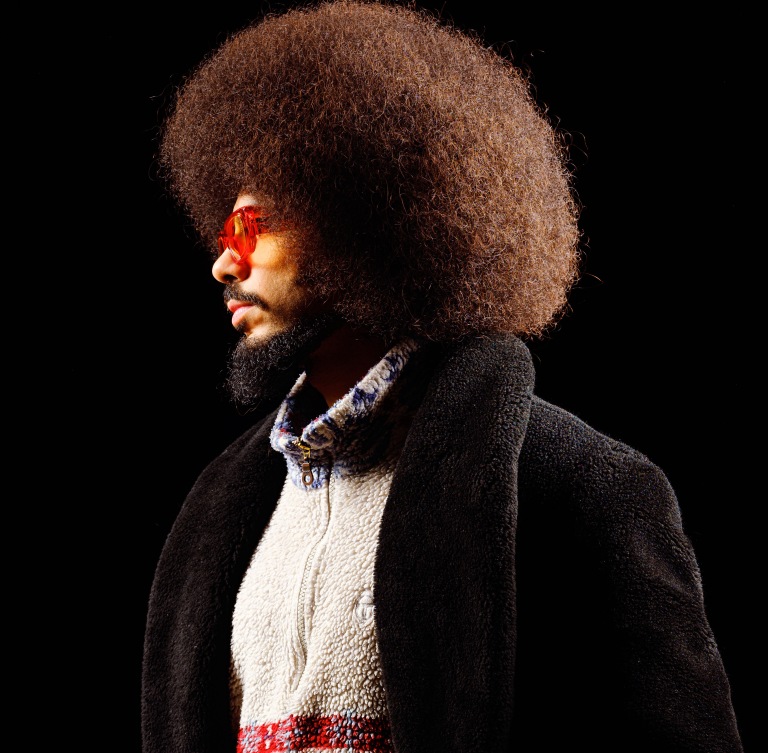
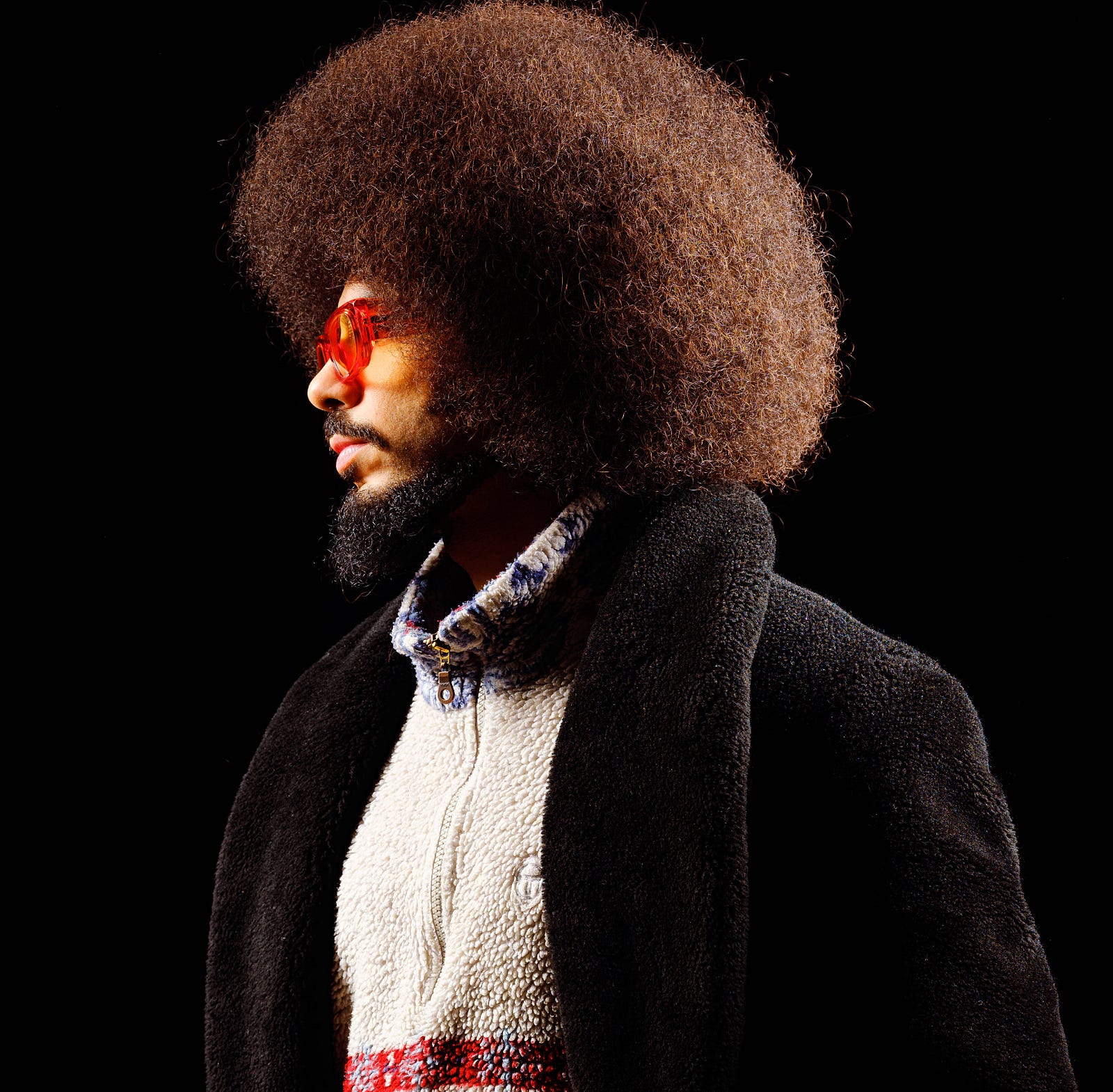
Picture of the author, Teekay Rezeau-Merah, MSc

The odd, yet completely understandable thing about “nappy” hair (which used to be the derogatory term for Black hair) is that most POC hate it. This is the result of centuries of racism, minority bashing and discrimination.

The way Black people wear their hair speaks volumes about their identity and their place in society.

Take the 70s, for example. 

The Afro’s rise in popularity during the Black Power movement of the 60s and 70s was a time of great cultural change. This era was a turning point for many Blacks in America. 

As such, Black people had finally started reclaiming their African heritage and embracing their natural looks. The Afro became a symbol of pride and revolution for Black people worldwide.

But wearing it in 2023 feels different.

It’s funny because every time I go out, someone stops me to comment on my hair. And when I say every time, I mean literally, not figuratively. 

Older folks usually tell me it reminds them of the old days, while younger folks often see it as a fashion statement and a celebration of my authentic self.

I don’t mind either.

But of course, that’s just a part of it. 

The reality is, many people simply stare, judgmentally.

The thing about our whitewashed world is that western beauty standards have long emphasized straight, silky hair as the ideal, and anything outside of that norm is seen as unconventional or even unprofessional.

These deeply ingrained societal norms — norms that have historically oppressed Black and brown people and perpetuated negative stereotypes about Black hair — are hard to break away from.

As a result, people stare because they’re not accustomed to seeing natural Black hair, particularly in environments like the workplace or formal settings.

I’m here to change that, sort of.

My ‘fro is empowering in many ways.

Lots of Black and mixed kids look genuinely happy to see me. 99% of them wave at me, stop me, ask me questions. They want the same hair, and their parents usually look just as happy with the idea. Seeing someone else with their afro shows them that it can be done.

That’s the power of representation. 

But it’s not just kids. Parents are usually just as eager to talk to me.

One time, a random guy stopped me in the street to ask me how long it took me to grow it out, and whether it was challenging to navigate everyday life with an Afro (especially in Europe). Funny thing is, it wasn’t even for him, he was just considering the idea for his little kid. The conversation lasted for 15 minutes.

My Afro’s other purpose is that of a celebration.

It’s a form of self-expression and self-love. Through it, I celebrate my cultural heritage, my ancestry and myself. It’s a part of my identity, and it feels amazing.

But with all that being said, make no mistake, this big ball of hair is also a symbol of defiance. In fact, it represents a rejection of the Western standards of beauty, standards that have been imposed on the world for centuries.

To my pigmented readers, kindly use this piece as a reminder that your hair is amazing, and I wholeheartedly encourage you to embrace it.

For those of you who straighten their hair or wear wigs to hide their natural beauty, you know this is a manifestation of internalized racism and self-hate. You know it.

This form of self-hate has been a coping mechanism for Black and brown people around the world, I get it, but it’s got to stop.

This mentality only perpetuates the negative stereotypes and ideals that have historically oppressed us, so it’s on us to break away from them, once and for all.

We owe it to ourselves and future generations to fight this negative self-image by challenging societal norms. Ain’t nothing wrong with embracing your looks proudly and unapologetically, nothing!

To my caucasian friends, you’re reading this for a reason. Keep being the allies that you’ve always been. Keep pushing for social justice. I appreciate you more than you know.

Thanks for reading.

If you wish to read similar articles and support my work, follow me and subscribe to my newsletter.

I write about my travel adventures, essentialism, health, slow living, environmental solutions and more.

Till next time !

Peace.

Tee.

An era of unprecedented competition for the average individual

The life of the average man is going to be more competitive than ever.

Numerous people have written about AI before. Most of them focus on the good, some of them focus on the bad.

Is there reason to worry ?

One thing is for sure, life always gets worse before it gets better.

This new era won’t be any different.

The fittest will survive, the rest will get left behind.

But let’s be real for a second, the world has always favored the fittest, those who stand out. Being average is costly.

  • What does it take to stand out ?

Well, you won’t like the answer, my friend, but it takes a lot of suffering.

The cure for pain is in the pain.

Embrace your losses, embrace being discriminated against, injustice, the rigged system. Embrace it, but never accept it. Fight it, that’s how you become resilient, tough.

You have to GO through it in order to GET through it.

Good times make us soft, so let the struggles begin, let it come, we’ll be fine.

Have some faith.

After all, as time passed, the world got meaner. It’s always been like that. This won’t be any different.

Our history is plagued with long periods of cruelty and conflicts. Cruelty has a thousand faces, AI may just be one of them, like automation was a few decades ago.

But again, going through bad times builds resilience, we just have to learn how to manage our demons.

I know not everyone can, which is unfortunate, but humans are as strong as our weakest link. There’s hope in that.

Don’t cower away from difficulty, don’t try to drown your problems. Don’t be that person.

Cowardice feeds our weaknesses.

Face life with bravery and remember, bad things happen to make exceptional people.

If you’re a man of God like me, think about all the messengers that came before us, all the things they went through, from Abraham to Muhammad PUBT.

It’s no coincidence.

Whether it’s AI or something else, humanity will always prevail.

Believe.

Thanks for reading.

Teekay

PSA: Join Me on Medium, My Best Stories Are There !

I love Medium.

Langano in Ethiopia by Teekay Rezeau-Merah

My friend, there are over 100 stories waiting for you to explore on my Medium blog. What are you waiting for ?

Click HERE.

My work focuses on sharing stories regarding my experiences as a minimalist, my international travel escapades, guidance on living a purposeful life, and insights into the van life lifestyle.

For those of you wondering, I will definitely keep this blog up and will try to publish stories on here as often as I can.

Once again, here is a link to my Medium page: https://medium.com/@teekayrezeaumerah

Later !

Tee

30 Stories on Medium in 30 days

2023 is the year I decided to start writing again. Like, everyday !

My goal this year is to post 5 Medium stories every week till my birthday (December 31st).

So far, I managed to publish 31 stories, and I have about 120 more in my notes. February isn’t even over yet (yeah, crazy !).

Just like with my podcast, I want to keep inspiring as many people as I possibly can before I leave this dimension.

My content is mostly timeless or evergreen, except for a few pieces here and there, so I’m pretty sure it will remain relatable for a very long time.

Also, I write a lot more about minimalism and van-living on there.

Of course I still write about my own adventures, but I always twist them to be more than just stories.

That’s the one thing I want from my content. I’m done writing on trends, I now only create to remain relevant FOREVER !

Check out my blog on Medium guys, you’re going to LOVE it !

Peace !

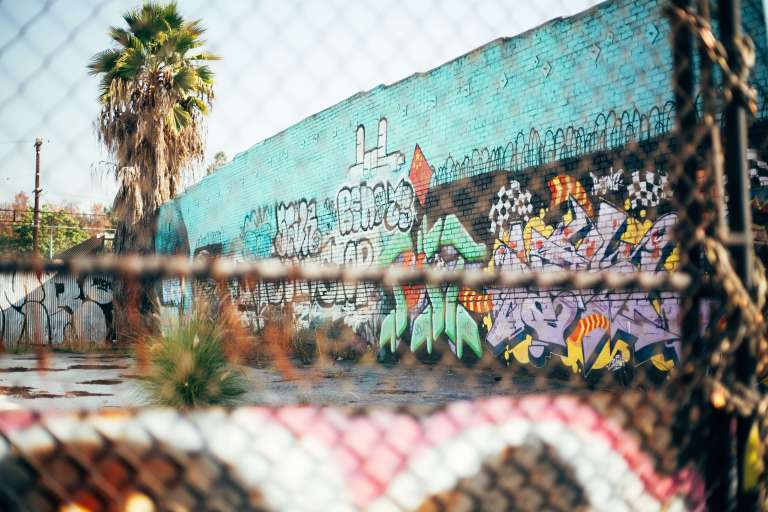
The age of Hip-Hop, from the streets to cultural dominance: A tribute

First of all, let me start by saying that hip-hop goes far beyond the musical aspect of the culture.

Actually, hip-hop IS culture, and culture always transcends music and the arts.

  • So, what is culture ?

Culture is the sum of all the universal elements that bring people together.

It’s when our individualities work together to bring about change and evolution.

  • What makes hip-hop a culture ?

Hip-hop embraces different artistic elements.

Overtime, it blended and transcended the artistic aspect of itself to become a means for seeing, celebrating, experiencing, understanding, confronting, and commenting on life and the world.

Hip-hop is also an emotion, a state of being and a frame of mind.

It’s the feeling you get from the MC, graffiti artist or DJ when they’re in their element.

It’s a long lasting feeling that lives within you, it’s ingrained in your thought process and your vision.

Hip-hop, in other words, is a way of living, a culture.

  • Where and when

The elements of hip-hop came together in the Bronx borough of New York City. It was the early 1970s and times were tougher than usual for the poorer parts of urban America.

From a whole lot of nothing and a whole lot of imagination, hip-hop was born.

  • Where did hip-hop get its name?

Hip-hop combines two slang terms:

The word “hip” has many plausible definitions and origins, none of which is actually official, so believe whichever one you prefer.

  1. Research and speculation by both amateur and professional etymologists suggest that “hip” is derived from an earlier form, “hep”. Many etymologists believe that the terms “hip”, “hep” and “hepcat” derive from the west African Wolof language word “hepicat”, which means “one who has his eyes open“.
  2. Hip” also means “in the know” or “aware” (which isn’t too far off the definition above) and has been a part of African American vernacular since the late nineteenth century.
  3. Hip” also means “very fashionable”.

Hop”, on the other hand, represents the hopping or leaping movement exhibited by hip-hop performers.

  • The difference between rap and hip-hop

Put simply, rap is a method of delivery, it’s the action of speaking rhythmically.

Hip-hop is the whole cultural movement behind rap (music).

Hip-hop entails business-savviness, marketing, money management, philanthropy, entrepreneurship, advertising, content, graffiti, DJing, fashion and design, not just “music”.

  • Artists that shaped my frame of mind

Like many people my age (90s kids), I grew up listening to hip-hop on the radio and cassette tapes.

From KRS-One to Big L, Mos Def, Jay-Z, Pun, Wu Tang, Snoop, Ice Cube and Pac, these artists shaped my mindset and outlook on life.

Later came the likes of Eminem, 50 Cent and Ye, just to name a few.

Many (if not all) hip-hop artists come from very humble beginnings.

However, despite starting at the very bottom and with virtually all the obstacles one could face in modern society, these craftsmen honed their skills and built empires through hard work, talent and focus.

Their determination and fighting spirit are beyond admirable and I’m glad I had them to look up to as a kid.

  • Hip-hop is my culture

You’ve probably heard me say this on my podcast, but I’mma say it again: hip-hop is my culture.

And I ain’t talking about the music. Hip-hop is a lifestyle.

It’s the way we talk, the way we walk, the attitude and the flavors.

It’s how people carry themselves, how Knowledge Reigns Supreme Over Nearly Everyone (KRS-ONE), the power of storytelling and communities as well.

  • Let’s go deeper, though 

People in the 90s used to say hip-hop (and MCing) was a fad. 

Growing up in a (somewhat) conservative, immigrant family, rap music was always looked down upon.

They labeled it “gibberish”, “noise”.

My old man (and most people his age) told me this a hundred times.

They didn’t get it then and many still don’t get it now.

So let me explain hip-hop culture, once and for all, as simply as I can.

  • Explaining hip-hop culture

The first thing you gotta understand is that this culture has many themes, the most common ones being knowledge, righteousness, struggle, empowerment, violence and drugs.

The best songs in hip-hop are about everyday life, struggles and change.

Hip-hop artists, whether we’re talking about musicians, DJs or graffiti artists, take cues from their lives to create art pieces.

Violence and drugs must’ve caught your attention, so let me enlighten you with an interesting fact about the progressive side of hip-hop (which mainstream media won’t tell you):

Did you know that break dancing gained popularity when Afrika Bambaataa’s Zulu Nation began using break dance battles as a substitute for gang-on-gang violence?

Note: I don’t like this dude one bit, but credit where credit is due.

Anyway, hip-hop artists have always tried to provide answers to society’s rampant problems.

They tried to change mindsets and make people visualize the change they wanted in their lives and the world.

I consider hip-hop artists to be teachers, mentors, change-makers.

Some of them used their platform to spread violence and bad behavior, but we can’t let a few bad apples spoil the bunch.

The likes of RZA (artist turned philosopher, vegan), KRS (teacher, activist), Mos Def (activist, actor), Talib Kweli and Jay-Z have done more for our culture than artists of all other genres combined.

They elevate communities and give them hope.

They paved the way for future generations, gave us the blueprint.

These legends are the reason for so much positive change and wealth in the black and latino communities, something easily dismissed by the media and folks who know very little about hip-hop culture.

Hip-hop ain’t about breakdancing, fashionable clothing and dope beats anymore. It’s about business, wealth building and minority empowerment.

Last but not least, hip-hop is one of the cornerstones for so much black wealth and minority entrepreneurs.

It is the foundation of several self-made moguls and multi-million dollar businesses in minority communities.

Ye, Jay-Z, Dre, Diddy, Eminem, Birdman, Akon, 50 Cent, Rick Ross and the late Nipsey Hussle fall directly into the those categories.

  • Global influence

Hip-hop is one of the few genres that you can hear everywhere you go.

Africa, South America, Asia, Europe..it’s global !

What makes hip-hop such a powerful phenomenon is the way it changed the way people dress, what they consume and the way they carry themselves in everyday life.

I look at hip-hop as a powerful tool for change, a global positive influence.

Hip-hop empowers and guides, which is the very essence of this culture. It also ignites conversations and exposes our modern society for what it really is.

Police brutality, social inequality, racism, discrimination, poverty and power are all common topics in hip-hop songs and among hip-hop heads.

Many hip-hop artists are activists themselves. They often come together during tough times to support new systems, empower communities and give back.

Hip-hop is an enlightenment for those seeking knowledge. It’s an enlightenment for people yearning for positive change.

Hip-hop ain’t “urban” culture anymore.

Hip-hop is culture, PERIODT.

Seeing the likes of DR, Snoop, Fif and Em on stage at the Super Bowl LVI brought things full circle.

It’s been a long fight but hip-hop is now undeniably one of the most important music genres in history.

Smartphones are Our Generation’s Cigarettes

Nicotine is addictive, everyone knows that, but so are smartphones and social media.

Although lots people still smoke today, cigarette culture back in the 50s and 60s was mad different from cigarette culture today.

  • Similarities

Everyone smoked back then. From grandma, to blue collar workers, business people, pregnant women, even preachers smoked ! It was ubiquitous. 

Besides, cigarette ads were outrageous !

(By the way, 50 years from now, kids will look at meat, fish and dairy ads the way we look at crazy nicotine ads today.

Meat, fish and dairy are more harmful than cigarettes ever were, but they thrive on misinformation and bad education.

Beside being extremely harmful to the animals and the planet, they’re literally destroying our health, in total impunity.)

Anyway, not the point ^^

Similarly to nicotine addiction in the 50s, it seems as though everyone is addicted to their smartphone today.

In 2019, in a pre-pandemic environment, NBC reported that teens average over 7 hours of smartphone use a day.

That number is now higher for both teens and adults, as teens now spend up to 9 HOURS a day on their phones !

Madness !

Cigarettes take years off your life by just killing you (cancer). Social media takes years of your life by making you endlessly scroll, and lose your sense of purpose and time.

Cellphones can also cause cancer and sharply increase tumor risk (source: UC Berkeley)

  • The observation:

It’s sad to see what has become of interpersonal relationships, and activities in the ‘real world’ altogether.

I’ve decided to write this post to remind myself and my readers of the harms of excessive cellphone use and social media exposure. I also believe we need to push back and raise awareness against what’s happening in this realm.

It ain’t just about smartphones though, it’s about what’s in them.

Social Networks, gaming apps, dating apps, and so on are driving us away from the things that really matter. We’re losing our very humanity because of them.

Instant gratification and FOMO are this generations worst diseases, as discussed on this episode of my podcast with Deborah Cooper, columnist, author and relationships expert.

I believe we need to rethink the place of smartphones in our modern societies, and the way we interact with both technology and each other, bridge some gaps.

I also think we need to push for less addictive designs.

As a society, we must hold Big Tech responsible for their doings and encourage them to focus on making more functional and utilitarian platforms instead of addictive cash cows.

Furthermore, we must be more aware of how technology is affecting our brains and society as a whole.

It’s like we have billions and billions of people zonked out, consuming hours and hours on their phones without realizing that they’re wasting years of their life.

Something needs to be done here.

  • From a behavioral standpoint

Our smartphones are the cue, craving, response, and reward all at once. They’ve been designed to be addictive, easy to handle and ultimately became our go-to gadgets to find simulated happiness, always a swipe away from a dopamine hit.

Unfortunately, we aren’t aware enough of this, and when we are, we just dismiss it like we do with many harmful things (ask your smoker friends).

Internet addiction is a bigger problem, though. It’s a problem that nobody wants to admit and something that’s beyond individual control.

Funny thing is, it’s almost unreasonable to think it’s someone’s fault for developing this addiction, because at the end of the day, WE are the enablers.

How many kids do you see glued to an iPad at ages that seem ridiculous?

Remember just a couple years ago when big tech pretended to care about this problem with some half-baked features like screen time & limits on their platforms? It was laughable.

I’m obviously not against social media, dating and gaming apps, not one bit.

I’ve actually met the dearest person to my heart on one of these apps.

But with that being said, wisdom lies in moderation.

There are many studies that link depression and a low life-satisfaction to social media use and online dating apps.

Furthermore, Social Networks are becoming increasingly invasive, and are a pervasive part of modern culture, which greatly affects our global mental health.

“Human beings find purpose in their responsibilities. Responsibilities aren’t a burden, they’re a gift and they give our lives meaning.”

  • So what can we do, collectively, to save people from becoming zombies ?

So, this is my favorite part and the reason I wrote this post.

There are dozens of activities that you could and probably should be doing right now if you weren’t on your phone.

Here’s a quick list of things that you must look into and that could potentially break your addiction and increase life satisfaction and connectedness with the world:

  • Hiking and trekking: hiking doesn’t require any training, gear (besides decent shoes) or entry fees
  • Picnics: with friends, your partner, family, your dog, picnics are fun and great way to meet like minded people in the real world
  • Ramble the town you live in, there are always some lovely hidden gems that are defo worth exploring
  • Chat in person with no schedule in mind, about anything, chill with your partner or your best friends, go for tea
  • Biking: not just to work or to run errands, but just for the sake of it
  • Do something whimsical like find handfuls of acorns to paint with cute smiley faces
  • Workout with friends
  • Go to your local shooting stand and learn how to handle weapons
  • Take up a new hobby: Yoga, Tai Chi, Knitting, Guitar playing, language learning, coding, drawing, blogging, writing, woodworking
  • Invest your time in charity work and/or teaching/mentoring
  • Dog/cat keeping whenever you’re free and don’t know what to do. Animals are a great way to fight stress and anxiety
  • Visit your local parks and cemeteries, go for a stroll there, use that time to reflect on your own life and how to improve your life and that of those around you
  • Play sports with your buddies, or join new groups with whom you can also hoop/play football
  • Explore your local libraries and their books
  • Write your own book
  • Learn how to cook and dabble with your diet. Learn more about what you’re putting in your body on a daily basis
  • Practice conscious breathing
  • But most importantly, make sure you always have something going on in your life to keep you pumped.

One of my podcast guests once told me “humans find purpose in their responsibilities. Responsibilities aren’t a burden, they’re a gift and they give our lives meaning“.

No truer words have ever been spoken.

There are so many useful ways to spend your free time, so don’t waste it scrolling endlessly.

Who would've thought "Cyber Cafes" or Internet Cafes would fit into our pockets someday ?
  • Millennial nostalgia

Back in ye olden days (late 90s, early 2000s), my friends and I used to spend hours outside. Riding our bikes around town, playing football in the street, freestyling, telling jokes, climbing trees, running or “working out”..

And whenever our finances matched our desires, which wasn’t that often, we’d grab a bite together and just .. talk.

No one was distracted while talking, because smartphones didn’t exist..yet !

At the risk of sounding old, those were definitely “the days, bro!”

P.S.: who would’ve thought “Cyber Cafes” or Internet Cafes would fit into our pockets someday ? It’s insane come to think of it.

I grew up in Cyber Cafe era, we used to hang out in cybers all the time, mostly playing video games (essentially Counter-Strike and Red Alert)

Here’s what Red Alert looked like ^^

Shit was mad dope, I ain’t gonna lie !

  • So why the sudden change ?

Tech companies leveraged smartphone ecosystems by using gamification and behavioral economics as their tactics to trick our brains into consuming more and more on our phones.

This is common knowledge but such strategies were inspired by casinos, the devil’s ground and masters of addiction.

Psychologists like Dan Ariely and Daniel Kahneman have had a major influence on how tech apps have been constructed to have addicting rewards systems.

  • In closing

I genuinely hope that people realize social media isn’t a substitute for real connection.

As a species, we must have a better understanding of ourselves if we want to keep evolving and find genuine happiness. It may not seem like it but we’re still as primitive as a man from the first century AD, only with more gadgets around us.

But it’s fascinating how slow death never gets a bad rep, though.

Behaviors and traits that make healthy personalities

A list of healthy behaviors, traits and habits I’ve noticed in some of my favorite people in the world.

Those are traits I personally try to gravitate towards in order to build healthy relationships.

  • They avoid criticism at all costs 

Criticism shows a lack of understanding and empathy towards others. The less critical you are towards others, the better.

Slander is also a major sin in my religion.

Slander and backbiting are considered “destructive” major sins.

These two sins are forbidden by God because they sow enmity, evil and discord among people and lead to destruction.

Slander, like overt criticism, are a sign that you want to show superiority, which in turn shows a lack of confidence and is ultimately a sign of weakness.

People ain’t all that different, we just choose our differences, so please refrain from being cheaply critical and just accept others as they are.

  • OCEAN is the acronym

OCEAN are the “Big Five” personality traits developed in psychological trait theory. They’re a great way to assess oneself.

O for Openness. Being open to new things, new ideas, change and being curious are all great signs of a great personality.

For instance, if someone tells you about a positive thing in their life, try to dig deeper, be happy for them.

Showing real, genuine interest in what others tell you is a sign of goodness, and happiness.

C for Conscientiousness: be conscientious is one of the noblest traits.

Knowing how to act and react accordingly in difficult situations, being aware of your surroundings, treating others with respect are all signs of a conscientious person.

Don’t be so quick to judge and just let others the benefit of the doubt, learn how to trust.

E for Extroversion: try being extroverted, not in a “party-going” way, but rather in a “be curious about others, ask how they are” way.

Don’t interrupt when others talk to you, show genuine interest in their feelings and wellbeing and treat them with love.

A for Agreeableness: being agreeable should be the easiest thing when you’re surrounded by the right people. Your friends need to challenge you on certain things, but not on everything.

“A person with a high level of agreeableness in a personality test is usually warm, friendly, and tactful.” So be warm, make people feel at ease, heard.

N for Neuroticism (it’s not what you think): this trait is about people who are emotionally stable, who deal well with stress pretty well, who don’t worry much (know how to let go of grudges) and are generally very chill and laid-back.

The kind of person who avoids conflict and troubles at all costs, my type of people.

Let’s move on to some other traits healthy people have in common:

  • They don’t think about their needs only (considerate?)

One of my favorite thing about some people is their ability to put others before themselves.

I’ve had friends who were exactly that. They always serve others before they serve themselves, they’re the carers of the group, which usually brings the group together.

Carers are my personal favorite people !

Showing that you care about people other than yourself is such an attractive trait. It shows empathy and an acute sense of humanity. 

  • They avoid hijacking conversations

Everything isn’t always about you, let others be, express themselves.

Make them feel comfortable enough to open up to you. Avoid hijacking conversations with sentences like “this reminds me of something I went through”. NO. It’s not about u, it’s about them ! 

  • They own up to your failures and mistakes

Take responsibility.

It takes courage to take responsibility, to show that you understand your mistakes and that you’re willing to do better

Say that you blew it when you feel like you did. I know it shows vulnerability but that’s what healthy people say and do

  • They allow nuance in life

Things shouldn’t always be how YOU want them to be, focus on yourself and hope others do their best as well

  • They never shame, never blame, and don’t have an agenda

If you disagree with someone, do it in a civil and respectful manner. Things can’t always go your way and that’s ok, let it go, just make sure you do your best in every situation, and don’t beat yourself up when you can’t 

  • They have an acute sense of teamwork

Teamwork makes the dream work.

Always try to work things out with the person in front of you, personally and professionally.

  • They don’t mind sharing the negatives of their personal and professional endeavors

Talking about the negatives of your life allows a sense of intimacy to others, which is the opposite of control.

This intimacy exposes you and will eventually make you feel vulnerable, which is bound to get you out of your comfort zone and help you grow. Let yourself get into that new, unexplored zone

  • They’re patient

Impatience is a big red flag when it comes to narcissism.

Impatience show that you can’t slow down to care about someone other than yourself, and that you’re too spoiled to realize you can’t always have it your way.

Impatience manifests itself in different forms, some people throw tantrums while others will just shut themselves out. Learn how to deal with your emotions and be an open book.

Learning how to be patient is an important aspect of a good life

  • They listen

Take time to reflect and learn how listen. It’s no wonder God gave us 2 ears and only 1 mouth.

We learn more by listening and observing others, so try to be more present and listen. Active and intentional listening is the cornerstone of good communicators and healthy relationships.

Careful listeners are usually more open and compassionate.

  • They know other people aren’t just as good as their last good deed 

Avoid being harsh and too quick to judge.

Avoid holding grudges and let others prove you wrong.

If you’re interested in health in general, read this article about small changes that could completely change your life.

Thanks for reading.

Teekay

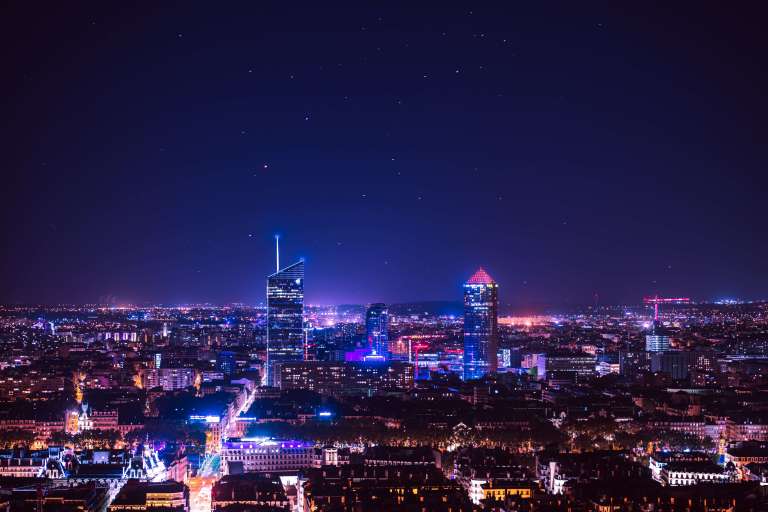
Life in Lyon, mostly pros and some cons

My Honest Experience After Three Years

Lyon was the city where I became an adult.

I moved there to study at university and stayed for three years. During those three years, I learned how to live on my own, manage money, make mistakes and figure out what kind of life I wanted.

Would I move back?

Probably not.

Would I recommend it?

Absolutely, to the right person.

Those two answers aren’t contradictory.

I’ve lived in several countries and cities since then, so I naturally compare Lyon with many other places. Looking back, I appreciate it much more today than I did while I was actually living there.

It’s not my favorite city in France.

It never felt like home.

But that’s okay.

Some cities aren’t meant to be your final destination. They’re meant to prepare you for whatever comes next.

Lyon did exactly that.

If you’re thinking about moving there, studying there or you’re simply curious about what everyday life is like, here’s my honest experience, the good, the bad and everything in between.

Big enough to keep you busy, small enough to breathe

One of the first things I appreciated about Lyon was its size.

It’s a proper city.

You’ll find concerts, museums, football matches, festivals, universities and pretty much everything you’d expect from one of France’s biggest urban areas.

Yet it never felt overwhelming.

I’ve spent time in cities where leaving the house already feels exhausting. Too many people. Too much traffic. Too much noise.

Lyon never gave me that feeling.

You can cross the city without turning it into an expedition. After a while, you start recognizing neighborhoods instead of feeling lost in them.

I think Lyon found a balance that many cities never do.

It’s large enough that you’ll rarely run out of things to do.

It’s small enough that everyday life still feels manageable.

Public transportation is one of Lyon’s biggest strengths

I’ve always believed that a good city is one where you don’t need to think about transportation.

Lyon is one of those cities.

The metro works.

The trams work.

The buses work.

The funicular still feels fun no matter how many times you take it.

Most days, I simply left my apartment and went wherever I needed without thinking twice about how I’d get there.

That’s probably the highest compliment I can give any transportation system.

I’ve lived in places where owning a car felt almost mandatory.

Lyon wasn’t one of them.

Even today, if someone asked me which French city impressed me most when it comes to public transportation, Lyon would easily make my shortlist.

Its location is almost unfair

If I had to choose Lyon’s biggest advantage, this would probably be it.

You’re close to almost everything.

The Alps.

Switzerland.

Italy.

Southern France.

Paris.

Whether you enjoy hiking, skiing or simply taking weekend trips, Lyon makes it ridiculously easy.

Some of my favorite memories from those three years weren’t actually in Lyon.

They were outside it.

I spent weekends hiking around Grenoble, exploring Annecy, discovering Aix-les-Bains and getting lost in places I’d never heard of before moving there.

Annecy quickly became one of my favorite places in France.

If you’ve never been, put it on your list.

Seriously.

Living in Lyon made all those trips possible.

Instead of spending every weekend in the same city, I could keep discovering somewhere new.

That suited me perfectly.

I’ve never been someone who enjoys staying in one place for too long.

Student life

Lyon has a reputation for being one of France’s best student cities.

From what I saw, it deserves it.

The universities attract students from all over France and abroad. There are always events happening, cafés full of students and plenty of nightlife if that’s your thing.

It wasn’t really mine.

I’ve never been much of a drinker.

While many of my classmates spent Thursday nights in bars, I was usually somewhere else.

Watching football.

Learning about investing.

Trying to earn money.

Or simply enjoying a quiet evening.

I had just left home, and my priorities were different.

I wanted to become independent.

I wanted to stop relying on my parents as quickly as possible.

So my experience of Lyon probably wasn’t the typical student experience.

That doesn’t mean the city lacked nightlife.

Quite the opposite.

It simply means I chose a different path.

And looking back, I wouldn’t change it.

The People

If there’s one thing I never fully connected with in Lyon, it was the people.

Before anyone gets offended, let me explain.

I’d lived in several countries across four continents by then (6 by now). Every place has its own personality, and every person experiences it differently. This is simply how I felt during my three years there.

Compared with other places I’d lived, people in Lyon often seemed more reserved. Conversations didn’t happen as naturally. Making friends took time.

That doesn’t mean people were cold.

In fact, once you got to know them, many were kind, loyal and welcoming.

The first step just felt a little harder.

Ironically, some of the friendliest interactions I had weren’t in the neighborhoods people usually recommend.

The neighborhoods everyone warned me about

Whenever Vénissieux or Les Minguettes came up, people usually had something negative to say.

Crime.

Poverty.

Avoid them.

That was the reputation.

Then I actually went there.

What I found were families doing their shopping, kids playing outside, neighbors talking to one another and people simply living their lives.

Were there problems?

Of course.

No one should pretend those neighborhoods don’t face real social and economic challenges.

But reducing entire communities to their crime statistics never sat right with me.

Those visits reminded me of something I’ve experienced in many countries.

Places are rarely as simple as their reputation.

Some of the wealthiest neighborhoods I’ve visited felt emotionally empty.

Some of the poorest felt surprisingly alive.

Lyon reinforced that lesson.

The city where I stopped eating meat

Most people associate Lyon with food.

It’s often called the gastronomic capital of France.

Ironically, it’s also where I stopped eating meat.

When I arrived in Lyon, I was still omnivorous. That said, I never really enjoyed meat.

I mostly ate it because everyone around me did.

Then I started having recurring digestive problems.

One day I simply thought:

Enough. Not because I knew it was the issue, simply because I stopped liking it.

To my surprise, many of my digestive problems disappeared.

At the time, I became pescatarian.

Years later, that decision eventually led me to veganism, but that’s another story for another day.

So whenever someone asks me about Lyon’s famous cuisine, I smile a little.

Most people remember Lyon because they discovered French food.

I remember it because I discovered I didn’t want to eat red meat anymore.

Funny how life works.

Cost of living

Lyon isn’t cheap.

Then again, compared with Paris, it almost feels affordable.

Housing was my biggest expense, just like it is for most people.

Finding an apartment wasn’t always easy either.

French administration loves paperwork.

Sometimes it feels like you need paperwork to prove you have paperwork.

If you’re moving from abroad, be prepared.

You’ll probably hear words like garant, dossier and justificatif more often than you’d like.

Once I got through all of that, everyday life became much easier.

Public transportation kept transportation costs low.

Walking was often faster than driving.

And because I wasn’t someone who spent every weekend partying, my student budget stretched surprisingly well.

My favorite places

Even years later, certain places immediately come back to me.

Fourvière

If you only visit one place in Lyon, make it Fourvière.

The basilica dominates the city, but honestly, I remember the view just as much as the building itself.

Standing up there, Lyon suddenly makes sense.

You can see how the city grew around the Rhône and the Saône.

It’s one of those places where you naturally slow down for a few minutes.

Vieux Lyon

Yes, it’s touristy.

Yes, you should still go.

I never got tired of wandering through its narrow streets.

Sometimes I’d intentionally take a different route just to see where I’d end up.

That’s usually the best way to explore old cities.

Parc de la Tête d’Or

I’ve always believed every city needs somewhere people can simply exist without spending money.

Parc de la Tête d’Or is that place.

You can walk.

Read.

Exercise.

Sit under a tree.

Or do absolutely nothing.

Cities need spaces like that.

Probably more than shopping malls.

Along the rivers

The Rhône and the Saône quietly became part of my routine.

Sometimes I’d walk for no particular reason.

Sometimes I’d stop and watch people cycling past.

Other times I’d just sit there.

Not every memorable place has to be spectacular.

Sometimes it’s enough that it makes you slow down.

Football

Anyone who knows me knew this section was coming.

Olympique Lyonnais was impossible to ignore while living there.

Watching matches at Gerland became part of my time in Lyon, I truly loved it.

Football has a way of connecting you to a city, even when you know you won’t stay forever.

What I didn’t love

As much as I appreciate Lyon today, I never felt a strong desire to stay.

Part of that had nothing to do with the city itself.

Even in my early twenties, I knew I wanted to keep exploring the world. Lyon was never meant to be my final destination. It was simply the next chapter.

The weather didn’t always help either.

If you enjoy long, sunny summers and mild winters, Lyon might disappoint you. Winters often felt gray, and snowy, and after a while I found myself craving the ocean.

That’s one of the reasons I eventually fell in love with southwest France.

I also never developed the emotional connection I later felt with other places.

Some cities grab you almost immediately.

Lyon never did that for me.

It earned my respect long before it earned my affection.

Looking back, those are two very different things.

Would I move back?

Probably not.

Not because there’s anything wrong with Lyon.

Simply because today I know what I’m looking for.

I need nature close by.

I prefer smaller cities.

I love being able to reach the ocean within minutes.

I enjoy quieter places where life feels a little slower.

Lyon doesn’t pretend to be that city, and I wouldn’t ask it to be.

That doesn’t make it worse.

It just makes it different.

So, who is Lyon actually for?

If you’re a student, I think Lyon is one of the best choices in France.

If you enjoy public transportation, you’ll probably love it.

If you like having concerts, museums, football matches and weekend trips all within easy reach, Lyon has a lot to offer.

If you enjoy hiking or skiing, its location alone is almost enough to convince you.

If you’re looking for your first experience living away from home, it’s a city where it’s relatively easy to become independent.

On the other hand, if your dream is living beside the sea, spending every weekend at the beach or escaping into nature within a few minutes, there are probably better places.

And if warm weather is essential to your happiness, Lyon’s winters may eventually wear you down.

Three years that changed me

When I moved to Lyon, I thought I was moving there to get a degree.

Looking back, I learned much more than what happened inside a classroom.

It’s where I learned how to live alone.

It’s where I started managing my own money.

It’s where I stopped eating meat after years of digestive problems and eventually began the journey that would later lead me to veganism.

It’s where I realized I cared more about freedom than status.

More about experiences than possessions.

More about discovering the world than settling in one place.

Lyon didn’t turn me into the person I am today.

But it helped shape that person.

For that, I’ll always be grateful.

Verdict

Would I recommend Lyon?

Yes.

Without hesitation.

Not because I think it’s the greatest city in France.

Not because it’s perfect.

No city is.

I’d recommend it because it’s a city that works.

It offers opportunities without the intensity of Paris.

It has excellent public transportation.

It’s beautiful without feeling like an open-air museum.

It’s surrounded by incredible places to discover.

And if you’re willing to make the effort, you can build a very good life there.

Would I choose to live there again?

No.

My life has taken me in a different direction.

But every time I think about Lyon, I remember the city where I became independent, where I challenged old habits, where I grew up, and where I quietly started building the life I live today.

Some cities become your home.

Others become part of your story.

For me, Lyon will always be the latter.

Thanks for reading.

Teekay

Update (2026): I lived in Lyon over a decade ago. While things like housing prices, bike infrastructure and vegan options have evolved since then, this article remains an honest account of what it was like to live there and the lessons I took away from those three years.
WATCH: Great movies that explore black excellence, systemic racism and social (in)justice

Compiled is a list of more than 50 GREAT movies about black excellence, social injustice, black struggle and systemic racism.

Most movies on this list are based on real events, some are fictional.

  • Marshall – Chadwick Boseman, 2017 (based on a true story)
  • Green book – Mahershala Ali, 2018 (based on a true story)
  • Just mercy – Michael B. Jordan, Jamie Foxx, 2019 (based on a true story)
  • Race (Jesse Owens) – Stephan James, 2015 (based on a true story)
  • BlacKkKlansman – John David Washington, 2018 (based on a true story)
  • Selma – David Oyelowo, 2014 (based on a true story)
  • One night in Miami – Leslie Odom Jr., 2020
  • Fresh – Sean Nelson, Samuel L. Jackson, 1994
  • Get on up – Chadwick Boseman, 2014 (based on a true story)
  • Ray – Jamie Foxx, 2004 (based on a true story)
  • The banker – Anthony Mackie, Samuel L. Jackson, 2019 (based on a true story)
  • American gangster – Denzel Washington, 2007
  • 42 (Jackie Robinson) – Chadwich Boseman, 2013 (based on a true story)
  • Malcolm X – Denzel Washington, 1992 (based on a true story)
  • Ali – Will Smith, 2001 (based on a true story)
  • From the rough – Taraji P. Henson, 2013 (based on a true story)
  • Harriet – Cynthia Erivo, 2019 (based on a true story)
  • Coach carter – Samuel L. Jackson, 2005 (based on a true story)
  • Juice – Tupac, 1992 (based on a true story)
  • Menace II Society – Tyrin Turner, 1993 (a true-to-life portrayal of the streets in South Central Los Angeles)
  • Mudbound – Jason Mitchell, 2017 (Inspired from real-life experiences)
  • Remember the Titans – Denzel Washington, 2000 (based on a true story)
  • The express (Ernie Davis) – Rob Brown, 2008 (based on a true story)
  • Freedom writers – Hilary Swank, April Lee Hernández (based on a true story)
  • The great debaters – Denzel Washington, 2007 (based on a true story)
  • The butler – Oprah Winfrey, Forest Whitaker, 2013 (based on a true story)
  • McFarland, USA – Kevin Costner, 2015 (based on a true story)
  • Boyz N’ the hood – Cuba Gooding Jr., Ice Cube, 1991 (Inspired from real-life experiences of the director, John Singleton)
  • Mississippi burning – Willem Dafoe, 1988 (based on a true story)
  • Concussion – Will Smith, 2015 (based on a true story)
  • Fruitvale station – Michael B. Jordan, 2013 (based on a true story)
  • Hidden Figures – Taraji P. Henson, 2016 (inspired by a real-life incident)
  • Do the right thing – Spike Lee, 1989 (inspired by a real-life incident)
  • The blind side – Sandra Bullock, 2009 (inspired by a real-life incident)
  • Poetic justice – Tupac, Janet Jackson, 1993
  • Dope – Shameik Moore, Zoë Kravitz, 2015
  • Sorry to bother you – Lakeith Stanfield, 2018
  • Driving Miss Daisy – Morgan Freeman, 1989
  • Lean on me – Morgan Freeman, 1989
  • Loving – Joel Edgerton, 2016
  • Fences – Viola Davis, Denzel Washington, 2016
  • Roman J israel Esq. – Denzel Washington, 2017
  • The harder they fall – Zazie Beetz, Idris Elba, Jonathan Majors, Regina King, 2021
  • 12 years a slave
  • Dear white people
  • The help
  • American history X
  • Get out
  • Black panther
  • Django
  • Queen and Slim
  • Barbershop
  • Friday
  • If Beale street could talk
  • The hate you give