The importance of Digital Marketing, outsourcing and how they reshaped business as we know it

Building a business is no easy task, especially when it’s not a classic brick and mortar shop in a busy street.

While all businesses rely on customers and consumers, the whole money-game is built on 3 pillars: eyeballs, attention and interest.

Setting up shop in a busy street brings you lots of eyeballs and attention, whereas your actual service and/or product bring you interest.

That’s at least how things used to be, but then came The Internet.

The internet is one of the biggest technological advancements in human history.
On one hand, taming fire, inventing the wheel, electric currents and lightbulbs, internal combustion engines, the compass, vaccines and telephones took our existence and comfort to a whole new level.

On the other hand, the internet (and computers to a great degree) instigated a silent revolution and marked the beginning of a new chapter in human history.

The internet instigated cultural shifts, political revolutions and more wealth than ever seen before (Mansa Musa was an exception). It revolutionized the way we go about our lives, the way we eat, shop, interact with each other, date, learn and evolve as a species.

Internet disruption went a step further with the creation of Blogs and Social Media platforms.

It unsettled the way we used to consume and almost killed brick and mortar, in less than 30 years of existence, mind you.

And therein lies the importance of Online Shops and Digital Media/Marketing.

  • Let’s talk marketing:

The internet (and Social Media) increased our reach more than anything before it.

It didn’t just connect people to people like telephones did, it connected actual THINGS to people through what we now know as e-commerce.

That’s what we call B2C (marketing) in business jargon.

Social Media made it so that you now can literally reach millions of people with just a click.

It’s wild !

That being said, nothing good comes easy, and so extensive reach and good conversion rates usually come at a price, and a hefty one at that.

  • In practice:

Say you want to launch a small business in your town.

Back in the day, go-to techniques to spread the word were handing out flyers, talking to your friends (word-of-mouth), asking for personal recommendations and leaving business cards everywhere you go.

These techniques could still work (potentially) if done properly, but are hardly going to keep you afloat and financially stable.

The internet, and Internet Marketing (AKA Digital Marketing/Online Marketing) to be exact, allows you to bypass all that and reach more people than you ever could with traditional marketing techniques.

  • Here’s how:

Social Media (marketing), websites (and landing pages) and blogs, of course.

These 3 channels are where it’s been at for the past..20 years maybe ?

That’s where most people under 65 look for things, so that’s where attention and eyeballs are.

  • Where to start:

PSA: The inevitables depend on your business and your niche, ALWAYS.

The inevitables for most businesses would be Google My Business, Facebook (controversial, I know), Instagram and a personal website/online shop.

In additional to those four, and depending on your business, you might want to consider a blog for the brand and educational purposes (expertise), a LinkedIn page, a YouTube and/or Tiktok channel (tutorials, how-to’s) and a Pinterest page.

On a lesser level, and once again depending on your biz, consider starting a podcast, a space on telegram, a discord as well as setting up a WhatsApp number for the brand.

The creation and management of ALL THIS requires lots of skills. It requires a lot of time and dedication, too.

After all, there’s no point in being all over the place if you aren’t constantly building and engaging with your audience.

  • That’s where Online Marketers / Digital Wizards come in:

The consistent management of pages and channels is hectic, tiring and even gruesome to some.

Managing AND building a community from scratch ? Different ball game altogether.

Social Media management, Advertising, Digital Communication and Branding take a LOT of skills. They take a lot of time as well.

But before we talk about all that, let’s briefly discuss branding or brand-building.

  • Branding:

Brand-building is difficult. It takes so much work and specific skills. It can’t be half-assed.

Brand-building also takes time, lots of it. It took some of the biggest brands in the world YEARS to get to where they are now, and that’s without factoring in the millions of dollars they each put into their marketing machine.

Brand-building entails good design, strategy, digital communication, social ads and much more.

So clearly, it’s as complex as they come. But it’s also the safest way to a prosperous business.

People often buy the brand, not the product itself.

*Open bracket*

FYI, I chose this career path, as a Brand Builder, Social Media marketer and Growth Hacker (so-to-speak), because of its complexity and challenges around it.

I grew up with Social Media and was very quickly drawn to it. I’ve been on it from day one, I was involved in it very early, I saw it grow and evolve, and so did I.

I became a freelance Social Media expert 3 years ago because I felt caged in. Most companies I’ve worked for were so rudimental when it came to marketing. That despite being multimillion dollar ones.

I’ve always wanted to instigate change. Working for the sake of working wasn’t “it” for me. I wanted more, so I went for more.

Obviously more didn’t mean more work, but rather more meaning. I wanted to become a driver of change with my clients, rather than just a pawn.

I worked my butt off and I loved it.

With more than 7 years in, my work became more about setting new standards than following the “old way“.

*Close bracket*

Once you sort out your branding, it’s time to communicate.

Good digital communication entails creativity, innovation, focus and efficiency. It also requires you to be open to new ideas and have an appetite for risk.

The challenge in what I do lies in the fickleness of human behavior. Marketing is all about human behavior.

Skills are important but understanding your audience, your leads and customers is what gets you over the line, never forget that.

  • Going full circle:

I wrote this post to explain the importance of online presence and branding. I also want to encourage (small) business owners to outsource complex tasks as much as they can. It’s vital.

Many (most) beginners and business owners prefer saving a few bucks and doing it all by themselves. That strategy always backfires, unless you’re a marketing expert.

By refusing to outsource these functions, you will likely waste weeks, months or even years of your business. You’re also likely to waste lots of money and “brand currency“.

Brand currency is what people know you for. Once people know you for something, it’ll take triple the amount of efforts, time and money to rebrand yourself and your business.

You can avoid all that hassle by simply outsourcing the vital functions of your business.

  • What you gain from outsourcing:
  1. Time and energy: If you don’t particularly enjoy spending time on all the above-mentioned tasks, you’re likely to hit a brick wall doing it yourself. It can be overwhelming and extremely time-consuming, obviously.
  2. Focus: Because there’s nothing more frustrating when starting a business than distraction, outsourcing gives you a breath of fresh air and more freedom to focus on the business itself.
  3. A QUALITY Social Media post, an update on Google My Business or a blogpost could take hours to create. Don’t waste your time communicating when you already have millions of things to handle elsewhere.
  4. Burnout: Doing it all by yourself could potentially cause you to give up. Real business starts when all the excitement wears out. Outsourcing helps avoid that.
  5. Social Ads are complex: it may not seem like it (or does it?) but social ads are as complex as they come. There are so many factors to factor in, and so much tinkering to do as you go. It actually took me years to learn the ins and outs of Social Ads, and I’m still learning, esp. since the introduction of iOS14. I have a masters in that stuff mind you, and more than 7 years working with different clients. That’s how much work went into it. Never underestimate the work of others just because they make it look so simple, so smooth, it usually never is.
  6. Creatives and designs deserve special attention and care: Anyone can create content, but to create engaging, fun and converting content is a different ball-game. Obviously, like everything, it’s a learning curve, but would you rather spend 6 hours/day managing your socials or actually building your project, prospecting and growing your business ?

Outsource. It’s worth it.

Much more than a desert: my trip to the Sahara

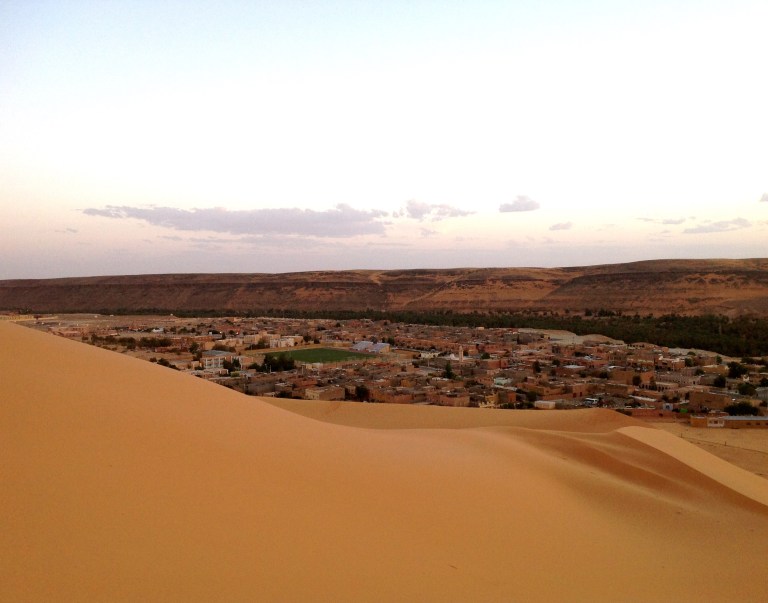
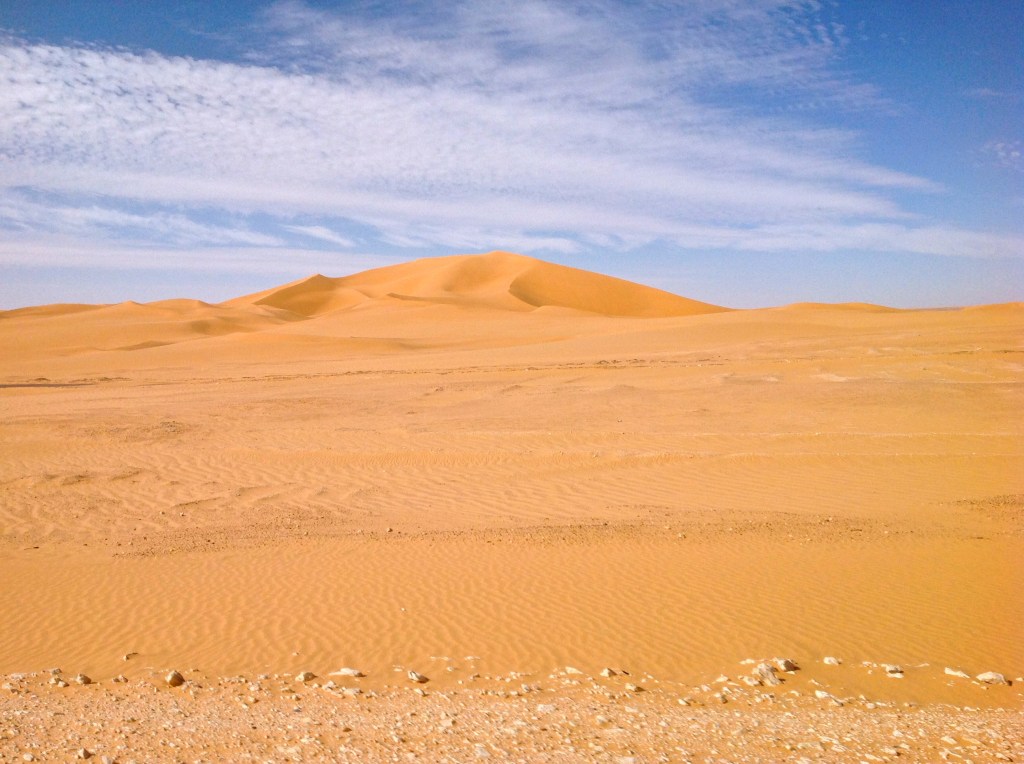
The Sahara Desert is the world’s largest hot desert and the third largest desert behind Antarctica and the Arctic.

Located in North Africa, it covers 9,200,000 square kilometers (3.6 million square miles), nearly a third of Africa.

My journey through a fraction of this majestic place was nothing short of sensational.

Trip route
Trip route

The sand dunes, beautiful wild camels, excruciating heat, vastness, hospitable nomads and their stories..the magical spirits..a once in a lifetime experience.

Speaking of, here’s a fun fact about camels: a camel can drink 200 liters (53 gallons) of water in three minutes !

That’s insane !

A bunch of camels chillin’ in a Canyon (Oasis), Chad

Anyway, I don’t know about y’all, but I love stories about supernatural creatures, angels and jinns.

  • What are jinns, exactly?

Jinns are usually known as genies (yeah, like the one in Aladdin) in western literature.

Jinns are magical spirits who may appear in the form of a human or an animal and can take control of a person.

They’re said to inhabit caves, graveyards, deserted places and darkness. The Sahara Desert, like the ocean, is where many Jinns actually live. And believe me, it’s feelable (spooky!).

Jinns lead similar lives to us humans. While they’re believed to be invisible (mostly), jinns have the ability to eat, drink, sleep, breed and produce offspring that resemble their parents.

They also have free will to choose between good and evil. Therefor, jinns can be Muslim, Jewish, Christian, etc.

But unlike us, jinns have numerous powers that are exclusively theirs.

For instance, jinns are capable of moving extremely heavy objects with relative ease.

There’s always been some sort of air of mystery and mystique around the topic of jinns, and rightfully so.

Fun fact: Jinn means “hidden” or “concealed” in Arabic.

As per a hadith narrated by Ibn e Masood, there are 3 main types of jinn: those who fly, those who appear in the form of dogs and snakes, and those that stay in travel.

Jinns live much longer than us. It is said that they can live up to thousands of years.

  • Preferences

Jinns delight in punishing humans, intentionally or unintentionally, and are said to be responsible for many diseases and all kinds of accidents

It’s been said that jinns eat like humans, but instead of fresh food, they prefer rotten flesh and bones. Yuk!

Fun fact: King Solomon PBUH, one of God’s beloved prophets, was bestowed with many God-given gifts, including the ability to speak to animals and jinn.

While many people are aware of the existence of Jinns, Hinns, on the other hand, are barely ever talked about.

Here are a few interesting theories about the Hinn.

  • Theories

In early Islam, a common belief held that mankind is actually the successor of other intelligent creatures such as Jinn and Hinn. Medieval Muslim traditions referred to the Jinn as pre-Adamites, depicted as human-like in various ways.

According to Ibn Kathir, the hinn belongs (together with the jinn) to those creatures who shed blood on earth before humankind, causing the angels to question God’s command to place Adam PBUH as a vicegerent.

In his work Al-Bidāya wa-n-Nihāya (The Beginning and the End), Ibn Kathir relates that the Hinn (and binn) were exterminated by the jinn so that they could dwell on the earth.

Even more interestingly, Muhammad Al-Tahir ibn Ashur states in his work at-Tahreer wa’t-Tanweer that the hinn (and binn) may be a reference to Persian mythology or the ancient Greek Titans, who were driven away by their deities.

Worth looking into !

Smartphones are Our Generation’s Cigarettes

Nicotine is addictive, everyone knows that, but so are smartphones and social media.

Although lots people still smoke today, cigarette culture back in the 50s and 60s was mad different from cigarette culture today.

  • Similarities

Everyone smoked back then. From grandma, to blue collar workers, business people, pregnant women, even preachers smoked ! It was ubiquitous. 

Besides, cigarette ads were outrageous !

(By the way, 50 years from now, kids will look at meat, fish and dairy ads the way we look at crazy nicotine ads today.

Meat, fish and dairy are more harmful than cigarettes ever were, but they thrive on misinformation and bad education.

Beside being extremely harmful to the animals and the planet, they’re literally destroying our health, in total impunity.)

Anyway, not the point ^^

Similarly to nicotine addiction in the 50s, it seems as though everyone is addicted to their smartphone today.

In 2019, in a pre-pandemic environment, NBC reported that teens average over 7 hours of smartphone use a day.

That number is now higher for both teens and adults, as teens now spend up to 9 HOURS a day on their phones !

Madness !

Cigarettes take years off your life by just killing you (cancer). Social media takes years of your life by making you endlessly scroll, and lose your sense of purpose and time.

Cellphones can also cause cancer and sharply increase tumor risk (source: UC Berkeley)

  • The observation:

It’s sad to see what has become of interpersonal relationships, and activities in the ‘real world’ altogether.

I’ve decided to write this post to remind myself and my readers of the harms of excessive cellphone use and social media exposure. I also believe we need to push back and raise awareness against what’s happening in this realm.

It ain’t just about smartphones though, it’s about what’s in them.

Social Networks, gaming apps, dating apps, and so on are driving us away from the things that really matter. We’re losing our very humanity because of them.

Instant gratification and FOMO are this generations worst diseases, as discussed on this episode of my podcast with Deborah Cooper, columnist, author and relationships expert.

I believe we need to rethink the place of smartphones in our modern societies, and the way we interact with both technology and each other, bridge some gaps.

I also think we need to push for less addictive designs.

As a society, we must hold Big Tech responsible for their doings and encourage them to focus on making more functional and utilitarian platforms instead of addictive cash cows.

Furthermore, we must be more aware of how technology is affecting our brains and society as a whole.

It’s like we have billions and billions of people zonked out, consuming hours and hours on their phones without realizing that they’re wasting years of their life.

Something needs to be done here.

  • From a behavioral standpoint

Our smartphones are the cue, craving, response, and reward all at once. They’ve been designed to be addictive, easy to handle and ultimately became our go-to gadgets to find simulated happiness, always a swipe away from a dopamine hit.

Unfortunately, we aren’t aware enough of this, and when we are, we just dismiss it like we do with many harmful things (ask your smoker friends).

Internet addiction is a bigger problem, though. It’s a problem that nobody wants to admit and something that’s beyond individual control.

Funny thing is, it’s almost unreasonable to think it’s someone’s fault for developing this addiction, because at the end of the day, WE are the enablers.

How many kids do you see glued to an iPad at ages that seem ridiculous?

Remember just a couple years ago when big tech pretended to care about this problem with some half-baked features like screen time & limits on their platforms? It was laughable.

I’m obviously not against social media, dating and gaming apps, not one bit.

I’ve actually met the dearest person to my heart on one of these apps.

But with that being said, wisdom lies in moderation.

There are many studies that link depression and a low life-satisfaction to social media use and online dating apps.

Furthermore, Social Networks are becoming increasingly invasive, and are a pervasive part of modern culture, which greatly affects our global mental health.

“Human beings find purpose in their responsibilities. Responsibilities aren’t a burden, they’re a gift and they give our lives meaning.”

  • So what can we do, collectively, to save people from becoming zombies ?

So, this is my favorite part and the reason I wrote this post.

There are dozens of activities that you could and probably should be doing right now if you weren’t on your phone.

Here’s a quick list of things that you must look into and that could potentially break your addiction and increase life satisfaction and connectedness with the world:

  • Hiking and trekking: hiking doesn’t require any training, gear (besides decent shoes) or entry fees
  • Picnics: with friends, your partner, family, your dog, picnics are fun and great way to meet like minded people in the real world
  • Ramble the town you live in, there are always some lovely hidden gems that are defo worth exploring
  • Chat in person with no schedule in mind, about anything, chill with your partner or your best friends, go for tea
  • Biking: not just to work or to run errands, but just for the sake of it
  • Do something whimsical like find handfuls of acorns to paint with cute smiley faces
  • Workout with friends
  • Go to your local shooting stand and learn how to handle weapons
  • Take up a new hobby: Yoga, Tai Chi, Knitting, Guitar playing, language learning, coding, drawing, blogging, writing, woodworking
  • Invest your time in charity work and/or teaching/mentoring
  • Dog/cat keeping whenever you’re free and don’t know what to do. Animals are a great way to fight stress and anxiety
  • Visit your local parks and cemeteries, go for a stroll there, use that time to reflect on your own life and how to improve your life and that of those around you
  • Play sports with your buddies, or join new groups with whom you can also hoop/play football
  • Explore your local libraries and their books
  • Write your own book
  • Learn how to cook and dabble with your diet. Learn more about what you’re putting in your body on a daily basis
  • Practice conscious breathing
  • But most importantly, make sure you always have something going on in your life to keep you pumped.

One of my podcast guests once told me “humans find purpose in their responsibilities. Responsibilities aren’t a burden, they’re a gift and they give our lives meaning“.

No truer words have ever been spoken.

There are so many useful ways to spend your free time, so don’t waste it scrolling endlessly.

Who would've thought "Cyber Cafes" or Internet Cafes would fit into our pockets someday ?
  • Millennial nostalgia

Back in ye olden days (late 90s, early 2000s), my friends and I used to spend hours outside. Riding our bikes around town, playing football in the street, freestyling, telling jokes, climbing trees, running or “working out”..

And whenever our finances matched our desires, which wasn’t that often, we’d grab a bite together and just .. talk.

No one was distracted while talking, because smartphones didn’t exist..yet !

At the risk of sounding old, those were definitely “the days, bro!”

P.S.: who would’ve thought “Cyber Cafes” or Internet Cafes would fit into our pockets someday ? It’s insane come to think of it.

I grew up in Cyber Cafe era, we used to hang out in cybers all the time, mostly playing video games (essentially Counter-Strike and Red Alert)

Here’s what Red Alert looked like ^^

Shit was mad dope, I ain’t gonna lie !

  • So why the sudden change ?

Tech companies leveraged smartphone ecosystems by using gamification and behavioral economics as their tactics to trick our brains into consuming more and more on our phones.

This is common knowledge but such strategies were inspired by casinos, the devil’s ground and masters of addiction.

Psychologists like Dan Ariely and Daniel Kahneman have had a major influence on how tech apps have been constructed to have addicting rewards systems.

  • In closing

I genuinely hope that people realize social media isn’t a substitute for real connection.

As a species, we must have a better understanding of ourselves if we want to keep evolving and find genuine happiness. It may not seem like it but we’re still as primitive as a man from the first century AD, only with more gadgets around us.

But it’s fascinating how slow death never gets a bad rep, though.

Downsizing tips from an eco-essentialist

The trinity of downsizing:

SellDonateTrash

Most of the stuff we buy throughout the years will either end up sold, donated or trashed.

It’s sad, but it’s also inevitable.

That’s one of the main reasons why I became a minimalist in for first place.

When I look at the number of things I owned throughout my life, I can’t help but feel guilty..

Guilty because most of it went out the window at one point or another, guilty because there definitely are people who can’t afford half the stuff we buy carelessly

Guilty because consumerism is so ingrained in our modern societies that we hardly question our spending habits.

Minimalism allowed me to shift my mindset completely, so the least I can do is simplify the process by sharing some of my tips with those looking to live mindfully and sustainably.

“But what do I do with all the stuff I own ? It’s already been made, bought and used (for most part)?”

That’s the type of question I usually get.

The answer is quite simple:

Sell: if you need the money and want your most valuable things to have a second life

Donate: if you don’t need the money and want your things to be repurposed and help people in need (Charity, NGOs, Homeless Shelters..)

Trash: everything that can’t be repurposed, sold or recycled. It’s unfortunate but don’t beat yourself up too much, it happens to the best of us.

Where to go from here?

Here’s a short list of things you can turn to if you want to minimize further. Some of these tips hint at frugalism as well.

  • Avoid eating out and getting take outs. Take out foods are usually less healthy and way more expensive than home cooked meals. Learning how and what to cook is a useful skill for a better life, health wise and financially as well
  • Stop “treating yourself” when you can’t even pay off your debt and loans. Focus on the things that truly matter to you, and things that could have a lasting effect. Perhaps you could treat yourself to some cooking or baking classes, that way you won’t have to overspend every time you crave something. Same goes with most skills (yoga, fitness, cooking, handywork..)
  • Stop seeking instant gratification. Instant gratification is one of our era’s worst nightmares. It’s responsible for depression, anxiety, people feeling lost, so on and so forth. Refraining from social media use is one of the best things you could do to heal from this disease, news fasts* are also very effective in that regard
  • Avoid fast fashion AT ALL COSTS. I know it’s convenient and cheap, but what comes easy never lasts. Also, it’s highly destructive to both nature and the humans behind it (btw click on the link if you’re not familiar with this industry, the video’s super dope and it’s only 8 mins long)
  • One grocery trip twice a month should be enough. Meal planning (and prepping) helps a lot as it decreases overspending, and waste, of course
  • Shopping online is better as it allows you to browse similar products to the ones you’re looking for, and find the ones that best fit your needs 
  • Go organic as much as you can. Health is important and bad health is extremely costly !
  • Go for one time purchases. For example, start using linen napkins instead of paper towels
  • This one’s quite personal and something I’m working towards but I always try to favor cash instead of credit/debit cards
  • Minimize unnecessary subscriptions – cloud storage, streaming services, music services, apps, gym, website memberships, meal delivery, monthly installments.. I’m sure we all have subscriptions we hardly ever use

Beside all this, digital minimalism is also something you could look further into:

  • Delete all the apps you don’t use regularly
  • Sift through and delete all the unread/undesired emails in your mailbox. Here’s the real cost of your full mailbox
  • Unsubscribe from all the lists that keep sending you updates, offers and newsletters that you hardly ever read. It may not seem like it but most of that stuff is costly in mental energy (c.f. decision fatigue), carbon emissions and anxiety
  • Organize your photos in folders and delete all copies and similar photos
  • Disable unnecessary notifications, especially the ones on social media. I personally only kept incoming calls and text message, as those are the ones I use the most with my family and friends

Reach out to me or leave me a comment if you have any specific questions, I’m always happy to help 🙂

*A news fast implies opting out of watching the news on TV, listening the radio, reading newspapers, or following the news on social media and other internet outlets.

Behaviors and traits that make healthy personalities

A list of healthy behaviors, traits and habits I’ve noticed in some of my favorite people in the world.

Those are traits I personally try to gravitate towards in order to build healthy relationships.

  • They avoid criticism at all costs 

Criticism shows a lack of understanding and empathy towards others. The less critical you are towards others, the better.

Slander is also a major sin in my religion.

Slander and backbiting are considered “destructive” major sins.

These two sins are forbidden by God because they sow enmity, evil and discord among people and lead to destruction.

Slander, like overt criticism, are a sign that you want to show superiority, which in turn shows a lack of confidence and is ultimately a sign of weakness.

People ain’t all that different, we just choose our differences, so please refrain from being cheaply critical and just accept others as they are.

  • OCEAN is the acronym

OCEAN are the “Big Five” personality traits developed in psychological trait theory. They’re a great way to assess oneself.

O for Openness. Being open to new things, new ideas, change and being curious are all great signs of a great personality.

For instance, if someone tells you about a positive thing in their life, try to dig deeper, be happy for them.

Showing real, genuine interest in what others tell you is a sign of goodness, and happiness.

C for Conscientiousness: be conscientious is one of the noblest traits.

Knowing how to act and react accordingly in difficult situations, being aware of your surroundings, treating others with respect are all signs of a conscientious person.

Don’t be so quick to judge and just let others the benefit of the doubt, learn how to trust.

E for Extroversion: try being extroverted, not in a “party-going” way, but rather in a “be curious about others, ask how they are” way.

Don’t interrupt when others talk to you, show genuine interest in their feelings and wellbeing and treat them with love.

A for Agreeableness: being agreeable should be the easiest thing when you’re surrounded by the right people. Your friends need to challenge you on certain things, but not on everything.

“A person with a high level of agreeableness in a personality test is usually warm, friendly, and tactful.” So be warm, make people feel at ease, heard.

N for Neuroticism (it’s not what you think): this trait is about people who are emotionally stable, who deal well with stress pretty well, who don’t worry much (know how to let go of grudges) and are generally very chill and laid-back.

The kind of person who avoids conflict and troubles at all costs, my type of people.

Let’s move on to some other traits healthy people have in common:

  • They don’t think about their needs only (considerate?)

One of my favorite thing about some people is their ability to put others before themselves.

I’ve had friends who were exactly that. They always serve others before they serve themselves, they’re the carers of the group, which usually brings the group together.

Carers are my personal favorite people !

Showing that you care about people other than yourself is such an attractive trait. It shows empathy and an acute sense of humanity. 

  • They avoid hijacking conversations

Everything isn’t always about you, let others be, express themselves.

Make them feel comfortable enough to open up to you. Avoid hijacking conversations with sentences like “this reminds me of something I went through”. NO. It’s not about u, it’s about them ! 

  • They own up to your failures and mistakes

Take responsibility.

It takes courage to take responsibility, to show that you understand your mistakes and that you’re willing to do better

Say that you blew it when you feel like you did. I know it shows vulnerability but that’s what healthy people say and do

  • They allow nuance in life

Things shouldn’t always be how YOU want them to be, focus on yourself and hope others do their best as well

  • They never shame, never blame, and don’t have an agenda

If you disagree with someone, do it in a civil and respectful manner. Things can’t always go your way and that’s ok, let it go, just make sure you do your best in every situation, and don’t beat yourself up when you can’t 

  • They have an acute sense of teamwork

Teamwork makes the dream work.

Always try to work things out with the person in front of you, personally and professionally.

  • They don’t mind sharing the negatives of their personal and professional endeavors

Talking about the negatives of your life allows a sense of intimacy to others, which is the opposite of control.

This intimacy exposes you and will eventually make you feel vulnerable, which is bound to get you out of your comfort zone and help you grow. Let yourself get into that new, unexplored zone

  • They’re patient

Impatience is a big red flag when it comes to narcissism.

Impatience show that you can’t slow down to care about someone other than yourself, and that you’re too spoiled to realize you can’t always have it your way.

Impatience manifests itself in different forms, some people throw tantrums while others will just shut themselves out. Learn how to deal with your emotions and be an open book.

Learning how to be patient is an important aspect of a good life

  • They listen

Take time to reflect and learn how listen. It’s no wonder God gave us 2 ears and only 1 mouth.

We learn more by listening and observing others, so try to be more present and listen. Active and intentional listening is the cornerstone of good communicators and healthy relationships.

Careful listeners are usually more open and compassionate.

  • They know other people aren’t just as good as their last good deed 

Avoid being harsh and too quick to judge.

Avoid holding grudges and let others prove you wrong.

If you’re interested in health in general, read this article about small changes that could completely change your life.

Thanks for reading.

Teekay

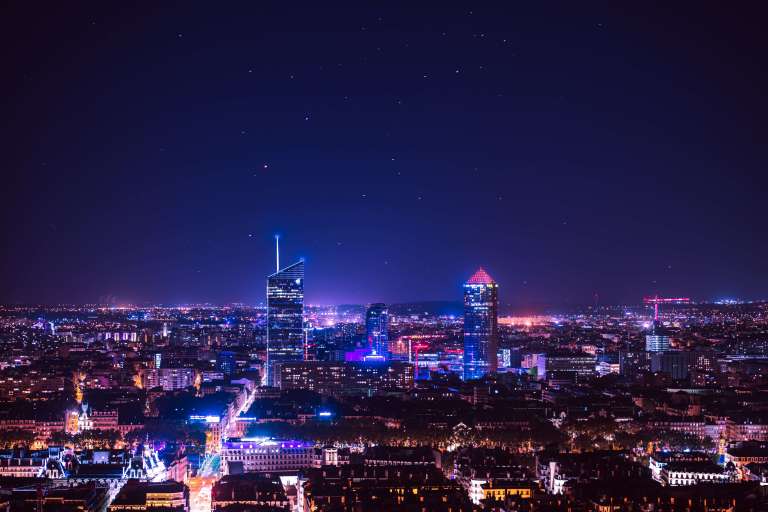
Life in Lyon, mostly pros and some cons

My Honest Experience After Three Years

Lyon was the city where I became an adult.

I moved there to study at university and stayed for three years. During those three years, I learned how to live on my own, manage money, make mistakes and figure out what kind of life I wanted.

Would I move back?

Probably not.

Would I recommend it?

Absolutely, to the right person.

Those two answers aren’t contradictory.

I’ve lived in several countries and cities since then, so I naturally compare Lyon with many other places. Looking back, I appreciate it much more today than I did while I was actually living there.

It’s not my favorite city in France.

It never felt like home.

But that’s okay.

Some cities aren’t meant to be your final destination. They’re meant to prepare you for whatever comes next.

Lyon did exactly that.

If you’re thinking about moving there, studying there or you’re simply curious about what everyday life is like, here’s my honest experience, the good, the bad and everything in between.

Big enough to keep you busy, small enough to breathe

One of the first things I appreciated about Lyon was its size.

It’s a proper city.

You’ll find concerts, museums, football matches, festivals, universities and pretty much everything you’d expect from one of France’s biggest urban areas.

Yet it never felt overwhelming.

I’ve spent time in cities where leaving the house already feels exhausting. Too many people. Too much traffic. Too much noise.

Lyon never gave me that feeling.

You can cross the city without turning it into an expedition. After a while, you start recognizing neighborhoods instead of feeling lost in them.

I think Lyon found a balance that many cities never do.

It’s large enough that you’ll rarely run out of things to do.

It’s small enough that everyday life still feels manageable.

Public transportation is one of Lyon’s biggest strengths

I’ve always believed that a good city is one where you don’t need to think about transportation.

Lyon is one of those cities.

The metro works.

The trams work.

The buses work.

The funicular still feels fun no matter how many times you take it.

Most days, I simply left my apartment and went wherever I needed without thinking twice about how I’d get there.

That’s probably the highest compliment I can give any transportation system.

I’ve lived in places where owning a car felt almost mandatory.

Lyon wasn’t one of them.

Even today, if someone asked me which French city impressed me most when it comes to public transportation, Lyon would easily make my shortlist.

Its location is almost unfair

If I had to choose Lyon’s biggest advantage, this would probably be it.

You’re close to almost everything.

The Alps.

Switzerland.

Italy.

Southern France.

Paris.

Whether you enjoy hiking, skiing or simply taking weekend trips, Lyon makes it ridiculously easy.

Some of my favorite memories from those three years weren’t actually in Lyon.

They were outside it.

I spent weekends hiking around Grenoble, exploring Annecy, discovering Aix-les-Bains and getting lost in places I’d never heard of before moving there.

Annecy quickly became one of my favorite places in France.

If you’ve never been, put it on your list.

Seriously.

Living in Lyon made all those trips possible.

Instead of spending every weekend in the same city, I could keep discovering somewhere new.

That suited me perfectly.

I’ve never been someone who enjoys staying in one place for too long.

Student life

Lyon has a reputation for being one of France’s best student cities.

From what I saw, it deserves it.

The universities attract students from all over France and abroad. There are always events happening, cafés full of students and plenty of nightlife if that’s your thing.

It wasn’t really mine.

I’ve never been much of a drinker.

While many of my classmates spent Thursday nights in bars, I was usually somewhere else.

Watching football.

Learning about investing.

Trying to earn money.

Or simply enjoying a quiet evening.

I had just left home, and my priorities were different.

I wanted to become independent.

I wanted to stop relying on my parents as quickly as possible.

So my experience of Lyon probably wasn’t the typical student experience.

That doesn’t mean the city lacked nightlife.

Quite the opposite.

It simply means I chose a different path.

And looking back, I wouldn’t change it.

The People

If there’s one thing I never fully connected with in Lyon, it was the people.

Before anyone gets offended, let me explain.

I’d lived in several countries across four continents by then (6 by now). Every place has its own personality, and every person experiences it differently. This is simply how I felt during my three years there.

Compared with other places I’d lived, people in Lyon often seemed more reserved. Conversations didn’t happen as naturally. Making friends took time.

That doesn’t mean people were cold.

In fact, once you got to know them, many were kind, loyal and welcoming.

The first step just felt a little harder.

Ironically, some of the friendliest interactions I had weren’t in the neighborhoods people usually recommend.

The neighborhoods everyone warned me about

Whenever Vénissieux or Les Minguettes came up, people usually had something negative to say.

Crime.

Poverty.

Avoid them.

That was the reputation.

Then I actually went there.

What I found were families doing their shopping, kids playing outside, neighbors talking to one another and people simply living their lives.

Were there problems?

Of course.

No one should pretend those neighborhoods don’t face real social and economic challenges.

But reducing entire communities to their crime statistics never sat right with me.

Those visits reminded me of something I’ve experienced in many countries.

Places are rarely as simple as their reputation.

Some of the wealthiest neighborhoods I’ve visited felt emotionally empty.

Some of the poorest felt surprisingly alive.

Lyon reinforced that lesson.

The city where I stopped eating meat

Most people associate Lyon with food.

It’s often called the gastronomic capital of France.

Ironically, it’s also where I stopped eating meat.

When I arrived in Lyon, I was still omnivorous. That said, I never really enjoyed meat.

I mostly ate it because everyone around me did.

Then I started having recurring digestive problems.

One day I simply thought:

Enough. Not because I knew it was the issue, simply because I stopped liking it.

To my surprise, many of my digestive problems disappeared.

At the time, I became pescatarian.

Years later, that decision eventually led me to veganism, but that’s another story for another day.

So whenever someone asks me about Lyon’s famous cuisine, I smile a little.

Most people remember Lyon because they discovered French food.

I remember it because I discovered I didn’t want to eat red meat anymore.

Funny how life works.

Cost of living

Lyon isn’t cheap.

Then again, compared with Paris, it almost feels affordable.

Housing was my biggest expense, just like it is for most people.

Finding an apartment wasn’t always easy either.

French administration loves paperwork.

Sometimes it feels like you need paperwork to prove you have paperwork.

If you’re moving from abroad, be prepared.

You’ll probably hear words like garant, dossier and justificatif more often than you’d like.

Once I got through all of that, everyday life became much easier.

Public transportation kept transportation costs low.

Walking was often faster than driving.

And because I wasn’t someone who spent every weekend partying, my student budget stretched surprisingly well.

My favorite places

Even years later, certain places immediately come back to me.

Fourvière

If you only visit one place in Lyon, make it Fourvière.

The basilica dominates the city, but honestly, I remember the view just as much as the building itself.

Standing up there, Lyon suddenly makes sense.

You can see how the city grew around the Rhône and the Saône.

It’s one of those places where you naturally slow down for a few minutes.

Vieux Lyon

Yes, it’s touristy.

Yes, you should still go.

I never got tired of wandering through its narrow streets.

Sometimes I’d intentionally take a different route just to see where I’d end up.

That’s usually the best way to explore old cities.

Parc de la Tête d’Or

I’ve always believed every city needs somewhere people can simply exist without spending money.

Parc de la Tête d’Or is that place.

You can walk.

Read.

Exercise.

Sit under a tree.

Or do absolutely nothing.

Cities need spaces like that.

Probably more than shopping malls.

Along the rivers

The Rhône and the Saône quietly became part of my routine.

Sometimes I’d walk for no particular reason.

Sometimes I’d stop and watch people cycling past.

Other times I’d just sit there.

Not every memorable place has to be spectacular.

Sometimes it’s enough that it makes you slow down.

Football

Anyone who knows me knew this section was coming.

Olympique Lyonnais was impossible to ignore while living there.

Watching matches at Gerland became part of my time in Lyon, I truly loved it.

Football has a way of connecting you to a city, even when you know you won’t stay forever.

What I didn’t love

As much as I appreciate Lyon today, I never felt a strong desire to stay.

Part of that had nothing to do with the city itself.

Even in my early twenties, I knew I wanted to keep exploring the world. Lyon was never meant to be my final destination. It was simply the next chapter.

The weather didn’t always help either.

If you enjoy long, sunny summers and mild winters, Lyon might disappoint you. Winters often felt gray, and snowy, and after a while I found myself craving the ocean.

That’s one of the reasons I eventually fell in love with southwest France.

I also never developed the emotional connection I later felt with other places.

Some cities grab you almost immediately.

Lyon never did that for me.

It earned my respect long before it earned my affection.

Looking back, those are two very different things.

Would I move back?

Probably not.

Not because there’s anything wrong with Lyon.

Simply because today I know what I’m looking for.

I need nature close by.

I prefer smaller cities.

I love being able to reach the ocean within minutes.

I enjoy quieter places where life feels a little slower.

Lyon doesn’t pretend to be that city, and I wouldn’t ask it to be.

That doesn’t make it worse.

It just makes it different.

So, who is Lyon actually for?

If you’re a student, I think Lyon is one of the best choices in France.

If you enjoy public transportation, you’ll probably love it.

If you like having concerts, museums, football matches and weekend trips all within easy reach, Lyon has a lot to offer.

If you enjoy hiking or skiing, its location alone is almost enough to convince you.

If you’re looking for your first experience living away from home, it’s a city where it’s relatively easy to become independent.

On the other hand, if your dream is living beside the sea, spending every weekend at the beach or escaping into nature within a few minutes, there are probably better places.

And if warm weather is essential to your happiness, Lyon’s winters may eventually wear you down.

Three years that changed me

When I moved to Lyon, I thought I was moving there to get a degree.

Looking back, I learned much more than what happened inside a classroom.

It’s where I learned how to live alone.

It’s where I started managing my own money.

It’s where I stopped eating meat after years of digestive problems and eventually began the journey that would later lead me to veganism.

It’s where I realized I cared more about freedom than status.

More about experiences than possessions.

More about discovering the world than settling in one place.

Lyon didn’t turn me into the person I am today.

But it helped shape that person.

For that, I’ll always be grateful.

Verdict

Would I recommend Lyon?

Yes.

Without hesitation.

Not because I think it’s the greatest city in France.

Not because it’s perfect.

No city is.

I’d recommend it because it’s a city that works.

It offers opportunities without the intensity of Paris.

It has excellent public transportation.

It’s beautiful without feeling like an open-air museum.

It’s surrounded by incredible places to discover.

And if you’re willing to make the effort, you can build a very good life there.

Would I choose to live there again?

No.

My life has taken me in a different direction.

But every time I think about Lyon, I remember the city where I became independent, where I challenged old habits, where I grew up, and where I quietly started building the life I live today.

Some cities become your home.

Others become part of your story.
For me, Lyon will always be the latter.

Thanks for reading.

Teekay

Update (2026): I lived in Lyon over a decade ago. While things like housing prices, bike infrastructure and vegan options have evolved since then, this article remains an honest account of what it was like to live there and the lessons I took away from those three years.

WATCH: Great movies that explore black excellence, systemic racism and social (in)justice

Compiled is a list of more than 50 GREAT movies about black excellence, social injustice, black struggle and systemic racism.

Most movies on this list are based on real events, some are fictional.

  • Marshall – Chadwick Boseman, 2017 (based on a true story)
  • Green book – Mahershala Ali, 2018 (based on a true story)
  • Just mercy – Michael B. Jordan, Jamie Foxx, 2019 (based on a true story)
  • Race (Jesse Owens) – Stephan James, 2015 (based on a true story)
  • BlacKkKlansman – John David Washington, 2018 (based on a true story)
  • Selma – David Oyelowo, 2014 (based on a true story)
  • One night in Miami – Leslie Odom Jr., 2020
  • Fresh – Sean Nelson, Samuel L. Jackson, 1994
  • Get on up – Chadwick Boseman, 2014 (based on a true story)
  • Ray – Jamie Foxx, 2004 (based on a true story)
  • The banker – Anthony Mackie, Samuel L. Jackson, 2019 (based on a true story)
  • American gangster – Denzel Washington, 2007
  • 42 (Jackie Robinson) – Chadwich Boseman, 2013 (based on a true story)
  • Malcolm X – Denzel Washington, 1992 (based on a true story)
  • Ali – Will Smith, 2001 (based on a true story)
  • From the rough – Taraji P. Henson, 2013 (based on a true story)
  • Harriet – Cynthia Erivo, 2019 (based on a true story)
  • Coach carter – Samuel L. Jackson, 2005 (based on a true story)
  • Juice – Tupac, 1992 (based on a true story)
  • Menace II Society – Tyrin Turner, 1993 (a true-to-life portrayal of the streets in South Central Los Angeles)
  • Mudbound – Jason Mitchell, 2017 (Inspired from real-life experiences)
  • Remember the Titans – Denzel Washington, 2000 (based on a true story)
  • The express (Ernie Davis) – Rob Brown, 2008 (based on a true story)
  • Freedom writers – Hilary Swank, April Lee Hernández (based on a true story)
  • The great debaters – Denzel Washington, 2007 (based on a true story)
  • The butler – Oprah Winfrey, Forest Whitaker, 2013 (based on a true story)
  • McFarland, USA – Kevin Costner, 2015 (based on a true story)
  • Boyz N’ the hood – Cuba Gooding Jr., Ice Cube, 1991 (Inspired from real-life experiences of the director, John Singleton)
  • Mississippi burning – Willem Dafoe, 1988 (based on a true story)
  • Concussion – Will Smith, 2015 (based on a true story)
  • Fruitvale station – Michael B. Jordan, 2013 (based on a true story)
  • Hidden Figures – Taraji P. Henson, 2016 (inspired by a real-life incident)
  • Do the right thing – Spike Lee, 1989 (inspired by a real-life incident)
  • The blind side – Sandra Bullock, 2009 (inspired by a real-life incident)
  • Poetic justice – Tupac, Janet Jackson, 1993
  • Dope – Shameik Moore, Zoë Kravitz, 2015
  • Sorry to bother you – Lakeith Stanfield, 2018
  • Driving Miss Daisy – Morgan Freeman, 1989
  • Lean on me – Morgan Freeman, 1989
  • Loving – Joel Edgerton, 2016
  • Fences – Viola Davis, Denzel Washington, 2016
  • Roman J israel Esq. – Denzel Washington, 2017
  • The harder they fall – Zazie Beetz, Idris Elba, Jonathan Majors, Regina King, 2021
  • 12 years a slave
  • Dear white people
  • The help
  • American history X
  • Get out
  • Black panther
  • Django
  • Queen and Slim
  • Barbershop
  • Friday
  • If Beale street could talk
  • The hate you give

How minimalism and slow-living can enhance your happiness

Yo, another article about minimalism ?

Well, not exactly. Instead of going at this in a classic post, Imma try a different way: bullet points.

EVERYONE’s got time to read bullet points !

So, here’s a breakdown of my philosophy:

On a practical level,

  • Less stuff usually means
  • Less money spent, which also means
  • Less time spent shopping, which in turn means
  • Less need for MORE money.

Less stuff also means

  • Less time looking for stuff (phone, wallet, keys..), which leads to less decision fatigue. It also means
  • Less time spent on maintenance and cleaning (Floor, closet, doing laundry, washing piled up dishes and utensils)

Owning less stuff quickly translates into more fulfillment and appreciation:

  • You start enjoying what you have a lot more (less choice = more appreciation for what we have, ask your grandparents), it also means
  • More space, because your home now feels more spacious, cleaner, comfortable..notice how the best spas, hotels, yoga farms all have one thing in common: a minimalistic look and feel? It’s no coincidence, clutter wears us out.

Having less stuff also means

  • You now can be more lazy, since there’s nothing to clean up, declutter or “take care of”.

Furthermore,

  • The stuff that surrounds us is often a distraction to our peace. Achieving inner peace starts with decluttering the spaces we spend most time in. Get rid of all the junk sitting around and you’ll literally feel like a weight has been lifted off your shoulders.

On a personal level, owning less translates into:

  • Seeking less validation from others. When you stop filling voids with stuff and addressing your problems and insecurities, outside validation stops making sense and becomes irrelevant. 
  • The less you own, the less you’ll feel the need to compare yourself to others.
  • The less you compare yourself to others, the less you care what others think of you.
  • The less you care what others think of you, the less you need to boast.

Besides,

  • The less you own, the more time you have to pay attention to your loved ones and their wellbeing. Caring for other is important as it helps us find balance and steer clear of narcissism and self-absorption.
  • Owning less also means you can focus on more. Now that you have more time off, you can start conquering new grounds, getting out of your comfort zone and experiencing new things.

On a practical level, owning less and shopping less will leave you with:

  • More free time to do whatever you want and
  • Your home is now almost always ready to receive guests !

On an ethical and moral levels,

  • The less stuff you consume, the less exploitation and waste, which is great for the environment
  • Extra points if you love thrifting and vintage clothing !

Last but not least, on a neurological level,

  • Less stuff, decluttered and organized spaces boost creativity and productivity 
  • Owning less also increases mental clarity, hence my podcast btw (shameless plug)

All in all, marketing (and most importantly neuromarketing) and advertising are two extremely powerful tools, tools that can make ANYONE act irrationally.

Been there, done that !

The yearning for validation, acceptance and gratification is addictive and can easily degrade your mental health, your financial situation and your overall wellbeing.

Slow Living and minimalism, aka eco-essentialism, will save you from overt consumerism and all its rather evident pitfalls.

What to get a minimalist on a special occasion ? 

Gift-giving used to be fun.

Used to.

Gifts became customary as an expression of friendship, neighbourliness and peace between nations. It used to be a meaningful exchange of somewhat useful stuff.

Things’ve changed though.

Gift-giving quickly became something many of us dread. Even more so if you’re a mindful-eco-essentialist, aka a minimalist

When I first became a minimalist, I became so much more aware of all the things I was buying.

I refrained from buying so many things that used to feel “essential” but weren’t at all.

As I eased into this lifestyle, I learned how to make minimalism my own.

As time went buy, being a mindful consumer became second nature. Buying stuff wasn’t part of who I was anymore, quite the opposite actually.

Just like veganism, most people think minimalists deprive themselves from the things they once loved. 

WRONG. 

We just refocused our attention and energy on the things that truly matter, things that bring us happiness and FULFILLMENT. 

Consumerism is an addiction, a way we all use to fill the void in us. 

As a minimalist (or mindful-eco-essentialist), I don’t need to fill that void with stuff anymore, cause it ain’t there. 

Instead of packing my life up with shit, I now deal with my problems at face value. 

Grown up shit. 

Anyway, so as I eased into minimalism, I stopped feeling the need for excessive shopping, excessive eating, excess in everything. 

My minimalism soon turned into mindful consumerism, and then into mindful-eco-essentialism.

I still call it minimalism, but like I said in this post, the current terminology doesn’t do this exceptional movement and lifestyle justice. 

Anyway, back to the main topic. Here’s a list of gift ideas for your minimalist friends:

  1. Minimalists (myself at least) love experiencing new things and adventures. Take your minimalist friends and/or loved ones somewhere they’ve always wanted to go. It could be a trampoline park, a museum, a hike, an amusement park, whatever. Minimalists collect memories so this would defo make their day(s)
  2. Get them tickets to an expo, museum, spa. Entertaining a minimalist ain’t that hard, just do your research
  3. Food. Everybody loves food, so find what the giftee’s food preferences are and surprise them with their favorite snacks/dish/cakes/fruits
  4. Plane/train/boat tickets. We all love going places so if you’re about that life, a plane ticket could go a long way 
  5. Money. The safest choice of them all. We can all do with a bit of extra cash
  6. A replacement for something they’ve been complaining about. It could be a pair of socks, an ergonomic beanbag, a set of AirPods, a leakproof travel tumbler (or lay-flat water bottle), it all depends on your means and what said person truly needs
  7. Plants. I’d swap all my stuff with plants if I could. Plants add life to a room, they’re like cute, SILENT and barf-free little babies. Plants are awesome dawg !
  8. Printed photos of your adventures together. In the age of digital, some minimalists love being analog. Classic prints are awesome
  9. I love lectures and conferences, so if anyone were to get me free tickets to a lecture about a topic I care about, I’d be over the moon !
  10. Gas gift cards: gas is so expensive nowadays so if your minimalist friend owns a car, you know what to do !
  11. A handwritten note. The best gift I ever got from the wifey was a handwritten note expressing her love towards me. Works for friends too
  12. And on that same note (pun unintended), postcards. Extra points in you live abroad 🤩

Last but not least, do not, and I repeat, DO NOT UNDER ANY CIRCUMSTANCES gift a minimalist clothes, utensils, shoes, trinkets, decorations or ANYTHING they haven’t asked for. 

We hate stuff, really, we hate stuff more than anything. 

WATCH: 18 Documentaries That Will Change the Way You Eat (with trailers)

Updated on December 31st 2022

This may come as a surprise to some, but prior to going vegan, I’d only met ONE vegan person in my entire life.

I was 25 years old when I went vegan.

The one thing that’s helped me (and many other vegans) learn about this lifestyle is documentary film.

Veganism was so underground back in the day. Before the Internet and Social Media, access to untampered data was quite a task.

People weren’t catered to, unlike what we’re seeing today.

So therein lies the importance of filmmakers and content creators, who are, IMHO, the real game changers.

I went vegan thanks to the first vegan documentary film I’ve ever seen. Cowspiracy was IT for me!

Thank you, Kip Andersen ! You’ve literally changed my life.

Below is a list of 15 eye-opening documentaries exposing the harms (and war) of animal agriculture, meat, dairy and fishing industries on the animal kingdom, on our health, culture and planet as a whole.

Let’s dive right in.

Dominion.

Probably the best one of all, Dominion shows the many ways in which animals are regularly abused. It thoroughly exposes the dark underbelly of modern animal agriculture through drones, hidden & handheld cameras. Available on Youtube.

Cowspiracy.

My personal favorite, along with next two on this list. Available on Netflix.

Seaspiracy.

Seaspiracy is the groundbreaking documentary which seeks to expose the fishing industries impact on the world’s oceans and overall environment. It tackles forced labor and animal rights in a never-before seen manner. A must watch ! Available on Netflix.

What The Health.

This film examines the link between diet and disease, and the billions of dollars at stake in the healthcare, pharmaceutical and food industries. Another must watch especially if you’re a health geek like me. Available on Netflix.

Forks Over Knives.

Forks Over Knives empowers people to live healthier lives by changing the way the world understands nutrition. Another masterpiece for health-conscious geeks. Available on Prime.

The Game Changers.

A documentary about plant-based eating, protein, and strength. Presented by James Cameron, Arnold Schwarzenegger, Jackie Chan and many more. Available on Netflix.

Eating Our Way to Extinction.

A cinematic feature documentary, narrated by Kate Winslet (2021). A masterpiece.

Milked.

A feature documentary that exposes the whitewash of New Zealand’s multi-billion-dollar dairy industry.

Kiss The Ground.

Narrated and featuring Woody Harrelson (I love that guy!), Kiss the Ground is an inspiring and groundbreaking film that reveals the first viable solution to our climate crisis. Available on Youtube.

Earthlings.

An animal rights documentary by activist and Oscar-winning actor Joaquin Phoenix.

Plantpure Nation.

A documentary that highlights the importance of a plant-based diet for a health life and longevity.

Eating You Alive.

A documentary about curing chronic disease with a whole food plant based diet. Features James Cameron.

The Milk System.

This documentary sheds light on one of the filthiest industries and the harms of dairy on our health.

Land of Hope and Glory.

A documentary that features never before seen undercover footage of what goes on behind closed doors, by Earthling Ed.

HOGWOOD: a modern horror story.

“Through careful marketing and misleading labels, we are led to believe that farmed animals are well cared for and that eating meat is natural, normal and necessary. It’s time to uncover the truth.”

Vegan 2022 – The film (full).

Meat The End (full).

Land of Hope and Glory.
Bonus: Rotten. (Netflix Series)

A series that exposes what goes on behind the scenes to cater to our selfish culinary needs. Absolutely worthwhile.

Are you vegan? Have you ever considered going vegan? Do you understand what veganism is all about?

Drop me a line below, I’d be more than happy to help you transition and answer all your questions as best I can.

This is a judgment-free zone, allow yourself to learn and grow.