Minimalism Across Cultures and Religions

Simplicity unites.

Minimalism didn’t begin with Netflix documentaries, Scandinavian furniture or YouTube creators.

Humanity has been rediscovering the same idea for thousands of years.

I’ve noticed a genuine interest from my readers in the “HOWs” of minimalism, but how about the “WHYs” and the “WHEREs” ?

Well, that’s what we’re here for today. What you’re about to read will bring things full circle.

After reading and writing about minimalism for 5+ years, I realized that this philosophy is nothing new. In fact, throughout history, most cultures and religions have emphasized the importance of living a simple and minimalist life.

  • Minimalism in ancient European Civilizations

In ancient Greece, Socrates famously espoused the idea that “the secret of happiness is not found in seeking more, but in developing the capacity to enjoy less.

Socrates believed that living a simple life was key to achieving contentment and stressed the importance of focusing on the essentials. His philosophy also focused on avoiding excess and materialism.

Similarly, in ancient Rome, Seneca wrote extensively about the virtues of minimalism.

In fact, Seneca believed that focusing on the basics and refraining from excess granted human beings a sure sense of inner peace and tranquility, and he couldn’t be more right.

Not only that, Seneca also emphasized the importance of mindfulness, advocating for individuals to live in the present moment and appreciate the simple pleasures in life.

  • Minimalism in Eastern religions

The concept of minimalism is central to many teachings in Buddhism and Hinduism.

In fact, Buddhism teaches that “desire is the root of all suffering” and that inner peace can only be achieved by letting go of our attachment to material possessions.

Indeed, the Buddha himself renounced his belongings and lived as a monk, teaching his followers to let go of desires and attachments in order to achieve enlightenment.

The Buddhist practice of meditation is the perfect illustration of that. While Seneca didn’t insist on one particular practice to promote mindfulness and presence, his ideas perfectly match Buddhist philosophy on this point.

Similarly, in Hinduism, the concept of “Sannyasa” or “renunciation”, is a central theme.

Sannyasa involves renouncing material possessions and living simply and in pursuit of spiritual enlightenment.

But Sannyasa isn’t the only Hindu concept that highlights a certain form of minimalism.

“Aparigraha” or “non-possessiveness” also points up the importance of avoiding excess and materialism in favor of simplicity and contentment, which ultimately shows that minimalism is nothing new, and that it took center stage in century long beliefs and religious practices in the East as much as in the West.

  • Minimalism in Monotheistic religions

In Judaism, the concept of “Tzedakah” or charity, is an essential part of the religion.

Tzedakah involves giving to those in need and promoting social justice.

By giving to others, we learn to reduce our attachment to stuff. Not only that, giving means we learn to prioritize the needs of others over our own desires.

The world needs more of this practice.

How about in Christianity?

Well, one of Jesus’ (AS) most famous teachings says “it is easier for a camel to go through the eye of a needle than for someone who is rich to enter the kingdom of God.”

This idea highlights the importance of avoiding excess and materialism, and promotes selflessness and spiritual values.

Last but certainly not least, Islam.

Prophet Muhammad (PBUH) lived a humble and simple life. He owned the bare minimum, despite his influence, status and the wealth of his wife hazrat Khadija (RA).

Many of Prophet Muhammad’s (PUBH) teachings revolved around the above-mentioned values of charity, avoiding excess and emphasizing spiritual and ethical values over material possessions.

Case in point, the Islamic concept of “Zakat” involves giving a fixed and predetermined percentage of one’s wealth (once a year) to the less fortunate, promoting empathy and compassion for others.

The universality of minimalism is evident in its presence across different cultures and regions worldwide, and there’s more !

  • Minimalism in ancient South American culture

Often forgotten when talking about minimalism and anti-consumerism, South American cultures and civilizations had some equally impressive values to the ones mentioned above.

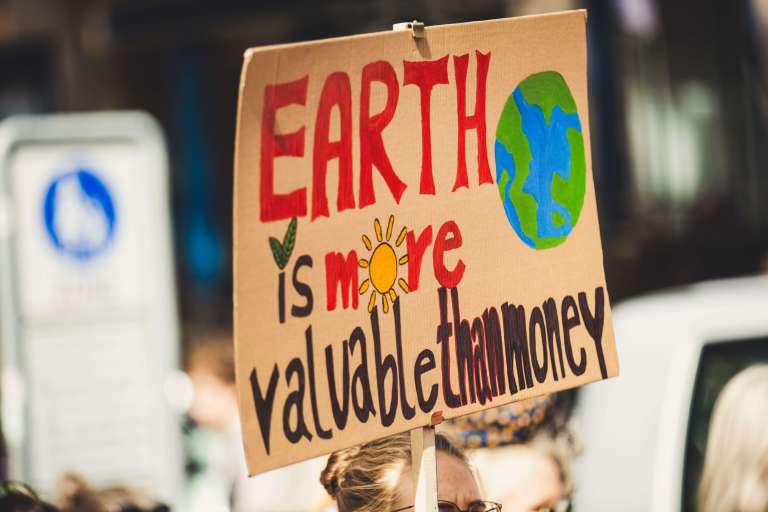
“When the rivers are all dried up, and the trees cut down, man will then realise that he will not be able to eat money.” Native American proverb

For instance, if you look at the Inca civilization (present-day Peru, 13th to 16th century), living simply and in harmony with nature was paramount.

The Incas prioritized the concept of “Ayni,” which involved the reciprocal exchange of goods and services among members of the community, encouraging mutual aid and support.

Similarly, the Maya civilization (present-day Mexico and Central America, 2000 BC to the 16th century) practiced a simple and sustainable way of life as well.

The Maya were famous for their beliefs in the conservation of natural resources and living in harmony with the surrounding nature.

This was reflected in their agricultural practices, namely terrace farming and irrigation systems, which were brilliantly designed to maximize efficiency and minimize waste.

Quite the opposite of what we do today.

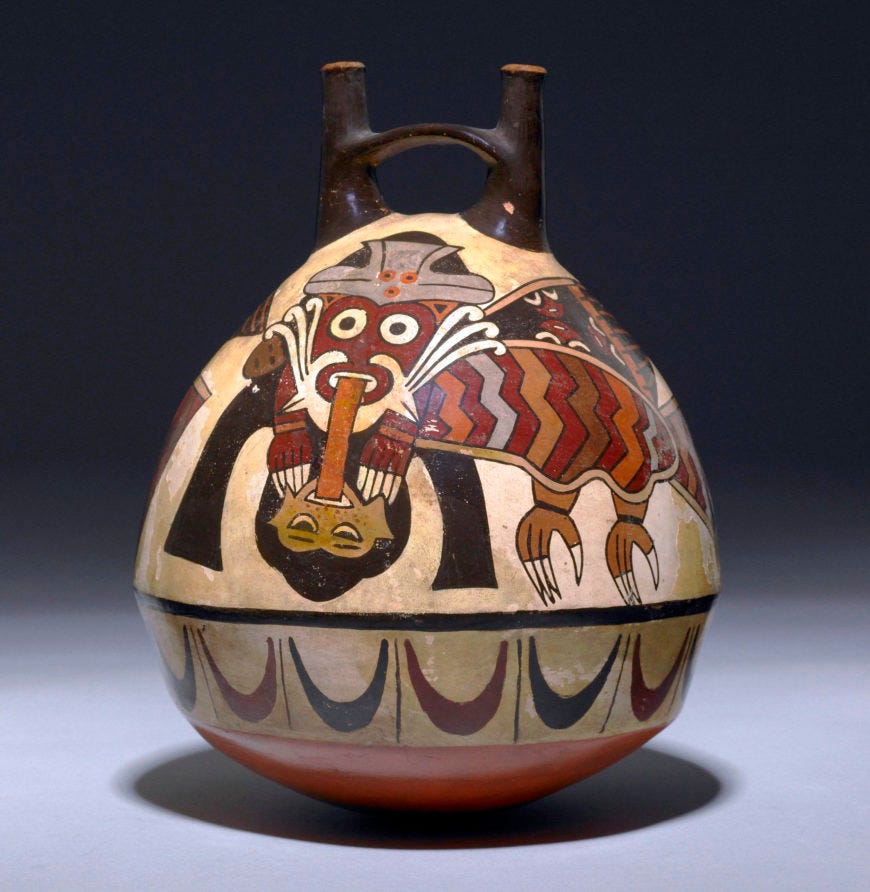
While the Incas and the Mayas are quite well-known, there’s another lesser-known civilization in the Nazca civilization.

Nazcas lived in a desert region (in modern day Peru) and relied on sustainable practices to survive.

For instance, they built underground aqueducts and water management systems to make sure they survived in their harsh environment.

The Nazcas also produced simple but elegant pottery, textiles, and other crafts, demonstrating their appreciation for the beauty in simplicity.

Nazca pottery by Teekay RM
Nazca, painted pottery (© Trustees of the British Museum)
  • Minimalism in ancient Asia

Last but not least, Asian ancient cultures also provide numerous examples of minimalism and simplicity being valued and practiced way back.

For instance, in ancient China, one of the oldest civilizations in the world, Taoism highlights the importance of living a simple and natural life, in harmony with the flow of the universe this time.

This is commonly known as the concept of “Wu Wei.”

“He who knows he has enough is rich.” Lao Tzu

But besides ancient China and India (through Buddhism and Hinduism), another gigantic civilization from the East has its own form of minimalism: Japan.

Indeed, the Japanese aesthetic of “wabi-sabi” is a great example of minimalism and simplicity.

Wabi-sabi celebrates the beauty of imperfection and transience, emphasizing the importance of finding joy and contentment in the simple things in life.

  • Final word

What has been will be again, what has been done will be done again; there is nothing new under the sun.

That’s what fascinates me most about minimalism.

Across continents, religions and civilizations, people repeatedly arrived at the same conclusion, that a meaningful life is rarely built on excess. Time and again, humanity discovered that simplicity, generosity and moderation lead to a greater sense of peace and contentment.

Minimalism isn’t a Western trend or a passing lifestyle. It’s one of humanity’s oldest ideas.

Perhaps that’s because our deepest needs have never really changed.

We all seek purpose, inner peace and a sense of belonging. Throughout history, countless people found that owning less often helped them appreciate more.

I hope minimalism helps you live a life that is not only simpler, but also more ethical, more intentional and more fulfilling.

Thanks for reading.

Teekay.

How Minimalism Changed the Way I Think About Money

Let’s talk about money.

One of the greatest gifts minimalism has given me isn’t a cleaner home or fewer possessions.

It’s financial freedom.

Before becoming a minimalist, spending money felt almost automatic. A new shirt here, a gadget there, dinner out because I didn’t feel like cooking. None of these purchases seemed significant on their own, but together they quietly shaped the way I lived. I worked to earn money, then spent that money almost as quickly as I made it.

Minimalism broke that cycle.

The less I wanted, the less I needed to earn. The less I needed to earn, the less I needed to work. And the less I worked, the more time I had to enjoy the things money can’t buy.

That’s when I realized that spending less isn’t about deprivation.

It’s about freedom.

Over the years, minimalism has completely transformed the way I approach money. These are some of the biggest lessons I’ve learned along the way.

It starts with knowing the difference between needs and wants

Minimalism constantly asks one simple question:

Do I actually need this?

It sounds obvious, yet most of us rarely stop to ask it.

Advertising has become remarkably good at convincing us that every inconvenience deserves a purchase and every desire deserves immediate satisfaction. Before long, our wants begin masquerading as needs.

Minimalism helped me separate the two.

The more I questioned my purchases, the fewer things I bought simply because everyone else was buying them.

Delay your purchases

One habit alone has probably saved me thousands of dollars, or euros.

I stopped buying things immediately.

Whenever I want something that isn’t essential, I wait.

Sometimes it’s a day.

Sometimes it’s a week.

More often than not, the excitement disappears before my money does.

Impulse buying feeds on urgency. Delaying gratification gives reason a chance to catch up.

Budgeting isn’t restrictive. It’s liberating.

A budget isn’t there to stop you from enjoying life.

It’s there to make sure your money goes toward the things you genuinely value.

Tracking my expenses helped me understand where my money was actually going rather than where I thought it was going.

The results were eye-opening.

Unused subscriptions.

Impulse purchases.

Convenience spending.

Small expenses repeated often enough to become surprisingly expensive.

Awareness came first.

Savings followed naturally.

Freedom is worth more than ownership

One of the biggest mindset shifts minimalism gave me was realizing that owning something isn’t always the most economical option.

If I can’t comfortably afford something today, I usually don’t buy it. I’ve never taken out a loan in my life, and I don’t intend to, ever.

That philosophy has helped me avoid unnecessary debt and the stress that often comes with it.

The same applies to transportation.

Cars offer convenience, but they also come with fuel, insurance, maintenance, repairs, parking fees and depreciation.

Whenever possible, I prefer walking, cycling or public transportation.

Not only do they save money, they often improve my health and reduce my environmental impact at the same time.

Sometimes owning less simply makes life easier.

Buy less, but buy better

Minimalism doesn’t mean refusing to spend money.

It means spending intentionally.

When I do buy something, I take my time.

I compare prices.

I look for secondhand alternatives.

I ask whether I already own something that serves the same purpose.

Many of my favorite possessions today weren’t new when I bought them.

Someone else no longer needed them.

I did.

Learn to enjoy inexpensive pleasures

One of the biggest surprises of becoming a minimalist was discovering how many enjoyable things cost almost nothing.

Walking through nature.

Borrowing books from the library.

Cooking meals at home.

Meeting friends for a picnic instead of an expensive restaurant.

Visiting free museums or community events.

Life became richer as my spending became smaller.

Ironically, many of the experiences I remember most were also the least expensive.

Cooking changed everything

For years, I relied heavily on restaurants and takeout.

It was convenient, but incredibly expensive.

Ironically, becoming vegan forced me to change.

Living in a city with very few vegan restaurants meant I had little choice but to learn how to cook.

Looking back, it was one of the best financial decisions I never intended to make.

Cooking at home dramatically reduced my food budget while giving me complete control over what I ate.

Sometimes what first feels like an inconvenience becomes an unexpected opportunity.

Your health is one of the best investments you’ll ever make

Saving money isn’t just about spending less.

It’s also about avoiding unnecessary future expenses.

Good food, regular exercise, adequate sleep and preventive healthcare often cost far less than treating preventable illnesses later.

As the saying goes, if you think good food is expensive, try illness.

Taking care of yourself today is one of the smartest financial decisions you can make.

Final thoughts

Minimalism didn’t make me wealthier because my income increased.

It made me wealthier because my definition of wealth changed.

I stopped measuring success by what I owned and started measuring it by the freedom I had.

The freedom to work less.

The freedom to spend intentionally.

The freedom to say no to purchases that added little value to my life.

Ironically, one of the oldest symbols of saving money reflects this same idea.

There are two popular theories explaining why we call them “piggy banks.” One traces the name back to pygg, an inexpensive orange-colored clay once used to make household jars that people stored coins in. The other comes from Germany, where pig-shaped money boxes became symbols of good fortune, fertility and frugality before spreading to other countries.

Whether the name comes from clay or pigs, the lesson is the same.

Saving money has always been less about the container and more about the habit.

Minimalism simply gave me a better reason to build that habit.

Thanks for reading.

Teekay.

PSA: Join Me on Medium, My Best Stories Are There !

I love Medium.

Langano in Ethiopia by Teekay Rezeau-Merah

My friend, there are over 100 stories waiting for you to explore on my Medium blog. What are you waiting for ?

Click HERE.

My work focuses on sharing stories regarding my experiences as a minimalist, my international travel escapades, guidance on living a purposeful life, and insights into the van life lifestyle.

For those of you wondering, I will definitely keep this blog up and will try to publish stories on here as often as I can.

Once again, here is a link to my Medium page: https://medium.com/@teekayrezeaumerah

Later !

Tee

30 Stories on Medium in 30 days

2023 is the year I decided to take writing seriously again.

Not just whenever inspiration strikes, but consistently.

My goal is simple: publish multiple stories every week until December 31st.

So far, I’ve published 31 stories, and February isn’t even over. I also have more than 120 drafts waiting in my notes, which gives me enough ideas to keep going for quite some time.

Why make this commitment publicly?

Because writing has always been one of the most meaningful ways for me to share ideas. Whether I’m writing about minimalism, van life, health, travel or the environment, I want my work to leave people with more than just another story. I want every article to offer a new perspective, ask a better question or encourage someone to rethink the way they live.

I’ve also made a conscious decision to focus on evergreen content.

The internet is full of articles built around today’s headlines and tomorrow’s forgotten trends. I’d rather write essays that someone can discover years from now and still find useful.

That’s the kind of work I want to create.

Some of these articles are inspired by my own experiences, but I never want them to stop there. My goal is to use those experiences to explore broader ideas about consumerism, intentional living, exploration, health and the choices we make every day.

This challenge isn’t about publishing as much as possible.

It’s about building a habit.

Writing consistently forces me to think more clearly, communicate better and continuously improve my craft. Whether one person reads an article or one thousand, every piece is another step toward becoming a better writer.

If you’d like to follow the journey, you can find my latest essays on Medium. I hope some of them make you see the world a little differently.

Thanks for reading.

Teekay.

Why your passions matter more than your job

Protect your passion.

Ask someone what they do and they’ll usually answer with their job.

Ask them what they’re passionate about and many struggle to answer.

Somewhere along the way, many of us began confusing what we do for a living with who we are. We spend years building careers, yet often neglect the hobbies, projects and ideas that make us unique.

Work is important. It pays the bills, provides stability and gives many people a sense of purpose.

But your passions shape a different part of your life.

They shape who you become.

You don’t find your passion. You protect it.

People often talk about “finding their passion” as if it’s hidden somewhere, waiting to be discovered.

I don’t think that’s how it works.

Most passions begin as simple curiosities.

A book that sparks your interest.

A camera you decide to pick up.

A language you start learning.

A notebook you begin filling with ideas.

The difference isn’t talent.

The difference is that some people keep making time for those interests long after the initial excitement fades.

Passions aren’t found.

They’re protected.

Creativity deserves a place in your life

For years, I’ve spent my free time writing, recording podcast episodes, building my van and exploring new places.

None of these projects began because they promised financial success.

I pursued them because I genuinely enjoyed them.

Ironically, the more time I invested in these creative pursuits, the more meaningful they became.

They taught me new skills, introduced me to incredible people and gave me experiences that no job ever could.

Looking back, I’m grateful I didn’t wait for permission or perfect conditions before starting.

Stop waiting for more time

One of the biggest mistakes we make is believing we’ll pursue our passions later.

When work becomes less demanding.

When we earn more money.

When life settles down.

The problem is that life rarely becomes less busy on its own.

If something matters to you, you have to make room for it now, even if it’s only thirty minutes a few evenings each week.

Small, consistent efforts are what turn interests into lifelong passions.

Keep learning

When was the last time you learned something completely new?

Not because your employer asked you to.

Not because it would look good on your résumé.

But simply because you were curious.

Learn a language.

Pick up an instrument.

Start writing.

Learn photography.

Build something with your hands.

Cook meals you’ve never made before.

The goal isn’t to become an expert.

The goal is to keep growing.

Curiosity is one of the greatest gifts we have, and it deserves to be nurtured throughout our lives.

Your job isn’t your identity

Most of us work.

Most of us care deeply about our families and our friends.

Those things matter.

But they’re also things millions of other people share.

What often makes someone memorable is what they choose to create, learn or contribute outside of work.

The novels they write.

The photographs they take.

The gardens they grow.

The businesses they build.

The music they compose.

The adventures they pursue.

Those are the things that reveal who we are.

Final thoughts

Your job may pay your bills, but your passions shape your life.

Protect them.

Make time for them.

Nurture them.

Years from now, you probably won’t remember every meeting you attended or every deadline you met.

But you’ll remember the things you created, the skills you learned and the moments when you allowed your curiosity to lead the way.

As Nelson Mandela once said:

“There is no passion to be found playing small, in settling for a life that is less than the one you are capable of living.”

Thanks for reading.

Teekay.

You Don’t Need to Trust the Media to See Climate Change

Global warming is here to stay.

Climate change has become one of the most polarizing topics of our time.

Depending on who you ask, it’s either the greatest challenge humanity has ever faced or a problem that’s been exaggerated beyond recognition. Politicians argue about it. Television debates it. Social media turns it into another battleground.

But what if we stepped away from all of that for a moment?

What if, instead of asking what politicians, journalists or commentators think, we simply looked around us?

Sometimes, reality speaks for itself.

Over the past few years, I’ve watched rivers shrink, forests burn and heatwaves become increasingly common in places where they once felt exceptional. Friends living in different parts of the world tell similar stories. Farmers talk about unpredictable seasons. Water restrictions have become more frequent. Wildfires have intensified across multiple continents.

You don’t have to agree with every headline to notice that something is changing.

You don’t have to trust every report to observe what’s happening around you.

Talk to older relatives.

Talk to people who work the land.

Talk to fishermen, hikers or anyone who spends significant time outdoors.

Ask them whether the seasons still feel the same as they did twenty or thirty years ago.

Whether you trust politicians, journalists or climate scientists isn’t actually the point I’m making.

Reality exists independently of who reports it.

Climate change doesn’t care whether we’re conservative or progressive, religious or secular, rich or poor.

The atmosphere doesn’t vote.

Nature doesn’t negotiate.

The real question isn’t whether the climate is changing.

It’s how we choose to respond.

For me, the answer has less to do with waiting for revolutionary technologies than with rethinking the way we live.

We consume far more than we need.

We replace products that still work.

We normalize waste.

We chase convenience even when it comes at a tremendous environmental cost.

Modern consumerism has taught us that happiness comes from buying more.

The planet is telling us otherwise.

That doesn’t mean giving up comfort or returning to life centuries ago.

It means consuming more intentionally.

Buying fewer but better things.

Repairing instead of replacing.

Walking when we can.

Using public transportation more often.

Supporting companies that take sustainability seriously.

Reducing food waste.

Sharing resources instead of duplicating them.

Holding companies like banks accountable.

Many of these habits don’t just reduce our environmental impact.

They also save money, reduce stress and improve our quality of life.

That’s one of the reasons I was drawn to minimalism in the first place.

The same choices that help us live with less clutter often happen to be the same choices that place less strain on the planet.

Perhaps that isn’t a coincidence.

Maybe we’ve spent so long looking for complicated solutions that we’ve overlooked the simple ones.

Throughout history, humanity has repeatedly adapted to new challenges.

This one is no different.

The question isn’t whether change is coming.

It’s whether we’re willing to change with it.

Thanks for reading.

Teekay.

Electric Cars VS Internal Combustion Engine cars: everything you need to know

I honestly couldn’t make my mind up on this one, so I had to do a quick dive to see what’s what.

Note: said quick dive took a whole month of research, but I don’t want to talk about it 🙄

Anyway, what I found was interesting, read on!

Before we go any further, keep in mind that I have nothing to gain from any of this, nor do I want to change your mind 🙂

It’s just food for thought.

Lingo:

ICE = Internal Combustion Engine (conventional cars)

EC = Electric Car

EV = Electric Vehicle

GHG = GreenHouse Gas

  • Intro

The first question I wondered about was financial cost, and the answer was unsurprisingly straight forward: ICE cars are way cheaper than ECs.

The second question I asked myself, quite obviously, was about environmental cost (or impact), ’cause money ain’t the sole reason we do what we do and consume what we consume.

Things like biodiversity, social justice, air quality, disease prevention and health are far more important than money, which makes this topic well worth the debate.

Here are 3 questions worth considering when discussing the environmental impact of car-making:

  • What are the emissions from production (materials and lining) for both types of vehicle ?
  • What are the GHG emissions to be expected from both types of vehicle ? 
  • What are the end of life/end of cycle GHG emissions for both types of vehicles ? 

Before we get any further, there was a study by Yale in 2019 that concluded that emissions for both types of cars are similar and very small to be worth looking further into.

They changed their stance in 2021 when they found that Electric Vehicles provide lower carbon emissions “through additional channels”.

Subsequently, Jarod Cory Kelly, principal energy systems analyst at Argonne National Lab, said making EVs generates more carbon than combustion engine cars, mainly due to the extraction and processing of minerals in EV batteries and the production of power cells.

  • Electric VS Internal Combustion Engine cars: emissions

A dozen studies show that conventional vehicle production emissions range between 2 to 17 metric tons of GHG (10 metric tons being the most common average I found)

They also show that a typical, medium-sized, conventional family car will create around 24 tons of CO2 during its life cycle.

The same studies indicate that average EC production emissions sit at around 10 metric tons per car as well, without the battery.

They also show that a typical EV will create around 18 tons of CO2 during its life cycle.

For EVs, 46% of their total carbon footprint is generated at the factory, before they’ve traveled a single mile.

For instance, and because of battery production, this whitepaper claims that we emit 15 to 70% more GHG to produce electric cars.

  • Battery size matters

Now, there’s also a huge difference when it comes to battery size: a Nissan leaf battery (and car) will only cause 15% more emissions to produce than a classic combustion engine (conventional car), whereas a Tesla battery could cost up to 70% more, according to Net Zero Watch.

  • In numbers

ICE cars produce 10 tons of CO2 to make, and emit 5.2 metric tons of CO2 per year (on the road).

ECs without the battery also produce 10 tons to make, but only emit 2.2 metric tons of CO2 per year.

Now, to make a 30 kWh lithium battery (Nissan Leaf), companies emit from 1 to 5 tons of CO2 into the atmosphere. To produce a 100 kWh (Tesla) battery, that number ranges between 6 and 17 tons of GHG.

If we base our reasoning on these numbers only, it takes roughly 2 years on the road before a small electric car starts producing less carbon than an ICE car.

If you change the battery in the meantime, you’re looking at around 3.2 years to offset your carbon emissions.

That only applies when talking about small ECs.

For a Tesla, however, you’re looking at roughly 5.53 years of driving before you break-even.

Note: estimates as to how big that carbon gap is when a car is first sold and where the “break-even” point comes can vary widely, depending on the assumptions, driving style, distances covered and the country in question.

For instance, if said electric car is being driven in a country like Norway, which generates almost all its electricity from renewable hydropower, the break-even point would come much sooner.

University of Liege researcher Damien Ernst said in 2019 that the typical EV would have to travel nearly 700,000 km before it emitted less CO2 than a comparable gasoline vehicle. He later revised his figures down.

Now, he estimates the break-even point could be between 67,000 km and 151,000 km.

  • Lithium, cobalt, nickel and aluminum

Lithium makes up for 5 to 7% of an EC battery, which isn’t as much as most people think.

Cobalt and nickel make up a bigger chunk, up to 20% for cobalt and up to 10% for nickel.

  • Lithium mining

One of the main problems with Lithium mining is that it’s a very water intensive process, which makes it environmentally consequential.

Lithium extraction uses a lot of water and is the cause for droughts in regions where it’s extracted.

For instance, Lithium mining used 65% of water supply of Salar de Atacama in Chile. Many studies confirmed these astronomical numbers.

“Lithium mining requires large volumes of groundwater to pump out brines from drilled wells. Mining activities in the Atacama are estimated to consume 65 percent of the area’s water, and they have in some cases contaminated streams and caused significant fall in groundwater”

More on that here.

The main difference between pollution caused by Lithium mining and CO2 pollution is that we, and our planet, can capture CO2 through forests, soils and oceans. The same can’t be said about the loss of water, a scarce element on earth.

FYI, the ocean is the planet’s largest carbon sink. It absorbs excess carbon dioxide from the atmosphere and stores it. “Approximately 40% of the carbon dioxide added to the atmosphere by fossil fuel burning since the dawn of the industrial era has been taken up by the ocean“, per Oceanographic Magazine.

Besides water consumption and pollution, evaporation and contamination, Lithium mining is also a cause for high GHG emissions, which comes as no surprise.

Large ECs with long range batteries (which you’d want in a car) could be responsible for up to 17 metric tons of CO2 emissions, so while governments may want to subsidize EC and EV manufacturers, I’m still unsure of the effectivity of this tactic for the environment.

Download this Fact Sheet (PDF) if you want to learn about Lithium, Lithium mining, regulations and laws.

  • How about cobalt mining?

The race for cobalt risks turning it from miracle metal to deadly chemical‘, per The Guardian.

Cobalt-producing nations like the Democratic Republic of the Congo, Zambia and Cuba are discovering that cobalt mining is trickier than they first thought.

Lung disease and heart failure have been linked to high levels of this element, while the mines that produce it are blamed for devastated landscapes, water pollution, contaminated crops and a loss of soil fertility.

Scientists are also investigating a possible link to cancer.

The environmental impact extends through the life-cycle of the product from refineries, battery plants, consumers goods manufacturers, electronic recycling facilities and waste dumps.

Among the most affected are workers at poorly-regulated mines, as always.

Concerns in the Congo, which produces more than 60% of the world’s cobalt and where the mineral is often mined in tandem with nickel, copper or silver, are rising when it comes to child mining and child labor.

For instance, Apple and Google were recently named in a US lawsuit over Congolese child cobalt mining deaths.

Obviously, ECs and EVs aren’t the only ones to blame, as most electronic devices use cobalt as well.

  • Nickel mining

Did you know that Nickel (Ni) is the most expensive material in EVs after Cobalt ?

Did you also know that Indonesia accounts for the largest supply of Nickel in the world ? As if Palm Oil wasn’t destructive enough for the island country.. (Indonesia counts for more than half of global palm oil supply btw)

Note: On April 22nd 2022, Indonesia announced plans to ban exports of Palm Oil (Yay!)

Back to the Nickel (no Nickelback jokes, please)

Reports by IDTechEx state that the demand for nickel from EV batteries is expected to increase ten-fold by 2030 compared to 2019.

One of the main problems surrounding nickel mining is that ores normally contain only a very small percentage of useful Ni, resulting in a large amount of waste material.

“Recently it has been announced that two nickel mining companies in Indonesia are planning to use deep-sea disposal for the raw material waste into the Coral Triangle as they ramp up operations,” the report states.

On the other side of the spectrum, back in 2017, the Philippines government suspended nearly half of its nickel mines citing environmental concerns.

So Nickel, like Cobalt and Lithium, is also highly destructive to the environment in ways that we can’t easily bypass, unlike CO2 emissions..

  • Recycling of batteries

The recycling of batteries is another issue, an important one, especially in the water scarcity debate.

In the EU, as few as 5% of lithium-ion batteries are recycled. This has an environmental cost.

Not only do the batteries carry a risk of giving off toxic gases if damaged, but core ingredients such as lithium and cobalt are finite and extraction can lead to water pollution and depletion, among other environmental consequences.

Francisco Carranza, former managing director at Nissan and current VP of sales and marketing at Automotive Cells Company, says the fundamental problem is that while the cost of fully recycling a battery is falling toward €1 per kilo, the value of the raw materials that can be reclaimed is only a third of that.

That said, Nissan, like many other car manufacturers, has partnered with power management firm Eaton for its car batteries to be re-used for home energy storage, rather than be recycled.

Perhaps there’s reason to be optimistic, after all.

For instance, the Johan Cruyff Arena, Ajax Amsterdam’s home field, is home to the equivalent of 148 used Nissan Leaf batteries, which found a second life in this stadium.

The JCA is one of the most sustainable spots in Europe. Solar panels, super-green energy storage and onsite vehicle-to-grid charging can all be found in this beautiful piece of engineering.

The arena is a prime example of sustainability at scale. It’s currently the largest energy storage bank in a commercial building in Europe.

  • Where do electric vehicles get their electricity ?

Let’s put all of this to the side and discuss something that’s equally as important as battery components: energy.

Where do EVs get their energy from ?

It turns out that many regions in the world are still getting their electricity from COAL-powered plants.

In fact, 23% of electricity comes from coal-fired plants in the United States alone. Studies estimate that number to be around 22.9 percent in Europe.

How much of Europe’s energy comes from fossil fuels?

For the structure of gross available energy in 2020, 68.4 % of all energy in the EU was produced from coal, crude oil and natural gas.

Not so green huh ?

  • The verdict ?

I don’t have one.

But one thing is for sure, I’ll definitely stick to my beautiful 2005 Corolla for now.

Besides, I will always prefer higher CO2 emissions to water pollution, leading to water shortages and scarcity. Child labor and the massive environmental impacts mentioned above are also reasons why EVs aren’t my thing, now more than ever. I don’t see them as a solution but just a massive greenwashing campaign to make us switch our old functional cars with newer, shinier and more expensive ones.

That said, by no means am I saying conventional cars don’t pollute. All I’m saying is, there’s no need to push for newer technologies just for the sake of newness. That’s the whole premise around consumerism, which is the core ideology of capitalism.

Our oceans, with around 38,000 gigatons of carbon, contain 16 times as much carbon as the terrestrial biosphere.

On the other hand, our CO2 emissions today sit at around 36.4 gigatons of CO2.

Our oceans are one of the most promising places to sequester carbon. They currently take up a third of the carbon emitted by human activity, roughly 2.9 billion metric tons each year, according to new estimates.

Now, let me ask you this: can you imagine how much CO2 we would intrap if our oceans were healthy ?

Imagine a world where industrial fishing is banned for good?

People often say that we need to “Save The Earth”. I personally don’t think the Earth needs saving, I think the Earth will be just fine without us. Instead, we need to save ourselves by abolishing all unnecessary exploitations.

The earth is a magical place, a gift that’ll keep on giving, but we need to start looking at things differently.

The solution to the current environmental crisis doesn’t necessarily lie in switching out ICE cars for EVs, not everywhere. We must reintroduce trains, rely on cleaner energy to run them, perhaps focus on industrial EVs, but not necessarily swtich from personal ICE cars to personal EVs.

We have to start looking at all industries, and go through them one by one.

The impacts of certain industries are often dismissed, it’s dangerous.

To save ourselves, we need to abolish unnecessary exploitations and consumerism. Simultaneously, we need to keep pushing research towards truly cleaner options.

Our beautiful planet can easily deal with GHG emissions, but it can hardly “regenerate” polluted water, water being the scarcest element on earth.

Last but not least, if you thought Russia controlling 5% of oil exports was a threat to global stability, wait until you find out who controls 90% of the critical rare earth elements needed for EVs and solar panels.

  • In sum

ICE Cars are here to stay and that’s okay, for now.

Perhaps newer technologies will come into place and replace the old ones, but let’s give credit where credit is due.

Cars are a blessing.

The demonization of ICE cars has risen sharply, it’s baffling and quite unwarranted. People who can’t afford EVs (or don’t want to switch) have been heavily criticized by mainstream media, so this piece is essentially here to establish some sort of balance.

It’s important to remember that cars, just like railroads, boats and airplanes have played a huge part in how humanity has developed in the past century.

Cars make our lives safer and more comfortable. They allow us to access places and resources that are viable and necessary to evolve as a species.

The debate around EVs vs ICE cars is a matter of choosing the lesser of two necessary evils, it’s sterile and borderline absurd.

As things stand economically, socially and historically, there is no clear winner. Besides, as I mentioned before, I reckon we’re barking at the wrong tree in the sustainability debate.

How about we tackle unnecessary industries like fast fashion, industrial fishing, factory farming, food retail first ?

Worth considering.

Watch this if you want to know more about the innovation of the engine.

  • Studies worth exploring: 

Yale: link 1

Reuters: link 2

The Wall Street journal: link 3

The NY Times: link 4

US Environmental Protection Agency: link 5

Cordis EU Research results: link 6

The age of Hip-Hop, from the streets to cultural dominance: A tribute

First of all, let me start by saying that hip-hop goes far beyond the musical aspect of the culture.

Actually, hip-hop IS culture, and culture always transcends music and the arts.

  • So, what is culture ?

Culture is the sum of all the universal elements that bring people together.

It’s when our individualities work together to bring about change and evolution.

  • What makes hip-hop a culture ?

Hip-hop embraces different artistic elements.

Overtime, it blended and transcended the artistic aspect of itself to become a means for seeing, celebrating, experiencing, understanding, confronting, and commenting on life and the world.

Hip-hop is also an emotion, a state of being and a frame of mind.

It’s the feeling you get from the MC, graffiti artist or DJ when they’re in their element.

It’s a long lasting feeling that lives within you, it’s ingrained in your thought process and your vision.

Hip-hop, in other words, is a way of living, a culture.

  • Where and when

The elements of hip-hop came together in the Bronx borough of New York City. It was the early 1970s and times were tougher than usual for the poorer parts of urban America.

From a whole lot of nothing and a whole lot of imagination, hip-hop was born.

  • Where did hip-hop get its name?

Hip-hop combines two slang terms:

The word “hip” has many plausible definitions and origins, none of which is actually official, so believe whichever one you prefer.

  1. Research and speculation by both amateur and professional etymologists suggest that “hip” is derived from an earlier form, “hep”. Many etymologists believe that the terms “hip”, “hep” and “hepcat” derive from the west African Wolof language word “hepicat”, which means “one who has his eyes open“.
  2. Hip” also means “in the know” or “aware” (which isn’t too far off the definition above) and has been a part of African American vernacular since the late nineteenth century.
  3. Hip” also means “very fashionable”.

Hop”, on the other hand, represents the hopping or leaping movement exhibited by hip-hop performers.

  • The difference between rap and hip-hop

Put simply, rap is a method of delivery, it’s the action of speaking rhythmically.

Hip-hop is the whole cultural movement behind rap (music).

Hip-hop entails business-savviness, marketing, money management, philanthropy, entrepreneurship, advertising, content, graffiti, DJing, fashion and design, not just “music”.

  • Artists that shaped my frame of mind

Like many people my age (90s kids), I grew up listening to hip-hop on the radio and cassette tapes.

From KRS-One to Big L, Mos Def, Jay-Z, Pun, Wu Tang, Snoop, Ice Cube and Pac, these artists shaped my mindset and outlook on life.

Later came the likes of Eminem, 50 Cent and Ye, just to name a few.

Many (if not all) hip-hop artists come from very humble beginnings.

However, despite starting at the very bottom and with virtually all the obstacles one could face in modern society, these craftsmen honed their skills and built empires through hard work, talent and focus.

Their determination and fighting spirit are beyond admirable and I’m glad I had them to look up to as a kid.

  • Hip-hop is my culture

You’ve probably heard me say this on my podcast, but I’mma say it again: hip-hop is my culture.

And I ain’t talking about the music. Hip-hop is a lifestyle.

It’s the way we talk, the way we walk, the attitude and the flavors.

It’s how people carry themselves, how Knowledge Reigns Supreme Over Nearly Everyone (KRS-ONE), the power of storytelling and communities as well.

  • Let’s go deeper, though 

People in the 90s used to say hip-hop (and MCing) was a fad. 

Growing up in a (somewhat) conservative, immigrant family, rap music was always looked down upon.

They labeled it “gibberish”, “noise”.

My old man (and most people his age) told me this a hundred times.

They didn’t get it then and many still don’t get it now.

So let me explain hip-hop culture, once and for all, as simply as I can.

  • Explaining hip-hop culture

The first thing you gotta understand is that this culture has many themes, the most common ones being knowledge, righteousness, struggle, empowerment, violence and drugs.

The best songs in hip-hop are about everyday life, struggles and change.

Hip-hop artists, whether we’re talking about musicians, DJs or graffiti artists, take cues from their lives to create art pieces.

Violence and drugs must’ve caught your attention, so let me enlighten you with an interesting fact about the progressive side of hip-hop (which mainstream media won’t tell you):

Did you know that break dancing gained popularity when Afrika Bambaataa’s Zulu Nation began using break dance battles as a substitute for gang-on-gang violence?

Note: I don’t like this dude one bit, but credit where credit is due.

Anyway, hip-hop artists have always tried to provide answers to society’s rampant problems.

They tried to change mindsets and make people visualize the change they wanted in their lives and the world.

I consider hip-hop artists to be teachers, mentors, change-makers.

Some of them used their platform to spread violence and bad behavior, but we can’t let a few bad apples spoil the bunch.

The likes of RZA (artist turned philosopher, vegan), KRS (teacher, activist), Mos Def (activist, actor), Talib Kweli and Jay-Z have done more for our culture than artists of all other genres combined.

They elevate communities and give them hope.

They paved the way for future generations, gave us the blueprint.

These legends are the reason for so much positive change and wealth in the black and latino communities, something easily dismissed by the media and folks who know very little about hip-hop culture.

Hip-hop ain’t about breakdancing, fashionable clothing and dope beats anymore. It’s about business, wealth building and minority empowerment.

Last but not least, hip-hop is one of the cornerstones for so much black wealth and minority entrepreneurs.

It is the foundation of several self-made moguls and multi-million dollar businesses in minority communities.

Ye, Jay-Z, Dre, Diddy, Eminem, Birdman, Akon, 50 Cent, Rick Ross and the late Nipsey Hussle fall directly into the those categories.

  • Global influence

Hip-hop is one of the few genres that you can hear everywhere you go.

Africa, South America, Asia, Europe..it’s global !

What makes hip-hop such a powerful phenomenon is the way it changed the way people dress, what they consume and the way they carry themselves in everyday life.

I look at hip-hop as a powerful tool for change, a global positive influence.

Hip-hop empowers and guides, which is the very essence of this culture. It also ignites conversations and exposes our modern society for what it really is.

Police brutality, social inequality, racism, discrimination, poverty and power are all common topics in hip-hop songs and among hip-hop heads.

Many hip-hop artists are activists themselves. They often come together during tough times to support new systems, empower communities and give back.

Hip-hop is an enlightenment for those seeking knowledge. It’s an enlightenment for people yearning for positive change.

Hip-hop ain’t “urban” culture anymore.

Hip-hop is culture, PERIODT.

Seeing the likes of DR, Snoop, Fif and Em on stage at the Super Bowl LVI brought things full circle.

It’s been a long fight but hip-hop is now undeniably one of the most important music genres in history.

What are the best survival tips every hiker must know ?

Below is a list of survival tips every hiker should know, inspired by (but not only) the movie Backcountry (great flick btw, thanks Bash)

First things first let me tell you this: when you’re out in the wild, worry about survival before you worry about comfort. Always.

Another basic tip and as a rule of thumb, never hike with a backpack that’s more than a third of your body weight.

Anyway, let’s get going:

  • Dos and don’ts in the wild
  1. Never leave your food uncovered in the wilderness
  2. Always have extra energy bars and food in your backpack. Also, eat in rations, you never know what might happen next
  3. When you decide to take a break or to call it a day, NEVER leave food in your tent
  4. Always keep a survival whistle on hand. Survival whistles help scare off wild animals and serve as a signal in emergencies. Mine came in handy when I hiked in Patagonia (Andean forest in Argentina)
  5. Always keep a survival knife on hand
  6. Always keep a candle in your backpack, it’ll help keep you warm in extreme weathers, especially if you ever get lost in the wild (check out this video if you don’t know what I’m hinting at). For this technique to work, you will need something like a poncho or a blanket
  7. Learn more about edible plants and roots just in case you run out of food
  8. Learn basic first aid skills to fix yourself or other hikers in case of an emergency
  9. Always make a mental map of where you are and where you’re headed. A great hiker always knows where the nearest plain is. Plains are safer than the woods. Also, if there’s a rescue heli looking for you, you’d want them to actually see you
  10. Always check the weather before you head out
  11. Make sure your clothing ALWAYS remains dry. I made this mistake twice, once in Sweden and once in France, and both times I thought I was never going to make it. Never again !
  12. When packing your gear, try to pack the heavier gear against your spine with the lightest items on top and equal weight on either side. Remember to pack your rain jacket last so that it is accessible if needed suddenly, and make sure all loose straps are secured and neat so they don’t catch on anything as you walk.
  13. Learn more about the wild animals in your area and how to deal in the event of an unexpected encounter (bears, wolves, boars, snakes, elk, moose, cows, goats)
  • Hiking and survival must-haves
  1. Backpack tips: Choose a backpack with a tubular design. A tubular design is easier to balance, and an unbalanced backpack will tire you out much sooner than you expect. Unbalanced packs also increase the risk of a twisted ankle or a fall. Always strap on because loose straps can be dangerous if they catch on rocks or branches. Make sure the weight doesn’t only sit on your back but rather on the side straps. Distribute as much weight to the straps as possible. With the weight on your straps, your shoulders should feel lighter and unburdened. A sternum strap is also a must when mountain hiking. It keeps the straps from falling off and tiring you out. 
  2. One sharp, full-tang, carbon-steel knife. This is your most important tool in a survival situation. Pick one that fits your hand comfortably, has a single piece of steel from tip to butt, with a blade about 12cm long. Carbon-steel blades are easiest to sharpen and the back of the blade will produce a spark when struck with a hard stone
  3. Consider stainless steel bottle for drinking and heating up water
  4. Make sure your headlamp is easily accessible
  5. A survival whistle is often forgotten but it could come in handy in several situations: to call for help, to scare off snakes and other animals, to signal your presence to other hikers
  6. Touch as little things as you possibly can while hiking. Smell is how animals track their prey
  7. Learn how to start a fire with an ember rock or a flint fire starter in case your matches get wet 
  8. Learn how to navigate a map with a compass
  9. Get a LifeStraw and/or purification drops 
  10. Always have a first aid kit on. Stuff it with bandage wraps, medication for pain, allergies, nausea, vomiting, diarrhoea, dehydration and hypoglycemia
  11. If it’s allowed in your whereabouts, get a smoke or fire signal, very useful in case of an unexpected encounter with a deadly animal
  12. Invest in GREAT hiking shoes. I didn’t say good, I said great. You’re going to spend at least 60% of your time in them so invest well
  13. Rain and wind are your worst enemy. Invest in a windbreaker/raincoat
  14. Invest in good, warm socks and thermal underwear 🧦
  15. A cooking set and/or gas stove is a must in the winter when everything is wet and cold
  16. Keep a phone and potentially a talkie walkie on you. A talkie is much more efficient than a celly, and not everyone can afford a satellite phone. Talkies allow you to connect with other radios in the area
  17. Wear flashy hiking clothes in case a rescue team has to look for you in leafy forests
  18. Learn the basics of hunting. There are always chipmunks and rabbits in the woods that you can hunt if it’s a matter of life or death (I’m vegan but extreme situations require extreme measures)
  19. On the same note, keep fishing gear on you, just in case you have no other options but to fish to feed on
  20. Make sure your clothing always remains dry. The most effective way to waterproof your pack is to line the inside with a dry bag. Buy one that is slightly larger than your backpack so that it completely fills the main compartment and has enough extra space at the top for a tight seal. Once sealed, the dry bag will also serve as a floatation device, so if you do fall into water, your bag won’t drag you under.
  21. Grab a pair of tough gloves to avoid hand wounds and a better grip in extreme situations
  22. An axe could come in handy in many situations. Chopping wood, entertainment, an axe could also save your life in the event of an unexpected encounter with a deadly animal 🪓
  23. Get at least 3m of 550 paracord, super useful in certain situations

There you have it folks. I must’ve missed some other tips but if you follow all of the ones above, you’re very likely to survive any situation in the wild.

I didn’t add all the necessary gear one might need for a hike. That’s a not the primary purpose of this post.

That said, I may post a piece of my favorite hiking gear soon.

Goes without saying but be careful when you’re out there, fam. We humans are much weaker than we think we are, and sh!t happens, all the time.

Also, better safe than sorry.

International vegan dishes we love (with pictures)

I’ve only been vegan for 4 years.

I wasn’t born vegan, nor was I a chef in another life.

Quite the opposite, actually.

For several reasons, I only learned how to cook 3 years ago..

Yeah..

Going vegan is one of the main reasons for the switch.

Living in one of the least vegan-friendly cities in France (and Europe), I had no other choice but to learn how to “veganize” my favorite dishes, drinks and snacks.

And so I did.

But first, I called mom.

Mom used to be a chef. She gave me the best tips to get the ball rollin’, but it wasn’t enough.

So I did what anyone trying to learn anything would do: I opened YouTube, and then Instagram.

But first, let me tell you something about me (that I haven’t shared on this blog yet).

  • Blah-blah about me (that you can skip)

You see, my family and I are extremely different.

I love them to death, but we were brought up in different cultures, environments and have different characters and standards. That said, we share the same values.

My parents and siblings are somewhat conformists. They love being “normal”, fitting in, which was never my thing.

(Btw, conformism is NOT a bad thing, I’m just stating our differences ^^)

After leaving the family nest at the age of 18, I deconstructed what I was taught and took on the heavy – but necessary – task to relearn everything on my own.

It’s one of the things I’m most proud of, tbh.

I’ve always dreamed and hoped for a life that fits me and my standards, not that of my family, certainly not that of society.

It was a long, tiring process. Conforming and acting in accordance to what you were told would’ve been much easier, but costly.

  • Authenticity is priceless

Deconstructing your beliefs and rebuilding your character are the most rewarding things you can do for yourself.

Doing so is one of the main reasons I hardly ever feel “lost” in life, the other reason being my faith.

That said, my parents and I share the same Polaris, that being our love of God, his prophets (PBUT) and religion.

Anyway, back to the topic at hand

  • Topic at hand

Having traveled so much wasn’t just a treat on the cultural, educational and spiritual level, it’s a privilege because we got to taste and cook foods from all over the world.

Travel is a powerful thing, fam. It introduces you to people from distinct backgrounds, cultures and habits.

The cool (and maybe my favorite) thing about people is that they all have this one thing in common: they cook, and they eat.

Inevitably, travel introduced me to foreign cuisine.

The list below serves as a reminder that veganized, international cuisine is where it’s at. These are some of my favorite mouth-watering dishes, desserts and drinks, most of which can easily be made at home.

Enjoy !

Africa:

🇩🇿 Algerian boureks and bricks (north african samoussa), rechta (local noodles with a veggie sauce), couscous, dolma (stuffed veggies with vegan mince or plant-based meat), karantika (aka garantita, calentica and karantita, chickpea thick pancake) khobz el bey (cake made from almond meal and breadcrumbs, soaked in a syrup flavored with orange blossom water)

🇪🇹 Ethiopian teff and spinach lasagna, teff injera (Ethiopian crepe), zucchini wot, spinach lasagna with local teff (cereal)

🇲🇱 Malian and Western Saharan tea (the best I’ve ever had!)

🇲🇿 Mozambique pao (fresh, local bread), mucapata (mung beans, coconut milk and rice)

🇹🇬 Togolese Nougbagba with rice

🇸🇨 Seychelles plantain chips (aka chips bannann, a creole delicacy)

West African maafé with rice and veggies

West and east african Karkadi (aka Bissap, hibiscus drink)

North and South America:

🇺🇸 American burgers, hotdogs, buffalo wings, tater tots, rainbow cake, donuts, cupcakes, layer cakes, mac n’ cheese (esp. when I was young), potato chips (yes, it’s an american invention just like ketchup), PB&J, popcorns, fried chicken similis, WHITE vegan chocolate-chip cookies, blueberry cobbler, nachos..

🇦🇷 Argentinian empanadas, bombas de papa, vegan choripan (hotdogs), chimichurri (some sort of local pesto), alfajores (heavenly stuff), medialunas (argentine croissants), argentine style pizza (triple-layered with so much vegan mozzarella and a thick crust), humita (corn and plant milk with spices and onions) and of course yerba mate

🇧🇷 Brazilian bolas de papas, pao de queijo and vegan feijoada

🇨🇴 Colombian arepas, lulada (local, fruity drink), obleas, cocadas (coconut sugar cookies), empanadas (you’ll find those in many south american countries tbh) and cholao (a sort of frappe, fruit salad, and dessert all in one)

Hawaiian toasts and bowls, as well as hawaiian pizza (yes, with pineapples on top)

🇲🇽 Mexican burritos, tacos, tostadas, tamale breakfast bowls and jackfruit tamales, 4-layer enchilada cakes and guacamole, of course

🇻🇪 Venezuelan empanadas and arepas

Asia:

Asian noodles (of all sorts!)

🇮🇳 Indian naan and curries (veggies, curry, coconut cream and rice)

🇯🇵 Japanese: sushi rolls, mochis, crispy rolls, udon, tofu (fried) with gluey rice, veggie tempura, ramen, kashipan, miso soup (my personal fave), onigiri (rice balls with a filling), gyoza, edamame, wagashi (desserts)

🇰🇷 Korean bibimbap, Jjajangmyeon (korean thick noodles) and kimchi (I LUHV kimchi !!)

🇲🇾 Malaysian apam balik, teh tarik (pulled tea, with oat milk), barley juice, water chestnut juice, longan juice, and lychee juice (street vendors make the best litchi juice btw) – needless to say, malaysians make some of the best juices out there !

🇻🇳Vietnamese spring rolls, cauliflower and rice, soy balls

Europe:

🇧🇪 Belgian waffles and fries

🇫🇷 French tacos, baguette, crêpes, macarons, croissants (too good !), joie gras (vegan and cruelty-free foie gras), vegan rillettes, raclette, pain perdu

🇮🇹 Italian: pizza (alla napolitana), lasagna, panini, pasta, pesto alla Genovese, ravioli, focaccia, panzerotto fritto..

🇬🇷 Greek tzatziki (soy yogurt, cucumber, garlic powder, chive and lemon) and mushrooms (stifado)

🇵🇹 Portuguese bolas de berlim (not a big fan of portuguese cuisine)

🇮🇹 Sicilian pizza and arancini 

🇪🇸 Spanish vegan croquetas, tortillas, gazpacho, patatas bravas and tapas 

🇸🇪 Swedish vegan cinnamon rolls

Middle-east:

Hummus, falafel and dolma (stuffed vine leaves) can be found in many middle-eastern countries

🇵🇸 Jordanian and palestinian Maqluba (aka Makloubeh: spiced rice dish that is mix with fried cauliflower, eggplant, potatoes, and veggie meat)

🇱🇧 Lebanese baba ganoush (aka moutabal: roasted eggplant dip, heavenly stuff) and tabbouleh

🇹🇷 Turkish lahmacun (turkish-style pizza), kebabs, vegan döner (turkish sub or sandwich), corba (red soup), pide (patty), Yaprak Sarma (steamed vine leaves wrapped around a filling of rice and onion flavored with mint, currant, pepper and cinnamon), Imam Bayildi (aubergine entree, filled with rice, bulgur and other veggies and stuffed with a tomato, onion and garlic mixture, baked in an oven), borek (spinach puffs), Kumpir (made of jacket potato with a crisp outer skin and soft inside, available with a variety of toppings – veggie cheese, sausage, pickles..), Mercimek Köftesi (vegetarian meatballs) Simit (turkish pretzels), baklavas (pastries), lokum (jellies), halva (tahini and sugar)..turkish cuisine is CLEARLY one my my all-time favorites bruh ^^

__

It’s quite obvious that I couldn’t fit everything I’ve ever eaten into this list, but you get the idea.

The more you travel, the more you’ll want to know about the world and all it has to offer.

“The best of mankind is a farmer, the best of food is fruit” – Ethiopian saying

Below are photos of our favorite vegan foods, snacks and desserts. All pictures were taken by me.

Find out more on VeganBordeaux 🙂