How to Choose the Best Writing Platform for Your Content

Personal website, Medium, Substack, how to choose the best strategy.

The greatest challenge for a creator is being spread too thin. The internet era has brought a wealth of tools and platforms for publishing, many of which are free, making it difficult to commit to just one.

Floppy disks by Teekay Rezeau-Merah
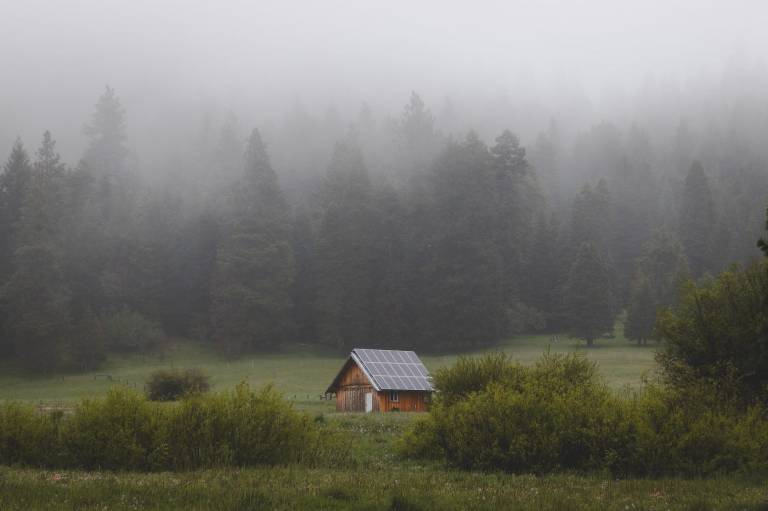
Photo by Fredy Jacob

As a long-time fan of blogging, I returned to the practice in 2020, choosing WordPress for its ease of use and affordability, especially if you skip the fancy plugins.

WordPress was intuitive and allowed me to rebuy my own domain. My domain, moreteekay.com, is a brand I created 14 years ago on Tumblr (do people still use Tumblr btw?).

Moreteekay is an ecosystem, a collection of tools and content types that I use to express my creativity, share important messages, and inspire change in any way I can.

It encompasses my blog but also links to my Medium page, my newsletter, and my LinkedIn page, as well as my audio show and parts of my photography portfolio.

As I work my up the acting realm, moreteekay will also include my filmography in the not-so-distant future, God willing.

  • Attention is the new currency

To capture attention in a sea of online noise and compete with media behemoths, creators must have a compelling story and a unique voice.

Making a name for yourself on Google without spending money is nearly impossible nowadays. You’re competing with companies that spend millions of dollars every year.

Focus is the key here.

  • My new strategy is completely different.

For a few months, I made the mistake of publishing the same pieces on my blog, Medium, and newsletter simultaneously. The issue with this strategy was that some of my followers subscribed to all three platforms and were overwhelmed with the same content three times a week. Not ideal (sorry, guys).

Those times are over.

From here on out, my usual how-tos, health tips, environmental solutions, and personal stories will remain on Medium.

My newsletter, on the other end, will exclusively feature my Vanlife stories. Comment below if you want an invite.

Lastly, my WordPress blog will serve as the hub, the glue holding everything together. It will feature the most important updates and links to my writing, socials, podcast, IMDb page, and more.

I mainly took this decision because building a native community on WordPress is quite challenging, while it’s far more feasible on Medium and Substack.

What is your distribution strategy?

Thanks for reading.

Peace!

Tee.

Unapologetically Ourselves

A journey of cultural pride.

As a POC (Person of Color) and someone of mixed heritage, I grew up in a world where my hair was often a topic of conversation.

I’m not alone in this.

In fact, Black hair has been a topic of conversation for centuries, and remains a crucial aspect of the Black community worldwide (including all people of African ancestry) to this day.

In my case, and unlike some of my other traits, my hair is 100% African.

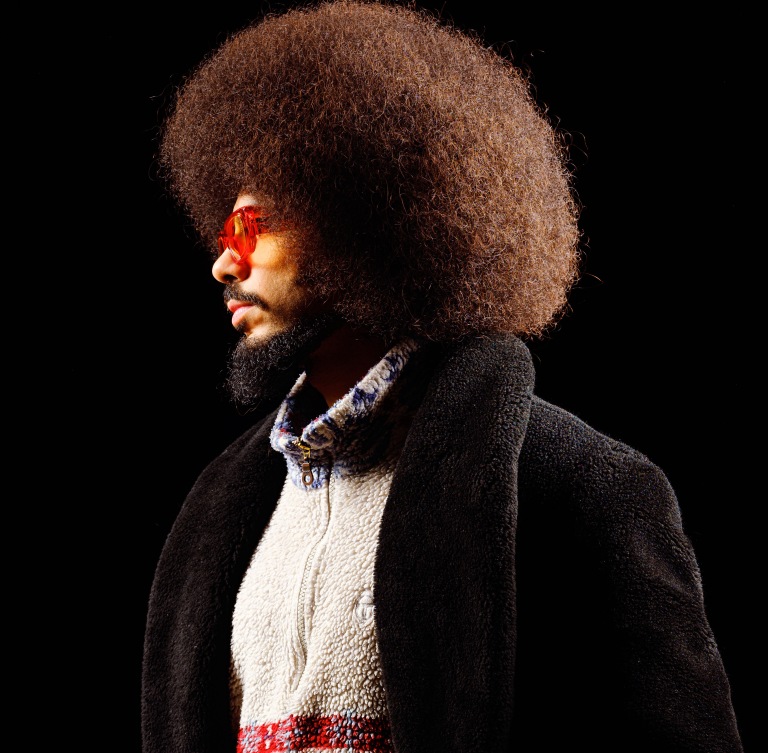
Picture of the author, Teekay Rezeau-Merah, MSc

The odd, yet completely understandable thing about “nappy” hair (which used to be the derogatory term for Black hair) is that most POC hate it. This is the result of centuries of racism, minority bashing and discrimination.

The way Black people wear their hair speaks volumes about their identity and their place in society.

Take the 70s, for example. 

The Afro’s rise in popularity during the Black Power movement of the 60s and 70s was a time of great cultural change. This era was a turning point for many Blacks in America. 

As such, Black people had finally started reclaiming their African heritage and embracing their natural looks. The Afro became a symbol of pride and revolution for Black people worldwide.

But wearing it in 2023 feels different.

It’s funny because every time I go out, someone stops me to comment on my hair. And when I say every time, I mean literally, not figuratively. 

Older folks usually tell me it reminds them of the old days, while younger folks often see it as a fashion statement and a celebration of my authentic self.

I don’t mind either.

But of course, that’s just a part of it. 

The reality is, many people simply stare, judgmentally.

The thing about our whitewashed world is that western beauty standards have long emphasized straight, silky hair as the ideal, and anything outside of that norm is seen as unconventional or even unprofessional.

These deeply ingrained societal norms — norms that have historically oppressed Black and brown people and perpetuated negative stereotypes about Black hair — are hard to break away from.

As a result, people stare because they’re not accustomed to seeing natural Black hair, particularly in environments like the workplace or formal settings.

I’m here to change that, sort of.

My ‘fro is empowering in many ways.

Lots of Black and mixed kids look genuinely happy to see me. 99% of them wave at me, stop me, ask me questions. They want the same hair, and their parents usually look just as happy with the idea. Seeing someone else with their afro shows them that it can be done.

That’s the power of representation. 

But it’s not just kids. Parents are usually just as eager to talk to me.

One time, a random guy stopped me in the street to ask me how long it took me to grow it out, and whether it was challenging to navigate everyday life with an Afro (especially in Europe). Funny thing is, it wasn’t even for him, he was just considering the idea for his little kid. The conversation lasted for 15 minutes.

My Afro’s other purpose is that of a celebration.

It’s a form of self-expression and self-love. Through it, I celebrate my cultural heritage, my ancestry and myself. It’s a part of my identity, and it feels amazing.

But with all that being said, make no mistake, this big ball of hair is also a symbol of defiance. In fact, it represents a rejection of the Western standards of beauty, standards that have been imposed on the world for centuries.

To my pigmented readers, kindly use this piece as a reminder that your hair is amazing, and I wholeheartedly encourage you to embrace it.

For those of you who straighten their hair or wear wigs to hide their natural beauty, you know this is a manifestation of internalized racism and self-hate. You know it.

This form of self-hate has been a coping mechanism for Black and brown people around the world, I get it, but it’s got to stop.

This mentality only perpetuates the negative stereotypes and ideals that have historically oppressed us, so it’s on us to break away from them, once and for all.

We owe it to ourselves and future generations to fight this negative self-image by challenging societal norms. Ain’t nothing wrong with embracing your looks proudly and unapologetically, nothing!

To my caucasian friends, you’re reading this for a reason. Keep being the allies that you’ve always been. Keep pushing for social justice. I appreciate you more than you know.

Thanks for reading.

If you wish to read similar articles and support my work, follow me and subscribe to my newsletter.

I write about my travel adventures, essentialism, health, slow living, environmental solutions and more.

Till next time !

Peace.

Tee.

How Positive Affirmations Changed the Way I Think

Away from the clichés.

The human brain is a remarkable organ. It’s responsible for everything we think, feel and do. Our brains are the driving force behind our behavior and are constantly working to keep us safe from harm.

The manner in which our brains process information is not always reasonable, hence why it’s extremely common for us to craft negative narratives based on our past experiences.

  • Uncertainty

One of the ways our brains work to keep us safe is by perceiving uncertainty as a danger or a threat.

The reason we panic when we lose our mom in a supermarket, or lose sight of our hiking partner testifies to that. Being in unfamiliar or unpredictable situations makes our brains go into overdrive rather quickly. This phenomenon allows us to better assess the situation and determine whether it’s safe or not.

Whenever our brain perceives said situations as a potential threat, it immediately creates negative stories and outcomes, thus preparing us for the worst case scenario.

Fascinating, right ?

Our brains are wired to prioritize survival over happiness.

In other words, our brains are more concerned with keeping us ALIVE than with making us happy, which seems fair as far as I’m concerned.

However, and as a result, the narratives we create in the present are often based on experiences from the past, and most importantly, experiences that have led to negative outcomes.

These experiences are stored in our subconscious as core beliefs, which our brains use to create our current narratives.

  • Core beliefs

You may have heard this before (or not), but our core beliefs are often formed in childhood and are based on our experiences with our parents or caregivers.

For instance, people who grew up in an environment where they were constantly criticized or told that we weren’t good enough develop a core belief that they are unworthy or unlovable.

This belief then manifests in their present-day narratives, leading them to believe that they’re not capable of success or that they’ll never find happiness, or love.

The problem with these negative narratives is that they can become self-fulfilling prophecies. By believing that you’re not good enough or that you’ll never find happiness, you’re less likely to take risks or pursue your goals, which then leads to an unfulfilling and unsatisfying life.

  • How to overcome negative narratives

One way to overcome these narratives is to challenge your core beliefs.

By examining the beliefs we hold about ourselves and questioning where they come from (learning to unlearn), we begin to see that most of them aren’t based in reality.

It’s obviously easier said than done, but once you’ve taken that first step, the next step, which is to create new, more positive narratives will come more naturally.

For example, if you have a core belief that you’re not good enough, you can challenge that belief by focusing on your strengths and accomplishments, and what got you here.

I’ve always done this whenever I felt down. I love reminding myself of how far I’ve come, all the mountains I’ve climbed and empower myself that way. Positive affirmations are a major confidence boost and gratitude is key to a purposeful life.

Surrounding myself with supportive people and ONLY consuming empowering and positive content (audio, written and video) has also played a huge role in my fight against negativity and fear.

Another way to overcome negative narratives is to practice mindfulness.

Practicing mindfulness is one of my favorite topics on this blog. I wrote multiple pieces about it because I truly believe in the power it possesses in the fight against mediocrity, negative self-talk and defeatism.

Mindfulness, as most of you must know, is the practice of being fully present in the moment and observing our thoughts without judgment.

Practicing mindfulness makes me more aware of my own negative narratives and is a necessary step in my journey of letting go.

Practicing mindfulness also helps me focus on the present moment and the positive experiences I’ve had (or that I’m having), rather than worrying about the future or dwelling on the past.

Photo by Matt Collamer

So whoever is reading this, use this piece as a reminder to cultivate mindfulness, always question everything, including your core beliefs and to be kind to yourself.

Don’t take making it this far for granted, life ain’t easy but you’ve got this. Also, remember, our brains view uncertainty as a peril so don’t trick yourself into believing you’re alone in this fight against negative narratives, you’re not.

While our brains prioritize safety over happiness, positive affirmations are powerful enough to steer negative narratives towards positive ones. If anything, I’m living proof of this.

P.S.: Stay hopeful 🙂

Thanks for reading.

Tee.

The harms of sugar and salt and how to get away from the addiction

Indulging in an excessive array of sugary and salty foods leaves our taste buds in a state of numbed oblivion.

As a result, we find it harder to enjoy the natural flavors of healthier foods.

how to beat sugar addicition by Teekay Rezeau-Merah
Sugar addiction by wayhomestudio on Freepik

It’s a vicious cycle, really: The more sweets and salty foods we consume, the less we taste, so we crave even more of them to feel satisfied. Artificial sweeteners and sucrose activate the brain’s natural reward pathway like drugs, releasing dopamine.

From a health point of view, resetting your taste buds will decrease your cravings for sweets and salty foods, thus leading to better eating habits.

But most importantly, resetting your taste buds will lead to a more nutrient-dense diet. Fruits, vegetables, whole grains, green proteins, herbs and spices offer a wide range of essential nutrients that contribute to overall health and well-being.

  • So How Can I Reset my Taste Buds ?

That’s the million dollar question, with a 0 dollar solution: Intermittent Fasting.

Intermittent Fasting is the fastest way to good health.

In fact, did you know fasting is used as a method to reverse cancer and tumor growth ?

Dr. Sebi and now Chris Beat Canceramong many others, talks about it a lot on his podcast. I highly recommend his content for health freaks and people who want to learn more about holistic medicine as a cure for cancer.

Think about it: Do you ever feel hungry when you’re sick ? No, no you don’t. Eating is the last thing I want to do when I’m sick. It’s ironic because, even though society (and our parents) often encourage us to eat for energy and to combat illnesses, it always feels like we’re going against our natural instincts.

That’s because we are.

But things get even more interesting.

Did you know that it takes our digestive system 24 to 72 hours to digest a meal ? Yes, one single meal.

It’s fascinating because the likes of Kelloggs, Nestle, Mickey Dee’s did such a great advertising job and so much brainwashing that we now think eating 3 to 4 times a day is normal. It’s the healthy way to be.

From Happy Meals to morning cereals and lunch menus, we are constantly bombarded with messages telling us to consume more. More of everything, but let’s stick to food.

Sugar Psychology: Does Sugar Promote Consumerism ?

Consuming three meals a day is taxing to the body. It overloads your digestive system. In other words, your digestive system is often living three days in just one.

That’s why our societies are now ridden with illness and all sorts of diseases. That’s why the numbers of SADS, or Sudden Adult Death Syndrome are increasing as time progresses. Of course, that and some other factors, including but not limited to the quality of food we eat.

  • How to Stay Healthy Today

Stop taxing your digestive system and your body.

Intermittent Fasting, proper hydration and the right foods can change your life. Literally, not figuratively.

Intermittent Fasting and a balanced diet can help you keep a healthy weight, detach yourself from addictions and sleep well/better.

10 Unconventional Ways to Improve Sleep

Besides, Intermittent Fasting not only saves you time but also reduces your expenses.

  • How to start Intermittent Fasting for beginners ?

First of all, breakfast is NOT a meal. It’s the moment when you BREAK your FAST. That can be at any moment in the day.

A good rule of thumb is to start your day with a tall glass of water. Add some lemon, cucumber or mint for better taste and hydration.

Starting the day with a glass of water gives your digestive system a gentle nudge, setting it on a healthy path for the day ahead.

The Unbelievable Benefits of Drinking Water on an Empty Stomach !

Now, as for breaking your fast with a meal, another good rule of thumb is to have your first meal when the sun is the highest in the sky, and to stop eating when the sun goes down. This obviously changes depending on the seasons, as the sun sets much later in the summer.

To start your Intermittent Fasting journey, start slow, perhaps with a 14:10 or 16:8 method, then walk your way back to an ideal of 18:6.

I have been on the 18:6 method for several years. This means that I abstain from eating for 18 hours, then eat during the following 6. I usually eat between 2PM (first meal) and 8PM (last meal). I don’t snack in between, except when I’m at the beach ^^

My favorite snacks are fresh fruits and dry fruits. I love oats as well, so at times I just make myself a bowl of oats with oat milk and a bunch of dried fruits (apricots, berries, nuts etc.).

Intermittent Fasting allows the body to properly detoxify itself with the help of your liver (hence the importance of hydration), thus self-healing.

  • Final Thoughts

I started this piece with the idea of resetting your taste buds, Intermittent Fasting is the way to go, but don’t forget your bitters and your ginger drink.

Jamaicans (and Rastafarians) who practice the Ital diet will tell you that ginger drinks are extremely important to detoxify the body, and they’re right.

Rastafarianism in a nutshell

Bitters and ginger drinks also cleanse your system of mucus, the source of most diseases. But that’s another story for another day.

Thanks for reading.

Teekay.

Clarity with Teekay Podcast Guest-list

Clarity with Teekay is where I unpack life’s weirdness, one conversation at a time.

Since 2019, I’ve been recording from the cozy space of my home in Bordeaux, digging into culture, society, and whatever else catches my curiosity. Sometimes solo, sometimes with insanely cool guests.

I’ve had all kinds of people on the show: Hollywood execs, international movie stars, doctors, explorers, neuroscientists, microbiologists, pro athletes, writers, marketers, authors, architects, professors, podcasters. They bring their perspectives, I bring my questions, and together, we break things down in ways that (hopefully) make sense.

This podcast is about real, useful ideas, the kind you’d usually pay thousands for in coaching or courses. But I’m putting it out there for free, because why gatekeep good stuff, right? Whether it’s breaking habits, questioning norms, or figuring out how to make life less of a mess, I’m here to help you unlearn, rethink, and build something better.

What to Expect

🔹 [FULL] Episodes – Deep-dive conversations (45 mins), dropping 1-2 times a month.
🔹 [CLIP] Episodes – Short, straight-to-the-point answers (<10 mins), every week.
🔹 [SOLO] Episodes – Just me, rambling about a topic for 7-15 mins, once a month.

You can listen on Apple Podcasts, Spotify, Amazon Music, Google Podcasts, and Stitcher.

The podcast has a bunch of accounts on major social media platforms but to be honest, I don’t use Social media anymore, so if you want to reach out to me, do it here.

If you like the show and want bonus content, you can support it here:
🔗 Subscribe here

Press play and let’s get into it. 🎧

(Guest list below! 👇)

  1. Alejandra P. Arenas, Assistant director and production stage manager – Queretaro, MX
  2. Natalie Christensen, Psychotherapist turned published photographer – Santa Fe, USA
  3. Isabella R. Lash, Actress and acting coach – Virginia, USA
  4. Grace Treutel, Manager of culture and content – Alabama, USA
  5. Miruna Dragomir, Head of marketing at Planable – NYC, USA
  6. Fabian Chegoya, Healthcare IT and revenue cycle management consultant, founder of Chaminger and diplomat kid – Denver, Colorado, USA
  7. Fabe Mitchell, Business owner and coach – Florida, USA
  8. Lachlan Parker, Sport and exercise scientist, esports mental health counsellor, head performance coach for @Renegades, Melbourne, AUS
  9. Brian James, Author of  “The Wolf Among Sheep – New Orleans, USA
  10. Alexander Tankou, Electric vehicles research associate at the international council on clean transportation – Washington DC, USA
  11. Mardet Guebreyesus, Architect and bestfriend – Addis Ababa, Ethiopia
  12. Deborrah Cooper, Advice columnist, author and Top Female blogger, Southern California, USA
  13. Keith Hutchings, Founder of The Comfortable Home project and sustainability enthusiast – Perth, Australia
  14. Joseph “Joey” Drolshagen, Founder of IFGT Life Coaching LLC, featured in FOX, NBC, CBS and as Top 20 Business Coaches in America in the NYC Journal 2022 – Greenville, SC, USA
  15. Josh from Pursuit of Infinity podcast, Psychedelics expert – Pennsylvania, USA
  16. Craig Gavigan, CEO of the Unplugged brand and national park ranger, Scotland
  17. Lynne Bowman, Plantbased author of Brownies for Breakfast, California, USA
  18. Karen Knight, NPF coach and volunteer management consultant, Canada
  19. Jochen Thomas Grunbeck, Behavioral and consumer psychology expert, London, UK
  20. Megan Sam Holstein, Award-winning personal development, psychology, philosophy, science writer, Columbus, Ohio
  21. Shane Rogers, Stand up comedian, musician and author, California, USA
  22. Marcello Pasqualucci, Head of experimentation at SKY, ex YAM! and HSBC experimentation project manager and neuroscientist, London, UK
  23. Karolina Rzadkowolska, Alcohol-free life coach and author, San Diego, USA
  24. Jas Takhar, CEO, content creator and co-owner of REC Canada and FTGU Media, Toronto, Canada
  25. Michael Buzz Buzinski, President of Buzzworthy Integrated Marketing, Arizona, USA
  26. Richard Flint, Author of 19 books and Human Behavior expert, Washington DC, USA
  27. Andrea Osvart, International film actress and European Golden Globe winner, Budapest, Hungary
  28. John Kenny, The Relationship Guy, London, UK
  29. Dr. Johannes Mallow, PhD and two-time World Memory Champion, Germany
  30. Dave Wann, writer of multiple books and founder of Harmony Village, Golden, Colorado
  31. Brenden Kumarasamy, Public Speaking Coach, Montreal, Canada
  32. Juan Lee, CEO and founder of Clear Journey, Author of Love Made Simple, Maryland, USA
  33. Anne Claessen, MSc LLM, Podcast Host, Strategist & Monetization Expert, Arnhem-Nijmegen Region, Netherlands
  34. Tim Fitzpartrick, B2B Revenue Accelerator and Marketing Consultant, Denver, USA
  35. Connie (Lockhart) Ellefson, Professional Organizer, Aurora, Colorado, USA
  36. Phil B. Pelucha, TV Host & Network founder, Gros Islet, Saint Lucia
  37. Vinnie Potestivo, Emmy Award-winning Media Advisor, New York, USA
  38. Kelly L. Olson, Ph.D., Director, Clinical Affairs – Medical Affairs Specialist, Salt Lake City, Utah, USA
  39. Laurel Foley, Movement Analyst, Indianapolis, Indiana, USA
  40. Kit Huffman, Personal Branding strategist, CEO of Seneca, Jackson WY (now Bariloche, Argentina)
  41. Jen Blanchette
  42. Flobo “Flobito” Boyce, ex US Airforce, Live Entertainment Professional, Standup Comic, California, USA
  43. Yogi Aaron, Yoga teacher and creator of Applied Yoga Anatomy + Muscle Activation™, New York, USA
  44. Linda King, Travel Agent and Writer, Melbourne, Australia
  45. Amanda Kate, Self-Mastery Facilitator, Melbourne, Australia
  46. Kim Sorelle, Writer and Speaker about love, Grand Rapids, Michigan, USA
  47. John Mendez, Marketer & AI Integration Specialist For Real Estate Agents, Stamford, Connecticut, USA
  48. Bastien Siebman, ASANA consultant, Founder and Minimalist, Annecy, Auvergne-Rhône-Alpes, France
  49. Cora Kessler, Social Media & Marketing Consultant, Richmond, Virginia, USA
  50. Jerome Bethea, Aka JB The Wizard, Web 3.0 Alignment Branding™ Expert. Creator of The World of Futuring, Hollywood actor, Philadelphia, USA
  51. REV Gabriel Castillo, Lead Facilitator at Church Of The Sacred Spore and Psychedelic expert, Titusville, Florida, USA
  52. Dr. Elaine Ingham, Microbiologist and Founder of Soil Food Web Approach (Soil Regeneration), Oregon, USA
  53. Luke Titus, Creator of the Barefoot Challenge, Wisconsin, USA
  54. Geoff Palmer, Natural Bodybuilding and Natural Physique Masters Champion, Owner of Clean Machine Plant-Based Fitness Nutrition, author, national lecturer, vegan patent holder and 2 Time NEXTY Winner for “Best Supplement of the Year” 2016 & 2018, Pompano Beach, Florida, USA

Thank you for stopping by.

Teekay.

Own less

19 Everyday Things We Own Too Many Of

From cash to trash.

Your home is meant to be a sanctuary

You home wasn’t meant to become a graveyard for your old gadgets and excess stuff.

Home is where we retreat from the outside world, unwind, and recharge ourselves. It’s where we seek solace, relaxation, and tranquility.

Americans spend $1.2 trillion annually on nonessential goods. In other words, items they do not need – The Wall Street Journal.

For most people, home has become the place where they store their stuff.

  • Do you ever feel overwhelmed by the clutter in your living space?
  • Is it a challenge for you to locate items or decide what to wear?
  • Are you occasionally faced with a shortage of hangers?
  • Does the sight of your closet alone make you feel tired?
  • Does it take an excessive amount of time to tidy up your home?
  • Would relocating from your current residence require multiple utility trucks?

If you find yourself answering “yes” to any of these questions, here are the likely culprits for this draining situation.

Note: The following examples and numbers paint a jarring picture of excessive consumption and unnecessary accumulation. Clearly, many of us have far too much stuff.

  • Food storage containers

How many containers does one need ? Research says 6 to 10 containers per person, we’ve got 3 in our home, for 2 persons.

It’s shocking to me that people hoard these things. Some accumulate them to the point of overflowing cupboards!

Wouldn’t it be great if neighborhoods and buildings provided a designated space where people can share their surplus containers, allowing others to utilize them as needed ? This would help curb the unnecessary purchase of food containers and promote a more sustainable approach to storage.

Note: This doesn’t apply if you meal prep, which is awesome by the way.

  • Pens

There are already enough pens in circulation that many of us could go years without buying another.

Most people don’t use pens anyway.

  • Auto tools

You don’t need ten wrenches, Bob ! Seriously, you don’t. One is enough, two is MAX, unless you’re a mechanic.

And just like with containers, I wholeheartedly believe neighborhoods and buildings must provide a space where people can share their tools.

I got mine when I was building my Campervan. I’m more than happy to share them with others.

  • Reusable shopping bags

Reusable shopping bags are the new plastic bags.

A massive scam.

People collect those even more than they did plastic bags, because they paid more for them.

The problem ? Reusable bags require more plastic, energy and fabric to make.

Forgot your bag at home ? It’s okay, just grab what you can carry. You won’t die of hunger, and it’ll train you to think about your bag next time.

Also, always leave a reusable bag in your bike/car or coat.

Better yet, we must promote the introduction of returnable bags. They have those here in France, they cost 15c each (pricey), which is refunded back to you when you return them.

In fact, we don’t have ANY bags at home, reusable or otherwise. We operate with returnable bags only (and my backpack if need be).

  • Handbags

Why do people even buy those ? When did this trend begin ?

Since around 1500 AD, handbags have been an essential part of everyday life for both men and women.

It wasn’t until the post-war economic period of the 1950s that handbags were propelled into a cult status.

Can we go back in time ?

To those of you who own a thousand and one bag, you only need ONE, two tops.

It kills me to notice people, particularly women, having an extensive collection in their closets and consistently using the same old handbag. Sell them !

  • Backpacks

Why would anyone purchase a new backpack if they still have the old one? Aesthetics? Boredom? Maybe a size or quality upgrade?

Whatever the case may be, how about you retire the old one (by giving it to charity) before purchasing a new one ? Just an idea.

  • Coats

What do you need THREE coats for? It’s not like you can wear them simultaneously, right ? Think about it.

  • Vases (and other decorative objects)

I don’t even know why vases exist, such a waste of energy, materials and space in my opinion. I like my flowers in a garden, but to each their own.

  • Toys

British research found that the average 10-year-old owns 238 toys but plays with just 12 daily — The Telegraph.

3.1% of the world’s children live in America, but they own 40% of the toys consumed globally — UCLA.

Let your kids play outside, run around, play sports. Some toys help children develop their curiosity and learn about the world, which I’m all for, long as we buy them used. There are enough toys out in the world that’ll never see the light of day ever again, and even more toys in landfills. Enough !

Let’s stop wasting resources and start thinking differently. By the way, gifts don’t always have to be NEW.

  • Kitchenware

Perhaps I’m a bit extreme but I only have one single plate, and my wife has one too. A couple of bowls and a mug complete our tableware set ^^

If you’re the type to host lots of gatherings and parties, it makes sense that you have more, but we don’t really, so that’s that.

That said, there are billions of used plates and bowls (and other kitchenware) in the world. Stop buying those at IKEA, flea markets are where it’s at !

Note: We only own one mug because I love drinking out of my 34Oz reusable bottle. Easier to keep track of my water intake that way, and less “stuff” to clutter our home.

  • Furniture

Nightstands, bed frames (unless absolutely necessary, like for people with bad knees), shelves, chairs, TV stands, coat racks and everything in between. We don’t own any of this stuff and we’re extremely happy with our lives.

Don’t clutter your sanctuary with useless furniture. It costs money, it’s heavy to carry, it makes cleaning more annoying and most of it serves no real purpose.

Empty spaces don’t always need to be filled.

  • Hangers

If you don’t have enough hangers for your clothes, you have too many clothes.

It’s time to stop buying new and to get rid of all that excess.

By the same token, this logic also applies to closet space: If you don’t have enough space in your closet, you have too much of whatever you’re trying to store in there. Declutter.

  • Clothes

Speaking of which, we all have too many clothes. I don’t even have to know you to say this.

The average American woman owns 30 outfits — one for every day of the month. In 1930, that figure was nine — Forbes.

Also:

The average American throws away 65 pounds of clothing per year — Huffington Post.

Need I say more ? Sort that stuff out, have just what you need.

Each year, we produce as many clothes as humans have ever existed on Earth. Over 100 billion, for 8 billion people living.

  • TVs

Why would anyone need an iPad, an iPhone, a MacBook AND a TV ?

Some homes have more television sets than people, it’s crazy ! For me it’s a sign of civilizational decline. It hurts to think nowadays.

Americans spend more on shoes, jewelry, and watches ($100 billion) than on higher education — Psychology Today.

Besides, it’s also time to refocus our attention on how energy consuming TVs are to make and to use.

That aside, we must also find new solutions to FIX them. It makes no sense that fixing an appliance costs as much as buying a new one, it really doesn’t.

Also, we’ve reached a point where TVs are slim enough and smart enough that we hardly need more quality, so why are we pushing for more ? What’s the point ? Most TVs today offer 4K quality, which is already too much.

Want to enjoy a GREAT movie ? Go watch it in a movie theatre. Otherwise, your laptop is more than enough for your late night lullaby.

  • Offsite storage units

If you live in an apartment, a house or anywhere in between and feel the NEED to have an offsite storage unit, you have a problem.

Your stuff isn’t supposed to take up that much space. If you can’t contain it, get rid of it.

  • Grooming and hygiene products

People have dozens of shampoos, body lotions, shower gels, and an array of other “beauty” products in their bathrooms.

The multitude of these items cluttering up drawers creates a sense of disorder, disarray and mental fatigue.

But I get it. The “latest and greatest” always looks better. Packaging is always evolving, and marketers work hard to make us buy more.

However, we’ve all been blessed with a sense of logic and reason. Often times, these shiny new objects don’t live up to our expectations. Instead, they end up abandoned in drawers, collecting dust.

They’re also a waste of money and resources, and are likely to end up in landfills or worse, the Great Pacific Garbage Patch.

Think before you buy.

Note: I personally use a single natural, organic, vegan and local bar of soap to wash my hair, my face and the rest of my body. My wife and I also share a natural Shea butter bar to keep our skin healthy and hydrated.

Aloe Vera is another great option for the skin but is often sold in plastic, so we don’t buy it.

As for oral hygiene, I use my Miswak during the day and baking soda to brush my teeth after meals. My wife often uses solid toothpaste (so no plastic in our home).

  • Non-refillable toiletries

Plastic bottles (of all sorts) must be illegal by now. Plastic shampoos and shower gels must be the first ones to go.

I strongly believe that refillable toiletries are the way to a more sustainable future, and I advocate for a higher initial cost when purchasing them.

A higher price point would discourage people from disposing of these items after use, encouraging greater reusability and reducing waste.

  • Travel size toiletries

People don’t even travel that much, the fact they steal (or borrow permanently) travel size toiletries to keep them in their bathrooms is beyond me.

The greater the usage, the higher the production rate of any particular item. Supply and demand. If we want to eradicate plastic, we must stop financing and promoting the plastic industry.

For those who already have travel size toiletries, don’t toss them. Instead, put them in your shower and use them.

Better yet, give your toiletries to a local homeless shelter or women’s shelter that accepts them. It’ll lighten your load and help someone in need at the same time.

  • Humans

Yeah, there are way too many humans on this planet.

  • Final Word

Presently, North America and Western Europe, comprising merely 12% of the global population, contribute to 60% of private consumption spending.

In contrast, the combined population of South Asia and sub-Saharan Africa, accounting for one-third of the world’s pop, represents a mere 3.2% of private consumption spending. (Worldwatch Institute).

Do you see the problems here ?

It’s not just that we overconsume in the West, because that’s a given. But what will happen when South Asia and sub-Saharan Africa starts consuming as much as we do ?

Because they’re coming, and they want everything we have. After all, why would they not ? Many people look up to this absurdity and want the same for themselves.

Consumerism, fashion and flex culture will be the death of us. They are a sign of the dumbing of our current generation. After all, there are more shopping malls than high schools in America, and 93% of teenage girls rank shopping as their favorite pastime (Affluenza).

Question everything guys. Food for thought.

Thanks for reading.

Read more of the same on my Medium page.

Tee.

The Age of Unprecedented Competition

The life of the average man is going to be more competitive than ever.

Numerous people have written about AI. Most focus on the technology itself, whether it’s a blessing or a threat.

I’m less interested in AI than in what it will demand from us. Because regardless of what happens, one thing seems certain: life for the average person is about to become far more competitive.

Is there reason to worry?

One thing is for sure, life always gets worse before it gets better.

This new era won’t be any different.

Those who adapt will thrive. Those who don’t will struggle.

The world has always favored the fittest, those who stand out. Being average is costly when it’s not convenient anymore.

  • What does it take to stand out ?

Well, you won’t like the answer, my friend, but it takes a lot of suffering.

The cure for pain is in the pain.

Embrace your losses, embrace being discriminated against, injustice, the rigged system. Embrace it, but never accept it. Fight it, that’s how you become resilient, tough.

You have to GO through it in order to GET through it.

Good times make us soft, so let the struggles begin, let it come, we’ll be fine.

Have some faith.

After all, as time passed, the world got meaner. It’s always been like that. This won’t be any different.

Our history is plagued with long periods of cruelty and conflicts. Cruelty has a thousand faces, AI may just be one of them, like automation was a few decades ago.

But again, going through bad times builds resilience, we just have to learn how to manage our demons.

I know not everyone can, which is unfortunate, but humans are as strong as our weakest link. There’s hope in that.

Don’t cower away from difficulty, don’t try to drown your problems. Don’t be that person.

Cowardice feeds our weaknesses.

Face life with bravery and remember, bad things happen to make exceptional people.

If you’re a man of God like me, think about all the messengers that came before us, all the things they went through.

It’s no coincidence.

Whether it’s AI or something else, humanity will always prevail.

Believe.

Thanks for reading.

Teekay

10 Unconventional Ways to Sleep Better

Mastering the mechanics of sleep transformed my lifelong struggle.

This is a follow up to my first piece I wrote on Medium titled: Snooze or Lose: 10 Sleep Secrets to Catch Those Z’s!

Let’s dive right in!

warm feet by Teekay Rezeay-Merah
Warm feet by Freepik
  1. CBD: Use it however you want, CBD may help some people relax before bed, although results vary.
  2. Sleep mask: Unless your room is PITCH BLACK, you need one of these. Light is the enemy of sleep, so get yourself a sleeping mask. You’ll thank me later. FYI, get ready to start dreaming for real !
  3. Stop eating three hours before bed. That’s right, three full hours. You know what’s the best part about this? By doing so, you will inadvertently start your Intermittent Fasting journey.
  4. Weighted blankets: They provide a calming effect and promote better sleep by increasing feelings of comfort and security. Some people find the gentle pressure calming.
  5. Warming your feet before bed, either with a warm foot bath or by wearing warm socks, helps dilate blood vessels and signal to your body that it’s time to sleep. I bet you didn’t know this one !
  6. Experiment with sleep positions: For example, sleeping on your left side alleviates acid reflux symptoms (but ditching dairy will eliminate those symptoms altogether, for good), while elevating your legs slightly improves circulation and reduces leg and back pain.
    I sleep on my back first, then turn. I like stretching my backbone before bed as well, hence my first position.
  7. Sleep in a cool room: Do keep your feet warm, though. A cool bedroom (around 65°F or 18°C) is often associated with better sleep. Our bedroom is often cooler than that in the winter.
  8. Use pink noise (I looked up why it’s call pink noise, I still don’t get it): This ambient noise has a soothing effect and drowns out other sounds that may disrupt your sleep.
  9. Try aromatherapy: Certain scents like lavender, chamomile, or vanilla have a calming effect and promote sleep. They also create a relaxing atmosphere, which is paramount to sleep well.
  10. Practice lucid dreaming techniques: These techniques allow me to become aware and almost control my dreams. Lucid dreaming has definitely enhanced my sleep experience and made it more restful, and fun. Yes, sleep can be fun too.

Many sleep problems improve once we address the habits surrounding sleep, though persistent insomnia deserves professional attention.

Update: recent studies have linked the lack of dreaming to certain illnesses like dementia and depression, and you can’t dream if you’re not getting proper sleep consistently.

Thanks for reading.

Tee.

monkey see, monkey do by Teekay Rezeau-Merah

How Marketing Manipulates Your Brain Through Mirror Neurons

An article is about a NeuroScientific and neuromarketing concept you never knew existed!

Our brains have this exceptional ability to act as a mirror. This ability is made possible thanks to what we call “mirror neurons”.

Mirror neurons are a type of brain cell responsible for mirroring or simulating the actions of others.

The knowledge of these neurons is relatively recent. In fact, it wasn’t until the 90s that researchers first identified mirror neurons in macaque monkeys.

And what they found was fascinating !

Mirror neurons were found to activate when a monkey performed a specific action, such as grasping a piece of food.

However, the same neurons also activated when the monkey watched another monkey (or a human) perform the same action.

It was unexpected.

  • The Point

These incredibly cool neurons are said to play an important role in our ability to imitate and learn from others, as well as in our ability to empathize with and understand the intentions of others.

And to be honest, it makes perfect sense.

For instance, I realized very early on that my proficiency in learning new languages was attributed (in part) to my habit of mimicking the language patterns and communication styles of native speakers.

In fact, even when my knowledge of a language is limited, I make a conscious effort to replicate the way words and phrases are pronounced, rather than how they are written and spelled.

By “mirroring” others, I learned 10X faster than before, and I hardly forget anything. I can also sound “native” if I want to, in any language that I speak.

This strategy has been instrumental for me. Becoming fluent in six different languages and comfortable in a couple more didn’t happen overnight, but with the right tactic, language-learning can be a piece of cake.

Check out this little 3-minute clip if you wish to understand how it works.

With that being said, the effect of mirror neurons isn’t just limited to what we see or what we hear, our brain can even experience vicarious touch through others.

Perhaps this explains the boom of ASMR and the porn industry?

New technologies like Virtual Reality are already using the power of our mirror neurons to their advantage, and perhaps ours, as well.

For instance, VR is now used to help us fight certain mental illnesses and cure certain phobias.

VR can obviously never substitute real life, but it could potentially help many of us heal from certain things.

  • The Dark Side

As an ethical marketer, I must mention this.

In the world of marketing, understanding vicarious touch and mirror neurons has been a game changer.

Instead of designing ads and products blindly, we now purposely target your subconscious mind.

Doing so allows us to create more engaging and memorable experiences for our audience, thus driving up sales and clicks.

Marketers increasingly design experiences that engage our senses and make products feel more tangible, even through a screen.

So instead of making commercials that focus on the product alone, big corporations and marketers now hire actors and tap into all your senses to deliberately activate mirror neurons in you, the viewer.

There are numerous other tactics to trigger buying, here are a couple I’ve used in the past:

  • Product packaging: Mirror neurons can even be triggered through packaging. In fact, the texture and feel of product packaging evoke more tactile sensations in consumers than they know. For example, a package with a soft, velvety texture creates the impression of luxury and comfort, while a clear, matte packaging evokes warmth and superior quality.
  • Audio-visual experiences: Videos, music, podcasts and other types of media can evoke sensations of touch through sound and image. These techniques have long been used in the entertainment industry and in adverts to shape culture as a whole.
  • Scented products: Products that smell cut grass or mint create the sensation of coolness, while the the smell of lavender provides us with a sense of warmth and reminds us of our childhood (and possibly grandparents). Yes, smell is also used to drive up sales, but can only be used in physical businesses (for now).

Understanding human behavior allows us to look at ourselves with more depth.

Understanding ourselves doesn’t just make us wiser, it actually improves our decision making, hence this piece.

By reading this, I hope you’ve gained a bit more self-awareness and understanding of human behavior.

Thanks for reading.

Teekay

colors by Teekay RM

The Environmental Cost of Colorful Clothing

Hi!

My name is Teekay and I’m obsessed with vibrant colors.

From bright sneakers to colorful hoodies, I’ve never been the type to dress in plain black or gray. Bright colors make me feel alive. They lift my mood, give me energy and help me express who I am.

When I put on my yellow T-shirt or my orange fleece, I feel optimistic, confident and ready for the day.

But my attachment to colorful clothing goes beyond aesthetics.

Across much of Africa, Asia and South America, vibrant clothing has always carried meaning. Colors celebrate identity, culture and tradition. From African wax prints to Andean ponchos, clothing tells stories without saying a word.

I grew up appreciating that.

For me, wearing colorful clothes has always been a way of expressing myself while staying connected to a part of my cultural heritage.

So naturally, I never questioned it.

Like most people, I admired the finished product without giving much thought to how it was made.

In fact, for the longest time, I genuinely believed sewing threads came pre-colored.

Ignorance is bliss.

As I grew older and became increasingly interested in environmental issues, I began questioning almost everything I owned. Where did it come from? Who made it? What resources were needed to produce it? What happened after I threw it away?

Eventually, those questions reached my wardrobe.

The answers weren’t what I expected.

The more I learned about the textile industry, the harder it became to look at colorful clothing the same way.

What once represented creativity and self-expression suddenly revealed another side entirely, one hidden behind factory walls, polluted rivers and supply chains most of us never think about.

That realization forced me to confront something I didn’t want to admit.

I could no longer claim to care deeply about the environment while ignoring the environmental cost of one of my favorite things.

I don’t make exceptions when my values are involved.

Changing my mind isn’t a weakness. Refusing to change despite new information is.

That’s one of the reasons I left social media and mass media years ago.

Conformism is intellectual death.

I don’t scroll. I don’t watch television. I only read the news when I’m researching something. I even stopped listening to music.

Stepping away from constant stimulation gives me the space to think for myself, to challenge my own habits instead of simply following everyone else’s.

Before learning about textile dyes, I would’ve defended my colorful wardrobe without hesitation. I would’ve convinced myself that my choices made no difference and that everyone else was doing the same thing anyway.

My thinking was flawed.

Individual actions don’t solve every global problem.

But they do shape the world we choose to support.

Once I understood what was hiding behind the colors I loved so much, I couldn’t pretend I didn’t know anymore.

So I started asking a different question.

What does it actually take to make our clothes so colorful?

What it really takes to make clothes colorful

Like most people, I never thought much about textile dyes.

I assumed fabrics simply came in different colors. I never wondered where those colors came from, how they were made or what happened once the dyeing process was over.

As it turns out, that’s where one of the fashion industry’s biggest environmental problems begins.

Every vibrant shirt, hoodie or pair of sneakers has to be dyed. While that may sound harmless, textile dyeing is one of the most polluting stages of clothing production.

According to the World Bank, textile dyeing is responsible for roughly 20% of global industrial water pollution.

Twenty percent.

I had to read that number twice.

The water used to dye our clothes is often mixed with synthetic chemicals, salts and heavy metals. In many parts of the world, especially where environmental regulations are weak or poorly enforced, that wastewater finds its way back into rivers and streams with little or no treatment.

The colors we enjoy don’t simply disappear.

They go somewhere.

Many synthetic dyes contain substances such as lead, cadmium and mercury, all of which can damage ecosystems and pose health risks to both wildlife and humans.

The pollution doesn’t stop once a garment leaves the factory either.

Every time we wash synthetic clothing, tiny plastic microfibers are released into our waterways. Most are too small to be filtered out by wastewater treatment plants, meaning they eventually end up in rivers, lakes and oceans.

The more I learned, the more difficult it became to separate my wardrobe from its environmental footprint.

Then I discovered something else.

Color wasn’t the only problem.

The dyes were only the beginning.

The entire fashion industry relies on enormous amounts of water, energy and raw materials.

Take a simple cotton T-shirt.

Producing just one can require around 2,700 liters of water. That’s often described as enough drinking water for one person for roughly two and a half years.

It’s difficult to comprehend numbers that large.

Yet most of us own dozens of shirts.

Then came another statistic that genuinely shocked me.

The fashion industry is responsible for roughly 10% of global carbon emissions, more than international aviation and maritime shipping combined.

And despite all those resources, most clothing doesn’t stay in circulation very long.

Around 87% of textile fibers eventually end up incinerated or buried in landfills.

Think about that for a moment.

We extract resources from the earth, consume vast amounts of water and energy to turn them into clothing, transport those garments across the planet and then throw most of them away after only a fraction of their useful life.

The problem isn’t color alone.

It’s the entire system surrounding it.

That realization changed the way I looked at my wardrobe.

It also forced me to ask a much more uncomfortable question.

If I already know all of this, how should I respond?

The only response that made sense to me

When I first learned all this, I wasn’t sure what to do.

I wasn’t about to throw away my wardrobe.

That would’ve been wasteful.

Nor was I willing to give up colors altogether.

After all, colors make me happy. They always have.

For a while, I found myself caught between two values I wasn’t willing to abandon.

On one side was my love for vibrant clothing.

On the other was my desire to live in a way that respects nature.

Reconciling the two wasn’t easy.

Then I realized something.

The problem wasn’t colorful clothing.

The problem was how we produce, consume and dispose of clothing.

Those aren’t the same thing.

It’s easy to blame a product.

It’s much harder to question the system that made the product so cheap, disposable and abundant in the first place.

That’s where minimalism entered the picture.

Not the version of minimalism that’s obsessed with white walls, empty apartments and owning exactly thirty-three possessions.

The version that asks a much simpler question.

Do I really need this?

Minimalism isn’t about deprivation.

It’s about intentionality.

It asks us to pause before buying.

To question whether we’re purchasing something because we genuinely need it, because it’ll last, because it’ll improve our lives, or simply because it’s new, colorful and temporarily exciting.

That distinction changed everything for me.

Instead of asking, “Can I buy this?”

I started asking, “Should I?”

Those are two completely different questions.

One is financial.

The other is moral.

Minimalism taught me that every purchase is a vote.

Every dollar we spend rewards a certain way of producing goods and encourages companies to continue doing more of it.

Whether we realize it or not, our wallets shape the world.

That’s why I no longer believe minimalism is just a lifestyle.

I see it as one of the most practical environmental tools available to ordinary people.

Buying less means fewer resources extracted from the earth.

Buying better encourages companies that invest in quality instead of disposability.

Buying secondhand extends the life of products that already exist instead of demanding new ones.

None of these actions will solve climate change on their own.

I know that.

But that’s never been the point.

People often dismiss individual actions because they’re small.

I think that’s a mistake.

Every large movement begins with individuals deciding to behave differently.

No one waits for society to change before changing society.

Individual actions don’t matter because they’re large.

They matter because they’re contagious.

The more I reflected on all this, the more obvious my next step became.

I wasn’t going to stop appreciating beautiful colors.

I was simply going to become far more selective about where those colors came from.

Whenever possible, I’d buy secondhand.

When buying new, I’d prioritize durable clothing over trendy clothing, natural dyes over synthetic ones whenever feasible and usefulness over impulse.

That may not change the world overnight.

But it’ll change the part of the world I’m responsible for.

And that’s enough reason to do it.

What I’m changing

Changing my habits doesn’t mean rejecting everything I own.

Quite the opposite.

Throwing away perfectly good clothes simply to replace them with “eco-friendly” alternatives would only create more waste.

The most sustainable garment is often the one that’s already in your closet.

So I’m keeping the colorful clothes I already own.

I’ll wear them until they can no longer be repaired.

That’s the minimalist approach.

Respect what already exists before demanding something new.

What will change is how I shop from now on.

Whenever possible, I’ll buy secondhand first.

Almost everything I own already comes from thrift stores, online marketplaces or flea markets. Aside from underwear and socks, I see little reason to insist on buying new.

Secondhand shopping doesn’t just save money.

It keeps perfectly usable clothing in circulation and reduces the demand for new production.

When I do buy new, I’ll try to choose garments that are built to last.

Not because they’re fashionable.

Not because they’re trendy.

Because durability is one of the most overlooked forms of sustainability.

A shirt that lasts ten years is usually far better for the environment than five shirts that each last two.

Whenever possible, I’ll also look for brands that use natural or lower-impact dyes.

They’re not perfect.

No product is.

But supporting companies that are genuinely trying to improve their production methods is one way of encouraging better practices across the industry.

The final change is perhaps the simplest.

I’ll wash my clothes less often.

Not because I enjoy dirty clothes.

Because most garments simply don’t need to be washed after every use.

Less washing means less water, less electricity, fewer detergents entering waterways and less wear on the fabric itself.

Ironically, my clothes now last longer because I clean them less.

Living without a washing machine taught me that.

At first, I thought it would be inconvenient.

Instead, it changed my relationship with clothing altogether.

We naturally started accumulating fewer clothes, washing larger loads less frequently and appreciating what we already had.

It also made me realize something much bigger.

Not every household needs to own every appliance.

Shared laundries make a great deal of sense, especially in apartment buildings.

One washing machine used efficiently by many households often has a lower environmental footprint than dozens of underused machines sitting behind dozens of different doors.

The same principle applies to many other things we own.

Perhaps the future isn’t about owning more.

Perhaps it’s about sharing more.

The sharing economy deserves an essay of its own.

For now, I’ll leave that thought here.

Because ultimately, this article isn’t about washing machines.

It isn’t even about colorful clothes.

It’s about becoming more conscious of the hidden cost behind the ordinary things we rarely question.

Once we begin asking those questions, it’s surprisingly difficult to stop.

Final thoughts

Writing this essay didn’t make me love colorful clothing any less.

If anything, it reminded me why I loved it in the first place.

Colors express joy, creativity and culture. They tell stories. They allow us to celebrate who we are.

The problem was never color.

The problem was everything hidden behind it.

Like many environmental issues, textile pollution remains largely invisible to those of us living thousands of miles away from where our clothes are made.

We don’t see polluted rivers.

We don’t breathe the chemicals.

We don’t meet the workers handling hazardous dyes every day.

We simply see a colorful shirt hanging under bright lights in a clean store.

It’s easy to disconnect consumption from consequence.

I know, because I did it for years.

But once we become aware of the hidden cost behind everyday products, pretending not to know becomes much harder.

That doesn’t mean we should strive for perfection.

Perfection doesn’t exist.

None of us will ever make perfectly ethical purchases.

I certainly won’t.

What matters is that we keep moving in the right direction.

Maybe that means buying one less shirt this year.

Maybe it means repairing one instead of replacing it.

Maybe it means discovering that your favorite jacket already exists in a thrift store.

Small actions rarely make headlines.

They quietly become habits.

And habits eventually become culture.

I often write about minimalism because I genuinely believe it offers practical solutions to many of the challenges we face today.

Environmental degradation.

Financial stress.

Consumerism.

Clutter.

Even mental fatigue.

Owning less doesn’t solve every problem.

But owning intentionally changes the relationship we have with everything else.

In many ways, that’s what this essay has really been about.

Not colorful clothing.

Not textile dyes.

Not even fashion.

It’s about learning to see the invisible consequences of ordinary decisions.

Because every purchase supports a certain vision of the future.

The question isn’t whether our choices matter.

The question is:

What kind of world are our choices helping create?

If you’d like to support my work, consider following me or subscribing to my newsletter.

I write about minimalism, intentional living, environmental solutions, travel and the world as it could be.

Thanks for reading.

Tee.