Will AI cause the death of humanity?

The hefty cost of convenience in an artificial world

AI tools have made an already bad situation worse.

Every time you touch an AI tool, whether you’re making images or words, you’re feeding a machine that drinks real water and eats real power. Not in theory. Literally. There’s no harmless cloud floating above us. There are data centers on the ground, towers pulling heat out, plants burning fuel, all so content can come out faster while the bill gets paid somewhere else.

Think of it this way. One text request to a large AI model uses roughly the same amount of water as a few mouthfuls from a soda can. That sounds small until you remember these systems handle billions of requests a day! At that scale, we’re not talking about sips. We’re talking about entire truckloads of bottled drinks being poured straight down the drain, every single day, just to keep servers cool.

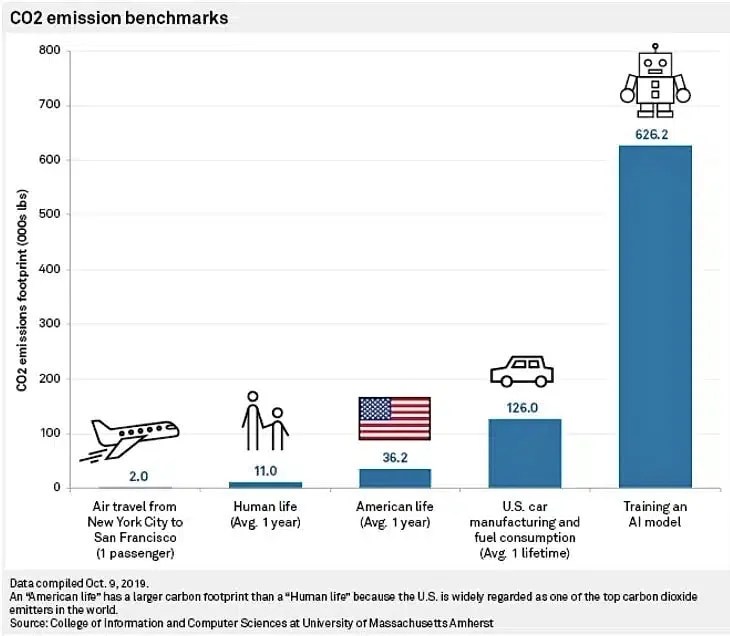
The estimated CO2 emissions from training common NLP models, compared to familiar consumption (University of Massachusetts, 2019)

Generating a single AI image uses several times more energy than a text request. One article with five or six AI images might be using the equivalent electricity of leaving a laptop running for hours. Multiply that by thousands of articles, social posts, newsletters and ads, and suddenly it’s not trivial at all.

Zoom out a little more and the picture gets uglier. AI-related data centers are already using as much electricity as mid-sized cities. Estimates put global AI power demand on track to rival places like San Francisco or Boston within a few years. That’s millions of homes worth of electricity being burned so companies can automate writing, art and video at scale. AI doesn’t just steal jobs, it steals our resources.

Now stack dozens of these facilities across drought-prone states and you start to see why people are angry.

And they are angry.

Lately, I’ve seen organizers in Arizona, Pennsylvania and Georgia mobilize against new data center construction. Nobody wants these things in their communities. They strain power grids, drain water supplies and mostly benefit companies that don’t live there (don’t they always?). Luckily, these fights seem to be working. Projects are being delayed, while others are being stopped altogether. We can and will win against these tech oligarchs, but first, we need to be smart about our usage.

This is why it’s so frustrating to see articles about resistance, climate justice or helping nature paired with AI-written images. You can’t talk about fighting extraction while actively participating in it. You can’t warn about corporate overreach while relying on the most opaque, resource-hungry tech industry on the planet.

And it’s not just images. AI-written articles, AI-edited videos, AI voiceovers, all of it runs on the same infrastructure. Longer outputs mean more compute. Videos are especially brutal, far more than text or AI generated images. That one slick AI video you just posted (or liked) could represent the electricity use of a household for days. Yes, dayzz!

The worst part is how little transparency there is. AI companies won’t clearly say how much water or energy a specific model or request uses. Communities are asked to trust them, just like users are. Meanwhile the meters keep spinning.

Just to be clear, I’m not saying we need to go off-grid or stop using technology entirely, but we should start making conscious choices. Take your own photos. Use art made by real people. Scan a drawing, even a bad one. Use stock photos from photographers who actually went outside and did the work. Write things yourself or don’t write at all!

If you’re serious about resistance, about protecting nature, about fighting back against corporate power, your tools matter. Using AI by default, especially for images and media, actively undermines your message. People feel that contradiction, even if they don’t always have the numbers to explain it.

Food for thought.

Thank you for stopping by.

Teekay.

European cities

Realizations after 9 years of living and traveling in Europe

Suddenly, the world feels so small.

It’s funny how easily we take things for granted once we’ve lived them.

I hadn’t set foot in continental Europe until I was 17. I was never particularly fascinated by it, but I was curious, mainly because I’ve always been a football head (aka soccer). My understanding of Europe came almost entirely through football. It’s surprising how much you can learn about a place through the way it presents itself to the world.

For me, football was Europe’s Hollywood.

Sure, I’d read books by European thinkers like Rousseau, Voltaire, Dostoevsky, Adam Smith (dad’s an economist), Marx (capitalism’s greatest critic), Montesquieu and plenty of Greek philosophers, but most of them weren’t contemporary thinkers. They wrote about their own times, their realities. Football, on the other hand, made Europe feel present, dynamic, real. It gave me a window into the continent’s character.

For instance, I knew about the English and their pub culture way before I had set foot in England. I already knew they loved to drink before games, loved to sing in the stands and viewed the sport almost like a religion.

The Dutch, with their total football philosophy, played the game differently. Organized, intelligent, team-oriented, their football reflects a society that values structure and versatility.

The Germans famously love their beer. Bayern Munich holds a photoshoot every year to promote Oktoberfest, which I only knew about thanks to their events.

The Turks are loud and proud. Fireworks in the stands, packed stadiums on a weekday, and fans who treat football like life or death, it perfectly depicts their character.

The Spanish, on the other hand, are just as proud, but more divided. The Basques, Catalans and Andalusians all bring their own flair to the game. They also have their own holidays, like San Jordi (Catalan Valentine’s day), and you learn about those through football too.

The Italians are perhaps the only ones who proudly exposed the ugly face of their society through the beautiful game: their racism toward Black players, their theatrics and machismo are ever present on the pitch and off of it. Their passion is unmatched and unapologetic, but so is their cheating. Not great, thank God people outside of football are different.

Anyway, last but not least, the French. It was already striking to me how different people within the country were. France is so diverse, which I already knew then, but which became even clearer the second I set foot here.

I’ve been to more than 20 European countries since moving here, and visited over 100 cities in Europe. I’ve made lifelong friends who became family. I studied, partied and worked with them. Better yet, I ended falling in love with a European, who then became my wife and lifelong partner. Who would’ve thought?

And yet, I take it all for granted now.

I love living in Europe, and there is nowhere else I’d rather be, but traveling around Europe doesn’t excite me as much as it used to. It feels like I’ve seen it all, which, of course, isn’t true.

It’s strange how easy it is to feel indifferent to things you once dreamed of.

Gratitude, I’ve learned, isn’t just a feeling. It’s an action. A choice.

Our next trip in Europe will be to the Balkans, and Greece. Albania, Montenegro and Bosnia are on our list. I hear the culture there is very different to Western Europe, which is super exciting!

Thank you for stopping by.

Peace!

Teekay

cabin in the woods

Living without electricity isn’t as hard as you think

Millions of people do it, no bid deal.

Living without a connection to the grid, and mainly the electric grid is a significant lifestyle change.

As a lifelong explorer and survival enthusiast, I’ve always hoped for the best but prepped for the worst.

Live off the grid by Teekay Rezeau-Merah
Off-grid living, photo by Alex Bierwagen

In most Western countries, fundamental commodities such as electricity, running water, well-maintained roads, and a wide range of goods and services are conveniently accessible. However, life is quite different in other parts of the world.

  • Travel with me

For instance, when my family and I relocated to Mozambique in 1996, basic provisions like sugar and cooking oil were exceptionally scarce. Similarly, when we moved to Ethiopia in 2004, dairy products and sugar were also in short supply.

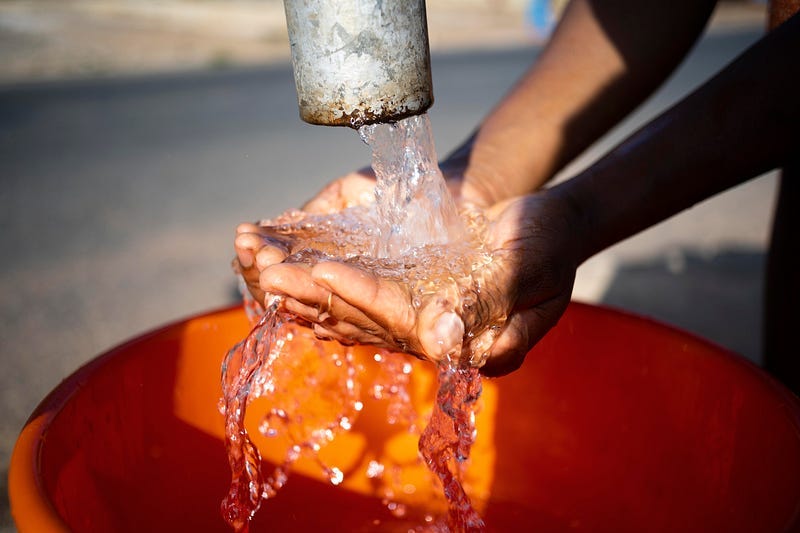
Not only that, but during our time in Cape Town (South Africa), Maputo (Mozambique), Algiers (Algeria), Addis Ababa (Ethiopia), and (very briefly) Cairo (Egypt), water scarcity was a prevalent issue, particularly during the summer months.

In fact, we used to get up at 4 AM to fill up our water tanks and jugs.

Unfortunately, water shortages are still widely common, and some fierce battles for control over water have already begun.

  • Water wars
water scarcity by Teekay Rezeau-Merah
Water battles, Image by Freepik

Take the above-mentioned region of East/North Africa for instance. The Nile River is at the heart of an ongoing battle for water.

Indeed, Ethiopia, Egypt, and Burundi are all entangled in a high-stakes discussion that could reshape their destinies.

Long story short, Ethiopia’s audacious endeavor, the Grand Ethiopian Renaissance Dam (GERD), an engineering marvel rising on the mighty Blue Nile has cause a lot of discussion and anger in that region, rightfully so.

Such an endeavor endangers both Egypt and Burundi, who fear the ripple effects of such a grand project.

  • An electricity-free lifestyle
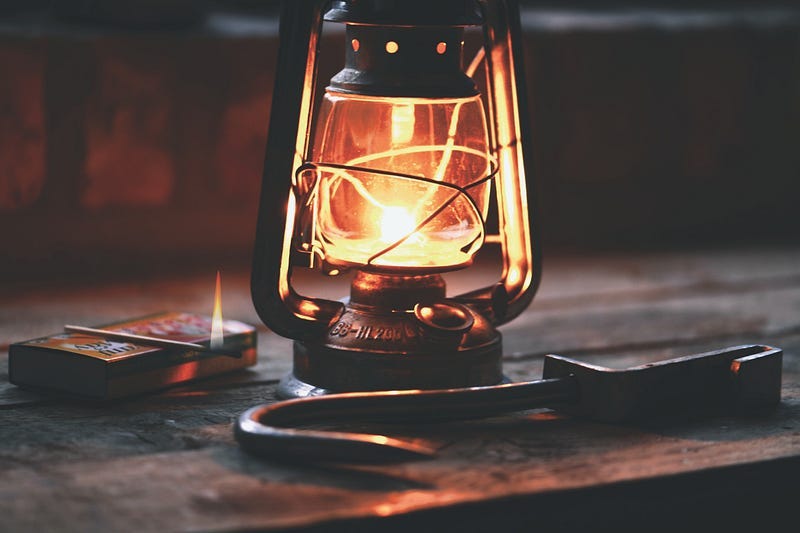
oil lamps and candles by Teekay Rezeau-Merah
Oil lamp by Photo by Bernard Tuck

Now, in a perplexing paradox, frequent power outages were extremely common in Ethiopia, and I mean several-times-a-week common, even though Ethiopia possesses ample electricity to meet its population’s needs.

Surprisingly, this occurs because the local government chooses to export their energy to neighboring nations, leaving their own citizens in the dark.

I spent over four years (teenage years) in Ethiopia, over four years of persistent power cuts, so I learned a thing or two about adaptability and ingenious hacks to beat the system.

  1. First of all, I hate artificial (street) lights. One of the things I miss the most about Africa is the tranquil stillness of the night. I always found the incessant intrusion of artificial lights aggressive. 
    With that being said, I love candles and oil lamps with all my heart. They embody a charm that captivates me entirely. Indeed, candles and oil lamps are a gentle alternative to artificial light, as they gracefully replace it without imposing their presence. Their warm glow is synonymous with coziness, while their soft illumination remains pleasing and comforting to the eyes. Perfection!
  2. Many of us rely on electric utensils and stoves for cooking, not in Africa (not back then at least). 
    My family always opted for non-electric cooking methods like gas or an outdoor wood-burning stove. Dutch Ovens are also pretty awesome if you want to cook bread and pizzas. No power, no problem.
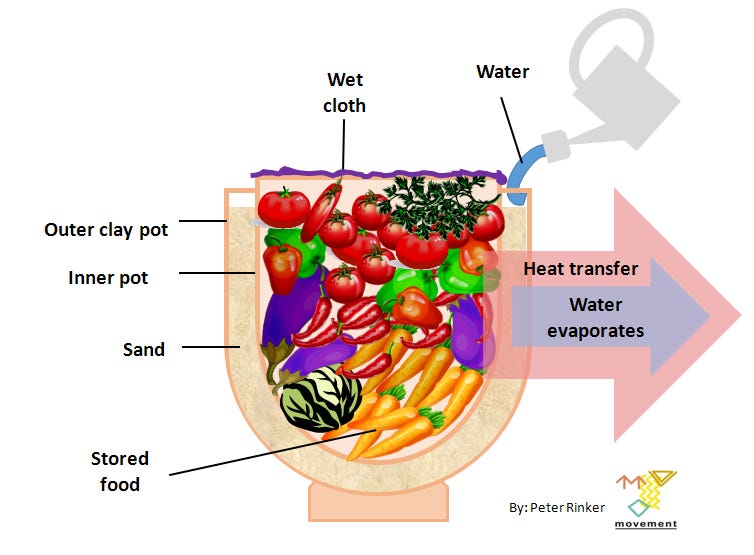
  3. Food storage: This is a big one. “How did you survive without a fridge?”. First of all, we did have a fridge, it was just turned off most of the time. Since we never had an underground cellar storage (that would’ve saved us the hassle), we had to relearn about ancient cooling techniques, like pot-in-pot coolers (or clay pot coolers). 
    Here’s how they work: First, you’ll need two terra-cotta pots. Place one (the smaller one) inside the other, allowing for an approximate 3 cm (1.2 in) to 4 cm (1.6 in) gap between them. Fill the gap with sand, then saturate it with water.
    Finally, place your fruits and veggies inside the small pot and cover everything with a wet towel.
    As the water slowly evaporates from the cooler, heat is taken from the clay pots, keeping the temperature of the food cool inside. 
    But that’s not the only way to store food, you can also learn about preservation techniques like canning, pickling, and drying.
  4. Heating and cooling: Africa isn’t as hot as they say in movies, it actually gets pretty chilly over there, depending on where you are.
    Fun fact: You can ski in Africa. In fact, there’s so much snow in Algeria, Morocco, and South Africa that they have their own ski resorts, with approximately 40 kilometers (25 miles) of ski slopes. 
    Anyway, one of the most efficient techniques to regulate indoor temperatures is known as “passive solar design”. Passive solar homes use natural ventilation and insulation techniques to regulate the temperature indoors.
    However, in colder climates, wood-burning stoves and passive heating methods like thermal mass and efficient insulation are common. 
    In hotter climates, shading and natural ventilation were our go-to, with evaporative techniques coming in handy (with battery-powered fans).
  5. Water supply: As stated above, we had tankers (or water tanks) in all of our homes. Our water tanks were always placed above the house, allowing for gravity to do the rest.
    However, in total transparency, we still relied on an electric current (and water pump) to get the water up there. We used it once to twice a week. 
    Other methods we used were conventional water wells, hand pumps, and rainwater collection systems. I used to LUHV elaborating and kidgineering rainwater collection systems around the house!
  6. Communication: Well, most of what I’m telling you here went down between 96 and 2010, so iPhones were pretty much nonexistent (for the most part). 
    However, I did have an MP3, then the first iPod, on which I watched hundreds of movies and my favorite bootlegged series. I used to charge my electronics at school or on our drive home.
    We also relied on our landline a lot back then.
  7. Speaking of entertainment, the reason I spent so much time kidgineering and playing outside was that I had no other choice. Video games were a big no-no till I was 15 or 16, so reading, playing board games, puzzles, biking, and pursuing outdoor hobbies was all I did.
    I also read the newspapers. No, this wasn’t the ‘70s ^^
  8. Hygiene: Have you ever washed your clothes by hand? And I mean ALL your clothes, not just a pair of socks? Well, I have, and most people still do. It’s no big deal, it’s pretty fun actually.
  9. Human-powered appliances: My grandma (who obviously didn’t live with us) had the best appliance ever made: A hand-cranked coffee grinder. 
    I loved that thing!
    I genuinely believe we need more of this stuff today. It makes life so much more fun. 
    On a personal level, I’ll always favor an old-school kettle or manual food mill & grinder over new, electric ones. Also, I never owned a microwave.
  • Final Thoughts

Technology is convenient when used properly and I believe electricity is a blessing to humanity.

However, we ought to reduce our reliance on modern tech and learn how to live simply. As you can see, living without one of the most important inventions known to man, electricity, is doable, though it requires careful planning, resourcefulness, and adaptation to alternative methods. Assessing one’s specific needs and resources is paramount for such an endeavor, but it’s manageable and within everyone’s reach.

Self-reliance is the future.

Thanks for reading.

Peace.

Teekay.

WATCH: 31 Documentaries that will change your perception of food (with trailers)

You are what you eat.

An Updated Guide to Must-Watch Documentaries on Health, the Environment, and Animal Welfare

A few years ago, I compiled a list of powerful documentaries that opened eyes and sparked conversations about the connections between our diets, personal health, the planet, and animal welfare. Since then, new documentaries have emerged, offering fresh perspectives and deeper insights into these critical topics.

This updated list features 31 must-watch documentaries that will inspire you to rethink your choices, understand the broader impact of what’s on your plate, and consider the powerful role food plays in shaping our world.

Whether you’re passionate about health, sustainability, or ethics, these films are a compelling call to action, and a perfect way to kickstart meaningful change.

You Are What You Eat: The Twin Experiment (2024)
A twin-focused dietary experiment exploring the effects of different eating habits on health.
Notable Figures: None known.

Earthlings (2005)
A groundbreaking documentary examining humanity’s reliance on animals for food, clothing, and entertainment.
Notable Figures: Narrated by Joaquin Phoenix.

Dominion (2018)
Exposing the darker side of animal agriculture through hidden-camera footage.
Notable Figures: Narrated by Joaquin Phoenix, Rooney Mara, and Sia.

Forks Over Knives (2011)
A case for adopting a plant-based diet to combat chronic diseases.
Notable Figures: Dr. T. Colin Campbell, Dr. Caldwell Esselstyn.

What the Health (2017)
Investigating the link between diet, disease, and corporate influence in health organizations.
Notable Figures: Kip Andersen, Keegan Kuhn.

Cowspiracy: The Sustainability Secret (2014)
Revealing the environmental impact of animal agriculture.
Notable Figures: Directed by Kip Andersen.

Seaspiracy (2022)
A critique of the fishing industry’s devastating impact on marine ecosystems.
Notable Figures: Directed by Ali Tabrizi and Kip Andersen

Christpiracy (2024)
Examining the intersection of religion and ethical food choices.
Notable Figures: Directed by Kip Andersen and Kameron Waters.

The Game Changers (2018)
Debunking myths about plant-based diets and athletic performance.
Notable Figures: Produced by James Cameron, Arnold Schwarzenegger.

I Could Never Go Vegan (2024)
Addressing common excuses and challenges against veganism.
Notable Figures: None known.

Vegucated (2011)
Following three people as they attempt to adopt a vegan lifestyle.
Notable Figures: Directed by Marisa Miller Wolfson.

Milked (2021)
A deep dive into the dairy industry and its global implications.
Notable Figures: Created by Chris Huriwai.

Pignorant (2024)
Exploring the psychology behind ignoring the ethics of animal consumption.
Notable Figures: Created Joey Carbstrong.

Eating Animals (2018)
An exposé of industrial farming and its impact on food systems.
Notable Figures: Based on Jonathan Safran Foer’s book, narrated by Natalie Portman

Carnage: Swallowing the Past (2017)
A satirical take on a future where veganism is the norm and meat-eating is taboo.
Notable Figures: Directed by Simon Amstell.

The Smell of Money (2022)
Investigating the environmental racism tied to industrial pig farming.
Notable Figures: Guess appearance: Cory Booker

The End of Meat (2017)
Imagining a world where meat consumption has ended.
Notable Figures: Directed by Marc Pierschel.

The Invisible Vegan (2019)
A focus on the often-overlooked contributions of Black communities to veganism.
Notable Figures: Directed by Jasmine Leyva, guest appearance by John Salley

Mission Blue (2014)
Chronicling Dr. Sylvia Earle’s mission to protect ocean habitats.
Notable Figures: Featuring Sylvia Earle.

Eating Our Way to Extinction
Exploring how our diets are destroying ecosystems and biodiversity.
Notable Figures: Narrated by Kate Winslet.

Eating You Alive (2018)
Highlighting the health benefits of a whole-food, plant-based diet.
Notable Figures: Featuring Samuel L. Jackson, James Cameron.

H.O.P.E. What You Eat Matters (2018)
Demonstrating the health, environmental, and ethical reasons for eating consciously.
Notable Figures: Guests;  Jane Goodall, Vandana Shiva

Food Choices (2016)
A comprehensive look at how dietary choices impact health and the planet.
Notable Figures: Directed by Michal Siewierski.

Peaceable Kingdom: The Journey Home (2009)
Farmers recount their journeys from animal agriculture to veganism.
Notable Figures: Directed by Jenny Stein.

Simply Raw: Reversing Diabetes in 30 Days (2009)
Following individuals reversing diabetes through a raw vegan diet.
Notable Figures: Featuring Gabriel Cousens.

The Cove (2009)
Unveiling the horrors of dolphin hunting in Japan.
Notable Figures: Featuring Ric O’Barry.

Speciesism: The Movie (2013)
Challenging societal norms about animal exploitation.
Notable Figures: Directed by Mark Devries.

73 Cows (2018)
The journey of a farmer transitioning from cattle farming to sustainable living.
Notable Figures: Directed by Alex Lockwood.

Live and Let Live (2013)
Examining ethical veganism and its implications.
Notable Figures: Directed by Marc Pierschel.

Land of Hope and Glory (2017)
An exposé on UK factory farming practices.
Notable Figures: Directed by Ed Winters.

Rowdy Girl (2023)
A former cattle rancher turns her farm into an animal sanctuary.
Notable Figures: Featuring Renee King-Sonnen.

Why We Love Nature but Keep Destroying It

How can we do better, collectively?

My self-professed love for nature is no secret to my readers.

Being close to nature is and has always been my thing.

Nature is wondrous, full of beauty and peace.

Hiking photo by Teekay Rezeau-Merah
Hiking photo by author Teekay Rezeau-Merah

The reason I became a vegan minimalist was mainly to protect it and its inhabitants.

But doing so opened my eyes on a fascinating paradox, especially in the vegan and vanlife communities; a paradox I ponder upon on a daily basis.

Spending more time in the great outdoors allowed me to come to a poignant realization: The very nature that we, avid nature enthusiasts and animal lovers, hold dear to our hearts, is the very same nature we often unwittingly damage with our bad habits.

How can we enjoy something so much while simultaneously participate in its destruction?

Teekay @teekayrezeaumerah
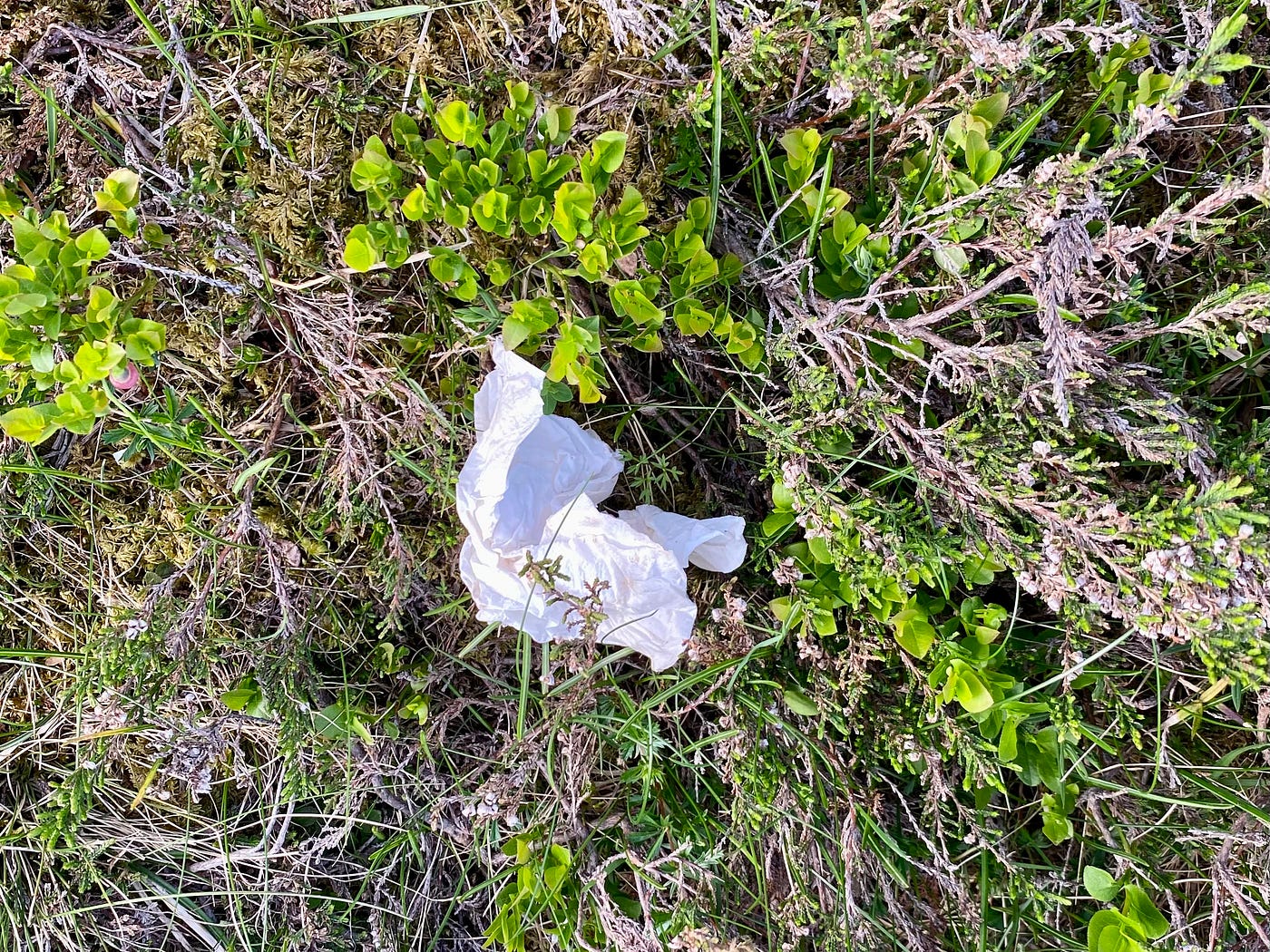
Please don’t leave toilet paper in nature (photo by author)

Well, here’s where my thinking is at the moment.

  • Reasoning

First of all, I want to make something clear: As pragmatic as I can be, my personal belief is that human beings are born good.

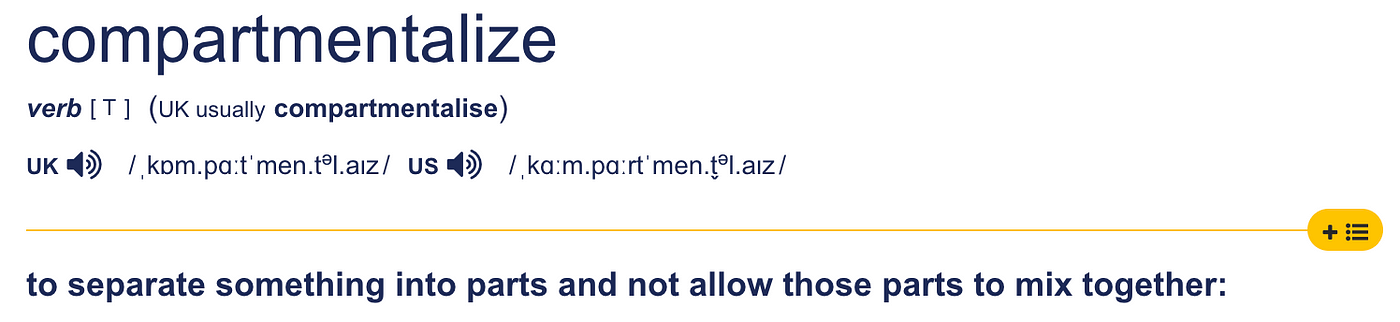
However, human beings are also amazing at compartmentalizing.

meaning of compatmentalize by Teekay Rezeau-Merah
Screenshot by author

A fitting illustration of my point is that of individuals who profess to be staunch advocates for human rights, yet they contradictorily sport Nike shoes, H&M dresses and Zara pants.

Note: If you don’t know what I’m hinting at, read this.

The same can be said about vegans who consume palm oil, or vanlifers who consume animal products (that destroy the very nature we want to be surrounded by).

Now look, I always say life is all about balance, and I believe it is, but sometimes — often times — rocking something ethically sourced won’t hurt you in any way, shape or form. Perhaps you’ll pay more for it, but you don’t have to if you buy second hand.

This applies to almost all consumables.

So the first takeaway from this piece is to think twice before your next purchases. Always consider the added value of what you buy, its environmental impact and whether there are other alternatives.

That’s one way to tackle this paradox.

Another reason we engage in actions that cause harm to nature is our toxic sense of entitlement, or deservingness.

This manifests itself in different forms: Arrogance, greed, boastfulness or in some cases, negative narcissism.

Some of us behave as if the world owes us. This sense of entitlement emanates from a lack of self-awareness and gratitude, which itself is the result of a Godless, non-religious and non-spiritual society.

Many people believe, wholeheartedly and arrogantly, that everything they have was owed to them.

Hustle culture prescribes “hard work and determination” as the ultimate solution for success, often discarding external factors that also contribute to one’s accomplishments.

Unfortunately, such attitude blinds us from seeing the bigger picture: That none of what we have, none of what we achieve is truly ours, and that it can be taken away from us at any time. It will be when we die.

More humility would do us all a world of good, and without it, we will continue indulging in things that harm us and everything we love.

When the last tree has been cut down, the last fish caught, the last river poisoned, only then will we realize that one cannot eat money. — Native American saying

The third reason behind this great paradox is our lack of concern for the future.

In other words, selfishness.

Social Media may have exasperated this, but many people believe they MUST prioritize their own pleasures and conveniences over the well-being of the environment and future generations.

It’s sickening when you think about it.

But I don’t blame us, not entirely. If anything, we were programmed and brought up this way, but it’s time for a change, a big one.

As a matter of fact, we can’t live like we did 30 years ago, times are changing and so should we, evolution and all.

Indeed, our planet can’t sustain our greed and selfishness for too long, and the time to turn things around is now.

I would never advocate for anything radical, life is all about balance once again.

As such, we don’t have to move to self-built huts, nor do we have to wear banana leaves, but it’s our duty to watch what we consume, how we consume it, and what we want to support.

Your dollars are more potent than your vote and your words. So put your money where your mouth is.

  • How

You see, I often write about boycotting certain products: Palm oil, white sugar, animal products, single use plastic, brands that pollute our water and source their products in Chinese slave camps and Bengali/Indian sweatshops, brands that support wars, so on and so forth.

To take part of this would make the world significantly better. To do so and to raised our collective awareness is as close to perfection as we can get.

That and reversing consumerism. Remember, minimalism (and essentialism) isn’t just an aesthetic, it’s a philosophy.

In 1927, a Boston-born, Harvard educated son of immigrants went to work for Lehman Brothers. His name was Paul Mazur and his interest in the economics of consumption and retailing made him a rising star in the investment banking establishment for more than 50 years.

Mostly he was responsible for manipulating the psyche of the American consumer. — Sherry Truitt

His philosophy in a nutshell:

“We must shift America from a needs, to a desires culture,” He wrote. “People must be trained to desire, to want new things even before the old had been entirely consumed. We must shape a new mentality in America. Man’s desires must overshadow his needs.”

“Man’s desires must overshadow his needs.” That’s a powerful statement, and a scary one.

So you see, as stated above, human beings are born good, but we were led astray for many decades.

Indeed, our actions are often shaped by cultural and societal norms. Unfortunately, said norms favor efficiency and convenience over wellbeing and ethics. They also favor desires over altruism and consumerism over self-awareness.

We all follow patterns and attitudes considered “normal” in our society, hence why we hardly question anything.

With that being said, let’s not forget that we’re still human, and luckily for us, God bestowed upon us reason and logic.

God gave us free will too, so it’s on us to outgrow our biases and harness original thinking.

  • Final word

All in all, the paradox of enjoying and destroying nature at the same time is a complex and deeply ingrained issue.

It’s not just about individual behavior, it’s rooted in our cultural, political, and economic systems, making it extremely difficult to shake off.

The one thing I want to leave you with is to question things and at least make sure your actions are aligned with your values, that’s it.

Perhaps some of us have a stronger moral obligation to protect nature, while others don’t. That’s okay, life can’t be perfect and neither can we, but does that mean we should stop trying?

Peace!

Tee.

How to Choose the Best Writing Platform for Your Content

Personal website, Medium, Substack, how to choose the best strategy.

The greatest challenge for a creator is being spread too thin. The internet era has brought a wealth of tools and platforms for publishing, many of which are free, making it difficult to commit to just one.

Floppy disks by Teekay Rezeau-Merah
Photo by Fredy Jacob

As a long-time fan of blogging, I returned to the practice in 2020, choosing WordPress for its ease of use and affordability, especially if you skip the fancy plugins.

WordPress was intuitive and allowed me to rebuy my own domain. My domain, moreteekay.com, is a brand I created 14 years ago on Tumblr (do people still use Tumblr btw?).

Moreteekay is an ecosystem, a collection of tools and content types that I use to express my creativity, share important messages, and inspire change in any way I can.

It encompasses my blog but also links to my Medium page, my newsletter, and my LinkedIn page, as well as my audio show and parts of my photography portfolio.

As I work my up the acting realm, moreteekay will also include my filmography in the not-so-distant future, God willing.

  • Attention is the new currency

To capture attention in a sea of online noise and compete with media behemoths, creators must have a compelling story and a unique voice.

Making a name for yourself on Google without spending money is nearly impossible nowadays. You’re competing with companies that spend millions of dollars every year.

Focus is the key here.

  • My new strategy is completely different.

For a few months, I made the mistake of publishing the same pieces on my blog, Medium, and newsletter simultaneously. The issue with this strategy was that some of my followers subscribed to all three platforms and were overwhelmed with the same content three times a week. Not ideal (sorry, guys).

Those times are over.

From here on out, my usual how-tos, health tips, environmental solutions, and personal stories will remain on Medium.

My newsletter, on the other end, will exclusively feature my Vanlife stories. Comment below if you want an invite.

Lastly, my WordPress blog will serve as the hub, the glue holding everything together. It will feature the most important updates and links to my writing, socials, podcast, IMDb page, and more.

I mainly took this decision because building a native community on WordPress is quite challenging, while it’s far more feasible on Medium and Substack.

What is your distribution strategy?

Thanks for reading.

Peace!

Tee.

Unapologetically ourselves

Roots you can see

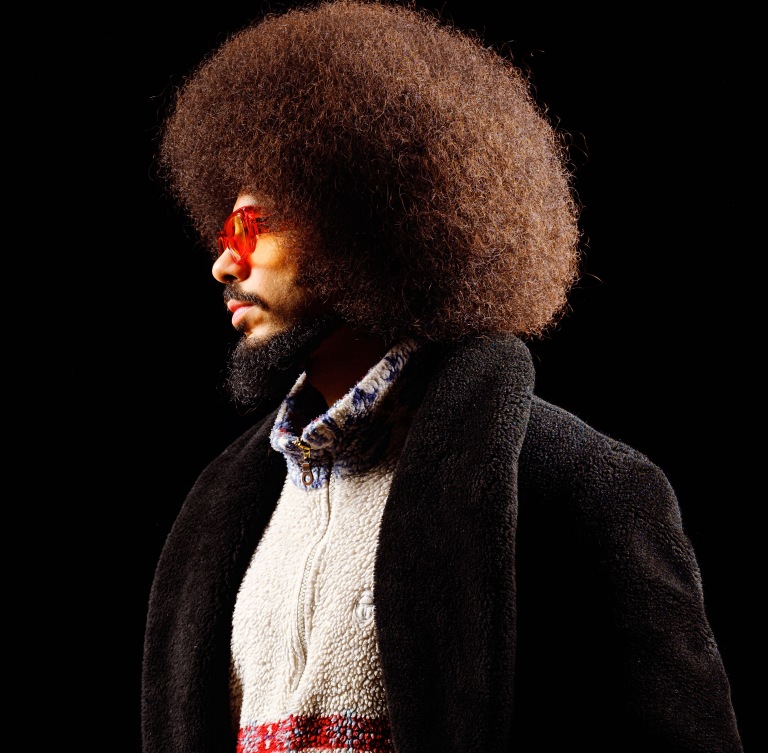
A man stopped me in the street once and asked how long it took to grow my afro out.

I figured he wanted it for himself. He didn’t. He was thinking about his little kid and wanted to know if life with an afro in Europe was hard.

We talked for 15 minutes. Two strangers, one head of hair.

That’s my normal. Every time I leave the house, someone comments on it. Older folks say it takes them back. Younger ones see a fashion statement, or a celebration of an authentic self.

I don’t mind either.

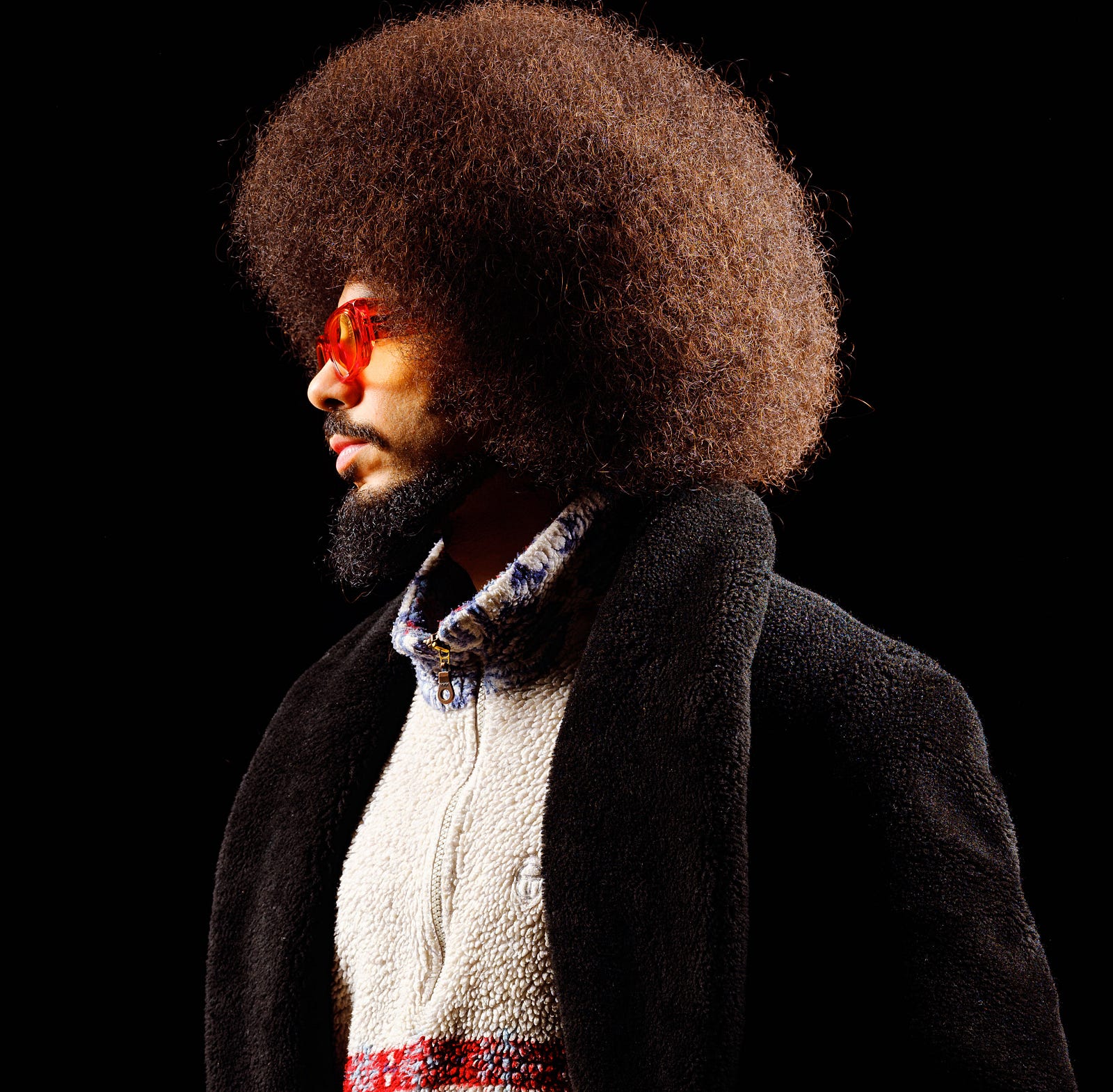
Picture of the author, Teekay Rezeau-Merah

Then there are the stares. The judging kind.

I’m mixed, and my hair is the one trait that’s 100% African. I grew up with it always up for discussion. I’m not the first. Black hair has been a public topic for centuries, and it still is for people of African ancestry everywhere.

People stare because Western beauty standards crowned straight and silky as the ideal. Everything else got labeled unconventional, or worse, unprofessional. Those norms have oppressed Black and brown people for generations, and they’re stubborn.

So natural Black hair still turns heads at the office and in formal settings. It shouldn’t.

“Nappy” was once thrown at Black hair as an insult. Many of us learned to hate it. That’s what centuries of racism and minority bashing do to a person’s mirror, but the way Black people wear their hair has always said something about identity and place in society.

The afro rose with the Black Power movement of the 60s and 70s. It was a turning point. Black Americans reclaimed their African heritage and wore their natural looks like a flag. The afro became a symbol of pride and revolution worldwide.

Wearing one today feels different. Nobody’s marching, but the stares haven’t gone anywhere.

That’s why my ‘fro matters to me.

Black and mixed kids look genuinely happy to see me. Nearly all of them wave or ask questions. They want the same hair, and their parents often look just as pleased with the idea. Seeing it on someone else proves it can be done.

That’s the power of representation.

My afro is also a celebration. It’s self-expression and self-love. Through it I celebrate my heritage, my ancestry and myself. It’s part of my identity, and it feels amazing.

But make no mistake, this big ball of hair is also defiance. It rejects the Western standards of beauty that have been imposed on the world for centuries.

To my Black and brown readers, your hair is amazing, and I hope you’ll embrace it.

If you straighten it or wear wigs, I get it. You grew up in a world that taught you to hide your roots. But ask who the choice is really for. Those standards only survive as long as we keep feeding them.

We owe it to ourselves and to the next generation to challenge them. There’s nothing wrong with embracing your looks proudly and unapologetically.

To my white friends, you’re reading this for a reason. Keep pushing for social justice. I appreciate you more than you know.

Teekay

Own less

19 Everyday Things We Own Too Many Of

From cash to trash.

Your home is meant to be a sanctuary

You home wasn’t meant to become a graveyard for your old gadgets and excess stuff.

Home is where we retreat from the outside world, unwind, and recharge ourselves. It’s where we seek solace, relaxation, and tranquility.

Americans spend $1.2 trillion annually on nonessential goods. In other words, items they do not need – The Wall Street Journal.

For most people, home has become the place where they store their stuff.

  • Do you ever feel overwhelmed by the clutter in your living space?
  • Is it a challenge for you to locate items or decide what to wear?
  • Are you occasionally faced with a shortage of hangers?
  • Does the sight of your closet alone make you feel tired?
  • Does it take an excessive amount of time to tidy up your home?
  • Would relocating from your current residence require multiple utility trucks?

If you find yourself answering “yes” to any of these questions, here are the likely culprits for this draining situation.

Note: The following examples and numbers paint a jarring picture of excessive consumption and unnecessary accumulation. Clearly, many of us have far too much stuff.

  • Food storage containers

How many containers does one need ? Research says 6 to 10 containers per person, we’ve got 3 in our home, for 2 persons.

It’s shocking to me that people hoard these things. Some accumulate them to the point of overflowing cupboards!

Wouldn’t it be great if neighborhoods and buildings provided a designated space where people can share their surplus containers, allowing others to utilize them as needed ? This would help curb the unnecessary purchase of food containers and promote a more sustainable approach to storage.

Note: This doesn’t apply if you meal prep, which is awesome by the way.

  • Pens

There are already enough pens in circulation that many of us could go years without buying another.

Most people don’t use pens anyway.

  • Auto tools

You don’t need ten wrenches, Bob ! Seriously, you don’t. One is enough, two is MAX, unless you’re a mechanic.

And just like with containers, I wholeheartedly believe neighborhoods and buildings must provide a space where people can share their tools.

I got mine when I was building my Campervan. I’m more than happy to share them with others.

  • Reusable shopping bags

Reusable shopping bags are the new plastic bags.

A massive scam.

People collect those even more than they did plastic bags, because they paid more for them.

The problem ? Reusable bags require more plastic, energy and fabric to make.

Forgot your bag at home ? It’s okay, just grab what you can carry. You won’t die of hunger, and it’ll train you to think about your bag next time.

Also, always leave a reusable bag in your bike/car or coat.

Better yet, we must promote the introduction of returnable bags. They have those here in France, they cost 15c each (pricey), which is refunded back to you when you return them.

In fact, we don’t have ANY bags at home, reusable or otherwise. We operate with returnable bags only (and my backpack if need be).

  • Handbags

Why do people even buy those ? When did this trend begin ?

Since around 1500 AD, handbags have been an essential part of everyday life for both men and women.

It wasn’t until the post-war economic period of the 1950s that handbags were propelled into a cult status.

Can we go back in time ?

To those of you who own a thousand and one bag, you only need ONE, two tops.

It kills me to notice people, particularly women, having an extensive collection in their closets and consistently using the same old handbag. Sell them !

  • Backpacks

Why would anyone purchase a new backpack if they still have the old one? Aesthetics? Boredom? Maybe a size or quality upgrade?

Whatever the case may be, how about you retire the old one (by giving it to charity) before purchasing a new one ? Just an idea.

  • Coats

What do you need THREE coats for? It’s not like you can wear them simultaneously, right ? Think about it.

  • Vases (and other decorative objects)

I don’t even know why vases exist, such a waste of energy, materials and space in my opinion. I like my flowers in a garden, but to each their own.

  • Toys

British research found that the average 10-year-old owns 238 toys but plays with just 12 daily — The Telegraph.

3.1% of the world’s children live in America, but they own 40% of the toys consumed globally — UCLA.

Let your kids play outside, run around, play sports. Some toys help children develop their curiosity and learn about the world, which I’m all for, long as we buy them used. There are enough toys out in the world that’ll never see the light of day ever again, and even more toys in landfills. Enough !

Let’s stop wasting resources and start thinking differently. By the way, gifts don’t always have to be NEW.

  • Kitchenware

Perhaps I’m a bit extreme but I only have one single plate, and my wife has one too. A couple of bowls and a mug complete our tableware set ^^

If you’re the type to host lots of gatherings and parties, it makes sense that you have more, but we don’t really, so that’s that.

That said, there are billions of used plates and bowls (and other kitchenware) in the world. Stop buying those at IKEA, flea markets are where it’s at !

Note: We only own one mug because I love drinking out of my 34Oz reusable bottle. Easier to keep track of my water intake that way, and less “stuff” to clutter our home.

  • Furniture

Nightstands, bed frames (unless absolutely necessary, like for people with bad knees), shelves, chairs, TV stands, coat racks and everything in between. We don’t own any of this stuff and we’re extremely happy with our lives.

Don’t clutter your sanctuary with useless furniture. It costs money, it’s heavy to carry, it makes cleaning more annoying and most of it serves no real purpose.

Empty spaces don’t always need to be filled.

  • Hangers

If you don’t have enough hangers for your clothes, you have too many clothes.

It’s time to stop buying new and to get rid of all that excess.

By the same token, this logic also applies to closet space: If you don’t have enough space in your closet, you have too much of whatever you’re trying to store in there. Declutter.

  • Clothes

Speaking of which, we all have too many clothes. I don’t even have to know you to say this.

The average American woman owns 30 outfits — one for every day of the month. In 1930, that figure was nine — Forbes.

Also:

The average American throws away 65 pounds of clothing per year — Huffington Post.

Need I say more ? Sort that stuff out, have just what you need.

Each year, we produce as many clothes as humans have ever existed on Earth. Over 100 billion, for 8 billion people living.

  • TVs

Why would anyone need an iPad, an iPhone, a MacBook AND a TV ?

Some homes have more television sets than people, it’s crazy ! For me it’s a sign of civilizational decline. It hurts to think nowadays.

Americans spend more on shoes, jewelry, and watches ($100 billion) than on higher education — Psychology Today.

Besides, it’s also time to refocus our attention on how energy consuming TVs are to make and to use.

That aside, we must also find new solutions to FIX them. It makes no sense that fixing an appliance costs as much as buying a new one, it really doesn’t.

Also, we’ve reached a point where TVs are slim enough and smart enough that we hardly need more quality, so why are we pushing for more ? What’s the point ? Most TVs today offer 4K quality, which is already too much.

Want to enjoy a GREAT movie ? Go watch it in a movie theatre. Otherwise, your laptop is more than enough for your late night lullaby.

  • Offsite storage units

If you live in an apartment, a house or anywhere in between and feel the NEED to have an offsite storage unit, you have a problem.

Your stuff isn’t supposed to take up that much space. If you can’t contain it, get rid of it.

  • Grooming and hygiene products

People have dozens of shampoos, body lotions, shower gels, and an array of other “beauty” products in their bathrooms.

The multitude of these items cluttering up drawers creates a sense of disorder, disarray and mental fatigue.

But I get it. The “latest and greatest” always looks better. Packaging is always evolving, and marketers work hard to make us buy more.

However, we’ve all been blessed with a sense of logic and reason. Often times, these shiny new objects don’t live up to our expectations. Instead, they end up abandoned in drawers, collecting dust.

They’re also a waste of money and resources, and are likely to end up in landfills or worse, the Great Pacific Garbage Patch.

Think before you buy.

Note: I personally use a single natural, organic, vegan and local bar of soap to wash my hair, my face and the rest of my body. My wife and I also share a natural Shea butter bar to keep our skin healthy and hydrated.

Aloe Vera is another great option for the skin but is often sold in plastic, so we don’t buy it.

As for oral hygiene, I use my Miswak during the day and baking soda to brush my teeth after meals. My wife often uses solid toothpaste (so no plastic in our home).

  • Non-refillable toiletries

Plastic bottles (of all sorts) must be illegal by now. Plastic shampoos and shower gels must be the first ones to go.

I strongly believe that refillable toiletries are the way to a more sustainable future, and I advocate for a higher initial cost when purchasing them.

A higher price point would discourage people from disposing of these items after use, encouraging greater reusability and reducing waste.

  • Travel size toiletries

People don’t even travel that much, the fact they steal (or borrow permanently) travel size toiletries to keep them in their bathrooms is beyond me.

The greater the usage, the higher the production rate of any particular item. Supply and demand. If we want to eradicate plastic, we must stop financing and promoting the plastic industry.

For those who already have travel size toiletries, don’t toss them. Instead, put them in your shower and use them.

Better yet, give your toiletries to a local homeless shelter or women’s shelter that accepts them. It’ll lighten your load and help someone in need at the same time.

  • Humans

Yeah, there are way too many humans on this planet.

  • Final Word

Presently, North America and Western Europe, comprising merely 12% of the global population, contribute to 60% of private consumption spending.

In contrast, the combined population of South Asia and sub-Saharan Africa, accounting for one-third of the world’s pop, represents a mere 3.2% of private consumption spending. (Worldwatch Institute).

Do you see the problems here ?

It’s not just that we overconsume in the West, because that’s a given. But what will happen when South Asia and sub-Saharan Africa starts consuming as much as we do ?

Because they’re coming, and they want everything we have. After all, why would they not ? Many people look up to this absurdity and want the same for themselves.

Consumerism, fashion and flex culture will be the death of us. They are a sign of the dumbing of our current generation. After all, there are more shopping malls than high schools in America, and 93% of teenage girls rank shopping as their favorite pastime (Affluenza).

Question everything guys. Food for thought.

Thanks for reading.

Read more of the same on my Medium page.

Tee.
The Age of Unprecedented Competition

The life of the average man is going to be more competitive than ever.

Numerous people have written about AI. Most focus on the technology itself, whether it’s a blessing or a threat.

I’m less interested in AI than in what it will demand from us. Because regardless of what happens, one thing seems certain: life for the average person is about to become far more competitive.

Is there reason to worry?

One thing is for sure, life always gets worse before it gets better.

This new era won’t be any different.

Those who adapt will thrive. Those who don’t will struggle.

The world has always favored the fittest, those who stand out. Being average is costly when it’s not convenient anymore.

  • What does it take to stand out ?

Well, you won’t like the answer, my friend, but it takes a lot of suffering.

The cure for pain is in the pain.

Embrace your losses, embrace being discriminated against, injustice, the rigged system. Embrace it, but never accept it. Fight it, that’s how you become resilient, tough.

You have to GO through it in order to GET through it.

Good times make us soft, so let the struggles begin, let it come, we’ll be fine.

Have some faith.

After all, as time passed, the world got meaner. It’s always been like that. This won’t be any different.

Our history is plagued with long periods of cruelty and conflicts. Cruelty has a thousand faces, AI may just be one of them, like automation was a few decades ago.

But again, going through bad times builds resilience, we just have to learn how to manage our demons.

I know not everyone can, which is unfortunate, but humans are as strong as our weakest link. There’s hope in that.

Don’t cower away from difficulty, don’t try to drown your problems. Don’t be that person.

Cowardice feeds our weaknesses.

Face life with bravery and remember, bad things happen to make exceptional people.

If you’re a man of God like me, think about all the messengers that came before us, all the things they went through.

It’s no coincidence.

Whether it’s AI or something else, humanity will always prevail.

Believe.

Thanks for reading.

Teekay

Neuromarketing power

How marketing manipulates your brain through mirror neurons

A concept you never knew existed.

A hand peels an orange on your screen. The skin tears. A fine mist catches the light.

Your mouth waters.

You didn’t touch anything. You didn’t smell anything. You’re sitting there scrolling and your body just reacted to a stranger’s breakfast.

Somebody designed it that way. And I used to be one of the people who did.

The monkey that didn’t move

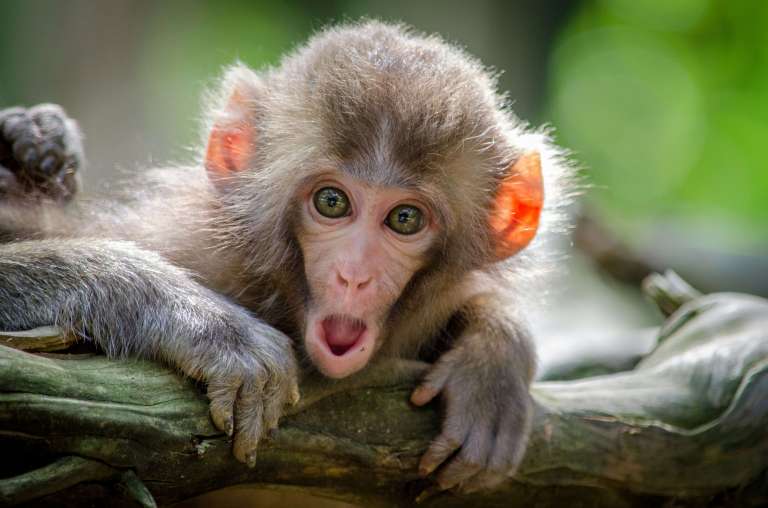
In the 90s, researchers in Italy were recording the brain activity of macaque monkeys. One neuron fired every time a monkey grabbed a piece of food.

Then it fired again when the monkey only watched someone else grab it.

The monkey wasn’t moving. Its brain acted like it was.

They called these cells mirror neurons. The idea is that doing an action and watching one share some of the same wiring. That could explain how we imitate, learn and read other people’s intentions.

A fair warning. The evidence in humans is harder to pin down, and scientists still debate how much mirror neurons alone can explain. But the broader finding holds up. Brains simulate what they observe.

Marketers don’t need the debate settled. They only need the behavior.

How mirroring made me fluent

I speak six languages, a few of them at a native level. I don’t credit talent. I credit imitation.

I copy how native speakers sound, not how the words are spelled. Spelling lies. Sound doesn’t.

Even with a tiny vocabulary, I copy the music of the language first. I learn far faster this way than I ever did before, and I hardly forget anything.

Imitation in monkeys and children is a form of social learning and social integration. That’s how we learn the norms, gestures and expectations of our tribe.

Feeling without touching

The mirroring doesn’t stop at movement. Researchers have found that watching someone get touched can activate some of the same brain regions as being touched yourself.

Virtual reality leans on this. Therapists use it to help people face phobias in a controlled setting, and it has helped some people heal.

Where marketing comes in

As an ethical marketer, I owe you this part.

I studied this during my MBA, where neuromarketing was my minor. Later I used some of it in real campaigns.

Old ads showed you a product. Modern ads show you a person using it. A hand, a bite, a sigh. The goal is to make you feel the experience before you’ve paid for it.

And a feeling you’ve already had is easier to buy.

Texture sells before touch

Soft, velvety packaging suggests comfort and luxury before anyone holds the box. Matte finishes tend to signal quality and calm. You feel it through the screen, and no one has to hand you anything.

Sound and image

Crisp pours, slow unboxings, the crunch of a first bite. Audio and video can evoke touch and taste through the senses we can reach remotely. Entertainment has used this for decades to shape culture as a whole.

Scent

Mint and cut grass suggest coolness. Lavender tends to read as calm and often nostalgic. Scent only works in physical spaces, which makes it the one lever a screen can’t pull. Brands still build it into their stores and call it identity.

Who’s holding the mirror

You can’t switch off your mirror neurons. You can notice when they’re being used.

Next time an ad makes your mouth water or your hands itch to hold something, ask who’s holding the mirror.

Marketers want you to mirror. Try to reflect.

Teekay